
 Pin It
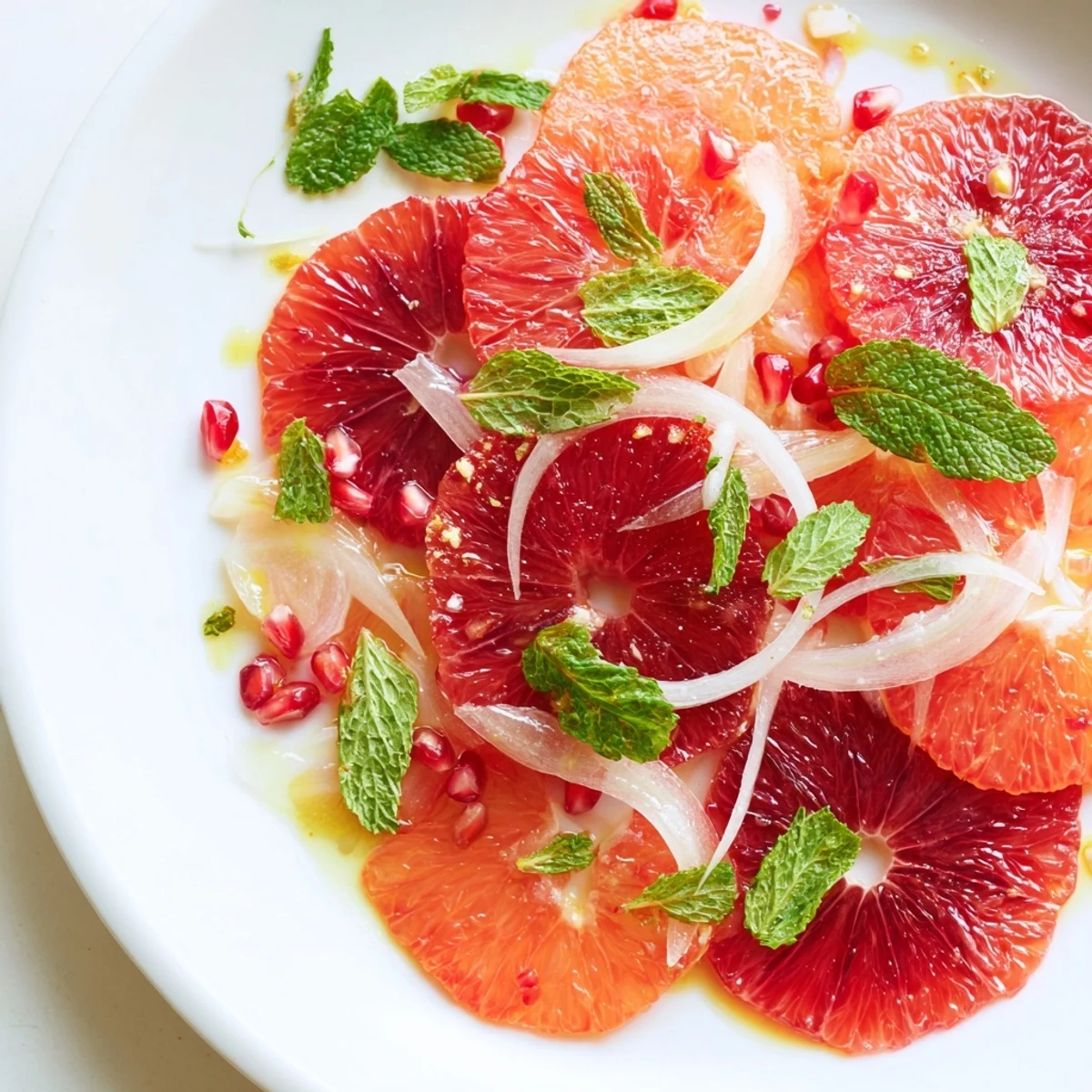
 This vibrant winter citrus salad combines juicy blood oranges, navel oranges, and grapefruit with crisp fennel and red onion. A simple white wine vinaigrette with Dijon mustard and honey brings brightness to every bite. Finished with fresh mint and pomegranate seeds, it's ready in just 20 minutes.
Naturally vegetarian, gluten-free, and dairy-free, this Mediterranean-inspired dish serves four and pairs beautifully with a crisp white wine.
The first time I made this winter citrus salad was on a particularly dreary February afternoon when the sky hung low with snow clouds. I'd picked up blood oranges on impulse, their ruby flesh promising a momentary escape from winter's monochrome palette. The bright pop of citrus against the crisp, anise-scented fennel created such a striking contrast that I found myself taking photos before even tasting it.
Last winter, I brought this salad to a potluck dinner where most dishes were heavy casseroles and rich comfort foods. The host took one bite and dramatically declared it tasted like vitamin C and hope, which made everyone laugh but perfectly captured how refreshing it felt amidst winter heaviness. Someone asked for the recipe before dessert was even served.
Ingredients
- Blood oranges: Their distinctive berry-like flavor and gorgeous ruby interior creates the wow-factor in this salad, but I've learned to select ones that feel heavy for their size which indicates juiciness.
- Fennel bulb: The secret is slicing it paper-thin where its anise flavor mellows beautifully against the citrus, becoming subtle and refreshing rather than overpowering.
- Red onion: After one too many overpowering batches, I now soak the sliced onion in ice water for 10 minutes before adding it to the salad, which preserves the flavor while removing the harsh bite.
- White wine vinegar: The brightness balances the sweetness of the fruit, though in a pinch I've used rice vinegar with surprisingly delightful results.
Instructions
- Make that zingy vinaigrette:
- Whisk together the olive oil, vinegar, honey, Dijon, salt and pepper until it becomes slightly thickened and unified. You'll know it's ready when it coats the back of a spoon instead of immediately running off.
- Create your citrus base:
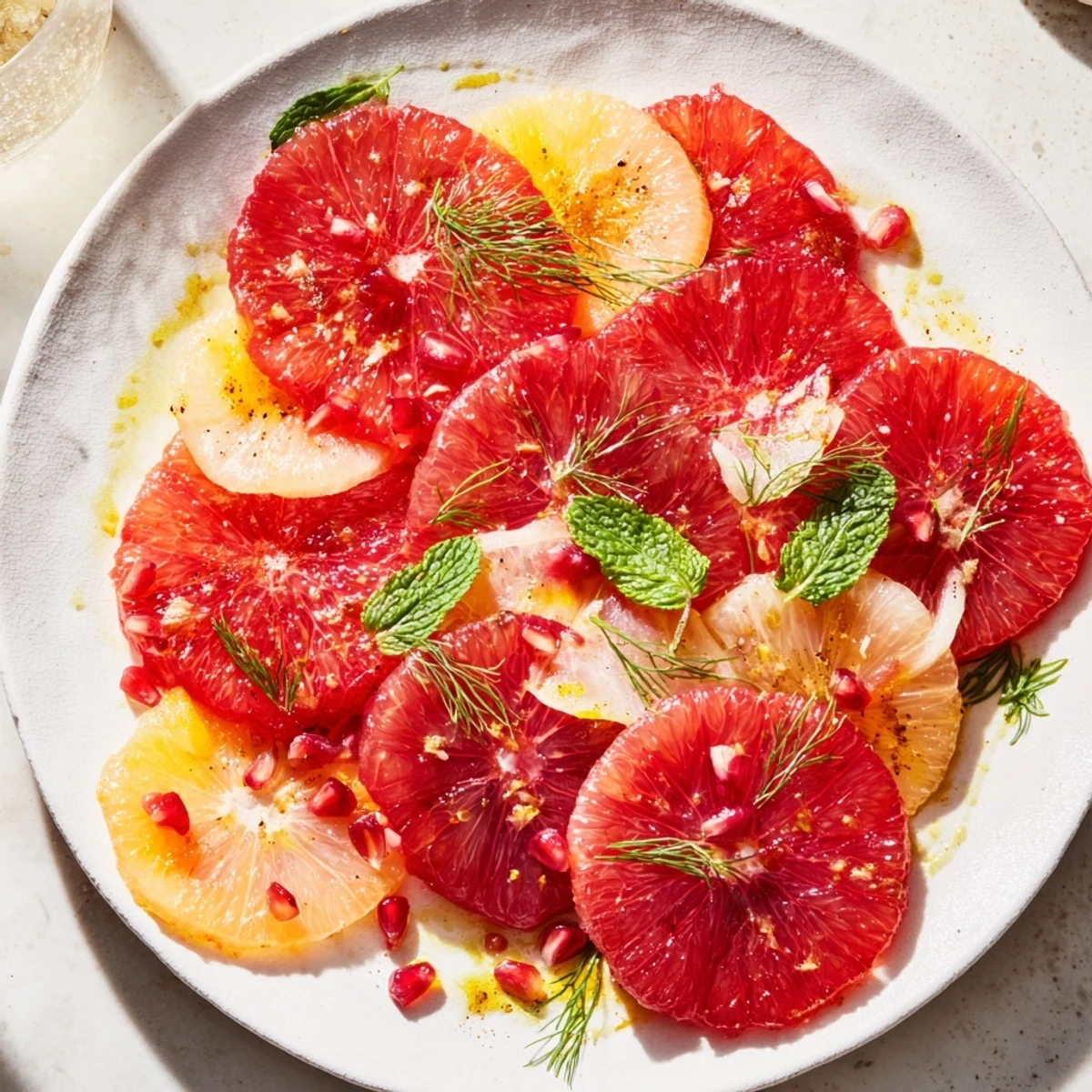
- Arrange those gorgeous citrus rounds on a platter, alternating colors and slightly overlapping them like fallen autumn leaves. I find the visual appeal is heightened when you mix the different varieties rather than grouping them.
- Add the crisp elements:
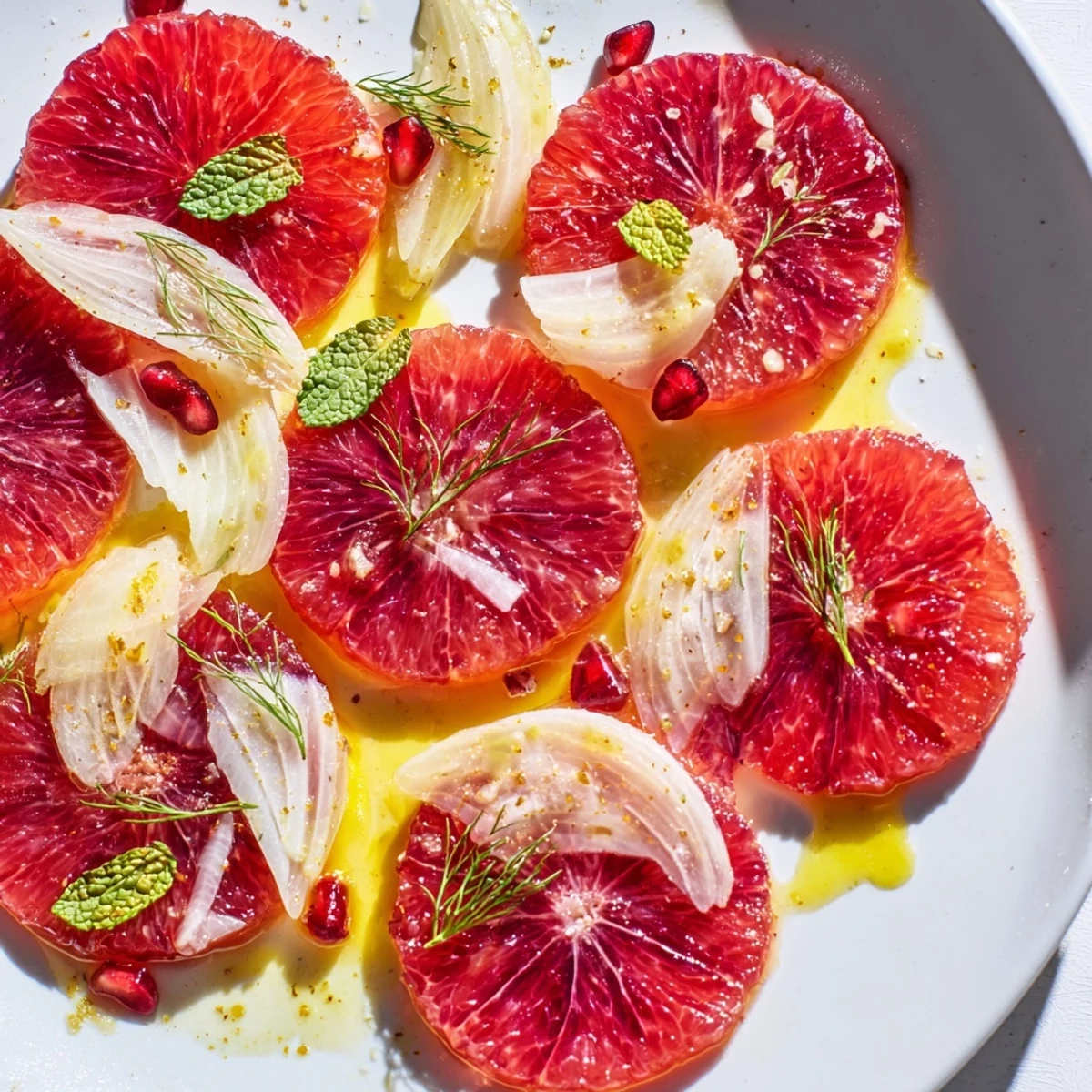
- Scatter the whisper-thin fennel and red onion slices across the citrus, creating height and texture. The delicate fennel should almost float on top of the fruit.
- Dress with intention:
- Drizzle the vinaigrette with a careful hand, using just enough to glisten on the salad without pooling at the bottom. Remember you can always add more, but you can't take it away.
- Finish with fresh notes:
- Sprinkle those torn mint leaves, feathery fennel fronds, and ruby-like pomegranate seeds across the top. These final touches bring bright bursts of color and flavor that elevate the entire dish.
 Pin It
 My neighbor who claims to hate all things fennel reluctantly tried this salad during an impromptu dinner and paused mid-bite with genuine surprise. Her eyebrows shot up as she took a second bite, then a third, eventually admitting that perhaps fennel wasn't the enemy she'd made it out to be after all these years. That moment of watching someone's preconception dissolve with each bite reminded me why I love sharing food.
Seasonal Variations
When blood oranges aren't available, I've found Cara Cara oranges offer that same visual drama with their pinkish interior, though the flavor profile shifts slightly sweeter. In early fall, I've swapped in sliced persimmons for some of the citrus, their honey notes playing beautifully against the fennel's brightness and adding an unexpected seasonal twist.
Make It a Meal
To transform this from side dish to main event, I sometimes add a handful of peppery arugula as a base and top with grilled shrimp or a piece of seared fish. The acid from the citrus and dressing acts almost like a quick cure, creating a brightness that cuts through even rich proteins like salmon. For vegetarians, avocado and pistachios add satisfying richness and texture.
Serving Suggestions
The vibrant colors of this salad demand a serving vessel that shows them off properly, so I always reach for my whitest platter or a shallow bowl that lets the ingredients shine. Temperature matters significantly with this dish, as I discovered when I once served it straight from the refrigerator and found the flavors muted until it warmed slightly.
- Let the salad sit at room temperature for 10-15 minutes before serving to allow the flavors to fully express themselves.
- Provide small forks and knives to guests as the citrus can be challenging to manage with just a fork.
- If serving as part of a larger meal, position it between heavier dishes to act as a palate cleanser.
 Pin It
 This winter citrus salad has become my personal rebellion against seasonal doldrums, a bright spot that reminds me good things grow even in the coldest months. Make it when you need a dose of sunshine on your table.
Recipe Q&A
- → Can I prepare this salad in advance?
-
Yes, you can assemble the salad up to 30 minutes ahead. Keep the vinaigrette separate and drizzle just before serving to maintain the crispness of the fennel and prevent the citrus from becoming too soft.
- → What if blood oranges aren't available?
-
Cara Cara oranges work beautifully as a substitute with similar sweetness and color. You can also use regular navel oranges, though you'll lose some of the distinctive tartness blood oranges provide.
- → How do I slice fennel thinly without a mandoline?
-
Use a sharp knife to cut the fennel bulb in half lengthwise, then place the flat side down on your cutting board for stability. Slice crosswise into thin half-moons. A vegetable peeler can also create delicate fennel ribbons.
- → Can I add protein to make this a complete meal?
-
Absolutely. Crumbled feta or goat cheese adds creaminess, while grilled chicken, roasted chickpeas, or toasted nuts provide heartier protein options. Shrimp or white fish also complement the citrus flavors beautifully.
- → What wine pairs best with this salad?
-
A crisp Sauvignon Blanc is ideal, offering brightness that echoes the citrus. Alternatively, try Albariño, Verdicchio, or a dry Pinot Grigio. The acidity in these wines complements the vinaigrette perfectly.
- → How do I store leftovers?
-
Store the citrus and vegetables separately from the dressing in airtight containers for up to 2 days. The fennel stays crispest when kept dry. Assemble fresh just before eating for the best texture.