
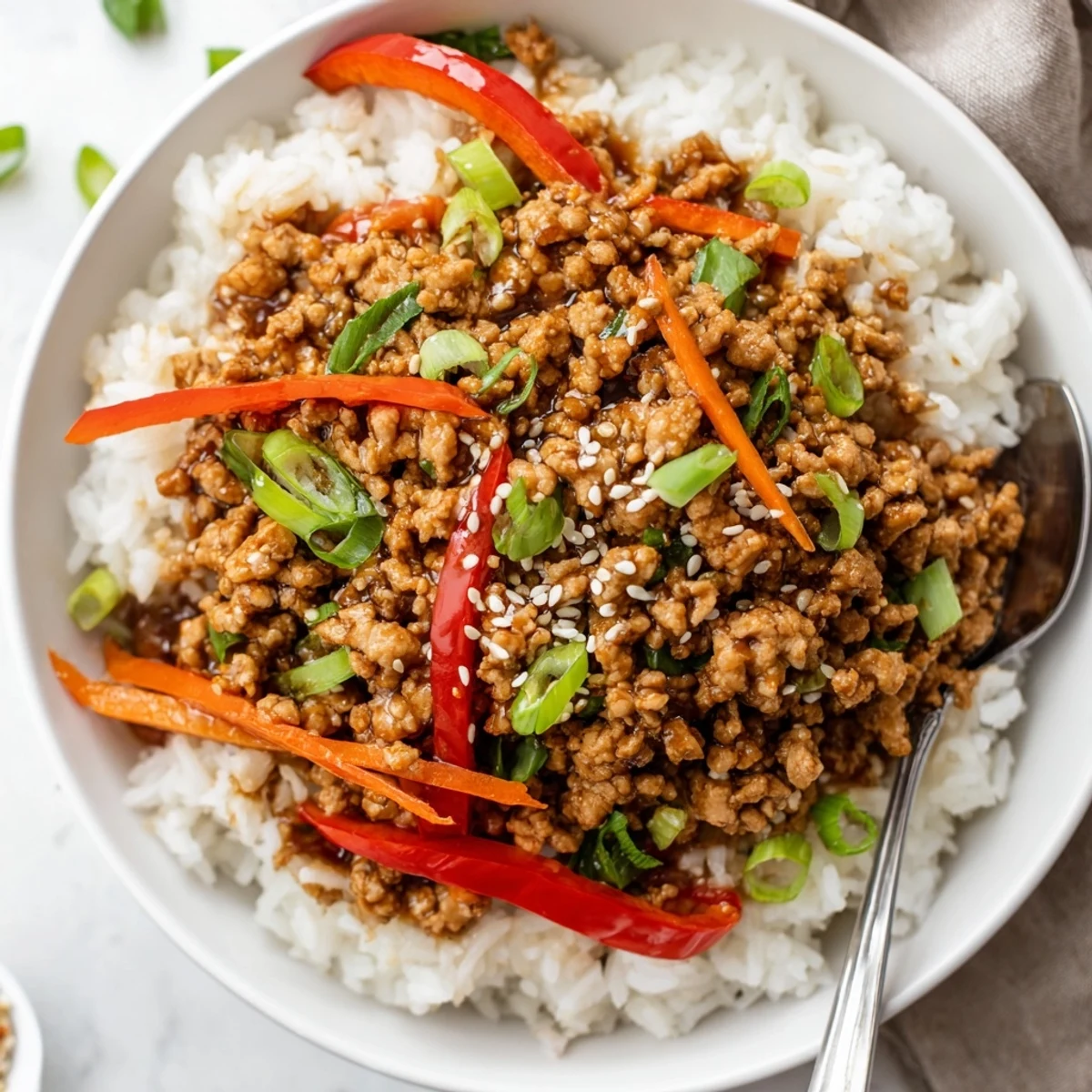
 Pin It
 Fluffy jasmine rice is rinsed and simmered until tender while ground turkey browns in sesame oil. Garlic and grated ginger are sautéed, then carrot, bell pepper and snap peas are tossed until just tender. A quick teriyaki glaze—soy, honey, rice vinegar and cornstarch—turns glossy, coating the meat and vegetables. Serve over rice, garnish with green onions and sesame seeds; try tamari for gluten-free or sriracha for heat.
The scent of sweet-savory teriyaki always takes me right back to the time I first experimented with making my own sauce instead of relying on the bottled kind. I remember standing over the stove, tasting as I stirred, cautiously adding honey and ginger until it was just right. Grinding turkey instead of using slices felt almost rebellious, and the sizzle that greeted me when everything hit the pan was more satisfying than I ever expected. Something about watching the glossy sauce coat each ingredient convinced me homemade really does taste better.
One evening, wanting a dinner that could appease a hungry group of friends after a long day, I prepped double the veggies and let everyone build their own rice bowls at the counter. What started as a quick, almost lazy dinner became a spirited back-and-forth about who could pile the highest mound of snap peas and who had the prettiest bowl. Even the least confident cook in the group couldn’t stop talking about the glossy sauce and the warmth from freshly minced ginger. That was the night my kitchen was filled with laughter, crunching, and chopsticks clinking against deep bowls.
Ingredients
- Ground turkey: The lean texture soaks up the sauce and stays juicy, especially if you break it up gently as it cooks.
- Carrot: Julienne strips cook just enough to stay snappy—which keeps every bite interesting alongside the soft rice.
- Red bell pepper: Sliced thin, it adds sweet brightness as well as a wash of ruby color.
- Snap peas: Crisp and sweet, these pop when you bite in, so I trim their ends right before tossing them in.
- Green onions: Stirred in at the end, they bring a fresh, faintly sharp finish I love.
- Fresh ginger: Grating it fresh really matters—preparing this once with jarred ginger taught me it’s worth the extra step for that warm kick.
- Garlic: Pressed or finely minced, it should sizzle only briefly to avoid overt bitterness but give a nutty depth.
- Low-sodium soy sauce: Lets you control the seasoning and keeps the sauce bold but not overpowering.
- Honey (or brown sugar): I swap these depending on mood—honey lends floral sweetness, brown sugar is caramel-rich.
- Rice vinegar: A splash brightens the teriyaki and balances out all the flavors.
- Soy sauce and sesame oil: Mixing into the sauce and also for subtle richness when sautéing—good sesame oil is fragrant, almost floral.
- Cornstarch: Whisked with water until smooth, this gives the sauce its classic, luscious thickness.
- Jasmine or short-grain rice: Rinsing is essential; it keeps the grains light, not gluey, and absorbs sauce beautifully.
- Garnishes: Toasted sesame seeds and extra green onions are optional, but the little burst of flavor and crunch is worth it.
Instructions
- Prepare Your Rice:
- Quickly rinse your rice under cold water in a sieve, swirling with your fingers until the water turns clear and loses its cloudiness. Combine it with water in a saucepan, bring to a boil, then cover, lower the heat, and let it quietly steam for about 15 minutes; don’t peek yet.
- Brown the Turkey:
- As the rice rests, heat a swirl of sesame oil in your largest skillet or wok until it shimmers. Crumble in the turkey, breaking it apart gently, listening for that satisfying sizzle and watching it lose its pinkness completely before setting it aside.
- Cook the Veggies:
- With the pan still hot, add a little more oil, then toss in garlic and ginger. As soon as the aroma hits you (a split second of sharp warmth), add the carrot, bell pepper, and snap peas—stir-fry just until things look striped with color and still a bit crunchy, about 3-4 minutes.
- Add Turkey & Make the Sauce:
- Return the browned turkey to the skillet. Whisk your soy sauce, water, honey or sugar, vinegar, and cornstarch slurry in a small bowl, then pour over everything; stir swiftly as the sauce begins to bubble and gloss over the meat and veggies.
- Simmer & Finish:
- Once the sauce thickens and everything looks lacquered and shiny (about 2-3 minutes), stir in the green onions for a fresh zip. Divide rice between bowls, spoon over the saucy turkey-veggie mix, and let everyone finish with sesame seeds and extra onion if they like.
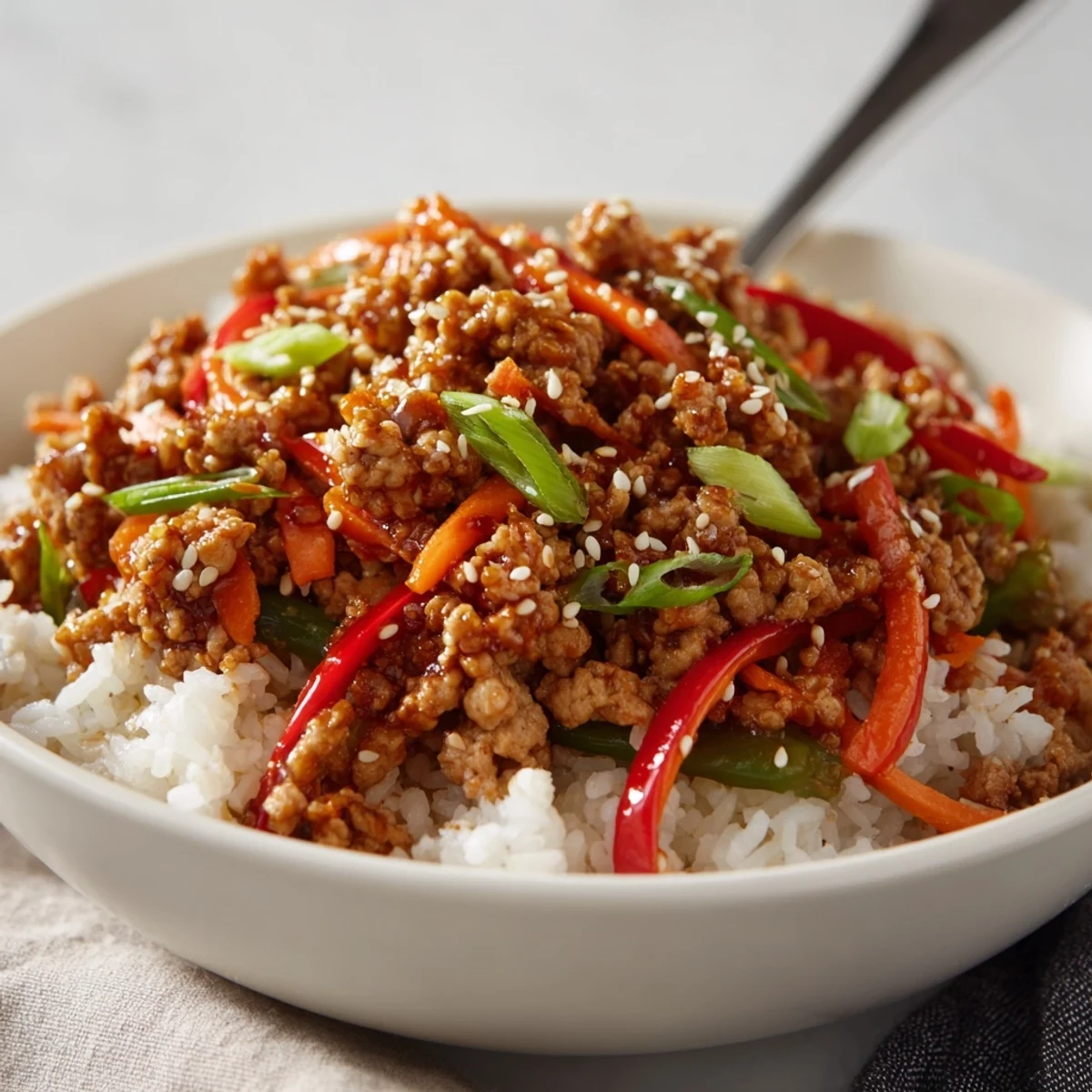 Pin It
 There’s a moment after one mouthful—usually the first, right when the warmth of the sauce meets the cool crunch of snap peas—where people pause and sigh a little. That’s how I know dinner has become something a bit more than just another meal.
Best Ways to Eat These Bowls
The beauty is in how personalized they can be—sometimes I set out extra bowls of edamame, broccoli, or even a splash of sriracha for bold flavor chasers. Leftovers are a midweek blessing: just a quick reheat and the bowl feels as fresh as ever. It definitely holds up in a packed lunch, and the sauce never seems to lose its shine or sense of comfort.
Ingredient Swaps Worth Trying
If you’re out of turkey, chicken or lean beef can play the same tasty role—I’ve even tried a tofu version for plant-based friends which soaks up the teriyaki beautifully. Switching up the veggies is half the fun; whatever’s crisp and in-season finds its way into my wok now. Just remember to slice tougher vegetables thinner so they’ll cook in the same quick window.
Simple Shortcuts For Speedy Dinners
Some nights demand dinner in record time, and here’s where a few small cheats work wonders. Using frozen pre-cut veggies or quick-cooking rice gets dinner on the table even faster without sacrificing flavor. Buying pre-ground ginger and garlic isn’t a crime—if it saves you from ordering takeout again, you’ll be glad you did.
- Taste the sauce before pouring to balance sweet, salty, and tangy.
- Spread veggies in a single layer—this helps them sauté, not steam.
- Keep an eye on the rice: if the timer ends and it smells toasty, remove it from heat immediately!
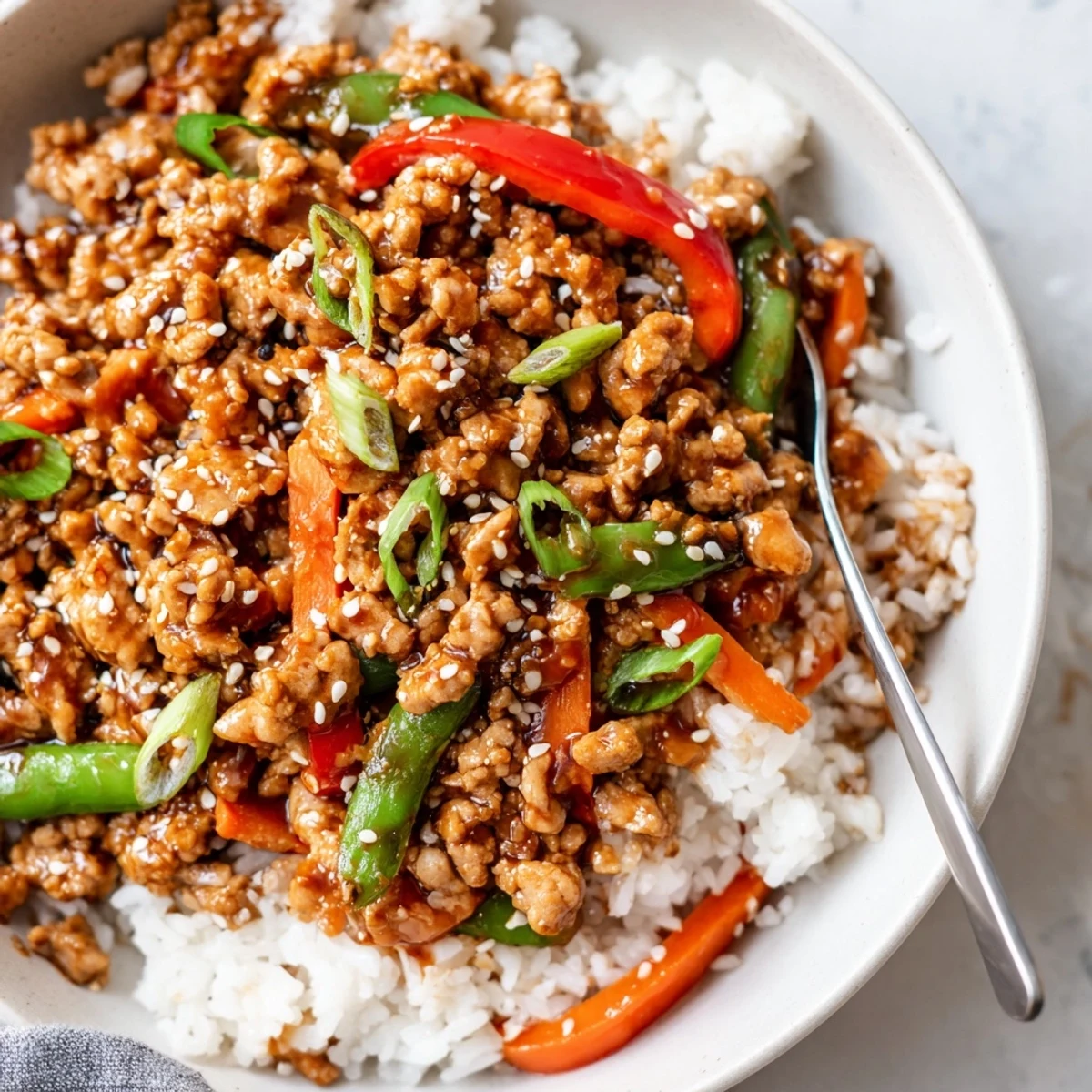 Pin It
 Give these Teriyaki Turkey Rice Bowls a spot in your regular rotation and watch them disappear faster than you can say 'seconds.' There’s just something about that golden, sticky sauce that always brings everyone running to the table.
Recipe Q&A
- → How do I keep the rice fluffy and separate?
-
Rinse jasmine rice under cold water until the water runs clear to remove excess starch. Use a 1:2 rice-to-water ratio, bring to a boil, then simmer covered on low for about 15 minutes. Remove from heat and let it rest, covered, for 5–10 minutes before fluffing with a fork.
- → What thickens the teriyaki glaze?
-
A cornstarch slurry (cornstarch mixed with cold water) creates a glossy, thickened glaze. Add it to the sauce while simmering and stir until it reaches the desired sheen; cook a minute longer to remove any starchy taste.
- → Can I swap the turkey for another protein?
-
Yes. Ground chicken or beef work well and require similar browning time. For a lighter option, use finely diced tofu or edamame for extra plant-based protein—adjust seasoning and cook time as needed.
- → How can I make this gluten-free?
-
Replace regular soy sauce with tamari or a certified gluten-free soy sauce. Check other packaged ingredients (like rice vinegar and sesame oil) for cross-contamination labels to ensure all components are gluten-free.
- → What’s the best way to reheat leftovers?
-
For stovetop, gently rewarm the turkey and vegetables in a skillet over medium-low heat, adding a splash of water to loosen the sauce, then heat the rice separately. For microwave, cover and heat in short bursts, stirring between intervals to maintain texture.
- → How do I add more heat without overwhelming the dish?
-
Add a small amount of sriracha, chili garlic sauce, or red pepper flakes to the glaze and taste as you go. A drizzle of chili oil at the end provides heat and extra aroma without changing the base flavors.