 Pin It
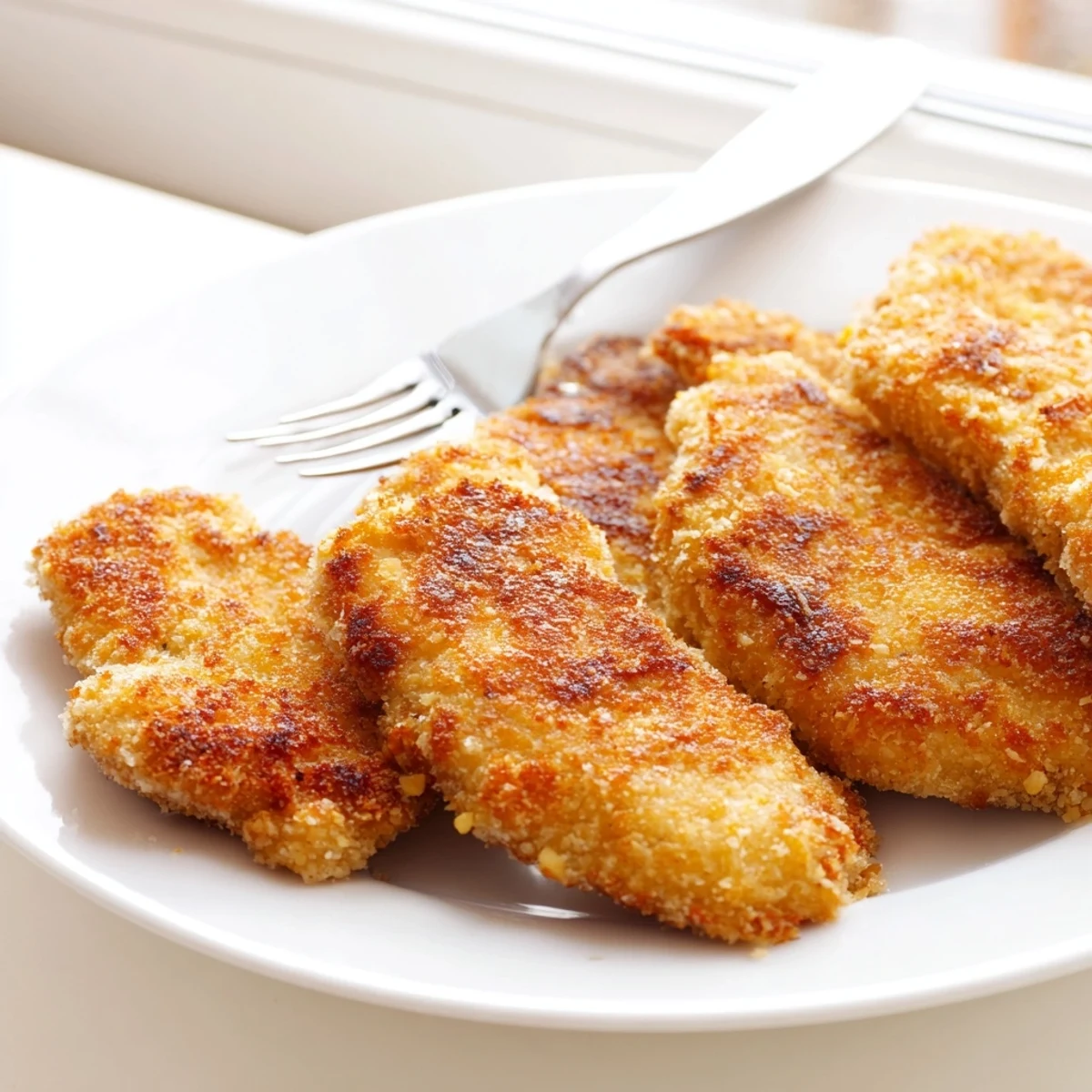
 Create perfectly golden fried chicken breasts with a satisfying crispy exterior and juicy, tender meat inside. Each piece is marinated in seasoned buttermilk, coated in a flavorful flour and breadcrumb blend, then fried until beautifully golden brown. Ready in just 30 minutes, this American classic delivers restaurant-quality results at home with simple ingredients and straightforward technique.
The sound of oil crackling in a cast iron skillet is my personal doorbell to Sunday dinner at my grandmothers house, where fried chicken wasnt just a meal but an event that pulled everyone into the kitchen whether they were hungry or not. She never measured anything, trusting her hands and her eyes, and somehow every batch emerged with the same shatteringly crisp crust I spent years trying to replicate. This recipe is my best approximation of her method, adapted for boneless breasts and a slightly more modern pantry. Its straightforward, forgiving, and deeply satisfying.
One rainy Tuesday I decided to test this recipe seven times in a single afternoon, determined to get the coating to adhere without falling off in patches, and my dog sat by the stove the entire day like a very hopeful supervisor. By batch four I finally understood that pressing the crumbs firmly and letting the coated chicken rest for five minutes before hitting the oil made all the difference. My family ate fried chicken for dinner that week and nobody complained once.
Ingredients
- 4 boneless skinless chicken breasts about 150 g each: Pounding them to an even thickness is the real secret here because it prevents the thick end from drying out while the thin end overcooks.
- 120 ml buttermilk: This is your flavor and moisture powerhouse, tenderizing the meat while adding a subtle tang that nothing else can replicate.
- 1 large egg: Acts as the binder that holds the marinade together and helps the coating stick to every surface.
- 1 tsp salt: Do not skip this in the marinade because it seasons the meat from the inside out and makes a noticeable difference.
- 1/2 tsp black pepper: Freshly ground is always better but pre ground will work fine in a pinch.
- 1 tsp garlic powder: Adds a savory depth that permeates the chicken without burning the way fresh garlic would in hot oil.
- 1 tsp paprika: Gives the crust a warm color and a gentle sweetness that balances the salt beautifully.
- 120 g all purpose flour: Combined with the breadcrumbs it creates a layered coating that is both crisp and substantial.
- 100 g breadcrumbs panko or regular: Panko gives you a lighter airier crunch while regular breadcrumbs create a denser more traditional crust so choose based on your mood.
- 1/2 tsp salt for coating: A separate pinch in the coating ensures the crust itself is seasoned and not relying solely on the marinade.
- 1/2 tsp smoked paprika: This adds a subtle smokiness that makes people ask what your secret ingredient is.
- 1/2 tsp cayenne pepper optional: Just enough warmth to make things interesting without overwhelming anyone at the table.
- 500 ml vegetable oil: You want a neutral oil with a high smoke point and vegetable oil is the most reliable choice for consistent results.
Instructions
- Even out the chicken:
- Place each breast between two pieces of plastic wrap or in a zip top bag and pound gently with a meat mallet or rolling pin until about 1.5 cm thick, working from the center outward so you do not tear the meat.
- Build the marinade:
- Whisk the buttermilk, egg, salt, pepper, garlic powder, and paprika in a bowl large enough to hold all four breasts, then submerge the chicken completely, cover, and refrigerate for at least 30 minutes or up to four hours if you have the time.
- Set up your dredging station:
- In a wide shallow dish combine the flour, breadcrumbs, salt, smoked paprika, and cayenne, mixing with a fork to distribute everything evenly so each piece gets seasoned consistently.
- Coat the chicken:
- Remove each breast from the marinade, let the excess drip off briefly, then press it firmly into the crumb mixture on both sides, using your palms to pack the coating on tightly.
- Heat the oil:
- Pour the oil into a large skillet or frying pan over medium high heat and wait until you see it shimmer, which usually takes about three minutes, or until a small crumb sizzles immediately on contact.
- Fry to golden perfection:
- Carefully lay the coated breasts into the hot oil without crowding the pan, frying five to seven minutes per side until deeply golden and the internal temperature reads 75 degrees Celsius at the thickest point.
- Rest and serve:
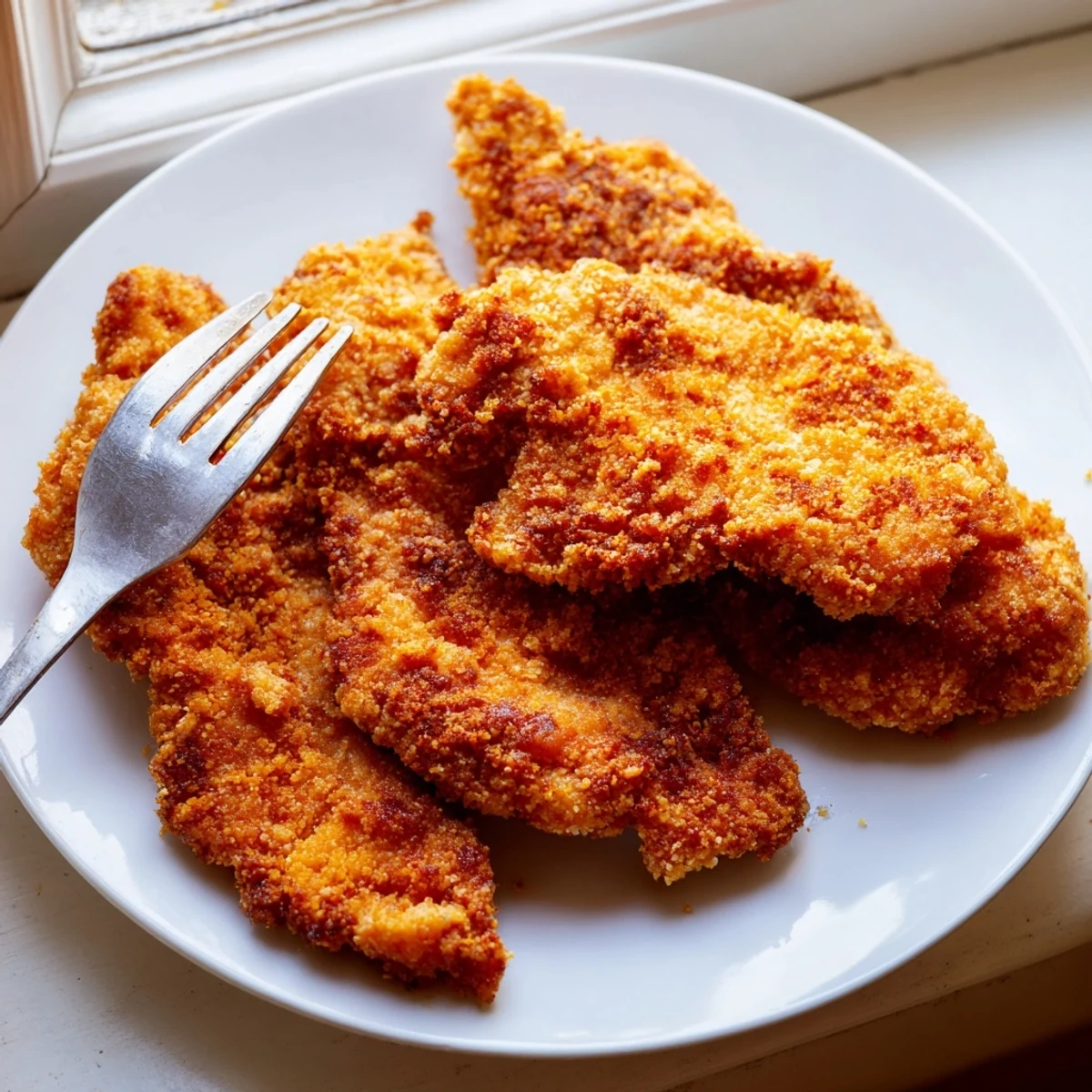
- Transfer the chicken to a paper towel lined plate and let it rest for two to three minutes so the juices redistribute and the crust sets before you slice into it.
 Pin It
 The first time I served this to my neighbor who claimed she did not like fried chicken, she asked for the recipe before she finished her first piece and now it shows up at every potluck on our street. Food has a way of dissolving stubborn opinions when it is made with care and a generous hand with the seasonings.
Getting That Crust Right Every Time
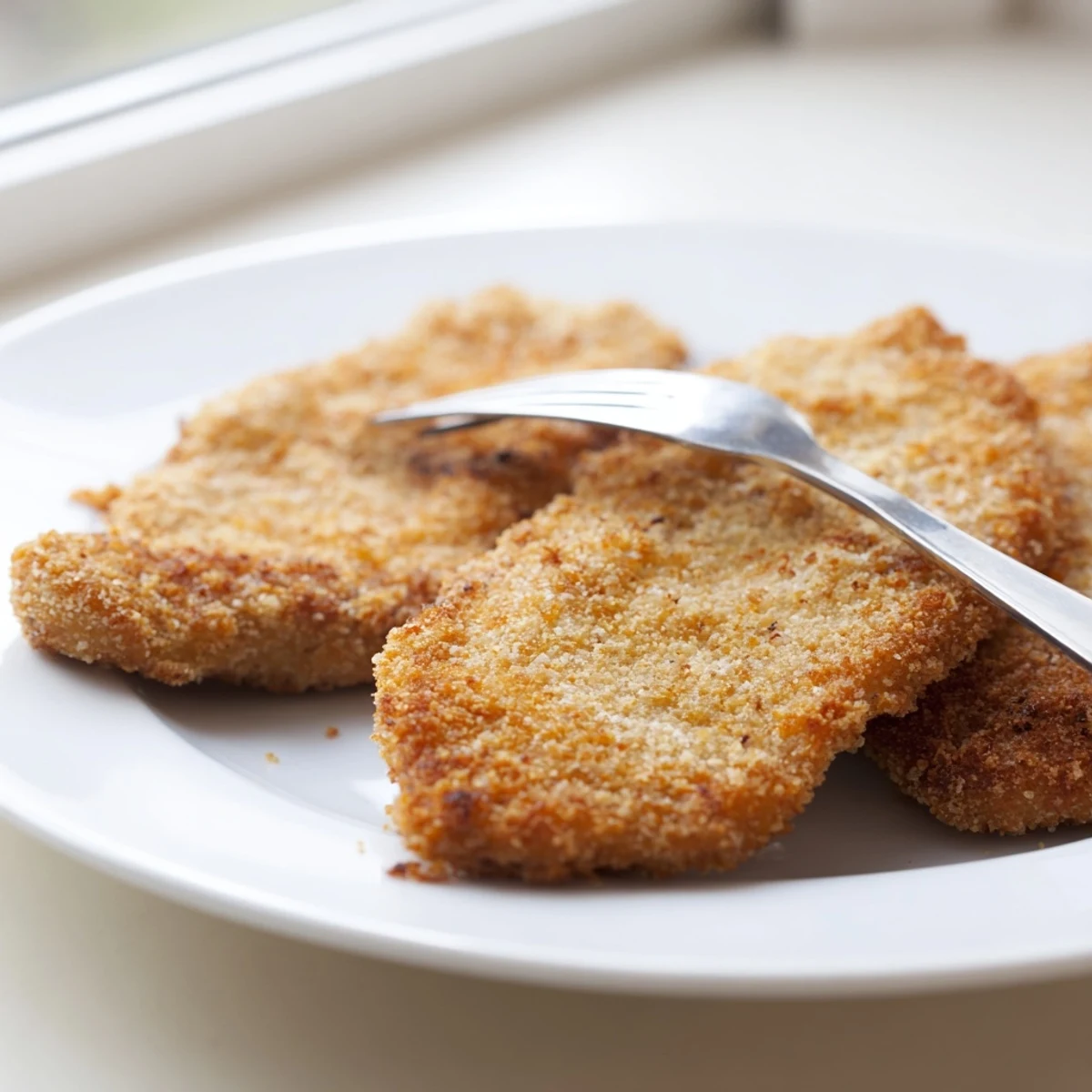
The coating is really a three part system working together, the marinade creates a sticky surface, the flour provides structure, and the breadcrumbs deliver the crunch. Skipping any layer or rushing through the pressing step will show in the final result, so treat each step with a little patience and you will be rewarded with a crust that stays crisp even as it cools.
Oil Temperature and Safety
Shallow frying is more forgiving than deep frying for home cooks because there is less oil to manage and the risk of splashing is lower. Use a thermometer if you have one, and if you do not, drop a small cube of bread into the oil and if it turns golden in about 40 seconds you are in the right zone. Never leave hot oil unattended and keep a lid nearby just in case.
Serving Ideas and Leftover Magic
This chicken is a natural alongside mashed potatoes and coleslaw but it also makes an incredible sandwich piled onto a soft bun with pickles and a smear of honey mustard. Leftover slices are excellent cold from the fridge the next day, tucked into a salad, or briefly reheated in an air fryer at 190 degrees Celsius for about four minutes.
- Add a tablespoon of grated Parmesan to the coating mixture for an extra savory dimension that nobody will expect.
- A squeeze of lemon juice over the finished chicken brightens everything and cuts through the richness beautifully.
- Always let the oil come back up to temperature between batches if you are frying in rounds.
 Pin It
 There is something deeply comforting about the rhythm of frying chicken, the sizzle, the golden turn, the quiet rest afterward, and sharing that process with people you love makes the result taste even better. This recipe is yours now, so make it your own and pass it along.
Recipe Q&A
- → How do I keep chicken breasts juicy when frying?
-
Marinate chicken in buttermilk mixture for at least 30 minutes to tenderize the meat. Don't overcook—fry until internal temperature reaches 75°C (165°F). Let chicken rest for 2-3 minutes after frying to redistribute juices.
- → Can I use chicken thighs instead of breasts?
-
Absolutely. Chicken thighs work beautifully and tend to stay even juicier. Adjust cooking time to 6-8 minutes per side depending on thickness, ensuring the internal temperature reaches 75°C (165°F).
- → What oil is best for frying chicken?
-
Vegetable oil, canola oil, or peanut oil are ideal due to their high smoke points and neutral flavors. Heat oil to 175°C (350°F) before adding chicken for optimal crispy results.
- → How do I get the coating to stick properly?
-
Remove excess marinade from chicken before dredging. Press the flour-breadcrumb mixture firmly onto all sides of each piece. Let coated chicken sit for 5 minutes before frying to help coating adhere.
- → Can I make this ahead of time?
-
Marinate chicken up to 4 hours in advance. For best results, fry just before serving. Reheat leftover pieces in a 200°C oven for 10-12 minutes to restore crispiness.
- → How can I tell when oil is ready for frying?
-
Use a kitchen thermometer to verify oil reaches 175°C (350°F). Without a thermometer, drop a small breadcrumb into the oil—if it sizzles immediately and rises to the surface, the oil is ready.