 Pin It
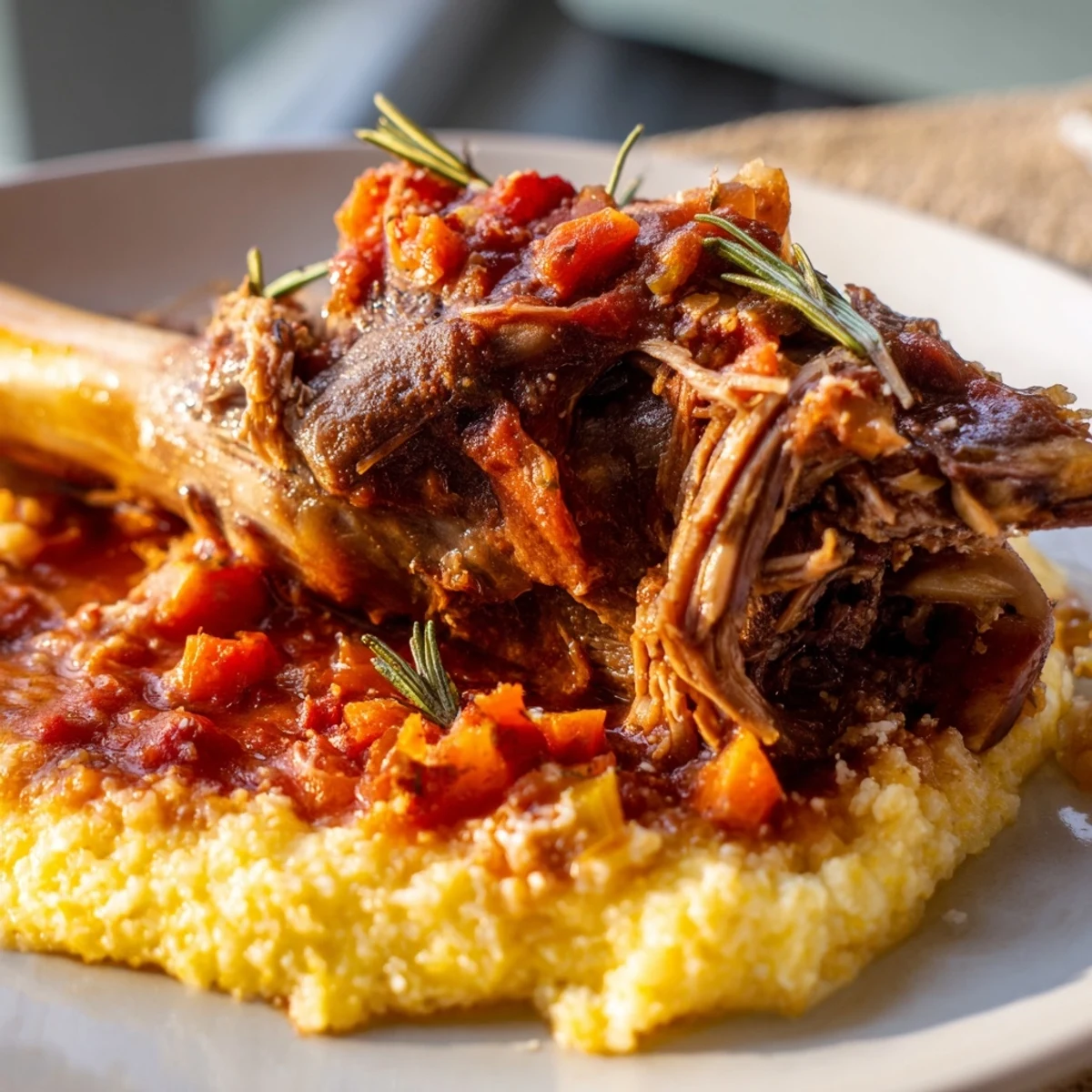
 This dish features lamb shanks slowly braised until tender in a blend of red wine, tomatoes, and fresh herbs like rosemary and thyme, creating a rich, flavorful sauce. The lamb is paired with smooth, creamy polenta infused with rosemary and Parmesan for a comforting and elegant Italian-style main. Preparation involves searing the meat to lock in juices, slow cooking for depth of flavor, and stirring butter and cheese into the polenta for a rich texture. The result is a hearty, aromatic dish perfect for a special occasion or cozy dinner.
There's something about a winter evening when the kitchen fills with the smell of braising lamb and red wine that makes everything feel intentional. I discovered this dish years ago when a friend's Italian grandmother served it at a small family dinner, and I watched her tend that pot like it was the most natural thing in the world. The lamb shanks were so tender they fell from the bone with just a glance, cradled in a sauce dark and rich from hours of patient heat. That night changed how I understood slow cooking—it wasn't about technique, it was about trust.
I made this for my partner on a night when we both needed comfort food, not the rushed kind but the honest kind where you set the table properly and light a candle. Halfway through dinner, we stopped talking because the food demanded attention—the meat was so soft it required only a fork, and every bite tasted like it had been developing flavor for hours, which of course it had. That's when I realized this recipe isn't just about feeding people; it's about saying you've taken time to care.
Ingredients
- Lamb shanks (4, about 400 g each): These are muscular cuts that toughen when cooked quickly but transform into velvet under slow, moist heat—seek out shanks of even size so they cook at the same pace.
- Olive oil (2 tbsp): The first step is searing, which needs enough oil to brown the meat properly without burning it.
- Onion, carrots, and celery (1 large onion, 2 carrots, 2 stalks): This aromatic base releases sweetness and body into the sauce as it braises alongside the meat.
- Garlic cloves (4, minced): Added after the softer vegetables so it doesn't burn and turn bitter during the long cooking time.
- Tomato paste (2 tbsp): A spoonful or two adds depth and umami without the sourness of fresh tomatoes, and it darkens the sauce beautifully.
- Red wine (400 ml): Use something you'd actually drink because it becomes the backbone of the sauce—the alcohol cooks off, leaving only the flavor behind.
- Beef or lamb stock (500 ml): Homemade tastes better, but good quality store-bought won't betray you here.
- Chopped tomatoes (1 can, 400 g): This adds brightness and body to balance the richness of the meat and wine.
- Fresh rosemary and thyme (2 sprigs each): Whole sprigs are easier to fish out than chopped herbs, which might get lost in the sauce.
- Bay leaves (2): These disappear into the background and add a subtle earthy note.
- Polenta (250 g coarse cornmeal): The texture should be creamy and spoonable, not stiff—it's the perfect vessel for that glossy sauce.
- Butter (2 tbsp unsalted): Stirred in at the end, it makes the polenta luxurious without overwhelming it.
- Parmesan cheese (60 g, grated): Sharp and salty, it adds sophistication to the mild cornmeal.
- Fresh rosemary for polenta (1 tbsp, finely chopped): This ties the two components together with a whisper of the same herb from the braise.
Instructions
- Preheat and Prepare:
- Set your oven to 160°C (320°F) and pat the lamb shanks completely dry with paper towels. This step matters because dry meat browns better, creating a flavorful crust that adds depth to the whole dish.
- Season Generously:
- Salt and pepper the shanks on all sides while the oven warms up. Don't be timid here—the meat is thick enough to handle bold seasoning.
- Sear the Meat:
- Heat olive oil in your Dutch oven over medium-high heat until it shimmers. Place the lamb shanks in the hot oil and resist the urge to move them around; let each side brown for a few minutes until golden and caramelized. Transfer them to a plate once they're done.
- Build the Base:
- In the same pot, add diced onion, carrots, and celery. Let them soften for about five minutes, stirring occasionally so they pick up the browned bits from the lamb. Add minced garlic and cook for another minute until fragrant, being careful not to let it brown.
- Deepen the Flavor:
- Stir in tomato paste and let it cook for a minute, which mellows its sharpness and lets it blend into the oil. This small step prevents a tinny taste later on.
- Deglaze the Pot:
- Pour in the red wine, scraping the bottom of the pot with a wooden spoon to loosen all those caramelized browned bits. Simmer for a couple of minutes so the alcohol cooks off and the wine concentrates slightly.
- Add Liquids and Herbs:
- Pour in the stock and chopped tomatoes, then nestle the rosemary, thyme, and bay leaves into the liquid. Return the lamb shanks to the pot, positioning them so they're mostly submerged in the sauce—they'll release juices and the liquid will rise a bit.
- Braise Low and Slow:
- Bring everything to a gentle simmer on the stovetop, then cover with a lid and transfer to your preheated oven. The steady, surrounding heat will break down the connective tissue in the meat over two and a half to three hours, turning it tender. Flip the shanks once or twice during cooking if you remember, but don't obsess over it.
- Make the Polenta:
- About thirty minutes before the lamb is done, bring water and salt to a boil in a saucepan. Whisk in the polenta very gradually so it doesn't clump, then reduce heat to low and stir constantly. It will sputter and bubble like it's alive—keep stirring for twenty to twenty-five minutes until it's thick, creamy, and pulls away from the sides of the pan.
- Finish the Polenta:
- Stir in butter, grated Parmesan, and finely chopped fresh rosemary. Taste and adjust salt and pepper as needed. The polenta should taste rich and herbaceous.
- Final Sauce Check:
- Remove the lamb from the oven and carefully pull out the herb stems and bay leaves. If the sauce looks thin or watery, simmer it uncovered on the stovetop for a few minutes until it coats the back of a spoon.
- Serve:
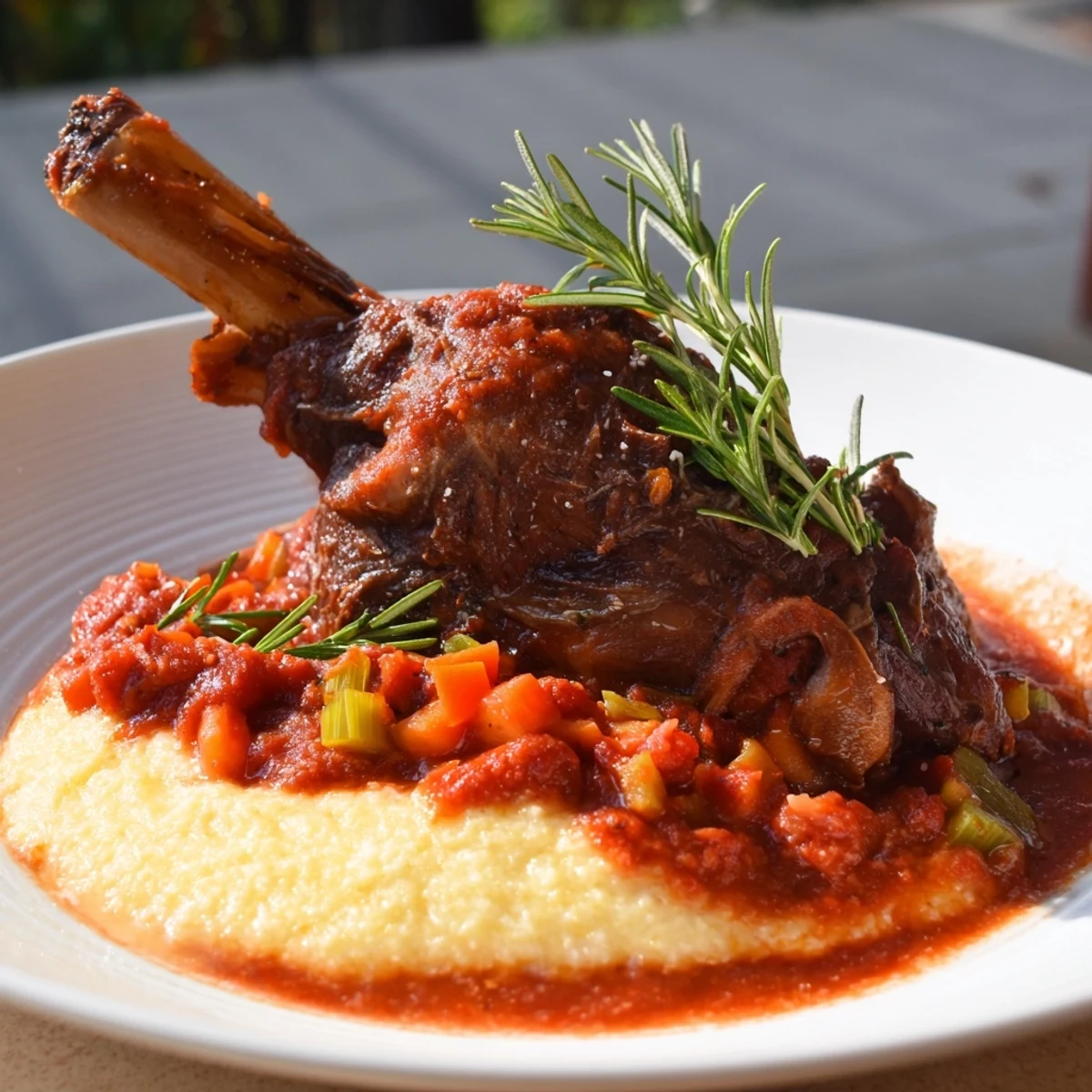
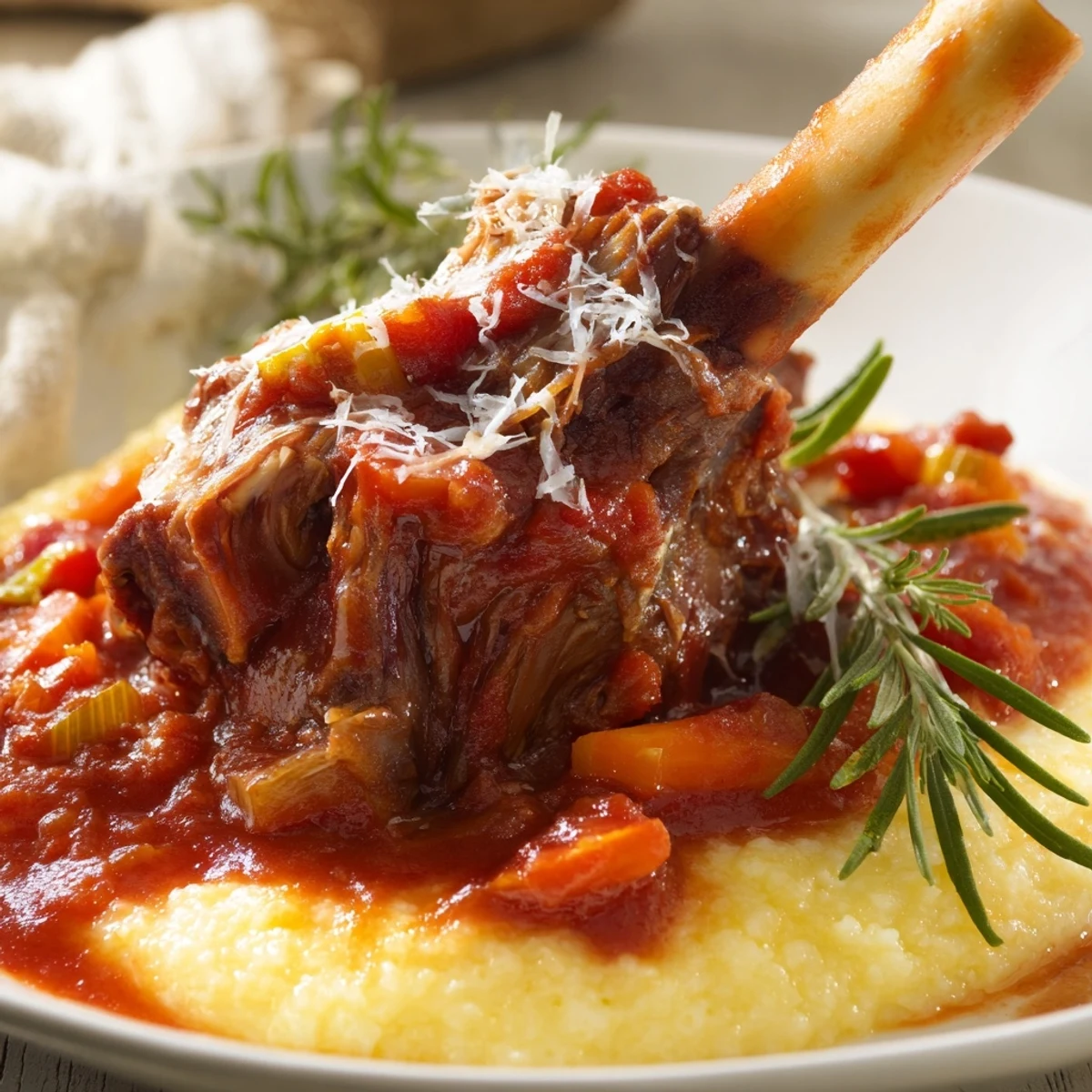
- Spoon the creamy polenta onto plates, set a lamb shank on top, and ladle that glossy, aromatic sauce generously over everything.
 Pin It
 My favorite version of this dish happened on a rainy Sunday when I added a strip of orange zest to the braising liquid almost as an afterthought. The citrus didn't announce itself loudly, but it cut through the richness with such grace that everyone paused and asked what was different. That's when cooking stops being mechanical and becomes storytelling—small choices that shift the whole experience.
Why Slow Cooking Transforms Tough Cuts
Lamb shanks are challenging cuts of meat because they're packed with connective tissue and muscle, which means they're nearly inedible if cooked quickly. Low heat over a long time breaks down collagen into gelatin, which is why the meat becomes impossibly soft and the sauce becomes silky and rich. This isn't magic; it's chemistry working on your behalf while you're doing something else entirely.
The Polenta Partnership
Polenta gets a bad reputation from people who've only had the grainy, gluey kind. The secret is patience and constant stirring—it should look creamy and porridge-like, not stiff. When you finish it with butter and cheese and fresh herbs, it becomes a canvas that makes the lamb sauce taste even better, like they were designed for each other from the start.
Serving and Wine Pairings
This is the kind of meal that demands company and conversation, ideally accompanied by a robust red wine that matches the depth of the sauce. A Chianti or Shiraz has enough structure to stand up to the lamb without being overshadowed by it.
- If you prefer a sharper cheese flavor, substitute Pecorino Romano for the Parmesan—it changes the polenta's character in a wonderful way.
- A thin strip of orange zest added to the braising liquid adds subtle brightness that makes people ask what's different about your version.
- Make this a day ahead if you can; the flavors deepen overnight, and reheating is simple and actually improves the texture of the sauce.
 Pin It
 This is the recipe I return to when I want to cook something that feels both humble and impressive, the kind of dish that reminds you why slow cooking matters. It's a meal that gives back more than you put in.
Recipe Q&A
- → How can I ensure the lamb shanks become tender?
-
Slow braising the lamb shanks in a low oven allows the collagen to break down, resulting in tender, fall-off-the-bone meat.
- → What are good herbs to use for this dish?
-
Fresh rosemary, thyme, and bay leaves are excellent choices, adding aromatic depth to the braising liquid.
- → Can I substitute the Parmesan in the polenta?
-
Pecorino Romano works well as a sharper alternative, enhancing the creamy texture with a robust flavor.
- → How should the polenta be cooked for best results?
-
Gradually whisking polenta into boiling salted water and stirring frequently over low heat until thick ensures a smooth and creamy consistency.
- → What wine pairs well with this dish?
-
A hearty red wine like Chianti or Shiraz complements the rich flavors of the lamb and rosemary polenta perfectly.