 Pin It
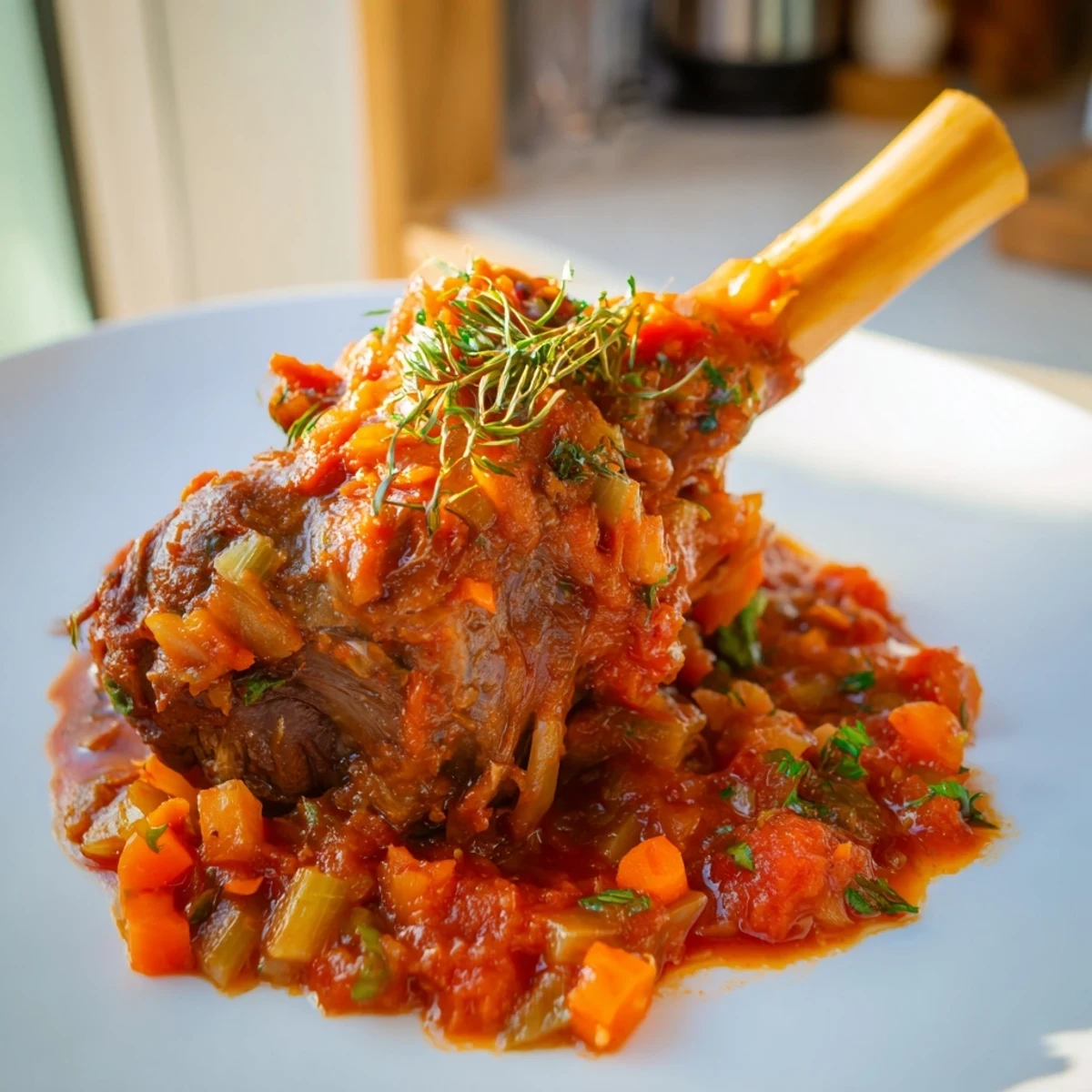
 Slow cooking lamb shanks in a flavorful tomato base allows the meat to become tender and infused with aromatic herbs and spices. Searing the shanks first locks in juices, while a slow braise with garlic, onions, carrots, and herbs crafts a rich sauce. The dish is excellent served with creamy mashed potatoes or polenta, making it ideal for family dinners or special occasions. Adding elements like orange zest or cinnamon can enhance the depth of flavors.
I used to think lamb shanks were restaurant food, something too impressive to attempt at home. Then one rainy November afternoon, I found four beautiful shanks at the butcher and decided to trust the slow oven. The smell that filled my kitchen three hours later erased every doubt.
I made this for a small dinner party once, and when I lifted the lid at the table, steam billowing with that deep tomato and herb scent, everyone went quiet. One friend later told me it reminded her of her grandmother's Sunday suppers. That night, this dish stopped being just dinner and became something I cook when I want to make people feel at home.
Ingredients
- Lamb shanks: Look for shanks that feel heavy for their size, with a good layer of fat and meat around the bone. This fat melts into the sauce and keeps everything moist.
- Onions: Chop them fine so they dissolve into the sauce and create that sweet, savory base you can't quite name but always crave.
- Carrots and celery: These two add a quiet sweetness and body to the braising liquid, turning it from thin to luxurious.
- Garlic: Mince it fresh, the jarred stuff just doesn't have that sharp, clean punch you want here.
- Canned chopped tomatoes: Use good quality canned tomatoes, they break down beautifully and taste better than most fresh ones in winter.
- Dry red wine: Pour something you'd actually drink, it doesn't have to be expensive but it should taste good to you.
- Beef or lamb stock: Homemade is wonderful, but a good store bought version works perfectly when life is busy.
- Tomato paste: This concentrates all the tomato flavor and adds a slight caramelized depth when you cook it first.
- Bay leaves, thyme, rosemary: Dried herbs work brilliantly in slow braises, releasing their oils gently over hours.
- Smoked paprika: Just a teaspoon adds a whisper of smokiness that makes people ask what your secret is.
- Olive oil: Use regular olive oil for searing, save the fancy extra virgin for drizzling later.
Instructions
- Preheat and prep:
- Set your oven to 160°C and give it time to heat fully while you get everything ready. A steady, low temperature is what transforms tough meat into something spoon tender.
- Season the shanks:
- Be generous with the salt and pepper, rubbing it into every surface of the meat. This is your only chance to season the lamb itself, so don't hold back.
- Sear until golden:
- Heat the olive oil until it shimmers, then brown each shank on all sides until deeply caramelized, about 8 minutes total. You'll hear that satisfying sizzle, and the fond building on the bottom of the pot is pure flavor.
- Soften the vegetables:
- Toss in the onions, carrots, and celery, stirring them around in the lamb drippings until they soften and start to color. Add the garlic last so it doesn't burn, just one fragrant minute.
- Build the sauce:
- Stir in the tomato paste and let it cook for a moment, then pour in the wine and scrape up all those browned bits. Let it bubble and reduce for a few minutes until it smells rich and winey.
- Nestle and simmer:
- Return the shanks to the pot, pour in the tomatoes and stock, then scatter in the bay leaves and dried herbs. Bring everything to a gentle simmer before covering.
- Slow braise:
- Slide the covered pot into the oven and let time do the work, about 2 and a half to 3 hours. Turn the shanks halfway through so they cook evenly and the tops don't dry out.
- Finish and serve:
- Skim any fat from the surface, taste the sauce, and adjust the seasoning. Spoon that glossy, fragrant sauce over each shank and watch it soak into whatever you're serving alongside.
 Pin It
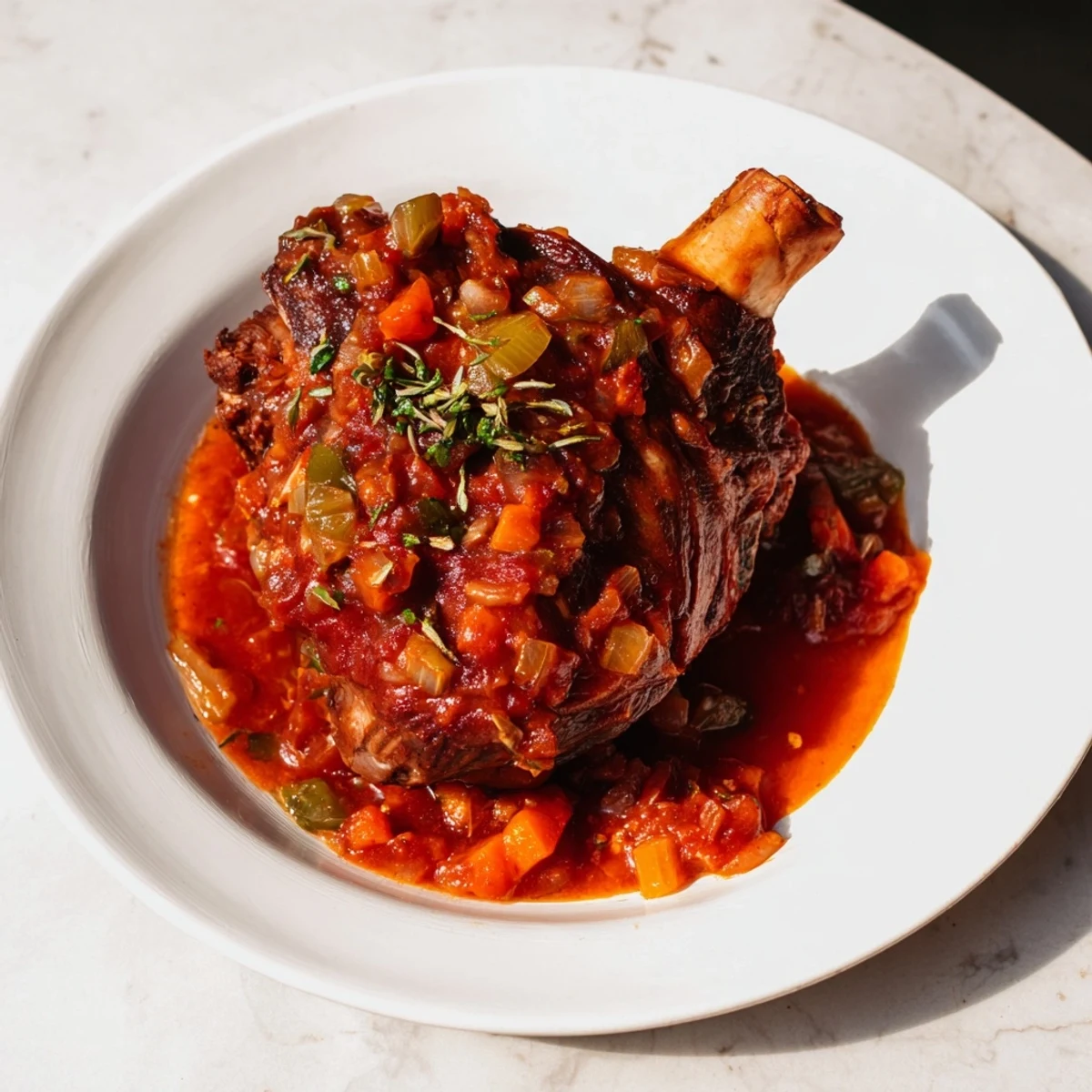
 There's a moment, right when you pull the pot from the oven and lift the lid, when you realize you've made something that matters. The lamb glistening, the sauce clinging, the smell wrapping around everyone in the room. That's when this stops being a recipe and starts being a memory.
What to Serve Alongside
I love spooning this over creamy mashed potatoes that soak up every drop of sauce, but soft polenta is just as good and maybe even more traditional. A simple green salad with lemon dressing cuts through the richness, and crusty bread for mopping the plate is non negotiable.
Making It Ahead
This is one of those rare dishes that actually improves if you make it a day early. Let it cool completely, refrigerate it overnight, then gently reheat it in the oven. The flavors deepen and the sauce thickens into something even more luscious.
Little Tweaks That Matter
Sometimes I tuck a strip of orange zest into the sauce, it adds a brightness you can't quite place. A small pinch of cinnamon makes it feel warmer, almost North African. If you can't find lamb shanks, beef short ribs work beautifully with the same method and timing.
- Taste the sauce before serving and add a pinch of sugar if the tomatoes taste too sharp.
- If the sauce is too thin, simmer it uncovered on the stovetop for a few minutes after braising.
- Always rest the meat before serving so the juices redistribute and every bite stays moist.
 Pin It
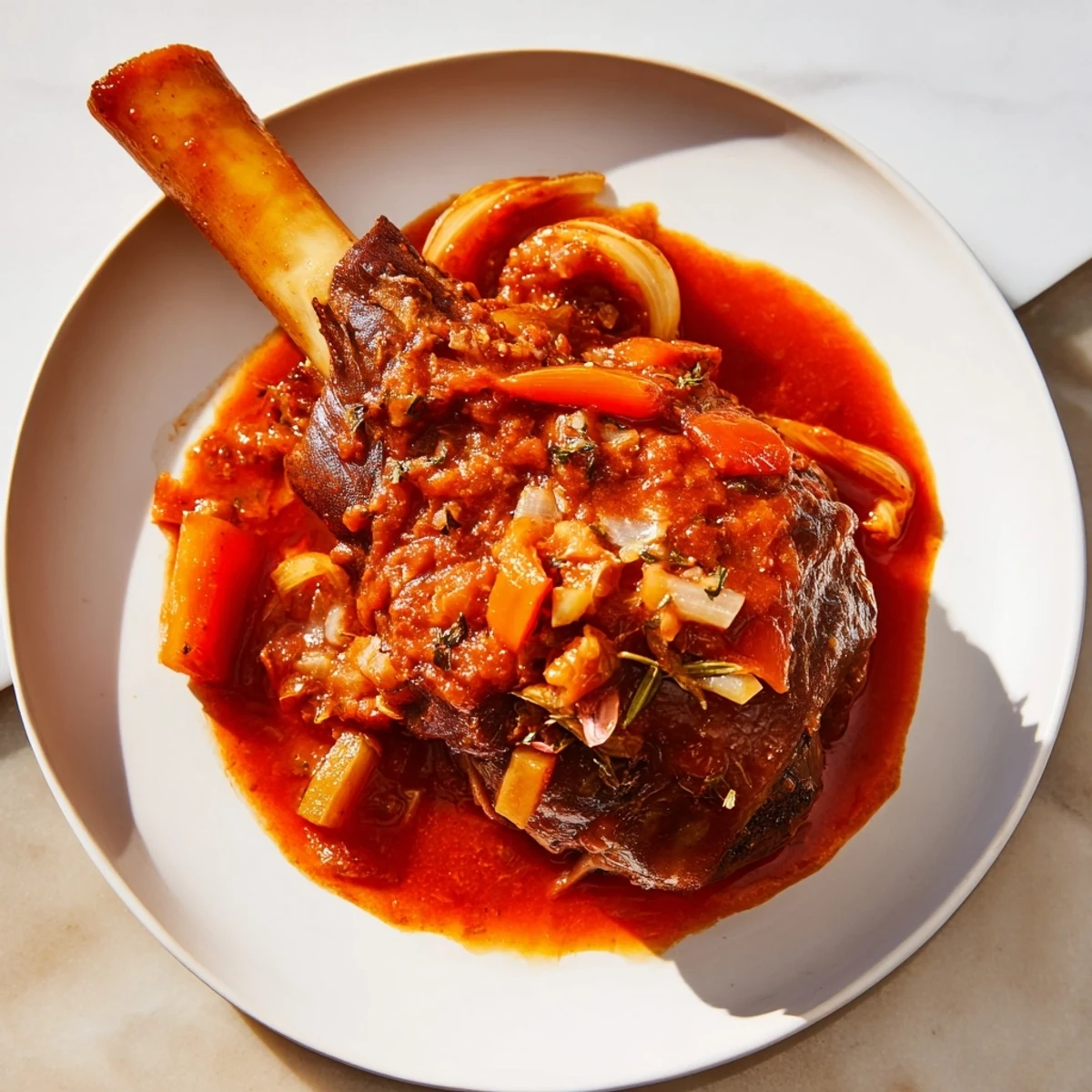
 This is the kind of dish that makes you slow down, that asks you to trust the oven and wait. When you finally sit down to eat, you'll understand why some meals are worth the time.
Recipe Q&A
- → What is the best cut of meat for this dish?
-
Lamb shanks work best due to their rich flavor and ability to become tender with slow cooking.
- → Can I use a different cooking method?
-
Slow braising in the oven or on the stovetop is ideal to break down the connective tissue and develop flavors.
- → What sides pair well with the dish?
-
Creamy mashed potatoes or soft polenta complement the rich sauce and tender meat beautifully.
- → How can I enhance the sauce’s depth?
-
Adding a strip of orange zest or a pinch of cinnamon adds complex aroma and warmth to the sauce.
- → Is it necessary to sear the lamb shanks?
-
Searing locks in juices and creates a flavorful crust that enriches the final sauce.