
 Pin It
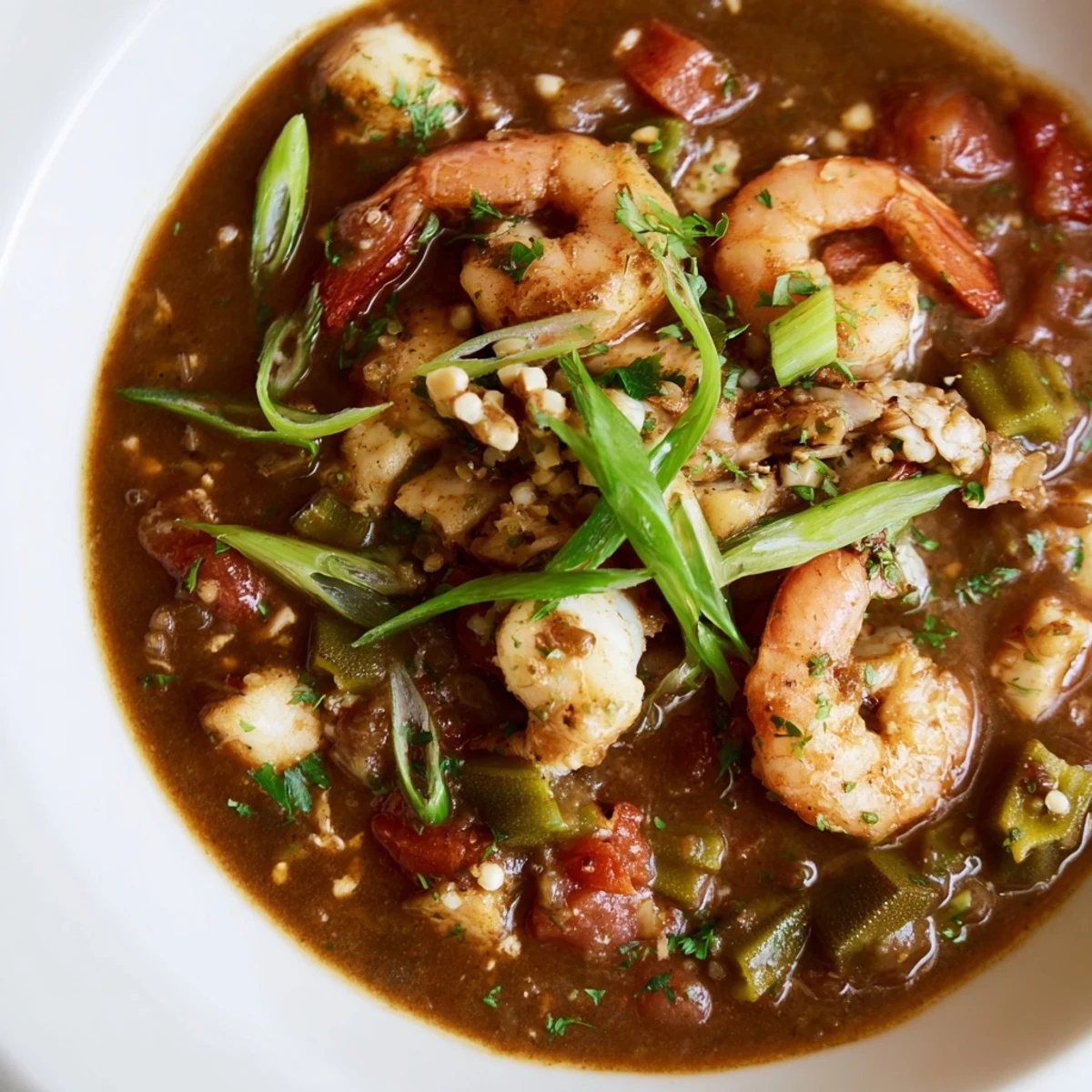
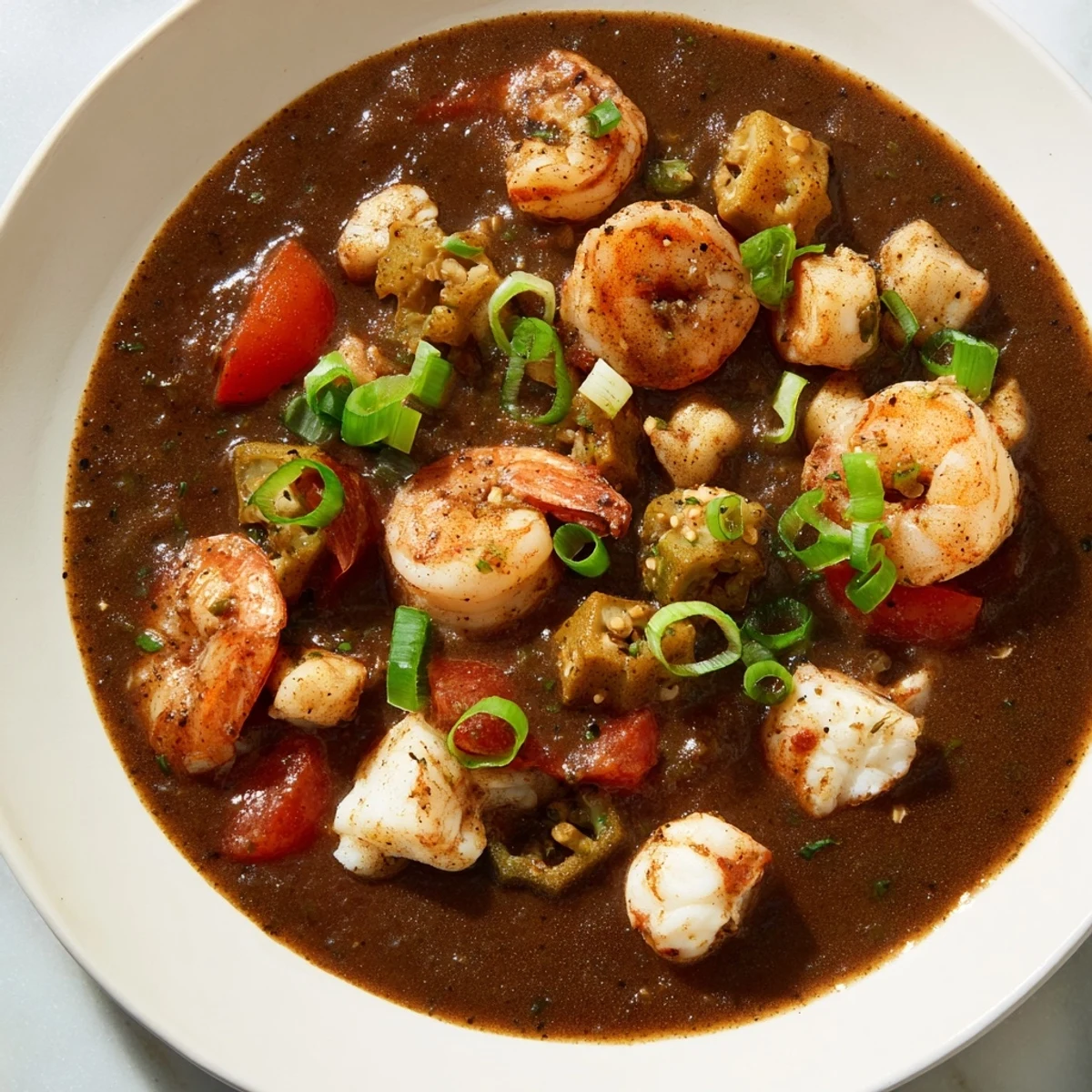
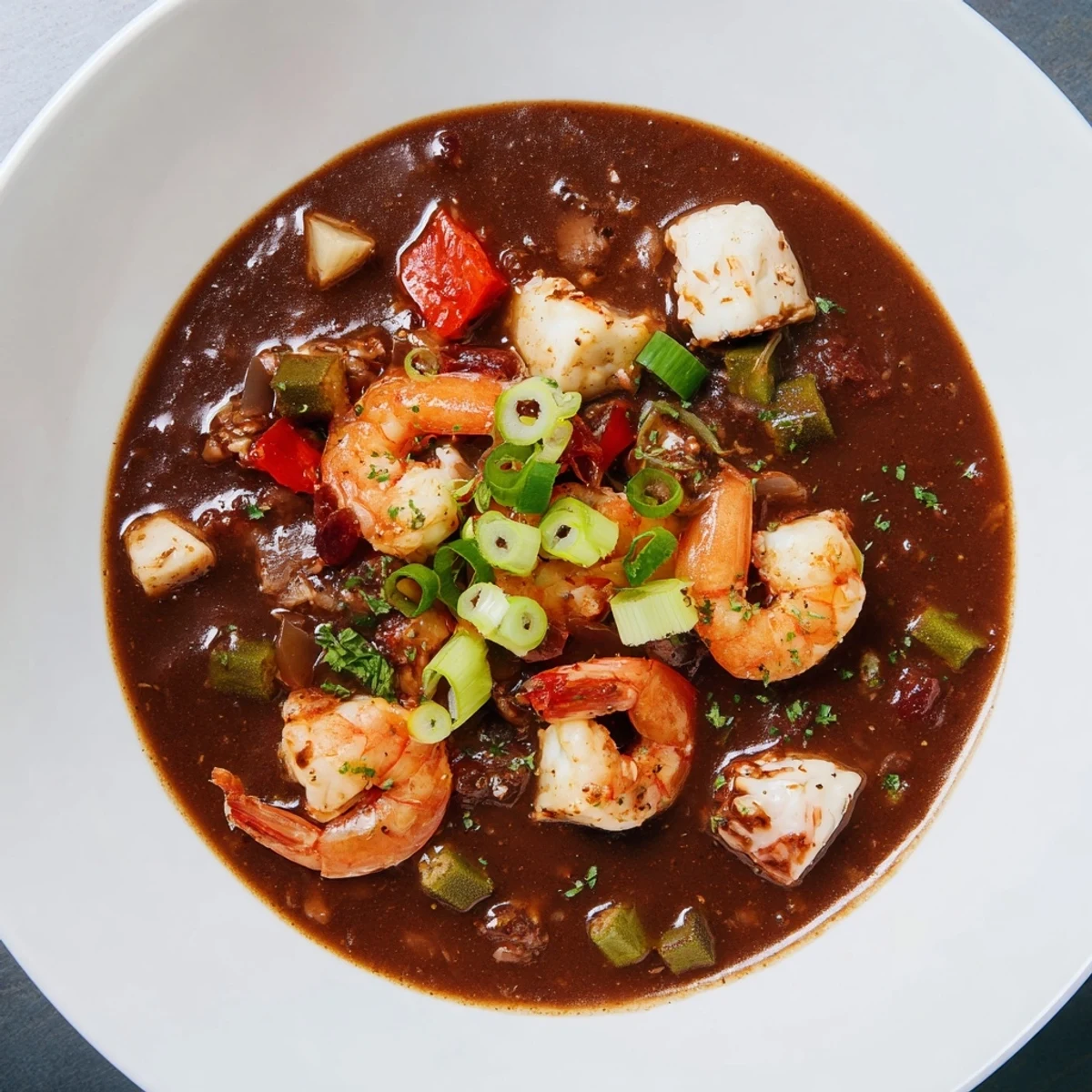
 This Creole stew blends tender shrimp, crab, and white fish with fresh okra and ripe tomatoes, simmered in a dark roux and seasoned with smoked paprika, thyme, and cayenne. Slow cooking enhances the flavors, creating a comforting, hearty dish served over steamed white rice. Garnished with spring onions and parsley, it captures the essence of Louisiana’s culinary heritage with a balanced, bold profile perfect for sharing.
The roux took me three attempts to get right, standing over that cast iron pot until my arm ached and the flour turned the color of an old copper penny. My neighbor's grandmother from Baton Rouge told me that you cannot rush a gumbo, and I learned the hard way that she was absolutely right. Now whenever that deep nutty fragrance fills my kitchen, I know something good is about to happen.
I made this for my sister during a particularly brutal February, when the wind was howling against the windows and we both needed something that felt like a warm embrace. She sat at my counter watching the steam rise off her bowl, took one bite, and quietly asked if I could teach her how to make it someday. That is when I knew this recipe was special.
Ingredients
- Shrimp, crab, and white fish: Using three different seafoods creates layers of flavor and texture, each cooking at its own pace for perfect doneness
- Butter and flour: This roux is the foundation, cooked until it reaches a deep milk chocolate color for that authentic Louisiana depth
- Onion, bell pepper, and celery: The holy trinity of Creole cooking provides the aromatic base that everything else builds upon
- Fresh okra: When cooked properly, okra acts as a natural thickener while adding a lovely earthy flavor to the broth
- Seafood stock: A quality stock makes all the difference, so buy the best you can find or make your own from shrimp shells
- Dried thyme and smoked paprika: These herbs and spices complement the seafood without overpowering its delicate sweetness
Instructions
- Make the roux:
- Melt butter over medium heat, whisk in flour, and stir constantly for 8 to 10 minutes until the mixture smells nutty and turns deep brown like milk chocolate, being patient because this is where all the flavor lives
- Cook the vegetables:
- Add oil to the roux, then stir in onion, bell pepper, celery, and garlic, sautéing for about 5 minutes until everything has softened and the kitchen smells incredible
- Tame the okra:
- Add sliced okra and cook for 5 minutes, stirring frequently, until it softens and loses that slick texture that some people find off-putting
- Add tomatoes and spices:
- Stir in diced tomatoes, bay leaf, thyme, paprika, cayenne, salt, and pepper, letting everything sauté together for 2 minutes to bloom the spices
- Create the broth:
- Gradually pour in the seafood stock while stirring constantly to incorporate the roux smoothly, bring to a gentle simmer, and add Worcestershire sauce and hot sauce
- Let it simmer:
- Let the gumbo simmer uncovered for 30 minutes, stirring occasionally and tasting as you go, allowing all the flavors to marry and the broth to thicken beautifully
- Add the fish:
- Gently fold in the white fish pieces and cook for 5 minutes until just opaque, being careful not to break up the delicate chunks
- Finish with shellfish:
- Stir in shrimp and crab meat and simmer for just 3 to 4 minutes until the shrimp turn pink and everything is heated through, then taste and adjust seasoning before discarding the bay leaf
 Pin It
 This gumbo has become my go-to for birthdays and rainy Sundays alike, the kind of meal that makes people linger at the table long after the bowls are empty. There is something about that rich, briny broth that brings out the best stories and the warmest laughter.
Making It Your Own
I have learned that gumbo is incredibly forgiving once you understand the basics. Sometimes I add andouille sausage when I want extra depth, or swap in crawfish tails during peak season. The roux technique stays the same, but the seafood can shift with what looks fresh at the market.
The Rice Factor
White rice might seem simple, but it is actually the perfect canvas for all those bold flavors. I rinse my rice until the water runs clear before cooking, which keeps each grain separate and fluffy. The rice should be steaming hot when you ladle the gumbo over it, almost absorbing some of that spiced broth into every spoonful.
Timing Your Seafood
Getting the seafood timing right took me some practice, but now I treat it like a choreographed dance. The firm fish goes in first since it needs a few minutes to cook through, then the delicate shrimp and crab at the very end. This way every bite has perfectly cooked seafood, nothing rubbery or falling apart.
- Have all your seafood prepped and ready before you start cooking
- Keep the gentle simmer, never a rolling boil once seafood is added
- Trust your nose, it will tell you when something is done
 Pin It
 There is comfort in knowing that some recipes only get better with time and patience, just like the best parts of life. Serve this gumbo to people you love, and watch how it brings everyone a little closer together.
Recipe Q&A
- → What is the purpose of making a dark roux in this dish?
-
The dark roux provides a rich, nutty base that thickens the stew and deepens its flavor, essential for authentic Creole gumbo.
- → Can I substitute other seafood for shrimp and crab?
-
Yes, alternatives like crawfish or scallops work well and maintain the dish's coastal character.
- → Why is okra used in this stew?
-
Okra adds a subtle texture and helps naturally thicken the stew, while contributing a fresh, earthy flavor.
- → How long should I simmer the stew for best flavor?
-
Simmering about 30 minutes allows the roux to meld with the stock and spices, enriching the overall taste.
- → What sides pair well with this seafood stew?
-
Steamed white rice balances the robust flavors and provides a neutral base to enjoy every spoonful.