
 Pin It
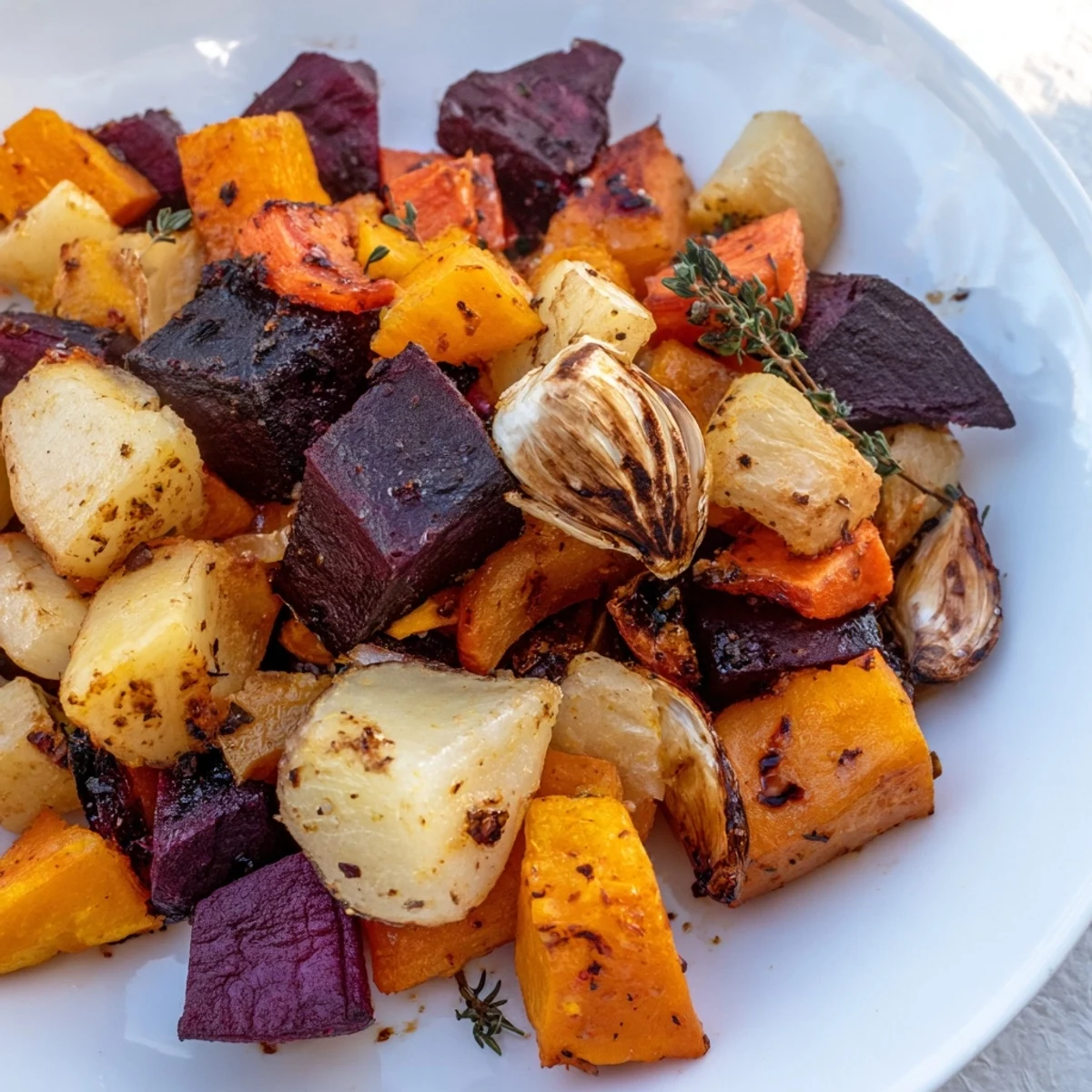
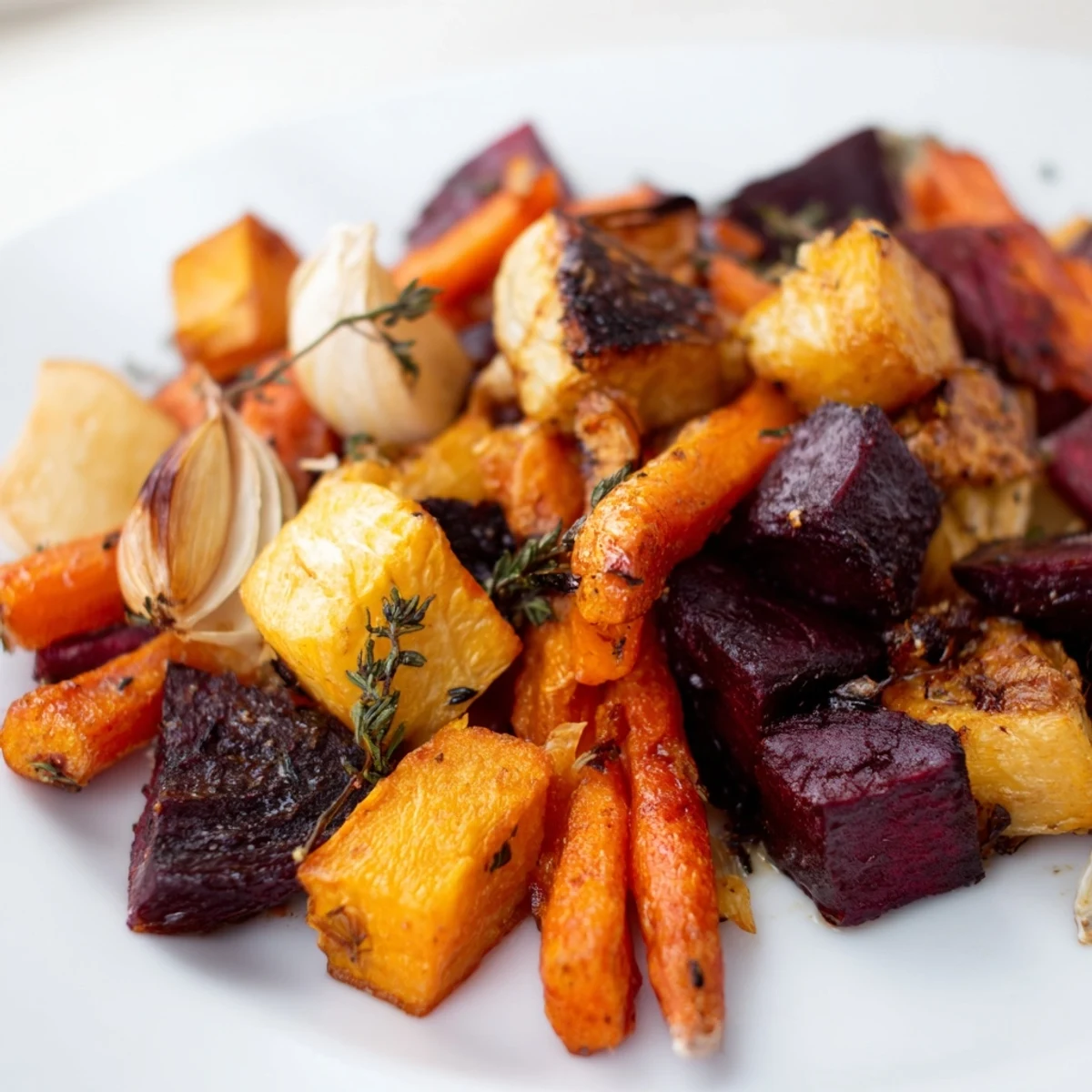
 This dish features a colorful mix of carrots, parsnips, beets, and sweet potato, seasoned with fresh thyme, garlic, olive oil, sea salt, and black pepper. The vegetables are coated evenly and roasted at a high temperature until tender and golden, enhancing their natural sweetness. Simple to prepare, this side pairs well with roasted meats or hearty salads, offering a comforting and wholesome flavor profile.
There's something about the smell of root vegetables hitting hot oil that pulls me back to a November afternoon when my neighbor knocked on my door with a basket overflowing with carrots, beets, and parsnips from her garden. I had no plan, just a handful of fresh thyme from my windowsill and maybe thirty minutes before guests arrived. Those roasted roots, tossed with garlic and olive oil, became the dish everyone asked about that night—proof that sometimes the simplest ingredients need only heat and time to become something remarkable.
My daughter once asked why I kept making this when we had pasta and chicken in the house. Then she actually ate a golden beet wedge and went quiet—that moment when food stops being obligation and becomes pleasure. Now she requests it, which says everything about how these humble roots transform under the right conditions.
Ingredients
- 2 large carrots, cut into 1-inch chunks: Their natural sugars concentrate during roasting, turning almost candy-like at the edges where they catch heat.
- 2 parsnips, cut into 1-inch chunks: Earthier than carrots but with a delicate sweetness that emerges once roasted; peel them just before cutting so they don't discolor.
- 2 medium beets, cut into 1-inch chunks: Will stain your cutting board crimson, but their earthy depth is irreplaceable—don't skip them just for the mess.
- 1 small sweet potato, cut into 1-inch chunks: Adds creaminess and helps balance the sharper root vegetables with genuine sweetness.
- 2 tablespoons olive oil: Use one you actually enjoy tasting, since it's the main fat here and it matters.
- 1 tablespoon fresh thyme leaves (or 1 teaspoon dried): Fresh thyme gives a brighter, peppery note; dried is stronger, so adjust to your preference.
- 3 garlic cloves, smashed: Smashing rather than mincing lets them soften into a mild, sweet presence instead of staying sharp.
- 1 teaspoon sea salt and ½ teaspoon black pepper: Taste as you go—you might want slightly more depending on your oil and how reduced everything becomes.
Instructions
- Heat your oven and prep your stage:
- Set the oven to 425°F and line your baking sheet with parchment—this prevents sticking and makes cleanup feel less like punishment. Parchment isn't strictly required, but it changes the game.
- Gather and cut your vegetables:
- Uniform 1-inch chunks cook evenly, so take a breath and aim for consistency rather than perfection. The beets will stain your hands, but that's part of the ritual.
- Toss everything together with intention:
- In a large bowl, combine all vegetables, then drizzle with olive oil and scatter thyme, salt, pepper, and smashed garlic over everything. Toss until each piece glistens and the thyme is distributed—this coating is what creates that golden exterior.
- Spread and roast:
- Arrange vegetables in a single layer so they have space to caramelize, not steam. Roast for 35–40 minutes, turning once halfway through, until the edges are deep golden and a fork passes through easily.
- Finish and serve:
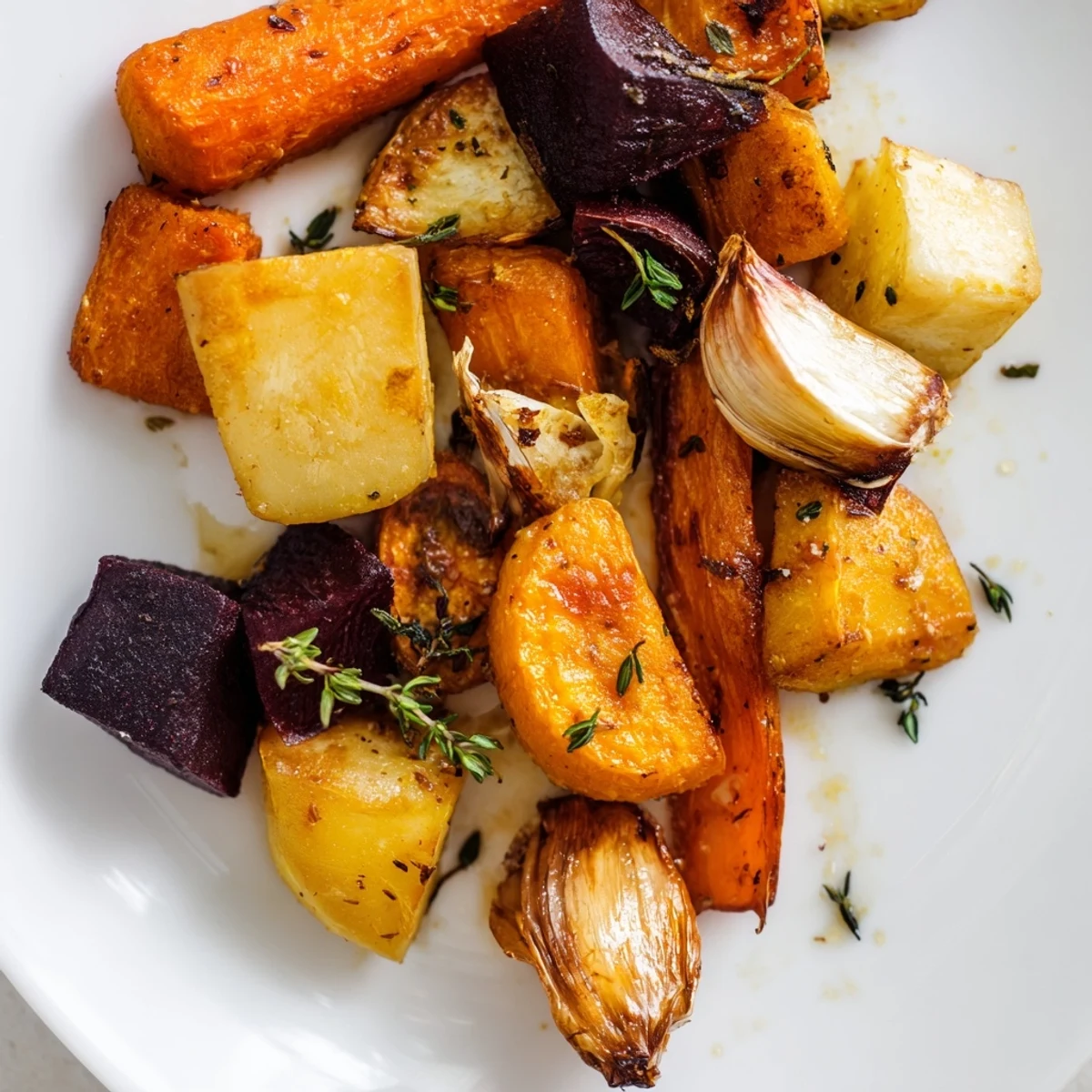
- Remove from the oven and discard the garlic cloves if you prefer, or leave them for those who enjoy the mellow sweetness they've developed. Serve hot, with a whisper of extra fresh thyme if you have it.
 Pin It
 I've served these alongside a quiet Sunday dinner where nobody reached for their phones, and I've brought them to potlucks where they disappeared before the main course was done. There's a confidence in offering something this simple and this good—no pretense, just vegetables that taste like themselves, but better.
Why Root Vegetables Deserve This Treatment
Roasting transforms root vegetables into something most people forget they loved about vegetables to begin with. Where boiling or steaming turns them soft and watery, high heat caramelizes their natural sugars, creating a contrast between crispy edges and creamy insides. The thyme and garlic don't overpower; they whisper, letting each vegetable's personality emerge. It's a cooking method that respects the ingredient rather than masking it.
Building Flavor Through Simplicity
The magic here lies in restraint. Too many cooks reach for honey, balsamic, or rosemary when roasting roots, but honestly, those can eclipse the quiet beauty of what's already there. A gentle hand with seasonings lets you actually taste carrot, beet, parsnip, and sweet potato as distinct characters in the same ensemble. Olive oil is the vehicle; thyme is the quiet note that makes you wonder what you're tasting.
Variations and Occasions
Once you understand the formula, you'll find yourself reaching for it all year. Winter calls for this as written; spring might invite fresh dill or tarragon instead of thyme; summer versions pair beautifully with lemon zest stirred in just before serving. Some nights I add a turnip or rutabaga if they're what I have, and the dish adapts without complaint.
- A light drizzle of honey before roasting adds sweetness for non-vegan occasions—apply it carefully so it doesn't burn.
- Try adding citrus zest or a squeeze of fresh lemon once everything comes out of the oven for brightness.
- Extra thyme sprinkled just before serving gives a fresh visual moment and an herbal reminder of why you made the effort.
 Pin It
 Roasted roots are the kind of dish that makes people eat their vegetables without thinking about it. Make them once and they'll ask for them again.
Recipe Q&A
- → What root vegetables work best for roasting?
-
Carrots, parsnips, beets, and sweet potatoes provide a balance of sweetness and texture when roasted together.
- → How do I ensure the vegetables roast evenly?
-
Cut root vegetables into uniform 1-inch chunks and spread them in a single layer to promote even cooking.
- → Can I use dried thyme instead of fresh?
-
Yes, dried thyme works well—use about one-third the amount of fresh thyme for a similar flavor.
- → Should garlic be left whole or chopped for roasting?
-
Smashing the garlic cloves allows a subtle infusion of flavor without overpowering the dish.
- → What is the ideal oven temperature for roasting these vegetables?
-
Roasting at 425°F (220°C) helps caramelize the edges while keeping the interior tender.