
 Pin It
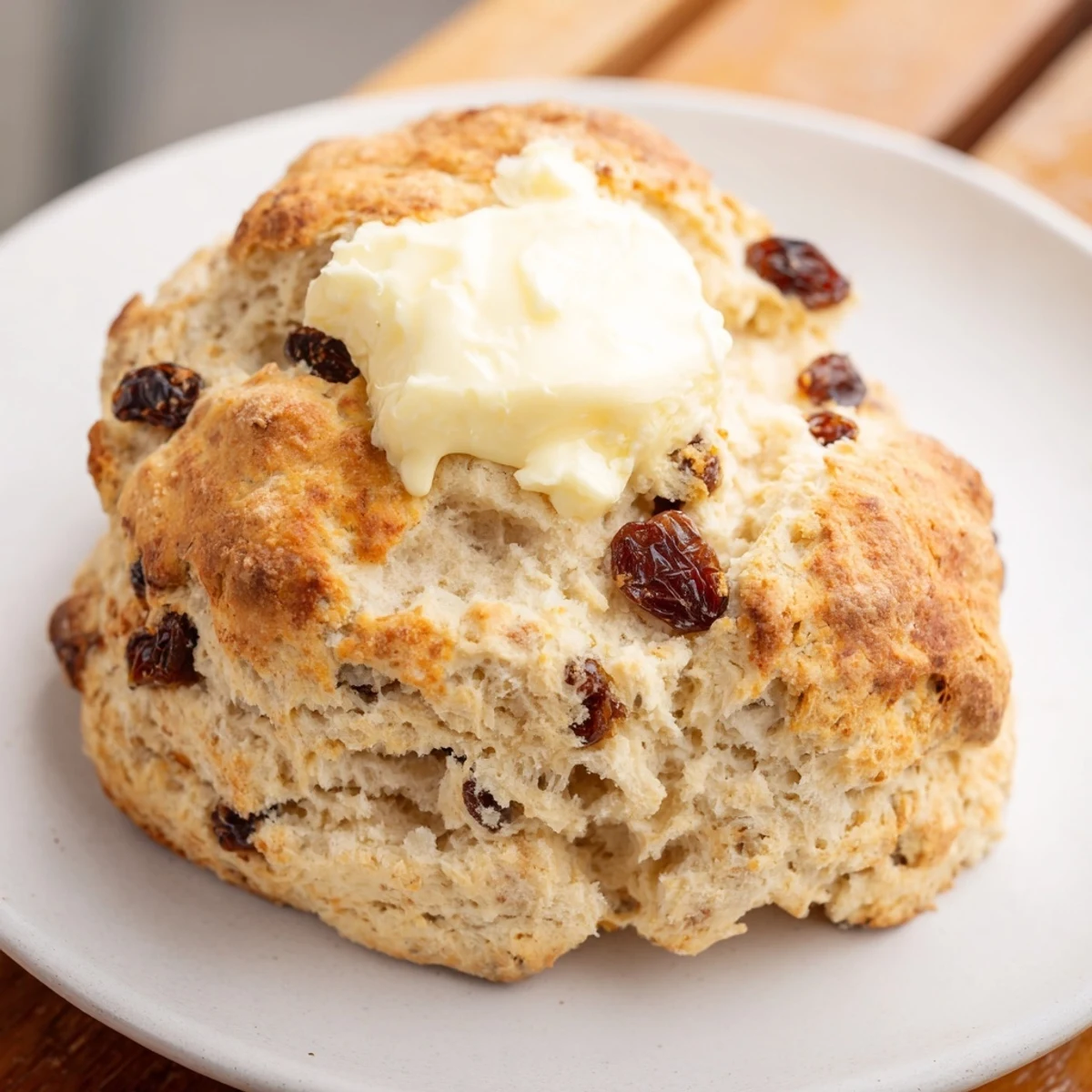
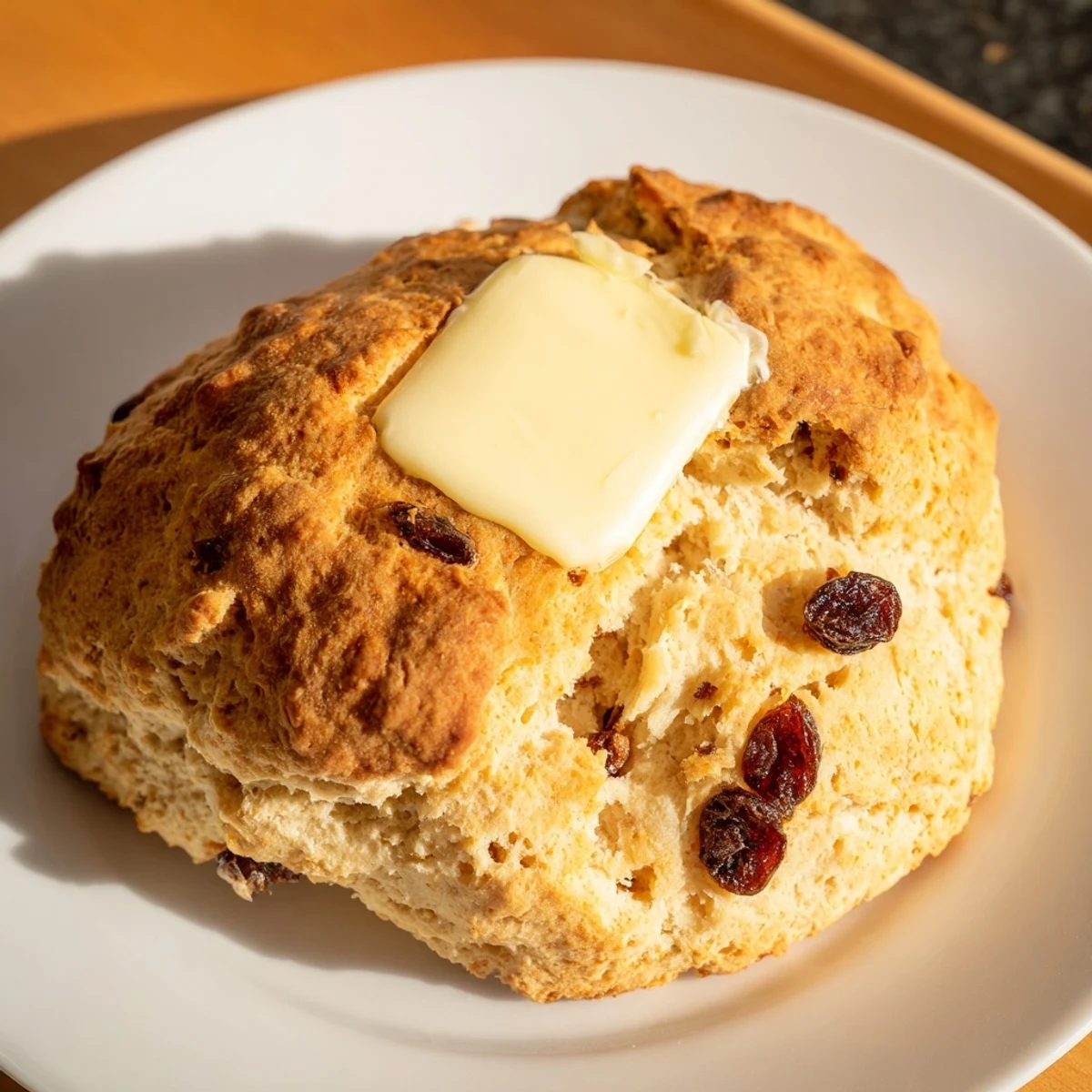
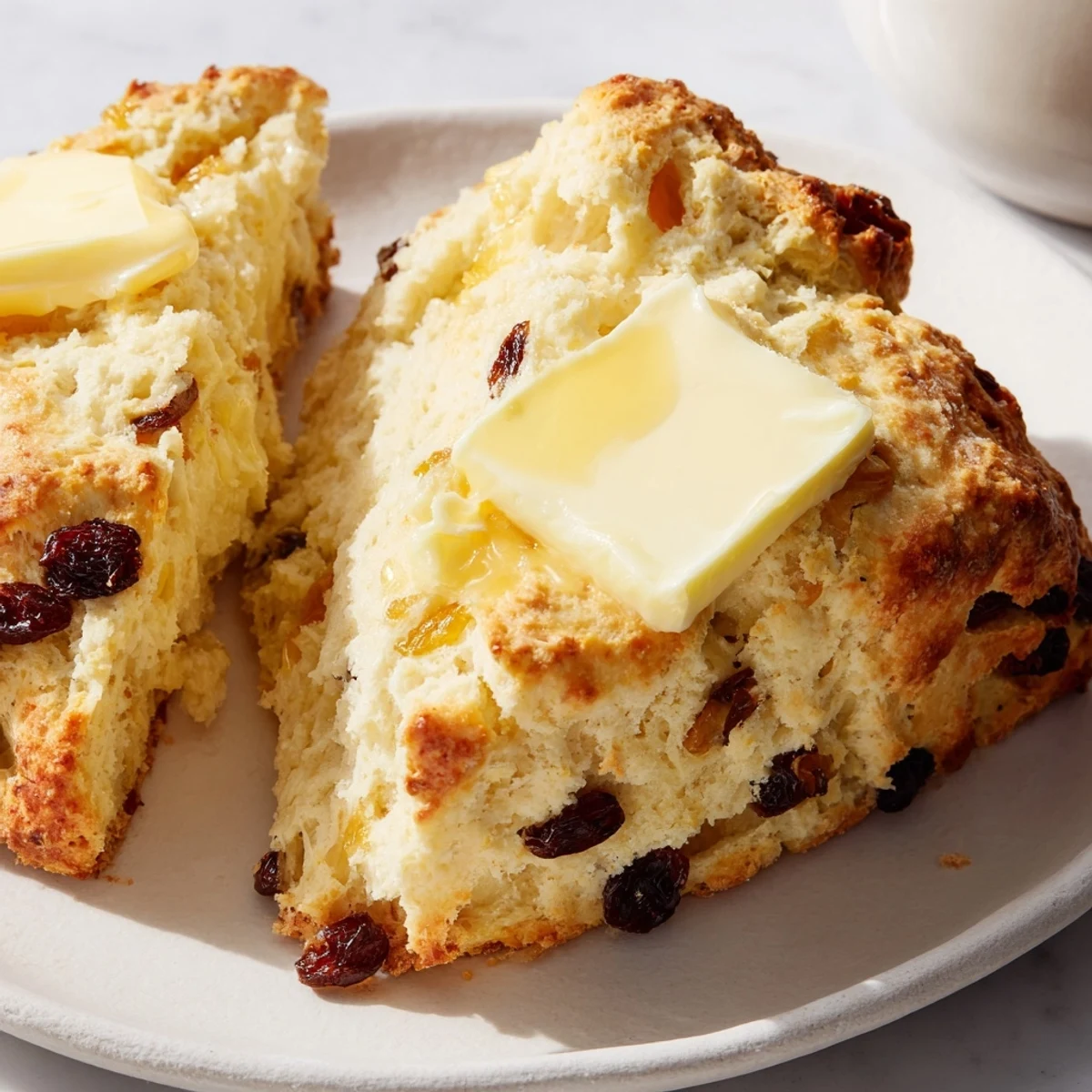
 These Irish soda bread scones feature a tender, fluffy interior balanced by a golden, slightly crisp crust. Made with simple ingredients like flour, buttermilk, and baking soda, they bring a rustic charm inspired by traditional Irish soda bread. Raisins or currants add a gentle sweetness, while serving them warm with softened butter creates a comforting, flavorful experience. The dough is gently mixed to ensure lightness, baked to perfection in about 18 minutes, making these scones a quick and easy favorite for breakfast or any time of day.
The first time I made these, my kitchen smelled exactly like my grandmother's house on Sunday mornings—warm flour, sweet raisins, and that unmistakable soda bread aroma that makes you feel safe somehow. I'd been intimidated by bread baking for years, convinced yeast would somehow sense my fear and refuse to rise. These scones changed everything about how I approach baking. Now they're my go-to when I need something impressive but actually foolproof.
Last winter, during that week where it snowed for three days straight, my neighbor came over with a pot of tea and we ate these warm from the oven, watching the snow pile up outside my kitchen window. She asked for the recipe before she even finished her first scone, butter melting into the crumb. Something about the simplicity of this bread makes it perfect for those slow mornings when time feels like it's stretching out just for you.
Ingredients
- 2 cups all-purpose flour: I've learned not to pack the measuring cup—scoop it lightly and level off with a knife for the tenderest crumb
- 2 tbsp granulated sugar: Just enough to notice without making these sweet like dessert
- 1 tsp baking soda and 1 tsp baking powder: This double leavening is what gives them their characteristic rise and that slightly rustic texture
- 1/2 tsp salt: Don't skip this—it balances the sweetness and brings out the flour's flavor
- 1/2 cup raisins or currants: Soak them in warm water for 10 minutes first if they're looking dried out
- 1 cup cold buttermilk: The cold temperature matters here—if you only have regular milk, add a tablespoon of vinegar and let it sit for 5 minutes
- 1 large egg: Room temperature eggs incorporate better into the dough
- 1/4 cup melted butter: Melt it first and let it cool slightly so it doesn't scramble the egg when you whisk them together
Instructions
- Get your oven ready first:
- Preheat to 400°F and line a baking sheet with parchment paper—I learned the hard way that burnt sugar and raisins stick forever to bare metal
- Mix your dry ingredients:
- Whisk flour, sugar, baking soda, baking powder, and salt in a large bowl, then toss in the raisins so they're evenly distributed
- Whisk the wet ingredients together:
- Combine the buttermilk, egg, and melted butter in a separate bowl until smooth
- Bring everything together gently:
- Pour the wet mixture into the dry and fold with a spatula until just combined—the dough should look shaggy and slightly sticky
- Shape without overworking:
- Turn the dough onto a floured surface and pat it into a 1-inch-thick round—don't knead it, just bring it together with your hands
- Cut and arrange:
- Use a floured cutter and press straight down without twisting, then place on the baking sheet
- Bake until golden:
- 16 to 18 minutes is usually perfect—they're done when the tops are golden brown and a toothpick comes out clean
- Serve them warm:
- Let them cool for just a few minutes on the baking sheet before splitting and adding butter
 Pin It
 My daughter helped me make a batch last weekend and insisted on cutting all the scones herself—some came out triangular, some round, all perfect. She ate three in a row standing at the counter, not even waiting for the butter. That's when I knew this recipe had become part of our family's story, not just something I pulled from a cookbook.
Making Them Your Own
I've experimented with adding orange zest to the dough, which gives them a lovely brightness that cuts through the richness. A friend swears by substituting half the all-purpose flour with whole wheat for a nuttier flavor and more substantial texture. The key is keeping the total flour amount the same so the ratios stay balanced.
The Buttermilk Secret
Buttermilk's acidity activates the baking soda and creates those tiny bubbles that make the bread tender. If you don't keep buttermilk on hand, you can fake it with a cup of regular milk plus a tablespoon of white vinegar. Let it sit for five minutes until it thickens slightly—it won't be exactly the same, but it'll get you remarkably close.
Freezing For Later
You can freeze unbaked scones on a baking sheet, then transfer them to a bag once they're solid. Bake from frozen, adding a couple of extra minutes to the cooking time. This has saved me more times than I can count when unexpected guests show up or I just need a warm bread fix without the effort.
- Brush the tops with a little extra buttermilk before baking for a deeper golden color
- Space the scones at least 2 inches apart on the baking sheet so they bake evenly
- If you want a sweeter version, sprinkle coarse sugar on top before they go in the oven
 Pin It
 There's something deeply satisfying about a recipe that connects you to generations of bakers while still feeling fresh and modern every time you make it. I hope these scones find their way into your own kitchen memories.
Recipe Q&A
- → What makes Irish soda bread scones different from regular scones?
-
These scones use baking soda and buttermilk as leavening agents, giving them a tender crumb and a mildly tangy flavor, inspired by Irish soda bread traditions.
- → Can I substitute raisins with other dried fruits?
-
Yes, dried cranberries, currants, or chopped dried apricots can be used to suit your taste preferences.
- → How do I achieve a golden crust on the scones?
-
Brushing the scone tops lightly with buttermilk before baking helps develop a golden, slightly crisp crust.
- → What is the best way to mix the dough?
-
Gently stir the wet and dry ingredients until just combined to keep the scones tender and prevent toughness from overmixing.
- → Can I make the scones ahead of time?
-
You can prepare the dough in advance, keep it chilled, and bake fresh when ready to maintain freshness and texture.
- → Are these scones suitable for a vegetarian diet?
-
Yes, the ingredients include dairy and egg but contain no meat products, aligning with vegetarian dietary needs.