 Pin It
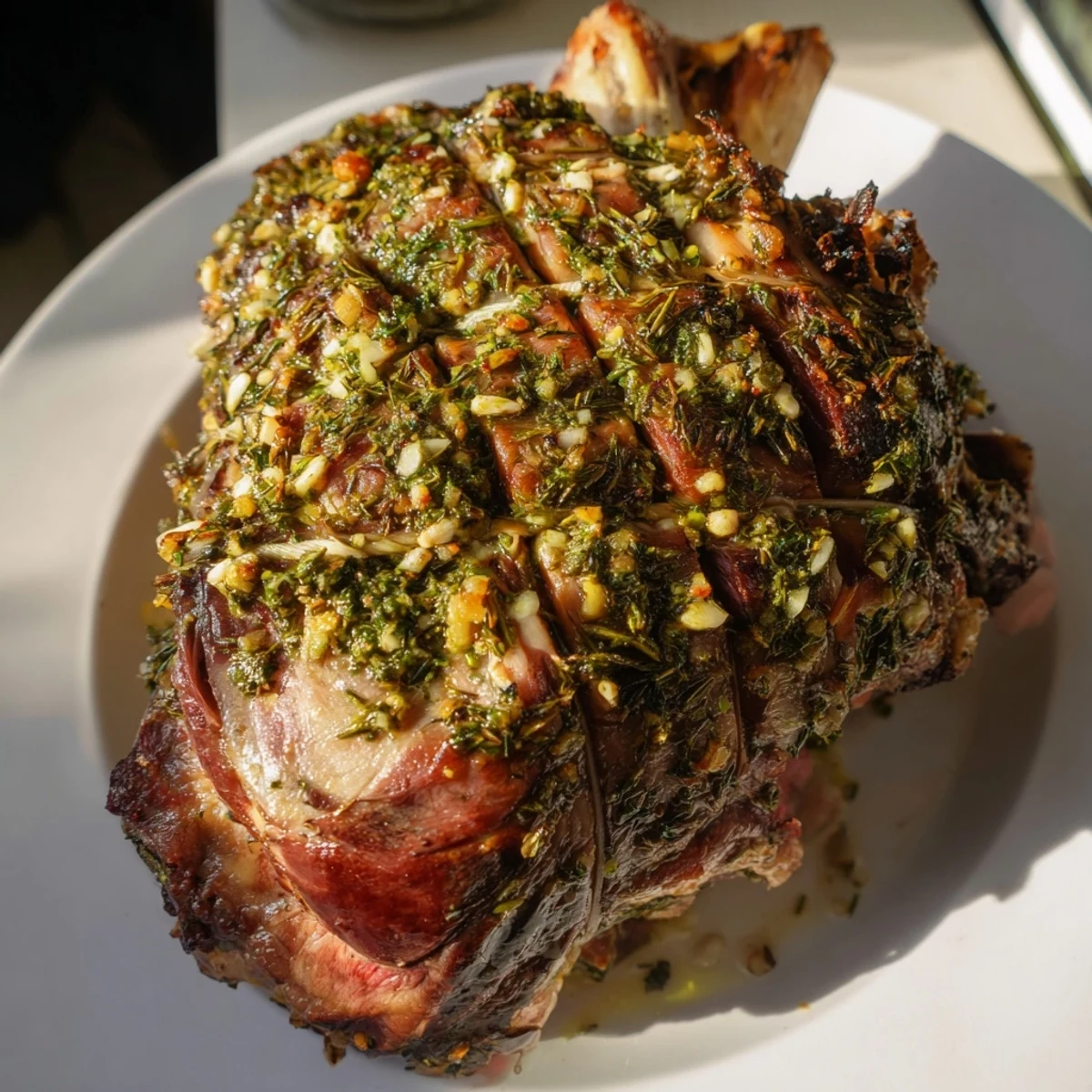
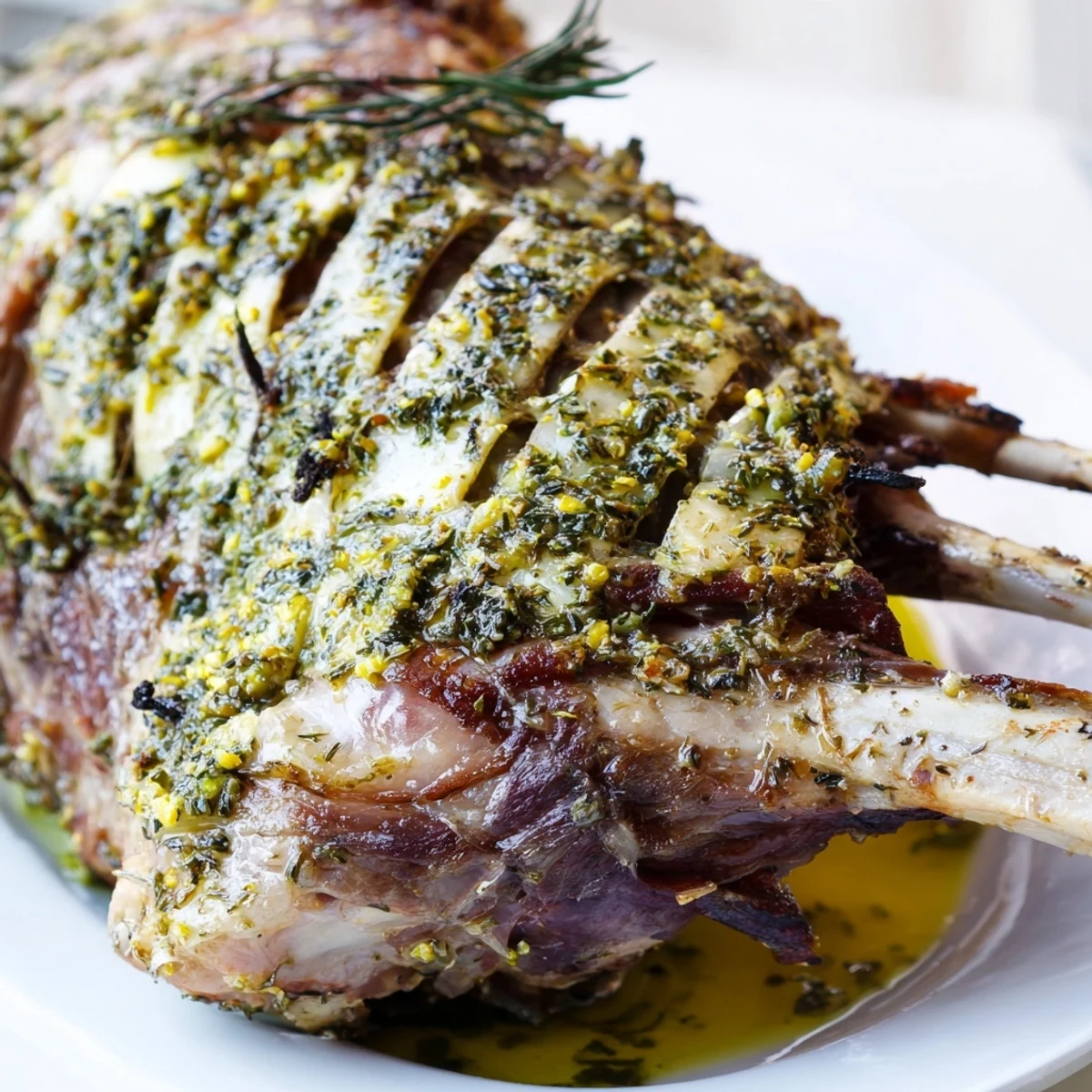
 This Mediterranean-inspired lamb shoulder is slow-cooked with a fragrant blend of garlic, rosemary, thyme, parsley, and oregano. The lamb is scored and rubbed with an herb paste, then roasted atop a bed of onions, carrots, and celery, absorbing rich flavors throughout the slow roasting process. Finished with a high-heat roast for a golden crust, this dish yields tender, juicy meat perfect for family dinners or special occasions. Resting before carving ensures maximum juiciness. Pair with roasted potatoes or fresh salad for a complete meal.
There was a Sunday when my neighbor stopped by with a bottle of wine, and I'd just pulled a glistening lamb shoulder from the oven—the kitchen smelled like garlic and wild herbs, and she asked for the recipe before we'd even sat down. That was the moment I realized this dish had something special: it felt fancy enough for celebration but tastes like home. The slow roast, the way the herbs meld with the meat over hours, the golden crust that forms—it's become my go-to when I want to impress without the stress.
I made this for my sister's birthday dinner last spring, and what I remember most isn't the compliments—it was the quiet moment when everyone just stopped talking to eat. The vegetables had caramelized underneath the lamb, soaking up every drop of juice, and that's when I understood why this recipe had earned its place at my table again and again.
Ingredients
- Lamb shoulder (2.5–3 kg / 5–6.5 lb): Bone-in is essential—the bone adds incredible depth to the pan juices and helps the meat cook evenly. Ask your butcher to score the fat lightly if you prefer less trim.
- Garlic (6 cloves, minced): Fresh garlic makes all the difference; don't use jarred here because you want those clean, sharp notes to shine through the roasting.
- Fresh herbs (rosemary, thyme, parsley, oregano): Use fresh whenever possible—dried oregano is acceptable if that's what you have, but fresh herbs create an incomparable fragrance and flavor depth.
- Lemon (zested and juiced): The zest adds brightness while the juice tenderizes the meat slightly and brings balance to the rich lamb.
- Olive oil (1/4 cup): Quality matters here since it's part of the crust; a good extra-virgin oil lifts the entire dish.
- Onions, carrots, celery: These aren't just flavor—they become a tender bed that prevents sticking and catch all the drippings for the most incredible pan sauce.
- Broth (1 cup): Chicken or beef both work, but beef creates a deeper, more savory finish.
Instructions
- Make the herb paste:
- Combine your minced garlic, chopped herbs, lemon zest and juice, salt, pepper, and olive oil in a small bowl until you have a thick, fragrant mixture. Smell it—if it makes you happy, you're on the right track.
- Prepare the lamb:
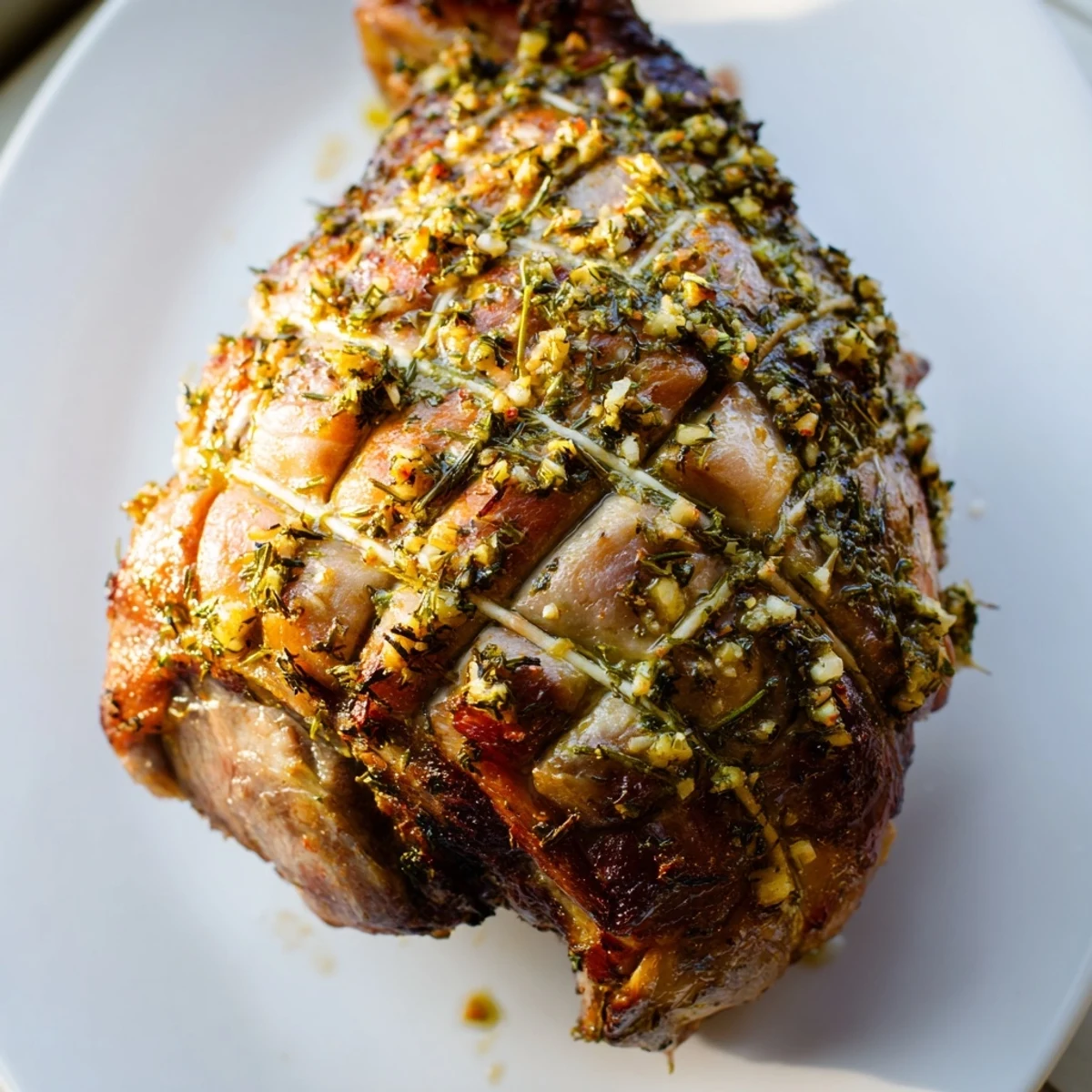
- Pat the shoulder completely dry (this helps the crust form), then use a sharp knife to score the fat in a crosshatch pattern, cutting just through the fat layer. This helps the heat penetrate and gives the seasonings more surface area to grip.
- Apply the herb crust:
- Rub that paste all over the lamb, pressing it firmly into the scores and getting it into every crevice. Don't be shy—this is where all your flavor comes from.
- Build your roasting pan:
- Scatter your sliced onions, carrot chunks, and celery pieces across the bottom of a large roasting pan, creating a vegetable raft. Set the lamb on top, fat-side up, and pour the broth around (never over) the meat.
- The long roast:
- Cover the pan tightly with foil and slide it into a 160°C (325°F) oven for 2.5 hours. The foil traps steam, keeping the lamb moist while it cooks gently. You can walk away—this is the beauty of this method.
- The golden finish:
- Remove the foil, bump the oven to 200°C (400°F), and roast uncovered for another 30 minutes, basting the lamb with pan juices every 10 minutes or so. Watch it turn golden and gorgeous.
- Rest and serve:
- Transfer the lamb to a cutting board, cover it loosely with foil, and let it rest for 15 minutes—this keeps the meat juicy when you carve. Serve with those caramelized vegetables and spoon the pan juices over everything.
 Pin It
 What strikes me most about this recipe is how it transforms a humble shoulder into something that feels like a celebration. There's something almost meditative about the hours of roasting, knowing that time and gentle heat are doing the work while you get to relax.
A Note on Preparation
The beauty of this dish is that almost everything happens before the oven door closes. If you have the time, prepare the herb paste the night before and rub it onto the lamb, then refrigerate it covered—the flavors meld overnight and the result is even more aromatic. In the morning, you simply bring it to room temperature for 30 minutes and roast. This flexibility makes it perfect for hosting, since your actual cooking time on the day is minimal.
Flavor Building and Variations
While this herb blend is classic Mediterranean, I've learned that lamb is forgiving and delicious with creative tweaks. Try adding a tablespoon of Dijon mustard to the paste for subtle sharpness, or swap half the rosemary for fresh mint if you want a brighter, cooler edge. Some cooks add a splash of red wine to the broth for extra richness. The core technique stays the same—what changes is only the accent notes, and that's where you can make it your own.
Serving and Leftovers
Serve this alongside roasted potatoes, tender green beans, or a crisp salad to cut through the richness of the lamb. The pan juices are liquid gold—never discard them. Strain them if you want something clean, or leave in the soft vegetables for a rustic, chunky sauce. Leftovers are honestly better the next day: cold lamb makes extraordinary sandwiches with mustard and fresh greens, or shred the meat and warm it gently with any remaining pan sauce for a cozy dinner that tastes like a second celebration.
- A bold red like Syrah, Cabernet Sauvignon, or even a Châteauneuf-du-Pape pairs beautifully with this dish.
- If you don't have fresh herbs, you can substitute dried at roughly one-third the quantity, though the flavor won't be quite as bright and alive.
- Store leftovers in an airtight container for up to four days, or freeze the shredded meat for up to three months.
 Pin It
 This lamb shoulder has become my answer to the question, 'What should I make for something special?' because it delivers on every level without asking for stress in return. Once you make it, you'll understand why.
Recipe Q&A
- → How do I prepare the herb paste for the lamb?
-
Combine minced garlic, fresh rosemary, thyme, parsley, oregano, lemon zest and juice, salt, pepper, and olive oil into a paste. Rub this thoroughly over the scored lamb shoulder before roasting.
- → What roasting temperature and time are best for tender lamb?
-
Start roasting at 160°C (325°F) covered for 2.5 hours, then uncover, increase to 200°C (400°F), and roast for an additional 30 minutes to develop a golden crust and tender meat.
- → Can I marinate the lamb in advance?
-
Yes, marinating the lamb shoulder overnight in the herb paste enhances flavor and tenderness.
- → What vegetables complement the lamb during roasting?
-
Onions, carrots, and celery are placed beneath the lamb, adding moisture and aromatic flavors during roasting.
- → How should I serve leftovers?
-
Leftovers work well in sandwiches or wraps, maintaining the rich herb and garlic flavors for delicious meals the next day.
- → Which wines pair well with this dish?
-
Bold reds like Syrah or Cabernet Sauvignon complement the robust flavors of the garlic herb lamb shoulder.