
 Pin It
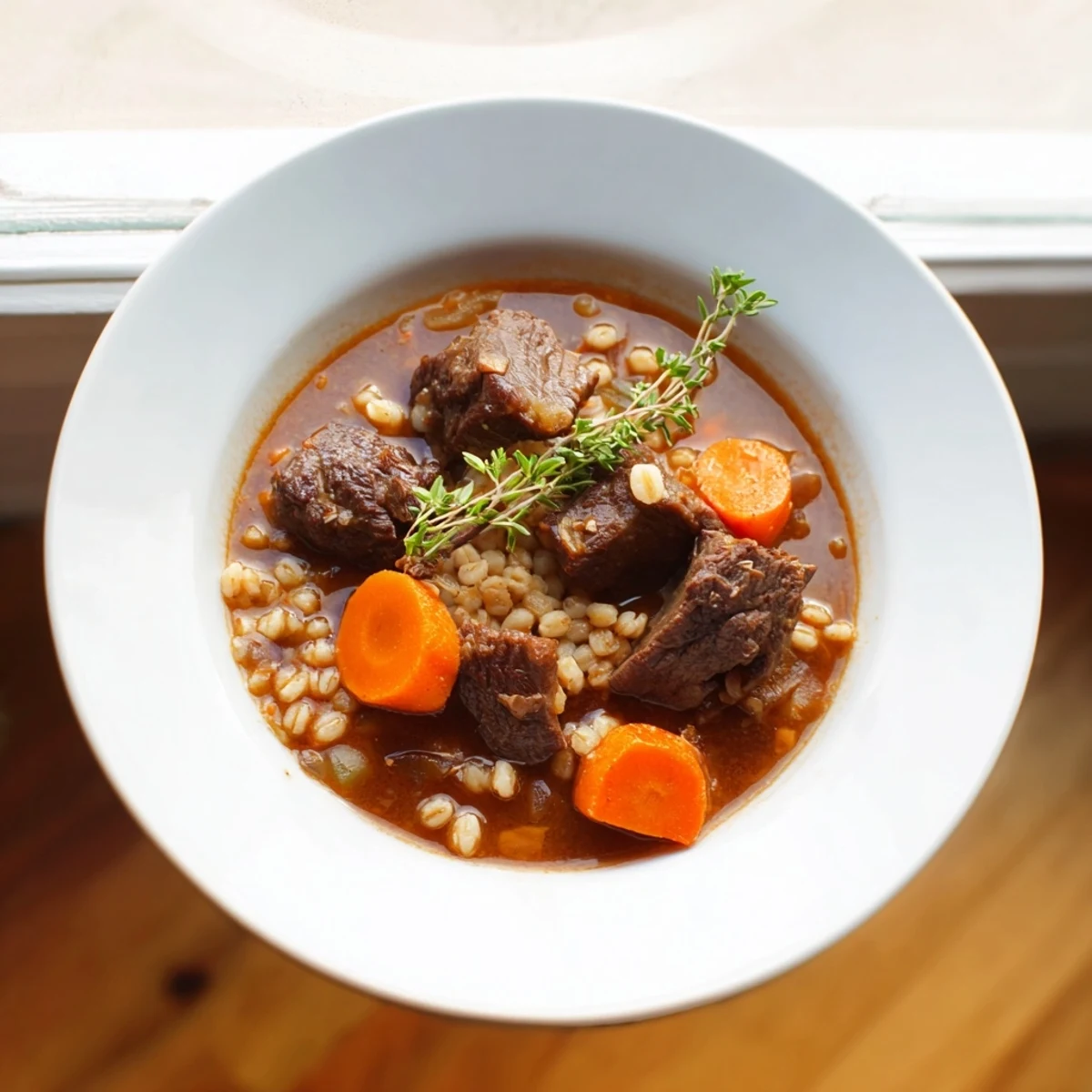
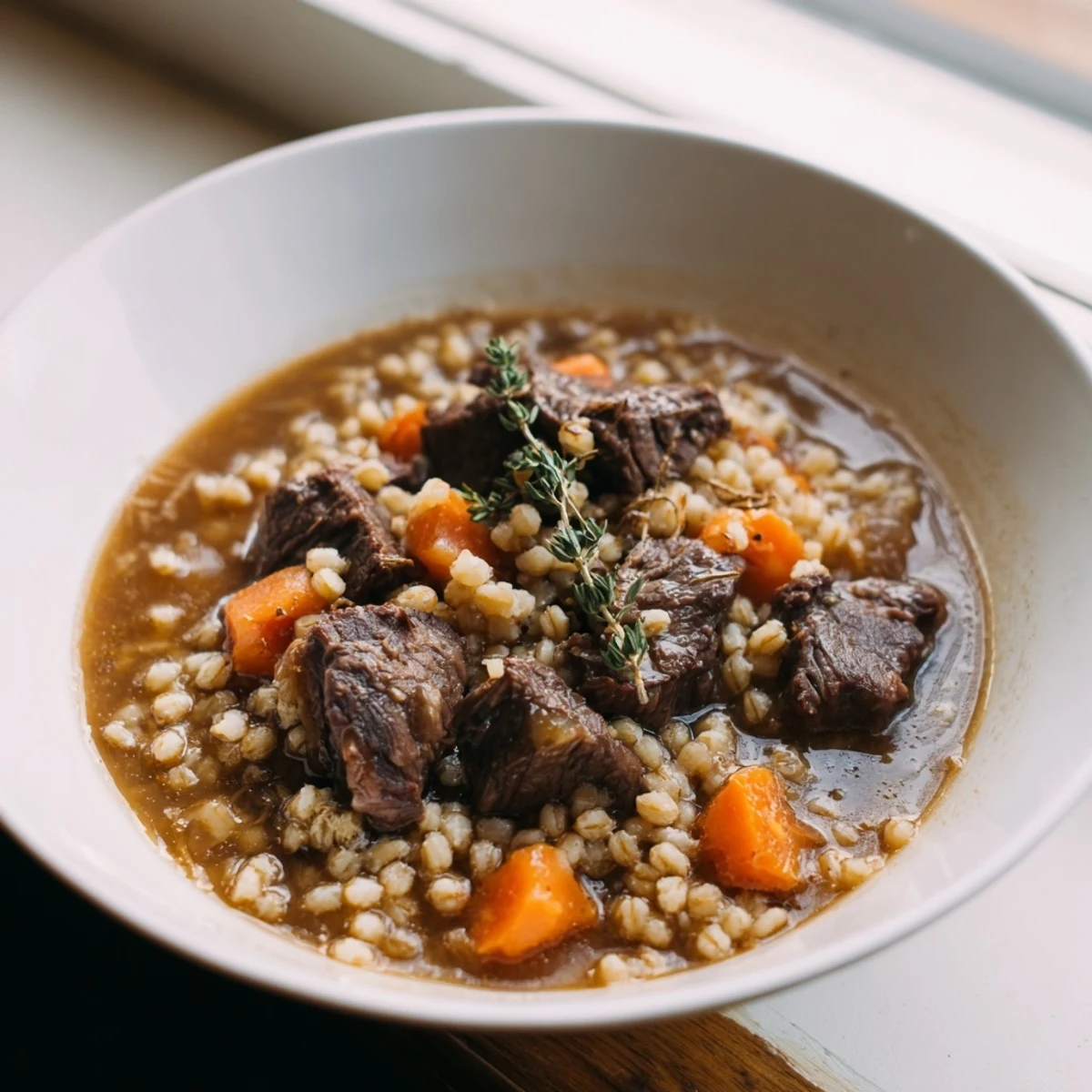
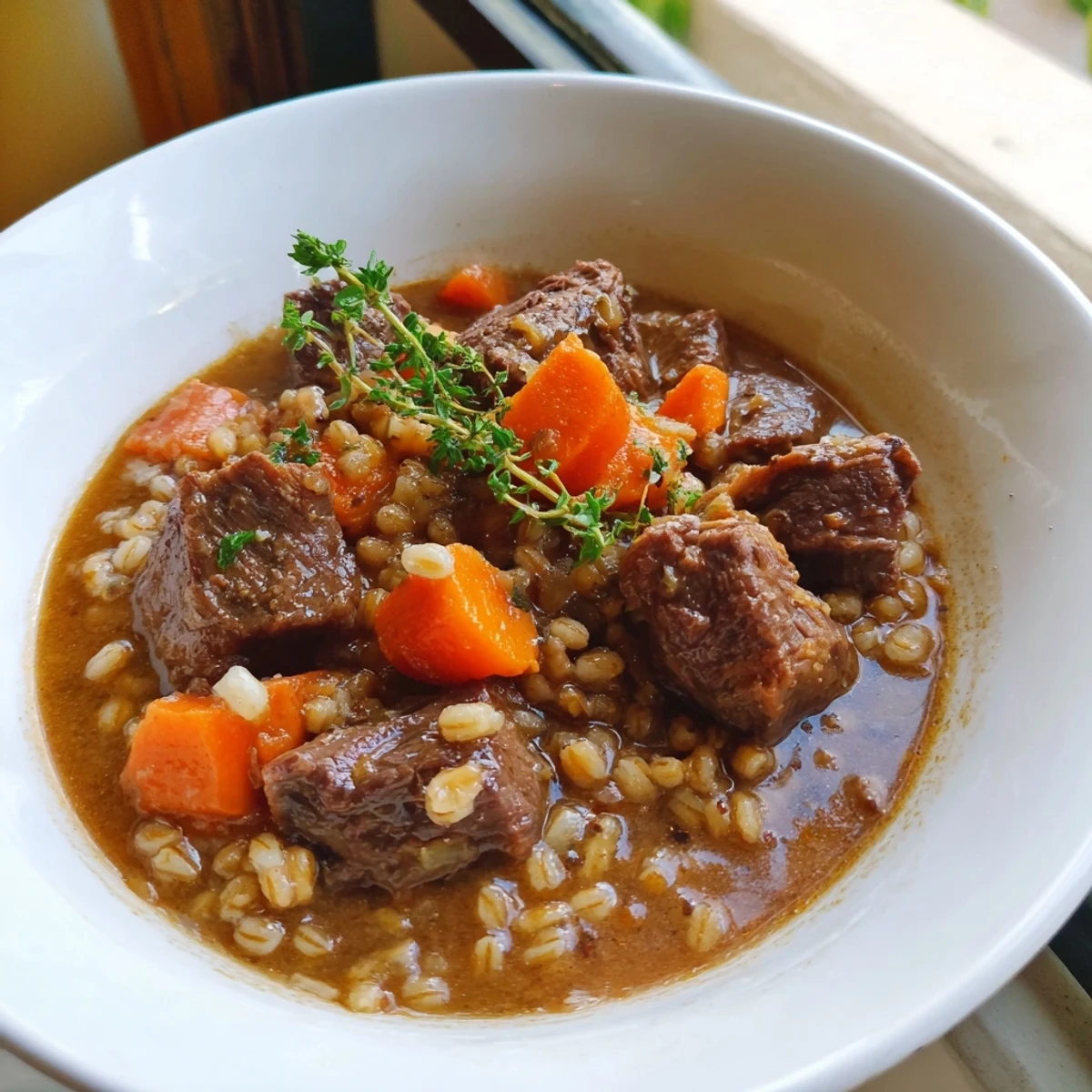
 This hearty beef and barley stew combines tender chunks of beef chuck with nutty pearl barley, sweet carrots, and fragrant thyme. Slow-simmered for up to 2 hours, the flavors meld beautifully while the beef becomes melt-in-your-mouth tender.
The simple preparation involves browning the beef, sautéing aromatic vegetables, then letting everything gently simmer together. The result is a comforting, rustic meal that's even better the next day and perfect for cold weather dining.
The first snow of winter was falling outside my kitchen window when I first concocted this beef and barley stew. My hands were chilled from bringing in firewood, and I craved something that would warm me from the inside out. I remember rummaging through my pantry, finding a forgotten bag of pearl barley, and deciding to combine it with the chuck roast I'd been saving for a special occasion.
Last winter, my neighbor lost power during a snowstorm, and I invited their whole family over for dinner. I served this stew with crusty bread, and their youngest daughter, who apparently eats nothing but chicken nuggets, asked for seconds and then the recipe. We all laughed as her parents looked on in complete shock, and now its become my go-to dish for converting picky eaters.
Ingredients
- 2 lbs beef chuck, cut into 1-inch cubes: I learned the hard way that smaller cubes cook faster but can dry out, while larger chunks stay juicier and develop that melt-in-your-mouth quality.
- 3/4 cup pearl barley: Always rinse it first to remove excess starch, a trick my grandmother insisted on that prevents the stew from becoming too gluey.
- 3 large carrots: Cut them slightly thicker than you think you should, as they continue softening even after youve turned off the heat.
- 6 cups beef broth: I always reach for low-sodium versions so I can control the saltiness, especially since the flavors concentrate during the long simmer.
- 2 tsp fresh thyme leaves: Strip them from the stem by running your fingers against the grain, a little technique that saved me countless minutes of tedious picking.
Instructions
- Brown the beef properly:
- Heat olive oil until it shimmers before adding your beef cubes in batches, giving them enough space to brown rather than steam. Listen for that satisfying sizzle that tells you youre building flavor, not just cooking meat.
- Build your flavor foundation:
- After removing the beef, those caramelized bits stuck to the bottom of your pot are pure gold. Toss in your onion, celery, and carrots to release their moisture, which helps scrape up those flavorful browned bits.
- Layer in the aromatics:
- When adding the garlic and tomato paste, youll notice the aroma shift from sweet to deeply savory. That transformation happens right around the one-minute mark, so watch carefully to avoid bitterness.
- Bring it all together:
- Return your beef to the pot with all remaining ingredients, bringing it to a gentle boil before reducing to a simmer. The transition from rolling bubbles to occasional pops is what youre looking for.
- Practice patience:
- During the long simmer, resist the urge to constantly stir or peek under the lid. Each time you do, youre releasing precious heat and extending cooking time.
 Pin It
 On a particularly difficult day last year, when everything seemed to be going wrong, I found myself mindlessly stirring this stew as it simmered. The repetitive motion and rich aroma gradually calmed my nerves, and by the time we sat down to eat, the day's troubles had dissolved away like the bay leaves I'd forgotten to fish out before serving. My partner noticed the change in my mood immediately and now suggests I make beef and barley stew whenever Im stressed.
Making It Ahead
Theres something magical that happens when this stew sits overnight in the refrigerator. The barley continues to absorb the broth, the flavors mingle and deepen, and what was delicious becomes extraordinary. I once made it three days ahead for a weekend cabin trip, reheating it on a small stove while snow fell outside, and my friends still talk about that meal years later.
Customizing Your Stew
The first time I made this recipe, I stuck rigidly to the ingredients list, measuring everything with precision. Now, its evolved into something more intuitive, changing with the seasons and whats in my pantry. During summer, I might throw in fresh peas from the garden, while autumn might see me adding mushrooms foraged from a nearby woods, each variation writing its own chapter in this stews story in my kitchen.
Serving Suggestions
Theres an unwritten rule in my house that this stew must be served with something to sop up every last drop from the bowl. Crusty sourdough bread works beautifully, though my partner prefers buttery mashed potatoes underneath, creating what he calls a savory sundae of textures.
- If youre serving wine, choose something robust like a Cabernet Sauvignon or Syrah that can stand up to the stews richness.
- For a complete meal, add a simple side salad with a vinaigrette dressing to cut through the richness of the stew.
- Store leftover stew in airtight containers in the refrigerator for up to 4 days, or freeze for up to 3 months for future comfort.
 Pin It
 Every time I make this stew, it feels less like following a recipe and more like continuing a conversation with past versions of myself. The ingredients may shift slightly, but the comfort it brings remains constant.
Recipe Q&A
- → Can I make this beef and barley stew in a slow cooker?
-
Yes! Brown the beef and sauté the vegetables as directed, then transfer everything to a slow cooker. Cook on low for 7-8 hours or on high for 4-5 hours until the beef is tender and the barley is cooked through.
- → Can I freeze this stew?
-
Absolutely. Cool the stew completely, then portion into freezer-safe containers. It freezes well for up to 3 months. Thaw overnight in the refrigerator and reheat gently on the stovetop or microwave.
- → What can I substitute for barley if I'm gluten-free?
-
For a gluten-free version, substitute the pearl barley with quinoa (reduce cooking time) or rice. Be sure to also use certified gluten-free beef broth.
- → What's the best cut of beef to use for this stew?
-
Beef chuck is ideal because it becomes tender and flavorful with slow cooking. Other good options include brisket, short ribs (deboned), or stew meat labeled specifically for slow cooking.
- → Can I add other vegetables to this stew?
-
Certainly! Parsnips, turnips, potatoes, or mushrooms would all work well. Add root vegetables with the carrots, and quick-cooking vegetables like peas in the last 15-20 minutes of cooking.
- → How do I know when the stew is done?
-
The stew is done when the beef is fork-tender and easily pulls apart, and the barley is cooked but still slightly chewy. This typically takes 1.5-2 hours of simmering.