 Pin It
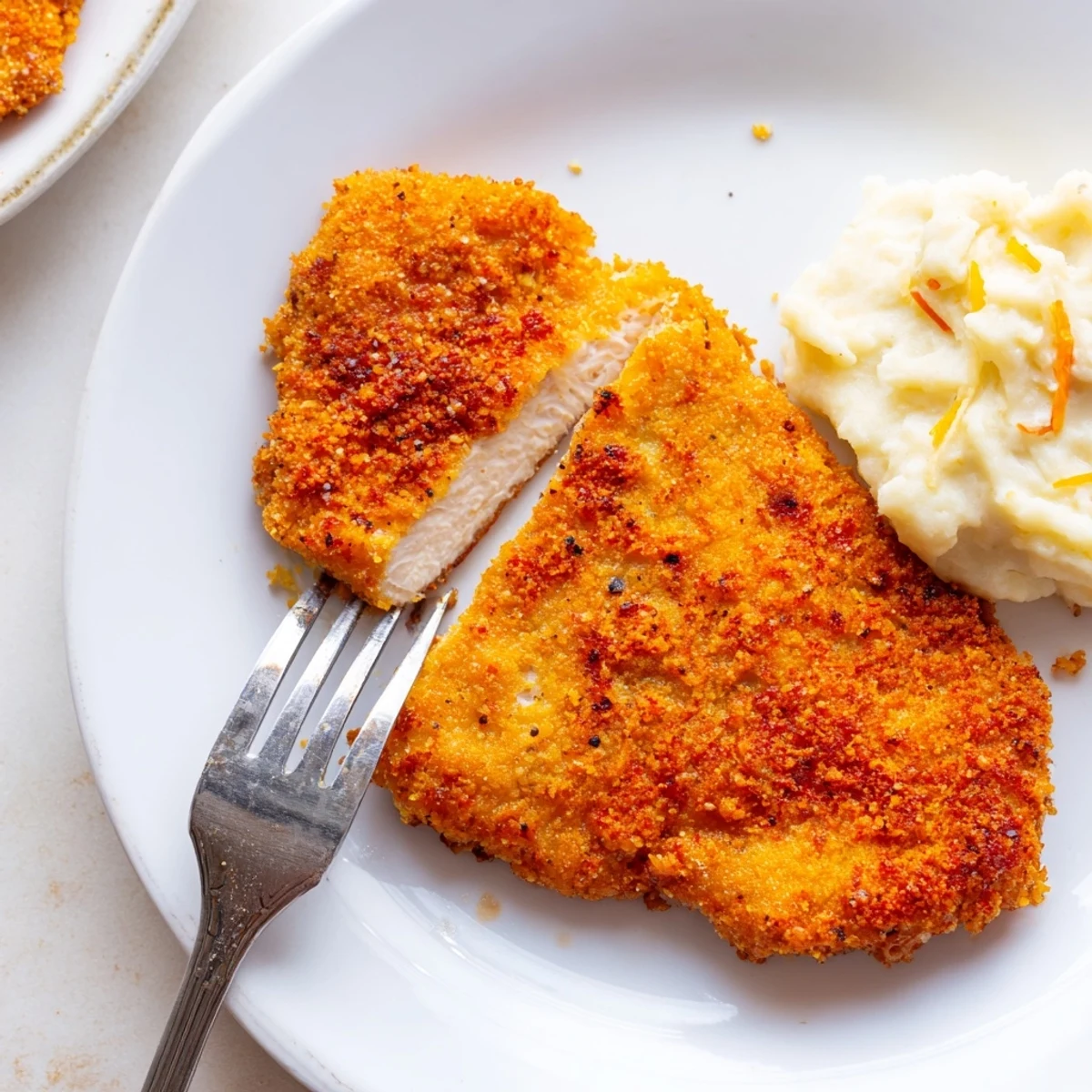
 Pound boneless chicken breasts to an even 1/2" thickness, then soak in buttermilk with salt and pepper to tenderize. Dredge in a seasoned mix of flour, cornstarch, paprika and garlic powder, pressing to adhere. Fry in oil at 350°F (175°C) about 6–7 minutes per side until internal temp reaches 165°F (74°C). Drain briefly and rest 2–3 minutes before serving; marinate longer for extra juiciness.
The sizzle of chicken hitting hot oil is one of those sounds that instantly pulls people into the kitchen, and my household is no exception. One rainy Saturday my neighbor wandered over attracted by the smell alone, and ended up staying for dinner. Fried chicken breast has a reputation for drying out, but a simple buttermilk brine changed everything for me. Now it is the dish I reach for when I want something undeniably satisfying without spending hours at the stove.
My sister called me once in a panic because her inlaws were visiting and she had nothing impressive to cook. I talked her through this recipe over the phone, and she later told me her mother in law asked for the recipe before leaving. That phone call lasted two hours, but apparently it was worth every minute.
Ingredients
- 4 boneless, skinless chicken breasts: Pound them even so they cook uniformly and you avoid the dreaded dry outer edge with a raw center.
- 1 cup buttermilk: This is your insurance policy against dry chicken, tenderizing the meat while adding a subtle tang.
- 1 teaspoon salt and 1/2 teaspoon black pepper (for brine): Season the marinade itself so the flavor penetrates rather than sitting on the surface.
- 1 cup all-purpose flour: The foundation of your coating, providing structure and that classic golden color.
- 1/2 cup cornstarch: This is what makes the crust shatteringly crisp, a trick I learned from a diner cook in Nashville.
- 1 teaspoon paprika: Adds warmth and a beautiful reddish hue to the crust.
- 1 teaspoon garlic powder: Delivers savory depth without burning the way fresh garlic would in hot oil.
- 1/2 teaspoon cayenne pepper (optional): A gentle heat that blooms in the oil and makes the coating addictive.
- 1 teaspoon salt and 1/2 teaspoon ground black pepper (for coating): Do not skip this, because underseasoned breading is the fastest path to bland chicken.
- Vegetable oil (about 2 cups): You want enough oil to come halfway up the chicken for an even shallow fry.
Instructions
- Flatten the chicken:
- Place each breast between two sheets of plastic wrap and pound to about half an inch thick using a meat mallet or rolling pin. Listen for that satisfying, even thud that tells you the thickness is consistent across the whole piece.
- Make the buttermilk bath:
- Whisk together buttermilk, salt, and pepper in a bowl big enough to hold all four breasts. Submerge the chicken completely, cover, and let it soak in the refrigerator for at least 30 minutes, though overnight will reward your patience tremendously.
- Build your coating station:
- In a wide bowl, whisk flour, cornstarch, paprika, garlic powder, cayenne, salt, and pepper until evenly blended. Set a wire rack next to the bowl so you have a landing spot for coated pieces.
- Dredge with intention:
- Pull each breast from the buttermilk, let the excess drip off for a few seconds, then press it firmly into the flour mixture on both sides. Really press the coating in with your hands, because that extra pressure is what creates those beautiful craggy bits.
- Heat the oil:
- Pour oil into a large skillet or deep pan to about half an inch deep and bring it to 350 degrees Fahrenheit over medium heat. You can test readiness by sprinkling in a pinch of flour that should sizzle immediately but not burn.
- Fry in batches:
- Carefully lay two breasts into the oil without crowding the pan, and cook for about 6 to 7 minutes per side until deeply golden. The internal temperature should reach 165 degrees Fahrenheit when you are done.
- Rest before serving:
- Transfer the chicken to a paper towel lined plate and let it rest for 2 to 3 minutes. This brief pause lets the juices redistribute so they stay inside the meat instead of running out onto your plate.
 Pin It
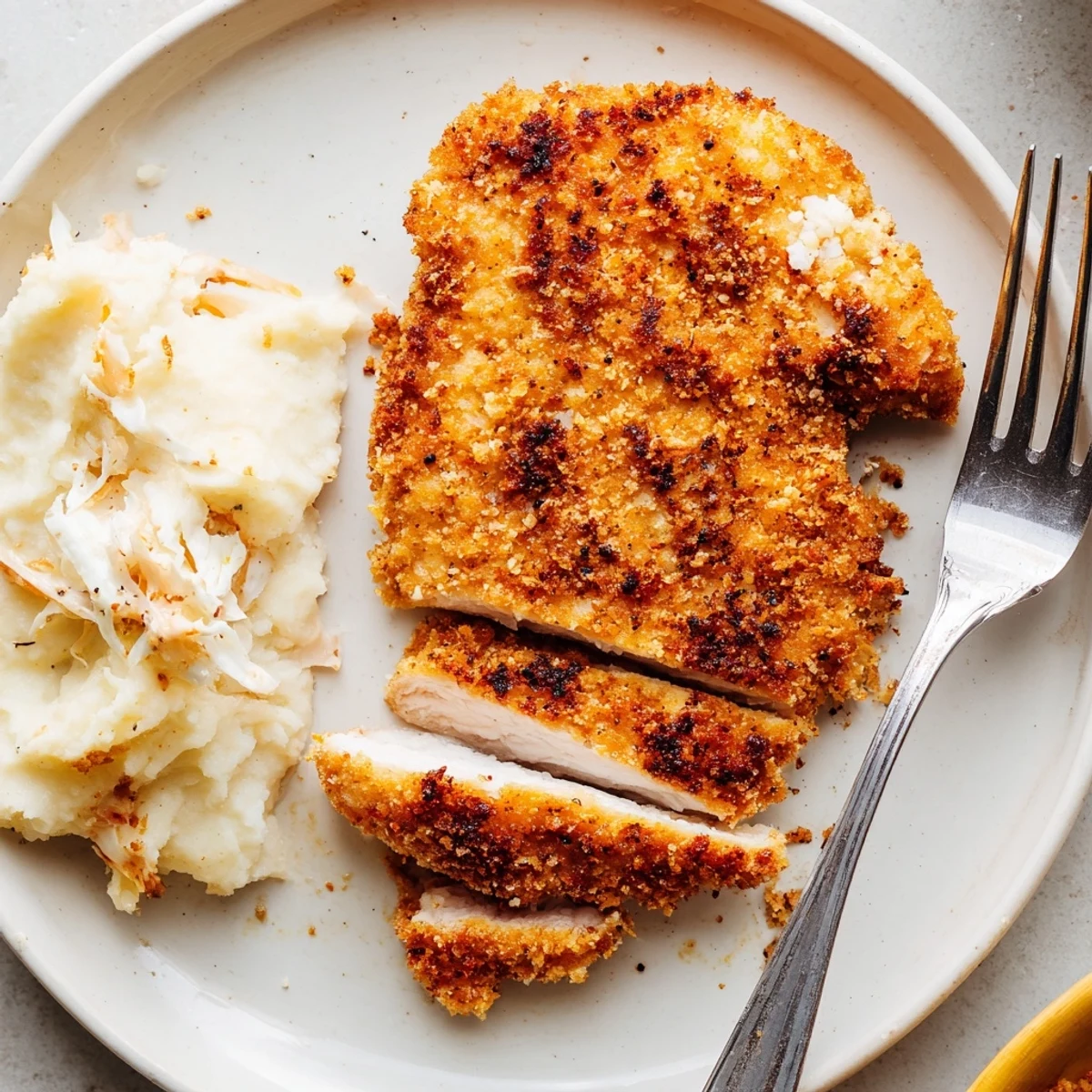
 The night I made this for my college roommate reunion, we stood around the kitchen counter eating pieces straight off the paper towels before anything else made it to the table. Nobody even asked about side dishes until every last scrap of chicken was gone.
What to Serve Alongside
Mashed potatoes and coleslaw are the classic duo for good reason, because the creamy and crunchy textures balance the fried chicken beautifully. I have also piled this onto sandwich rolls with pickles and a smear of honey mustard for a casual dinner that disappears fast. A simple green salad with a tangy vinaigrette cuts through the richness when you want something lighter.
Making It Your Own
The spice blend in the coating is endlessly flexible once you have the basic flour and cornstarch ratio locked in. smoked paprika swaps in easily for regular paprika when you want a campfire depth, and a spoonful of hot sauce in the buttermilk adds a different kind of heat than cayenne. My friend swears by adding a tablespoon of grated parmesan to the flour for an umami boost I was skeptical about until I tried it.
Handling Leftovers and Reheating
Leftover fried chicken breast is a gift if you reheat it properly, and the oven or air fryer at 375 degrees Fahrenheit for about 8 minutes brings back most of the original crunch. Microwaving will make the coating soft and sad, so resist that shortcut even when you are hungry. Cold leftover slices tucked into a sandwich the next day might actually rival the fresh version.
- Store leftovers in an airtight container in the refrigerator for up to three days.
- Freeze cooled pieces in a single layer on a baking sheet before transferring to a freezer bag for up to two months.
- Always check that the oil is at the right temperature before adding chicken, because this one detail prevents most common problems.
 Pin It
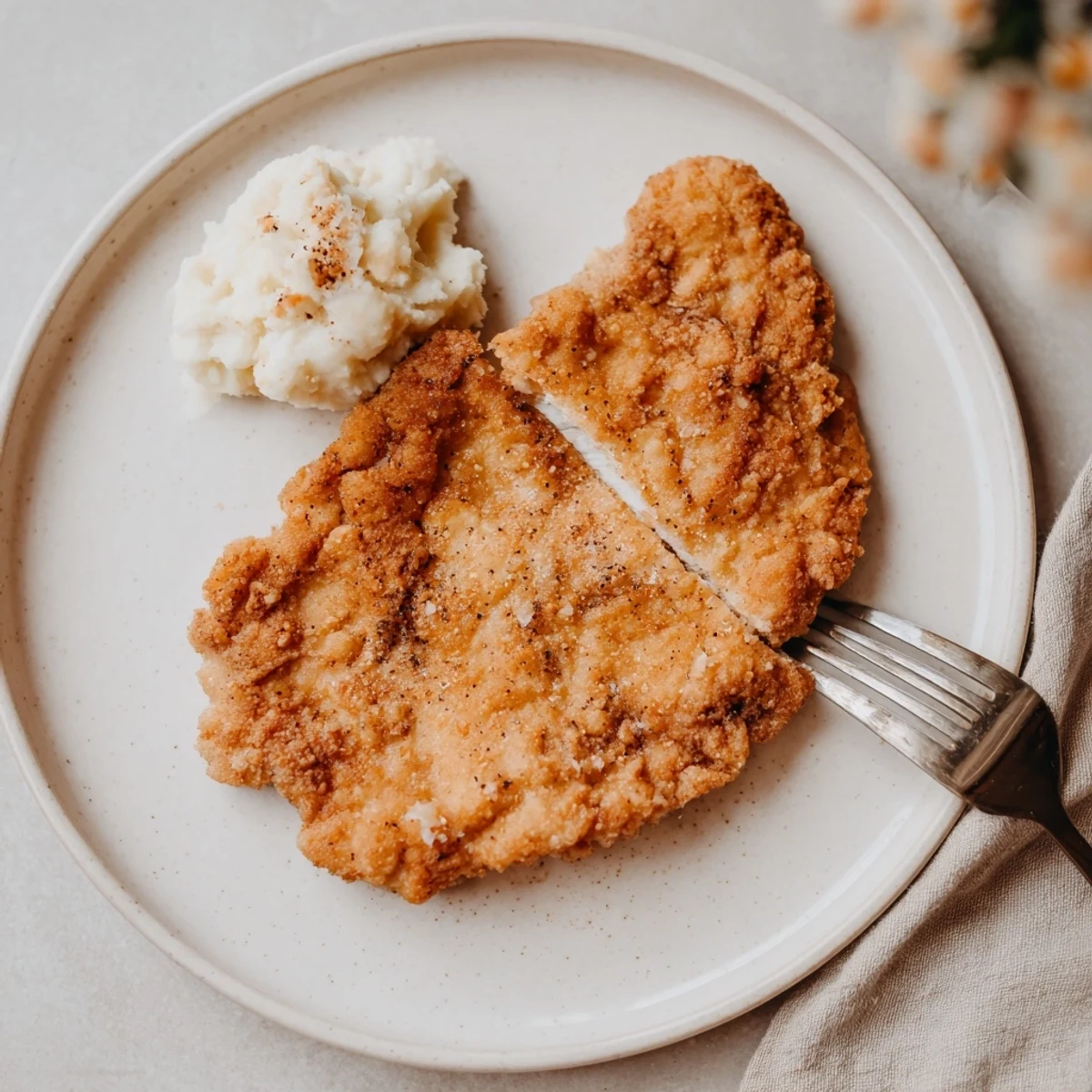
 Some recipes are just dinner, but a perfectly fried chicken breast that cracks open to reveal steamy, juicy meat is the kind of thing that turns a regular evening into a small celebration. Keep this one in your back pocket and it will never let you down.
Recipe Q&A
- → How long should I marinate the chicken for best results?
-
Marinate at least 30 minutes to tenderize; 2–4 hours improves flavor, and overnight yields maximum juiciness and depth.
- → What oil and temperature are best for frying?
-
Use a neutral, high-smoke-point oil like vegetable, canola, or peanut and maintain about 350°F (175°C) so the coating browns without burning and the interior cooks through.
- → How can I keep the coating from falling off?
-
Pat excess buttermilk off before dredging, press the flour-cornstarch mixture firmly onto the surface, and avoid overcrowding the pan so the crust sets quickly in hot oil.
- → Can I bake the chicken instead of frying?
-
Yes—brush the coated breasts with oil and bake at 425°F (220°C) for about 20–25 minutes, flipping once, until golden and cooked through. It’ll be less oily but still crisp.
- → How do I check for doneness safely?
-
Use an instant-read thermometer inserted into the thickest part; the safe internal temperature is 165°F (74°C). Alternatively, cut into the center to ensure juices run clear.
- → Can I make this gluten-free?
-
Substitute a gluten-free flour blend and confirm the cornstarch and other ingredients are labeled gluten-free; frying method and times remain similar.