
 Pin It
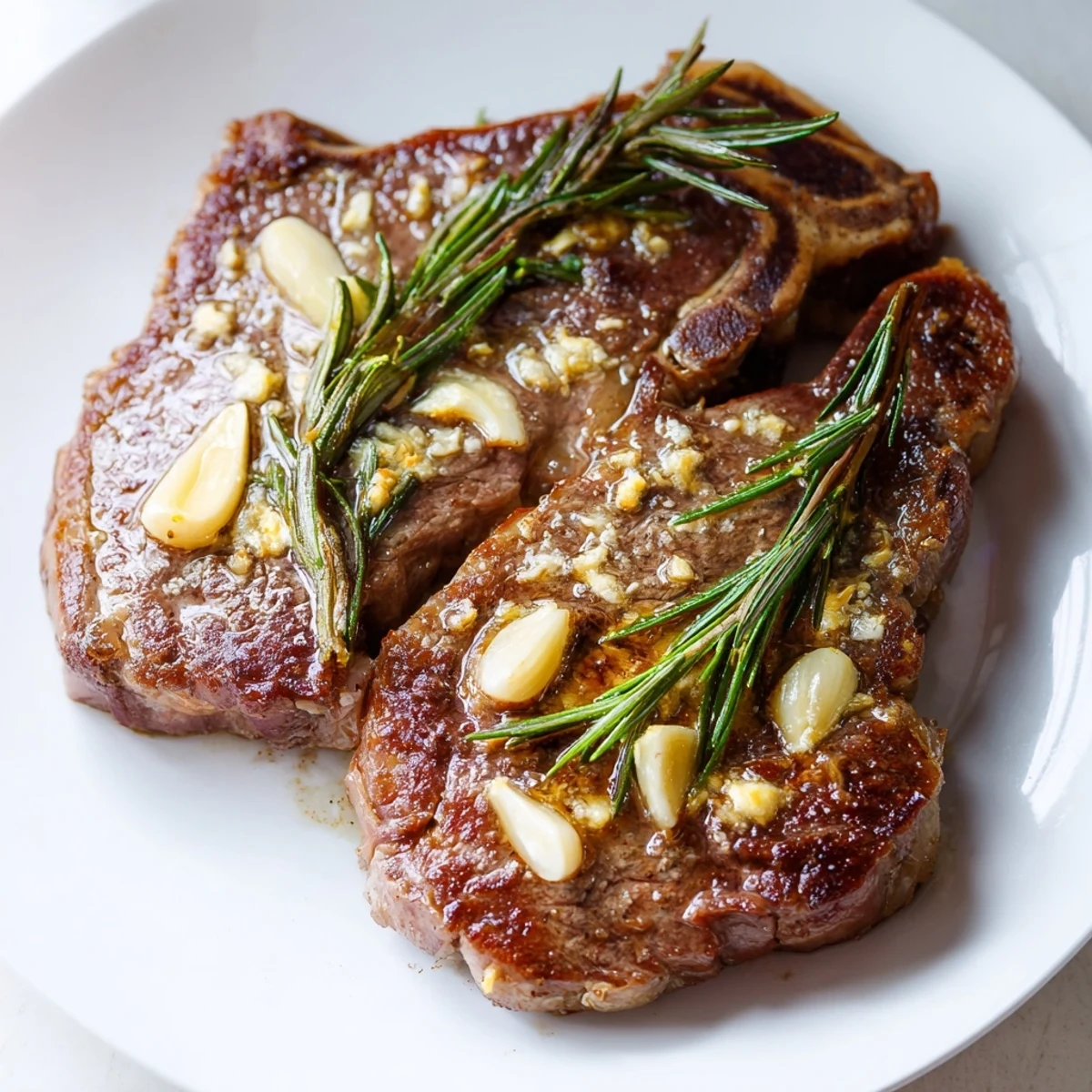
 This classic preparation transforms quality ribeye steaks into a luxurious dining experience. The high-heat searing creates a beautiful caramelized crust, while continuous basting with melted butter infused with garlic and fresh rosemary ensures exceptional flavor and moisture throughout. Ready in under 30 minutes, this method delivers consistently impressive results for weeknight dinners or special occasions.
The sound of butter hitting a screaming hot cast iron skillet is something you never forget, and once you hear it, ordinary steak dinners lose their appeal forever. My neighbor Dave taught me this method over a backyard fence conversation about his time working a grill station in Chicago, and I have not looked back since. The whole thing takes less than half an hour but tastes like you spent three times that long.
I made this for my sister the night she passed her bar exam, and she sat on the kitchen floor eating it straight off the cutting board with her hands because she could not wait to find a plate.
Ingredients
- 2 ribeye steaks (about 1 inch thick, 250g each): Ribeye has the intramuscular fat that keeps everything juicy and forgiving even if you slightly overcook it.
- 3 tablespoons unsalted butter: Unsalted lets you control the seasoning and the butter serves as both cooking fat and flavor delivery system.
- 1 tablespoon olive oil: You need an oil with a high smoke point to get that crust before the butter goes in.
- 4 garlic cloves, finely minced: Fresh garlic only, and mince it small so it melts into the butter rather than burning in big chunks.
- 2 sprigs fresh rosemary or thyme: The herbs fry in the butter and release oils that perfume the entire steak in a way dried herbs simply cannot match.
- Salt and freshly ground black pepper: Be generous with both, especially the salt, because it builds the crust and brings out the beef.
Instructions
- Bring steaks to room temperature:
- Pull the steaks from the fridge about twenty minutes before you plan to cook and pat them completely dry with paper towels so nothing gets between the meat and that beautiful sear.
- Season with confidence:
- Season both sides generously with salt and pepper, pressing it in gently with your hands so it adheres rather than falling off into the pan.
- Get the pan ripping hot:
- Heat the olive oil in a heavy cast iron skillet over high heat until you see the first wisp of smoke, which tells you the pan is ready to work.
- Build the crust:
- Lay the steaks in carefully away from you and let them sear without moving for two to three minutes per side until you get a deep golden brown crust that releases naturally.
- Baste with garlic butter:
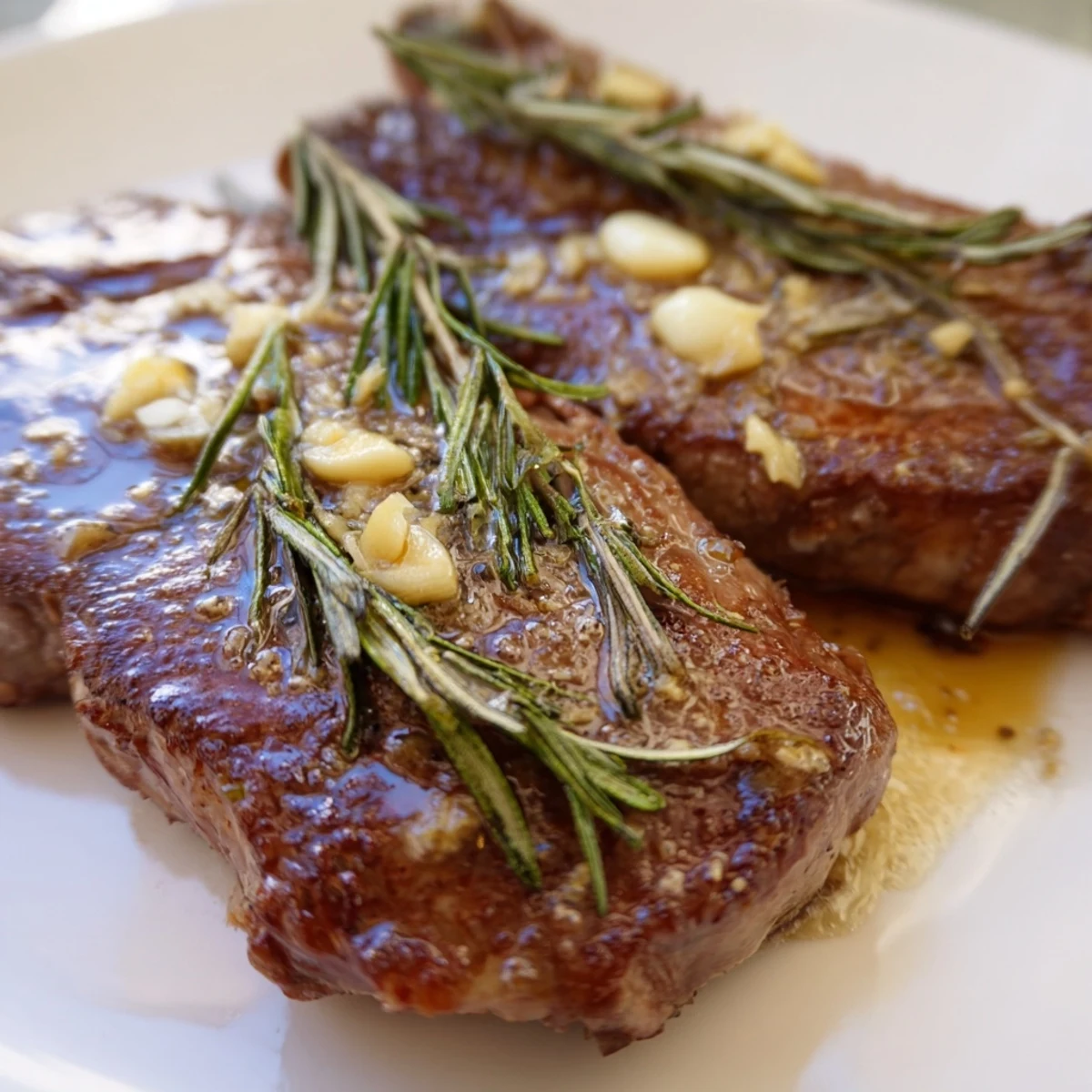
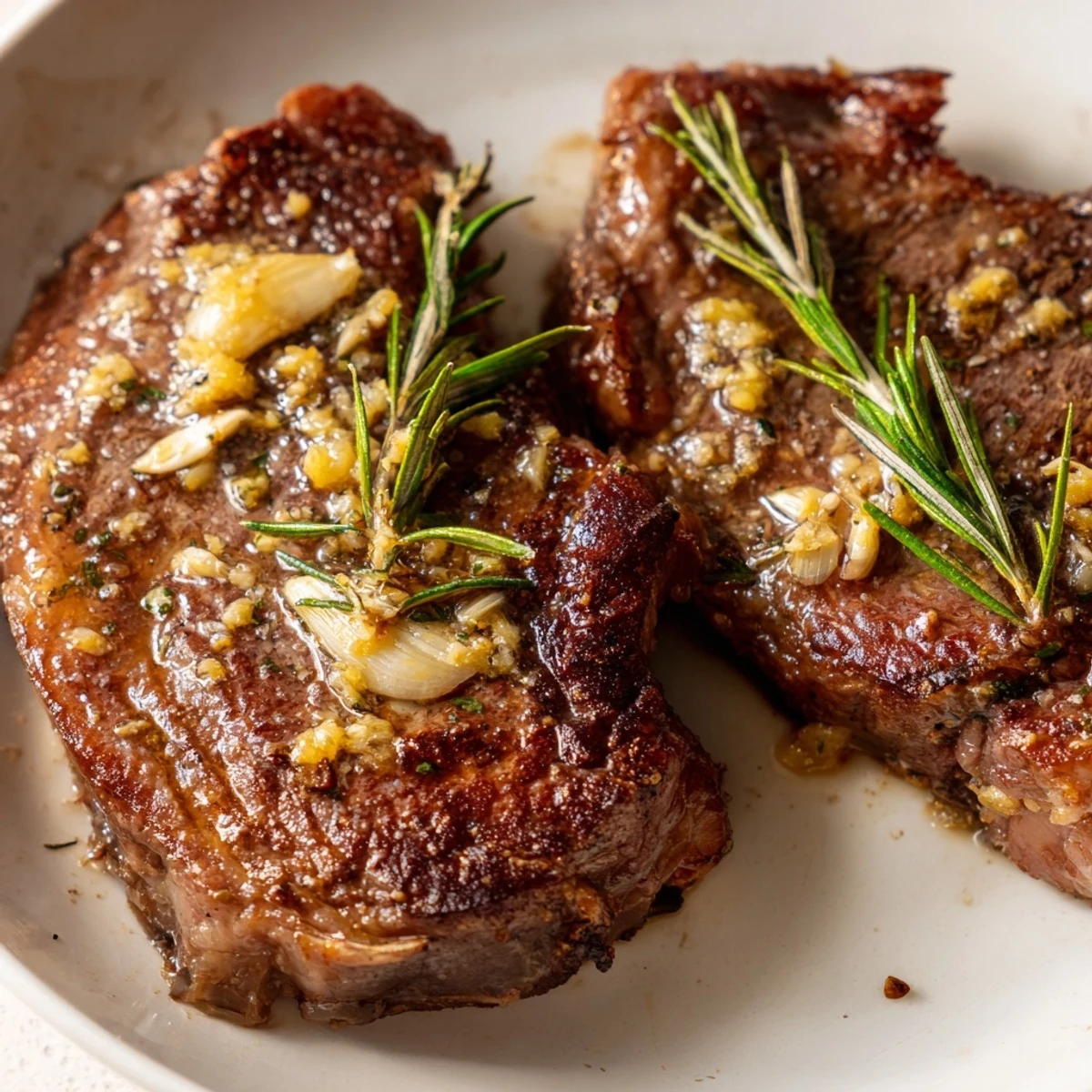
- Drop the heat to medium, add the butter, garlic, and rosemary, and once the butter melts and foams tilt the pan and spoon that fragrant liquid over the steaks repeatedly for two to three minutes.
- Rest before slicing:
- Move the steaks to a plate and let them rest a full five minutes so the juices redistribute instead of spilling out onto your board the moment you cut.
 Pin It
 The first time I got the crust right on both sides without overcooking the center, I stood at the counter and ate the entire thing standing up because plating it felt like it would ruin the moment.
Picking the Right Cut
Ribeye is my go-to because that web of fat running through it melts during cooking and self-bastes from the inside out. Strip steak works too if you prefer a leaner bite, and filet mignon is lovely if you are feeling extravagant. Whatever you choose, look for steaks with even thickness so one end does not overcook while the other is still raw.
Getting the Doneness Right
A meat thermometer takes the guesswork out completely, and after ruining more steaks than I care to admit I finally bought one and it changed everything. Medium rare lands around 130 degrees Fahrenheit and that is the sweet spot where the fat has softened but the meat stays tender and pink. Remember the steak keeps cooking slightly as it rests, so pull it a few degrees before your target.
Serving Suggestions
This steak loves simple sides that soak up the extra garlic butter pooling on the plate. A crisp green salad cuts through the richness beautifully.
- Roasted potatoes tossed in olive oil and rosemary make the steak feel like a complete bistro dinner.
- A handful of arugula dressed with lemon juice and olive oil adds a peppery freshness that balances the butter.
- Finish with flaky sea salt right before serving for a satisfying little crunch.
 Pin It
 Some meals are about sustenance and some are about celebration, and this one somehow manages to be both at the same time. Pour yourself a glass of something bold and enjoy every single bite.
Recipe Q&A
- → What cut of steak works best?
-
Ribeye is ideal due to its marbling and flavor, but sirloin, New York strip, or filet mignon also work well with this method.
- → How do I know when the steak is done?
-
Use a meat thermometer for accuracy: 130°F for medium-rare, 135°F for medium, or 140°F for medium-well. The steak will continue cooking slightly while resting.
- → Why rest the steak before serving?
-
Resting allows juices to redistribute evenly throughout the meat, ensuring each bite remains tender and flavorful rather than losing moisture when cut.
- → Can I use dried herbs instead of fresh?
-
Fresh rosemary or thyme provides the best flavor, but you can substitute 1 teaspoon dried herbs if needed. Add them earlier with the garlic to rehydrate.
- → What should I serve with this?
-
Classic sides include roasted potatoes, creamed spinach, grilled asparagus, or a crisp arugula salad with vinaigrette to complement the rich flavors.
- → Can I make this dairy-free?
-
Substitute the butter with olive oil or ghee if avoiding dairy. The basting technique still works beautifully, though the flavor profile will shift slightly.