 Pin It
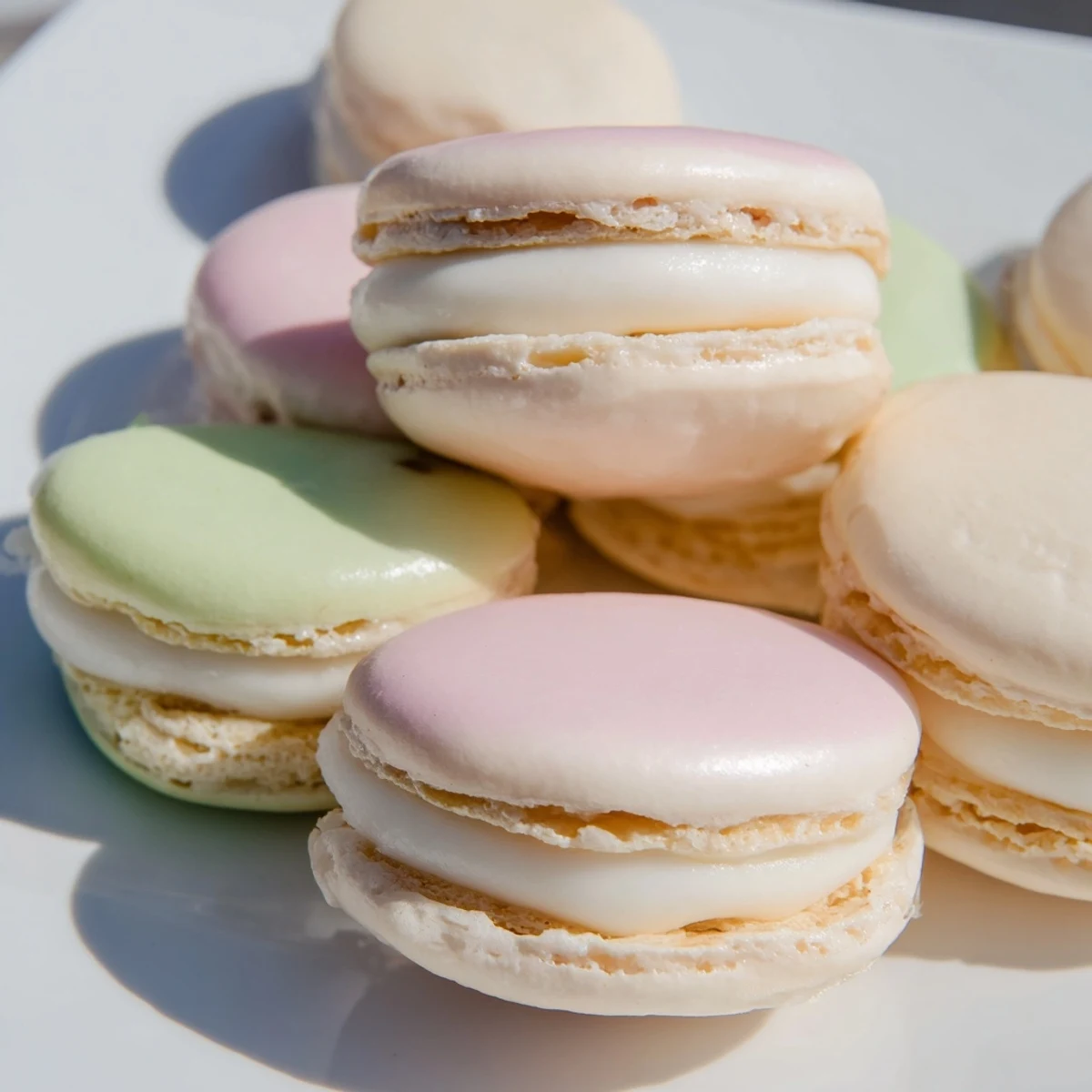
 Master the art of creating delicate French confections with crisp exteriors and irresistibly chewy centers. This foolproof method guides you through achieving perfect almond meringue shells with the signature "feet," paired with silky vanilla buttercream.
The key lies in properly aged egg whites, precise macaronage technique, and patience during the crucial resting period. You'll learn to recognize the perfect ribbon consistency, release trapped air bubbles, and develop that essential skin before baking.
Customize with gel food coloring, experiment with various fillings like ganache or fruit curds, and discover why these elegant sandwiched delights are the pinnacle of French patisserie. Refrigerate overnight for optimal texture development.
The first time I attempted macarons, my kitchen looked like a crime scene of powdered sugar and broken dreams. Three batches later, staring at perfectly smooth shells with those trademark little feet, I finally understood why these cookies have intimidated bakers for generations.
I brought my first successful batch to a dinner party, and before I could even explain the aging process or the macaronage technique, my friend Sarah had already eaten three. She looked at me with powdered sugar on her chin and demanded I teach her the secrets immediately.
Ingredients
- Fine almond flour: The foundation of that signature nutty flavor and delicate texture
- Powdered sugar: Essential for the smooth glossy finish on the shells
- Aged egg whites: Room temperature whites aged overnight create the most stable meringue
- Granulated sugar: Provides structure and helps achieve those glossy stiff peaks
- Cream of tartar: Your insurance policy against collapsing meringue
- Gel food coloring: The only type that will not ruin your batter consistency
Instructions
- Prep your workspace:
- Line your baking sheets with parchment paper or silicone mats and fit a piping bag with a round tip
- Sift your dry ingredients:
- Combine almond flour and powdered sugar, sifting together into a large bowl and discarding any stubborn coarse bits
- Build your meringue:
- In a completely clean bowl, beat egg whites until foamy, then gradually add granulated sugar and cream of tartar until stiff glossy peaks form
- Master the fold:
- Gently fold the dry mixture into the meringue in thirds, using a spatula to press the batter against the bowl until it flows in thick ribbons
- Add color if desired:
- Fold in gel food coloring gently until evenly combined
- Pipe perfect circles:
- Transfer batter to the piping bag and pipe 3 to 4 cm circles onto prepared sheets, spacing them about 3 cm apart
- Release the bubbles:
- Firmly tap the baking sheets on the counter several times and pop any visible bubbles with a toothpick
- Develop the skin:
- Let shells rest uncovered for 30 to 60 minutes until a skin forms and they do not stick to your finger
- Bake to perfection:
- Preheat oven to 150°C and bake one tray at a time for 12 to 15 minutes, rotating halfway until feet form and shells lift cleanly
- Cool completely:
- Let shells cool completely on the baking sheets before removing
- Prepare the filling:
- Beat butter until creamy, then add powdered sugar, vanilla, salt, and 1 tablespoon milk, beating until fluffy and adding more milk as needed
- Assemble the macarons:
- Pair similar sized shells, pipe buttercream onto half, and gently top with remaining shells
- The waiting game:
- Refrigerate in an airtight container for 24 hours for the best texture, then bring to room temperature before serving
 Pin It
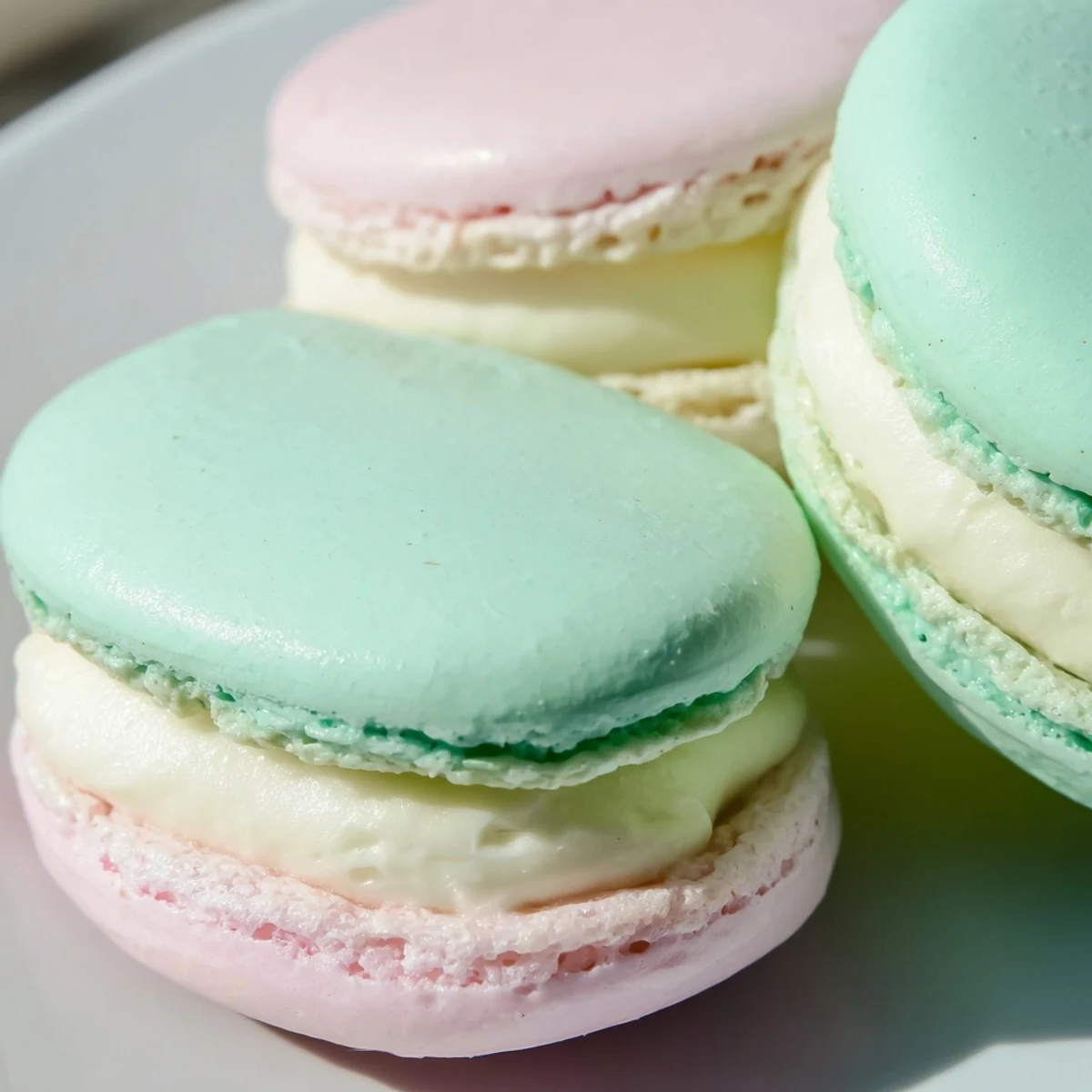
 My sister called me in tears after her third failed attempt, saying she had accepted defeat. I walked her through the process over FaceTime, watching her finally achieve those little feet, and heard her scream with joy when they came out of the oven perfectly formed.
Understanding Macaronage
The folding technique called macaronage is where most bakers go wrong. You want the batter to flow like magma, thick and slow, leaving ribbons that smooth back into themselves within about 20 seconds. It took me making a dozen batches to recognize that perfect consistency by sight and feel.
Flavor Variations That Work
Once you have mastered the basic shell, the flavor possibilities become endless. I have folded cocoa powder into the dry mix for chocolate shells, added lemon zest for brightness, and even experimented with freeze dried fruit powder for natural color and flavor. The filling is where you can really get creative with ganache, curd, or flavored buttercream.
Storage And Serving Secrets
Proper storage makes the difference between a good macaron and an extraordinary one. The 24 hour rest period in the refrigerator allows the filling to soften the shell just slightly, creating that characteristic chewy interior.
- Always bring macarons to room temperature before serving for the best texture
- Store in an airtight container in the refrigerator for up to one week
- Freeze unfilled shells for up to three months and thaw before filling
 Pin It
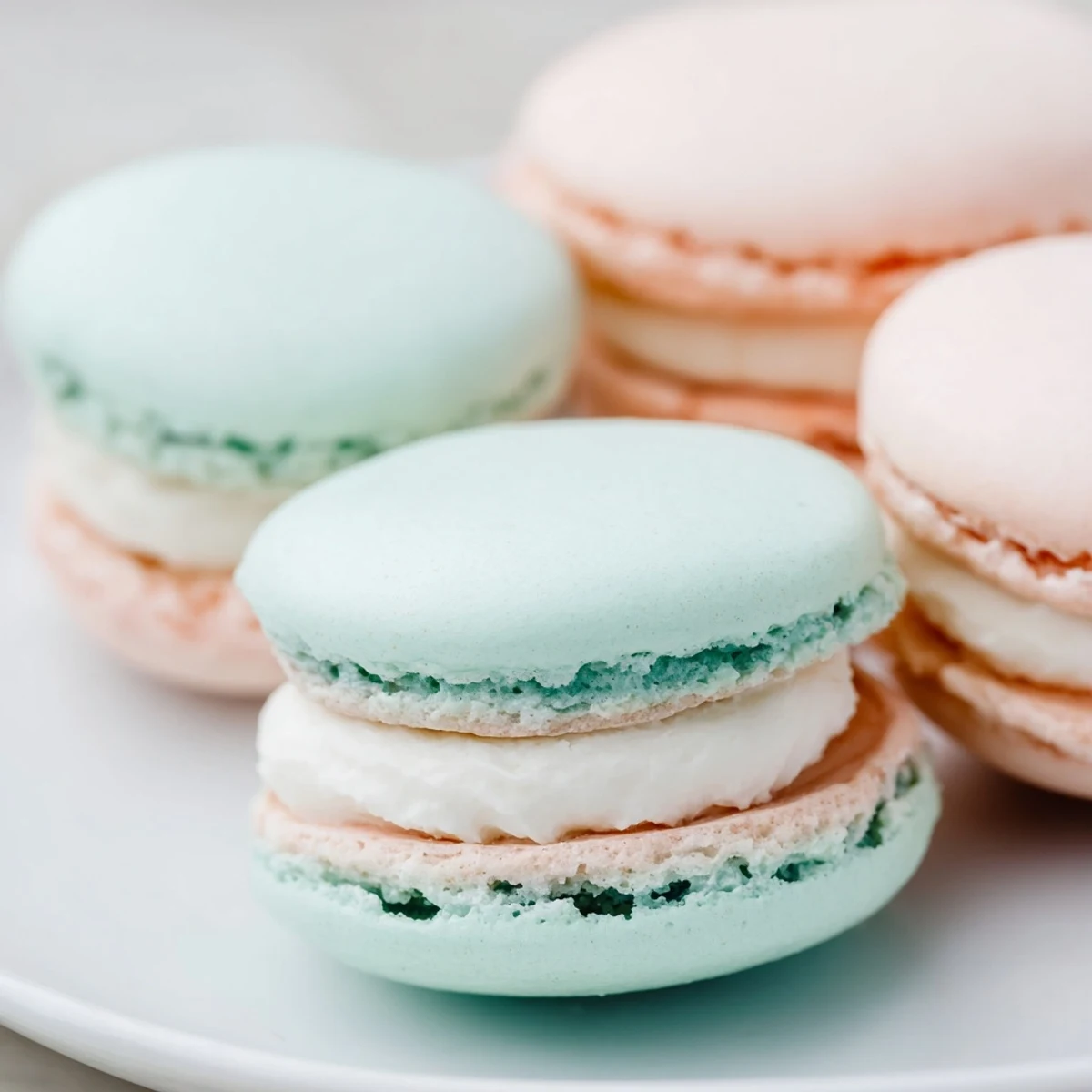
 There is something magical about presenting a box of homemade macarons to someone, watching their eyes light up at the sight of those perfect little cookies. These few moments of baking magic have created some of my favorite kitchen memories.
Recipe Q&A
- → Why must egg whites be aged overnight?
-
Aging egg whites at room temperature for 24 hours allows them to lose moisture and become more stable. This process strengthens the protein structure, resulting in stiffer peaks when whipped and reducing the risk of collapsed shells during baking.
- → What is the macaronage technique?
-
Macaronage refers to the folding process where almond flour and sugar are incorporated into meringue. The batter is folded and pressed against the bowl until it flows in thick ribbons and can form a figure 8 without breaking. Proper macaronage ensures smooth tops and proper feet formation.
- → How do I know when shells have formed a skin?
-
After resting for 30-60 minutes, lightly touch a shell with your finger. If no batter sticks to your finger and the surface feels dry and slightly tacky, the skin has formed properly. This protective layer is essential for developing the characteristic feet during baking.
- → Can I use liquid food coloring?
-
Avoid liquid food coloring as it adds unwanted moisture to the batter, which can affect the texture and cause hollow shells. Use gel or powdered food coloring instead, adding it during the macaronage stage for even distribution without compromising consistency.
- → Why do my macarons have hollow shells?
-
Hollow shells typically result from over-mixing the batter, under-baking, or oven temperature that's too low. Ensure proper macaronage consistency, bake at the correct temperature, and avoid opening the oven door during the first 10 minutes of baking to prevent sudden temperature changes.
- → Is the 24-hour refrigeration period necessary?
-
While you can enjoy them immediately, refrigerating for 24 hours allows the moisture from the filling to soften the interior slightly, creating that signature chewy texture and harmonious flavor profile. Bring to room temperature before serving for the best experience.