 Pin It
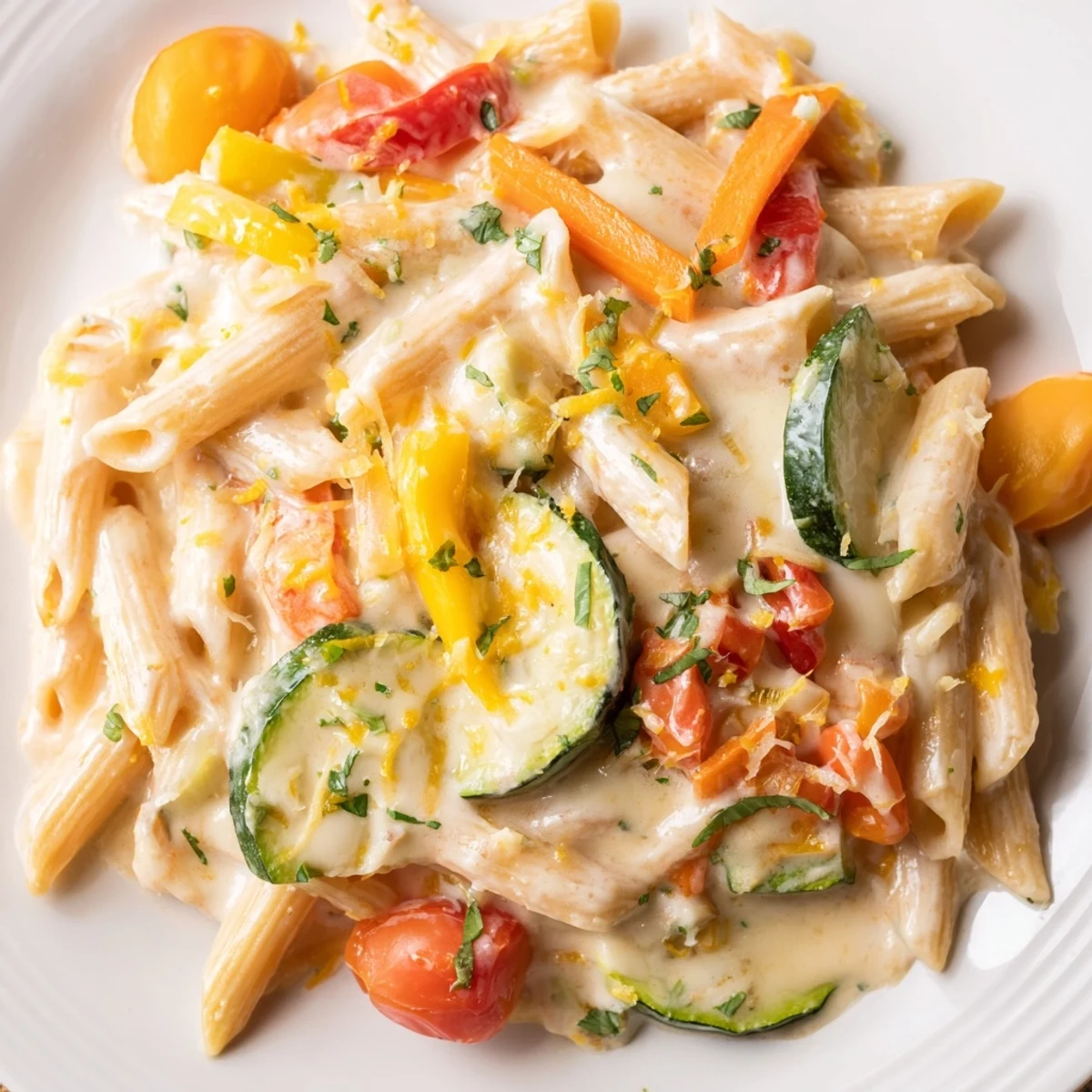
 This creamy pasta primavera delivers a colorful mix of fresh spring vegetables gently sautéed and combined with tender pasta. The luscious sauce, enriched with cream, Parmesan, and lemon zest, wraps every bite in savory comfort. Simple and quick to prepare, this dish balances vibrant flavors and textures, from crisp snap peas to tender zucchini and sweet cherry tomatoes. Garnished with fresh basil and extra Parmesan, it’s a delightful vegetarian main that satisfies with every mouthful.
There's something about the sound of vegetables hitting a hot skillet that signals spring has arrived in my kitchen. I learned to make pasta primavera on a Tuesday afternoon when my farmer's market haul was threatening to wilt, and I needed something that would do justice to those jewel-toned bell peppers and tender zucchini. The creamy sauce emerged almost by accident—a splash of cream to stretch the pan juices into something silky—and suddenly I had a dish that felt both restaurant-quality and completely unpretentious.
I made this for my neighbor last spring when she'd just moved to the area, and watching her face light up as she twirled the first forkful told me everything I needed to know about how well the recipe worked. The combination of textures and that bright lemon note seemed to transport her somewhere happy, and she asked for it again before she'd even finished eating.
Ingredients
- Penne or fettuccine pasta, 350 g (12 oz): Either shape works beautifully, though fettuccine's ribbons tend to cradle the sauce better if you're patient while tossing.
- Zucchini, 1 medium: Slice into half-moons so they cook evenly and don't turn into translucent shards midway through.
- Red and yellow bell peppers, 1 of each: The colors matter here—not just for looks, but yellow peppers add a subtle sweetness that balances the richness.
- Carrot, 1 medium: Julienned thin so it cooks at the same pace as everything else and adds natural sweetness to the vegetables.
- Cherry tomatoes, 1 cup (150 g): Halving them releases their juices into the sauce without turning them to paste.
- Sugar snap peas, 1 cup (120 g): Add these near the end so they stay snappy instead of becoming limp and sad.
- Garlic, 2 cloves: Mince finely so it distributes evenly and flavors the oil without burning.
- Olive oil, 2 tbsp: Use something you'd actually eat on salad, not the harsh everyday stuff.
- Unsalted butter, 2 tbsp: This is where the velvety quality comes from—don't skip it or substitute.
- Heavy cream, 200 ml (3/4 cup + 1 tbsp): The foundation of your sauce, but keep the heat gentle or it can separate.
- Parmesan cheese, 80 g (3/4 cup): Grate it fresh—the pre-shredded stuff doesn't melt into the sauce the same way.
- Lemon zest, from 1 lemon: This tiny detail keeps everything from tasting heavy and rounds out all the flavors.
- Salt and freshly ground black pepper: Taste as you go because the Parmesan adds its own saltiness.
- Fresh basil, 2 tbsp chopped: Fold this in at the very end so its flavor stays bright instead of turning bitter from the heat.
Instructions
- Start your pasta water:
- Bring a large pot of salted water to a rolling boil—it should taste like the sea. This is your only seasoning for the pasta itself, so don't be timid.
- Cook the pasta:
- Add your pasta and stir it a few times so nothing sticks. Check it a minute or two before the package says it should be done, then fish out a piece and taste it—you want it tender but with a slight resistance when you bite down. Reserve a full coffee mug of pasta water before draining (this starchy water is your secret weapon for loosening the sauce later).
- Build the flavor base:
- While the pasta cooks, warm the olive oil and butter together in a large skillet over medium heat. When the butter foams, add your minced garlic and let it sizzle just until you can smell it—usually about 1 minute. If it browns, start over because burnt garlic tastes acrid and bitter.
- Sauté the heartier vegetables:
- Add your zucchini, both bell peppers, and the carrot to the warm oil. Let them sit undisturbed for a minute so they start to caramelize on one side, then stir everything together and cook for 3 to 4 minutes total. You're looking for them to soften slightly while keeping their color and shape.
- Finish the vegetables:
- Toss in the sugar snap peas and cherry tomatoes, stirring gently so the tomatoes don't break apart. Give them another 2 to 3 minutes—just long enough for the peas to brighten and the tomato skins to start to crack slightly.
- Create the creamy sauce:
- Turn the heat down to low, pour in your cream and lemon zest, and stir everything together using a wooden spoon so you're not scraping the pan too aggressively. Let it simmer gently for 2 to 3 minutes, just until the cream warms through and the lemon scent rises up. This is when the dish starts to smell restaurant-worthy.
- Bring everything together:
- Add your drained pasta directly to the skillet with all the vegetables and sauce. Sprinkle the Parmesan over top and toss everything gently but thoroughly for about 1 to 2 minutes, using your pasta water a splash at a time if the sauce looks too thick. It should coat the pasta and vegetables with a silky sheen, not glop.
- Season and finish:
- Taste a forkful and adjust with salt and pepper as needed—remember the cheese brings its own saltiness. Remove from heat, fold in your chopped basil so it stays vibrant, and serve immediately while everything is still steaming.
 Pin It
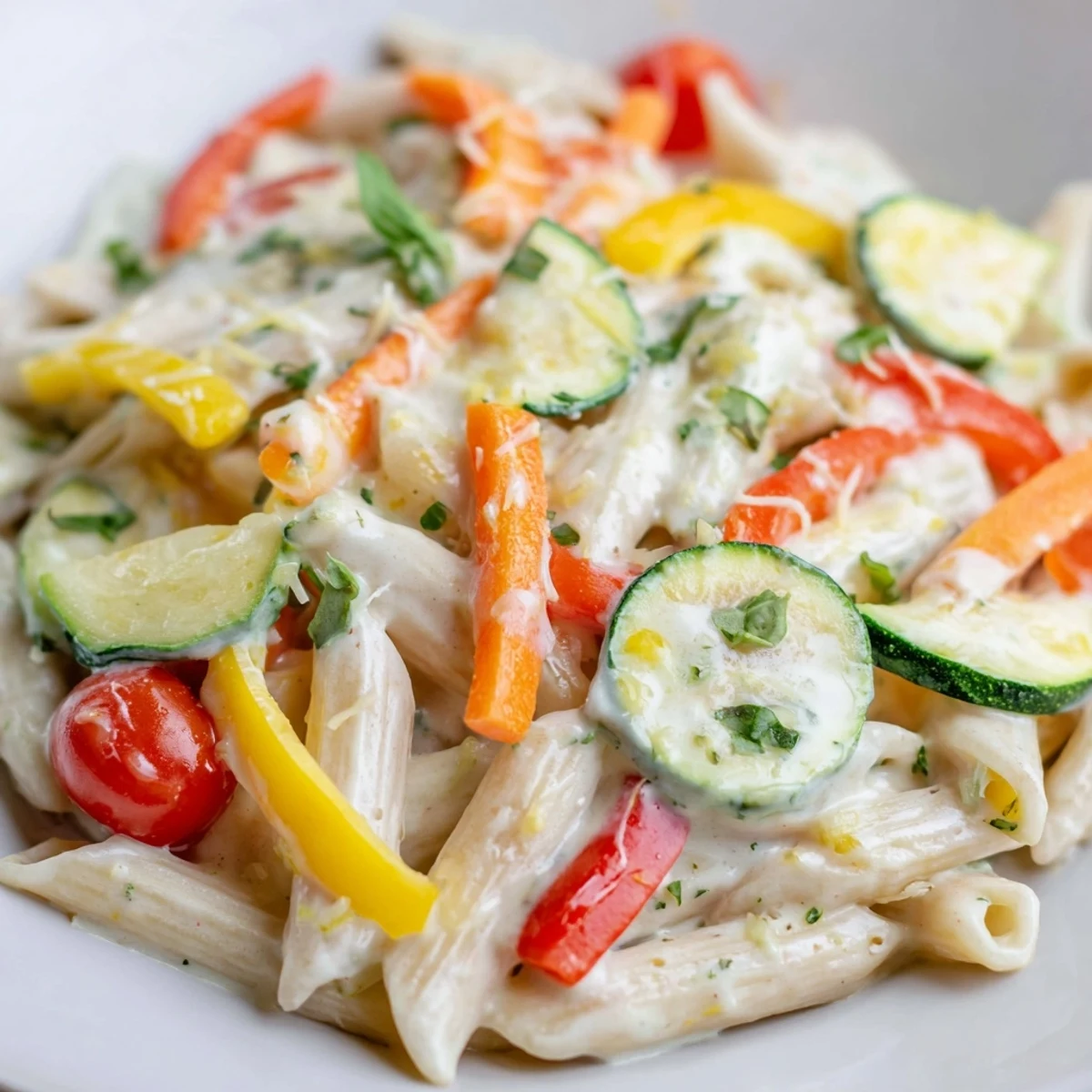
 The first time someone told me this dish felt like spring on a plate, I realized it wasn't just about the ingredients—it was about the care taken not to overcook them, and the way cream and lemon brought everything into conversation with each other. That's when pasta primavera stopped being a recipe I made and started being a feeling I could recreate.
Why Fresh Vegetables Matter More Here Than Anywhere Else
Because the sauce is so delicate and the cooking time so short, you can't hide behind long simmering or heavy spices like you can in a braise. Every vegetable gets tasted individually before it all comes together, which means a dull carrot or mealy zucchini won't disappear into the background. Shop for vegetables that feel firm and smell fresh, and don't apologize for asking the farmer or grocer which zucchini was picked this morning versus three days ago.
The Lemon Zest Trick Nobody Talks About
The lemon zest acts like a brightness button that keeps cream from tasting heavy, and most people either forget it or add it too late when the citrus oils have already started to fade. Adding it directly into the warm cream while everything is still steaming ensures the essential oils wake up and perfume the entire dish. You'll notice the difference immediately—it's the thing that makes someone say this tastes special without being able to identify what they're tasting.
Variations and Swaps That Actually Work
Spring vegetables are ideal, but this framework holds up beautifully in other seasons with minor adjustments. Summer brings firmer tomatoes and tender eggplant; fall invites roasted mushrooms and thinner green beans; winter can lean into hearty vegetables like broccoli and cauliflower that benefit from the extra cream. The constant is respecting the vegetables you're using and cooking them just until they're past raw but still holding their shape.
- For extra protein, toss in sautéed shrimp or grilled chicken pieces at the very end so they just warm through without getting rubbery.
- Asparagus, broccoli, or green beans swap in beautifully for any of the vegetables listed, depending on what your market has and what's calling to you.
- Whole wheat or gluten-free pasta works perfectly—just remember these alternative pastas sometimes absorb sauce differently, so adjust your pasta water additions slowly and taste as you go.
 Pin It
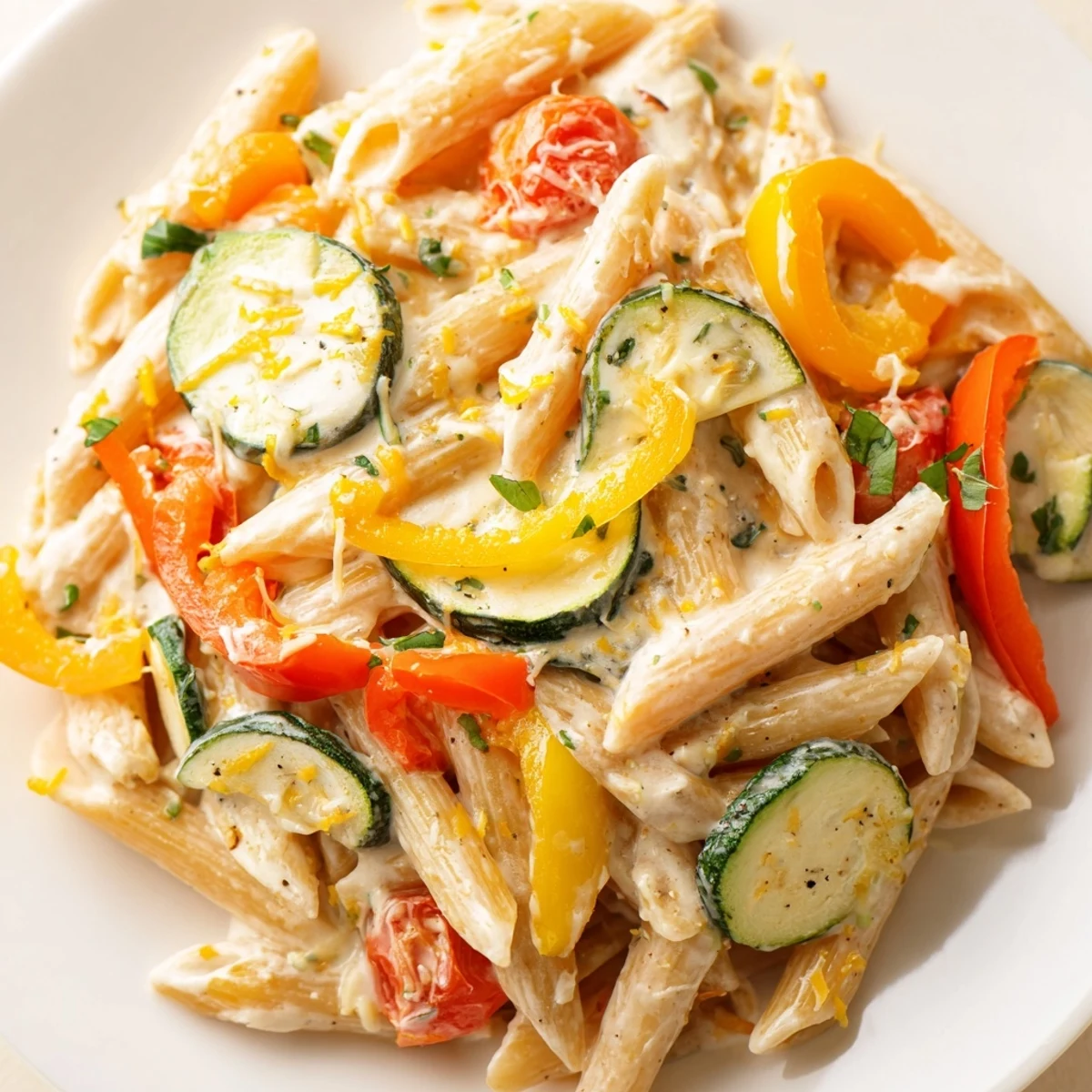
 This is the kind of dish that tastes like abundance without any stress, which is perhaps its greatest gift. Make it when you want to feel like you've taken care of yourself and whoever you're feeding.
Recipe Q&A
- → What pasta types work best for this dish?
-
Penne or fettuccine hold the sauce well and complement the vegetable medley nicely.
- → Can I substitute the vegetables?
-
Yes, asparagus, broccoli, or green beans can be used for seasonal variety without altering the dish's character.
- → How can I make the sauce creamier?
-
Simmering the cream gently with lemon zest and Parmesan helps create a smooth, rich sauce coating every ingredient.
- → Is it possible to add protein to this meal?
-
For extra protein, sautéed shrimp or grilled chicken can be added, enhancing the dish’s overall depth.
- → What garnishes enhance the flavors?
-
Chopped fresh basil and additional grated Parmesan amplify freshness and savory notes perfectly.