
 Pin It
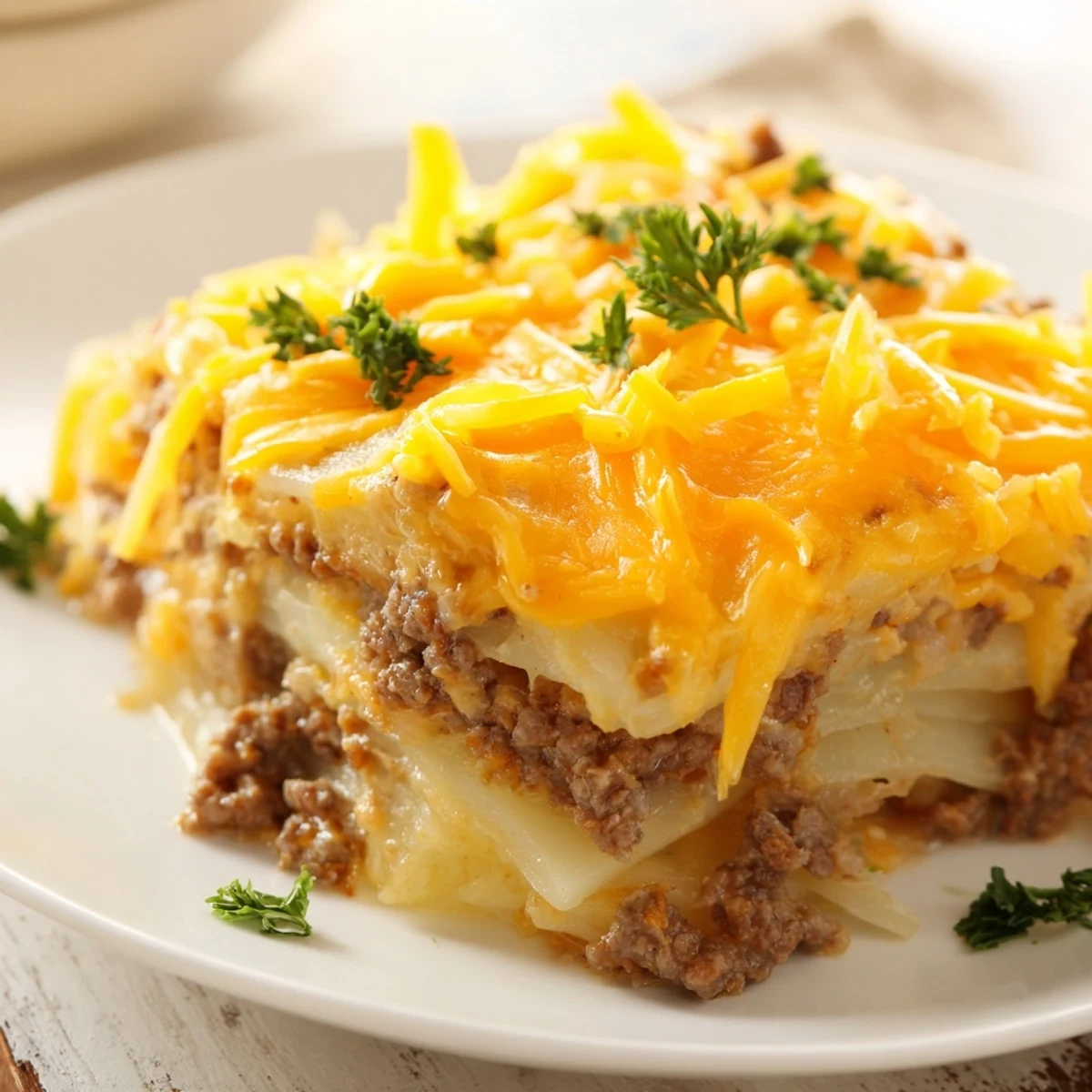
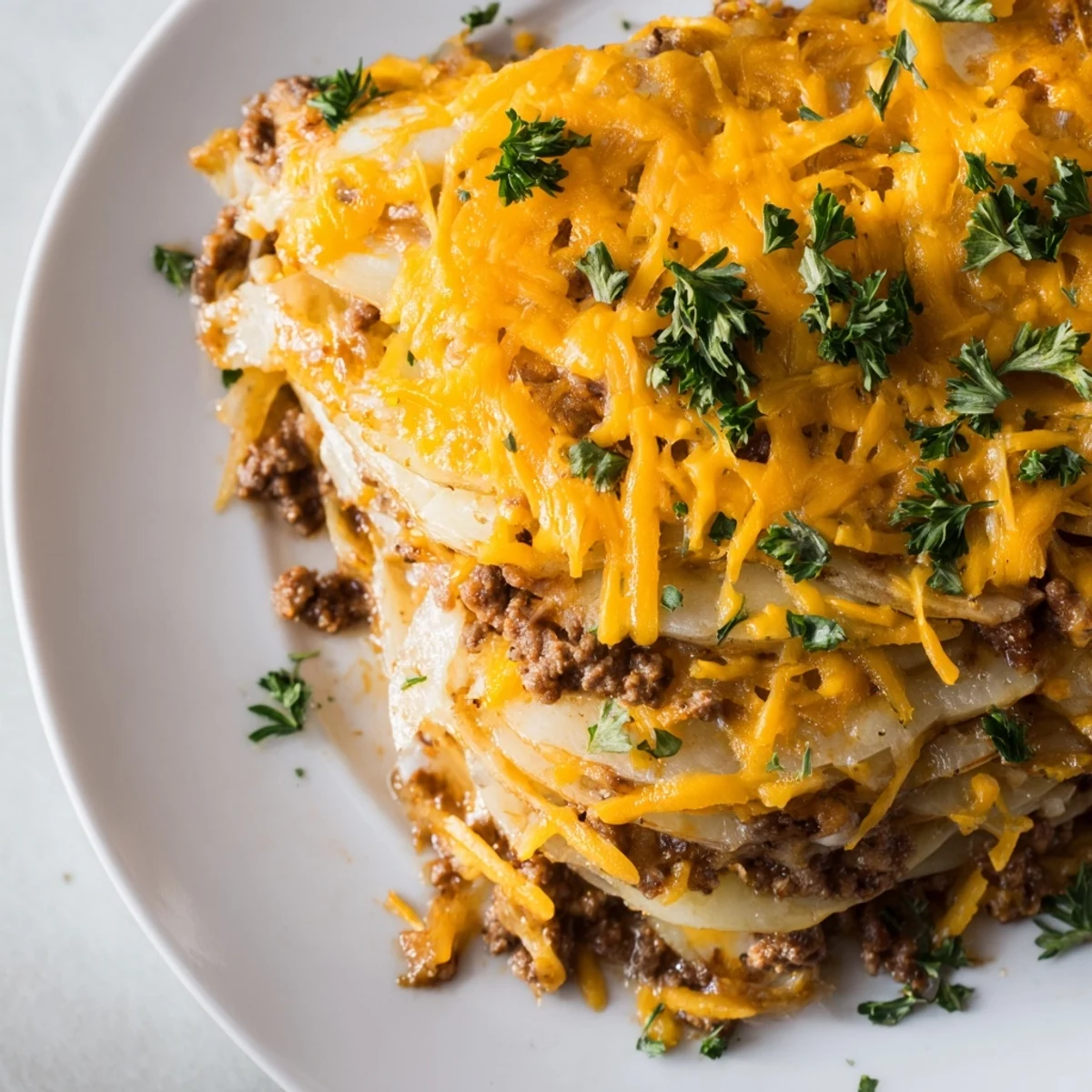
 This dish features seasoned ground beef simmered with spices and broth, layered with thinly sliced potatoes and dollops of sour cream. Milk is poured over the layers before baking in the oven, with cheddar cheese added on top for a golden finish. The result is a rich, hearty casserole combining tender potatoes and melted cheese, perfect for comforting family meals.
There's something about a casserole dish that makes a kitchen feel like home. I stumbled onto this beef and potato version on a rainy Tuesday when I had everything in my fridge but no real plan, and what came out of the oven was exactly what we all needed that night—layers of seasoned ground beef, soft potatoes, and that golden, bubbling cheese on top. It's the kind of dish that fills the house with warmth before you even take the first bite.
I made this for a crowd of my husband's coworkers once, and I remember being nervous because casseroles can feel a little homey, a little old-fashioned. But the moment I brought it to the table, everyone went quiet. Within minutes there were second servings being dished out, and someone asked if I'd write down the recipe. That's when I realized this dish has a quiet confidence about it—it doesn't need to be fancy to be memorable.
Ingredients
- Ground beef (500 g / 1.1 lb): Choose a blend with a little fat—it keeps the meat tender and flavorful as it cooks down in the casserole.
- Onion (1 large) and garlic (2 cloves): These are your flavor foundation; don't skip them or rush cooking them, as they soften into the meat beautifully.
- Potatoes (900 g / 2 lbs): Slice them thin so they soften evenly in the hour of baking—waxy potatoes like Yukon Gold hold their shape better than starchy ones.
- Cheddar cheese (200 g / 2 cups): Shredded is fine, but avoid the pre-shredded bags if you can; they melt less smoothly because of the anti-caking agents.
- Whole milk (240 ml / 1 cup) and sour cream (60 ml / 1/4 cup): The sour cream adds tang and richness, while the milk keeps everything creamy without being heavy.
- Beef stock (240 ml / 1 cup): Use homemade or low-sodium broth if you can; it makes a surprising difference in depth.
- Olive oil (2 tablespoons), salt, pepper, paprika, and thyme: These seasonings build layers—don't just dump them all at once; let them toast into the beef.
- Fresh parsley (2 tablespoons, optional): A small handful at the end brightens the whole dish and catches the light.
Instructions
- Set your oven and prep:
- Preheat to 190°C (375°F) and grease your casserole dish well so the edges don't stick. Get your potatoes sliced thin while the oven comes to temperature.
- Build the flavor base:
- Heat olive oil in a skillet over medium heat, add your chopped onions, and listen for that gentle sizzle. Cook until they turn translucent and soft, about 3 minutes, then add the minced garlic and cook just until fragrant.
- Brown the beef:
- Increase heat slightly, add the ground beef along with salt, pepper, paprika, and thyme, and break it apart as it cooks. Don't stir constantly; let it sit for a minute or two so it gets golden brown, then break it up. Once it's no longer pink, drain off any excess fat if there's more than a tablespoon or so pooling at the bottom.
- Deglaze and simmer:
- Pour in the beef stock, stir well to pick up all those browned bits stuck to the pan, and let it simmer gently for about 5 minutes. This melds the flavors together and creates a rich sauce.
- Layer the foundation:
- Spread half of your sliced potatoes across the bottom of the casserole dish in an even layer, overlapping them slightly if needed.
- Add the beef:
- Spread the beef mixture evenly over the potatoes, making sure the liquid gets distributed throughout so everything cooks evenly.
- Add tang and creaminess:
- Dollop the sour cream over the beef and spread it lightly with a spatula—you're not trying to make it perfectly smooth, just a gentle layer that will meld into the liquid.
- Top with remaining potatoes:
- Arrange the rest of your potato slices on top, creating a protective blanket that will steam everything below while baking.
- Pour the cream sauce:
- Evenly pour the milk over the entire casserole—you want it to reach about three-quarters up the height of the potatoes so they braise rather than dry out.
- First bake with foil:
- Cover tightly with foil and bake for 40 minutes. The foil traps steam and ensures the potatoes cook through before the cheese browns.
- Uncover and finish:
- Remove the foil, sprinkle your cheddar cheese evenly over the top, and bake uncovered for another 15 to 20 minutes until the cheese is golden brown and you can see the potatoes underneath are tender when you pierce one with a knife.
- Rest and serve:
- Let it sit for 10 minutes out of the oven—this allows the cream to set slightly and makes serving easier. Scatter parsley over the top if using, and serve it warm straight from the dish.
 Pin It
 My daughter once asked why this casserole was called a casserole instead of just dinner, and I realized I didn't have a good answer. I think it's because it's a dish that insists on being shared, on being brought to the table as a whole, and on taking up space. There's something generous about it that makes it feel like more than the sum of its parts.
Why This Works as Comfort Food
A casserole succeeds when every element works together without fighting for attention. The potatoes soften and absorb the savory beef juices and creamy milk, the cheese melts into the top and creates pockets of richness, and the beef becomes almost secondary—part of the landscape rather than the star. It's a lesson I've learned from making this dish a dozen times: the best food isn't about being impressive, it's about being coherent.
Room for Variations
Once you understand how this casserole works, it invites gentle changes. I've added sautéed mushrooms between layers, which bring an earthy depth, and I've swapped ground turkey for beef on lighter nights without losing the essential structure. A friend suggested stirring a handful of frozen peas into the beef mixture, and now I do that when I want a hint of green and sweetness. The skeleton of this dish is strong enough to hold small revisions without losing its identity.
Timing and Make-Ahead Options
What I love most is that you can assemble this entirely the day before, cover it, and bake it when you're ready. The flavors actually deepen as they sit overnight. If you're making it ahead, add an extra 10 minutes to your baking time since it'll be cold when it goes into the oven. You can also freeze it unbaked for up to three months; just thaw it overnight in the fridge and bake as written, possibly adding a few extra minutes.
- Make-ahead saves you from the 20-minute prep rush right when you need to be cooking.
- Leftovers heat beautifully in a low oven or even in the microwave, though the texture stays best when warmed gently.
- This is the kind of dish that tastes even better the next day, when all the flavors have had time to settle together.
 Pin It
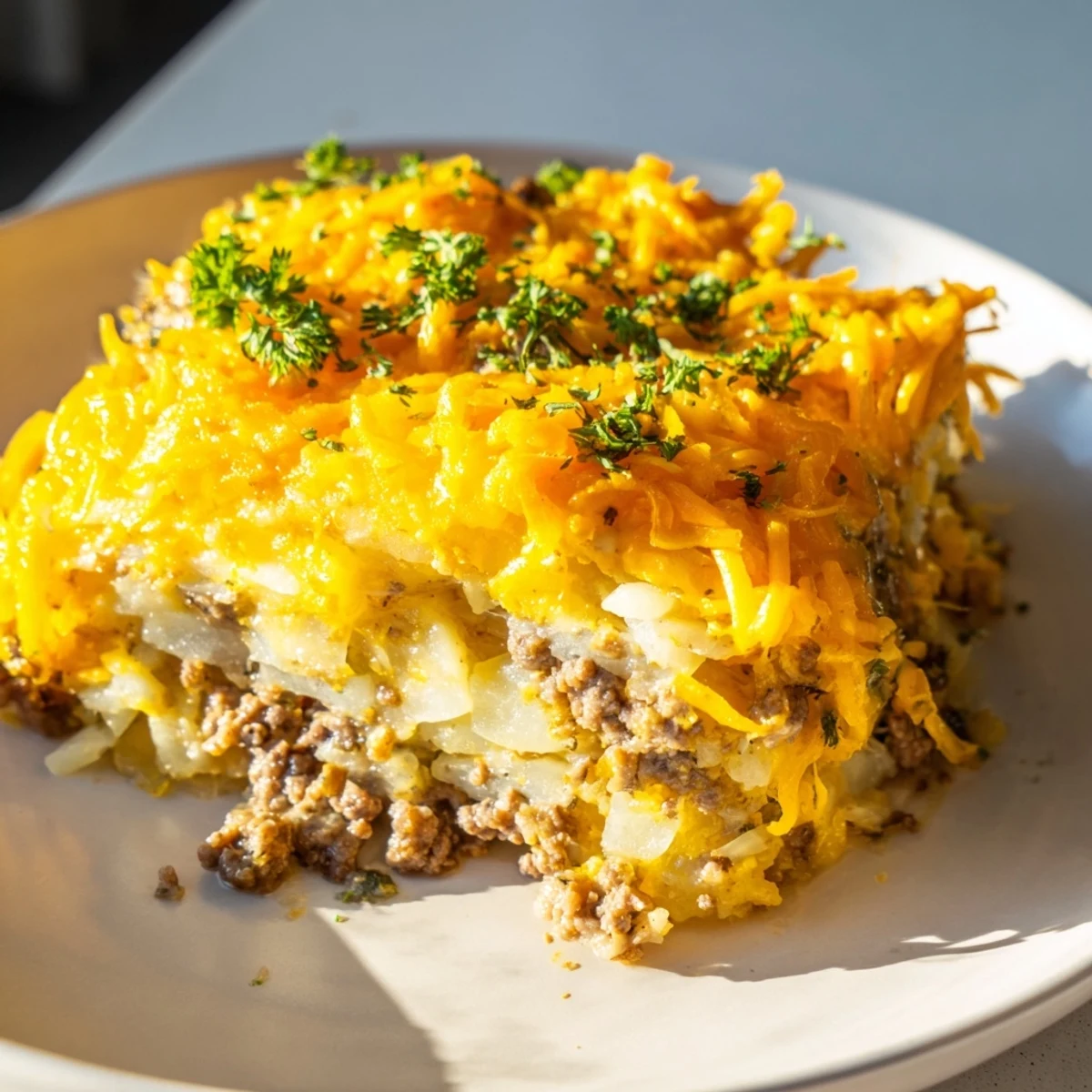
 This casserole has fed my family through winter nights, potlucks, and the occasional moment when I opened the fridge and found I had nothing planned but everything I needed. It asks very little of you and gives back quietly, filling the room with warmth and the kind of comfort that needs no explanation.
Recipe Q&A
- → Can I use ground turkey instead of beef?
-
Yes, ground turkey works well for a lighter version while maintaining great flavor.
- → How do I ensure the potatoes cook evenly?
-
Thinly slice the potatoes and layer them evenly to promote consistent cooking throughout the dish.
- → Is it necessary to drain excess fat from the beef?
-
Draining excess fat helps avoid a greasy casserole and balances the dish's richness.
- → Can I add vegetables to the casserole?
-
Sautéed mushrooms or bell peppers can be layered in for added flavor and texture.
- → What is the best way to achieve a golden cheese topping?
-
Bake the dish uncovered for 15-20 minutes after adding shredded cheddar cheese on top.