
 Pin It
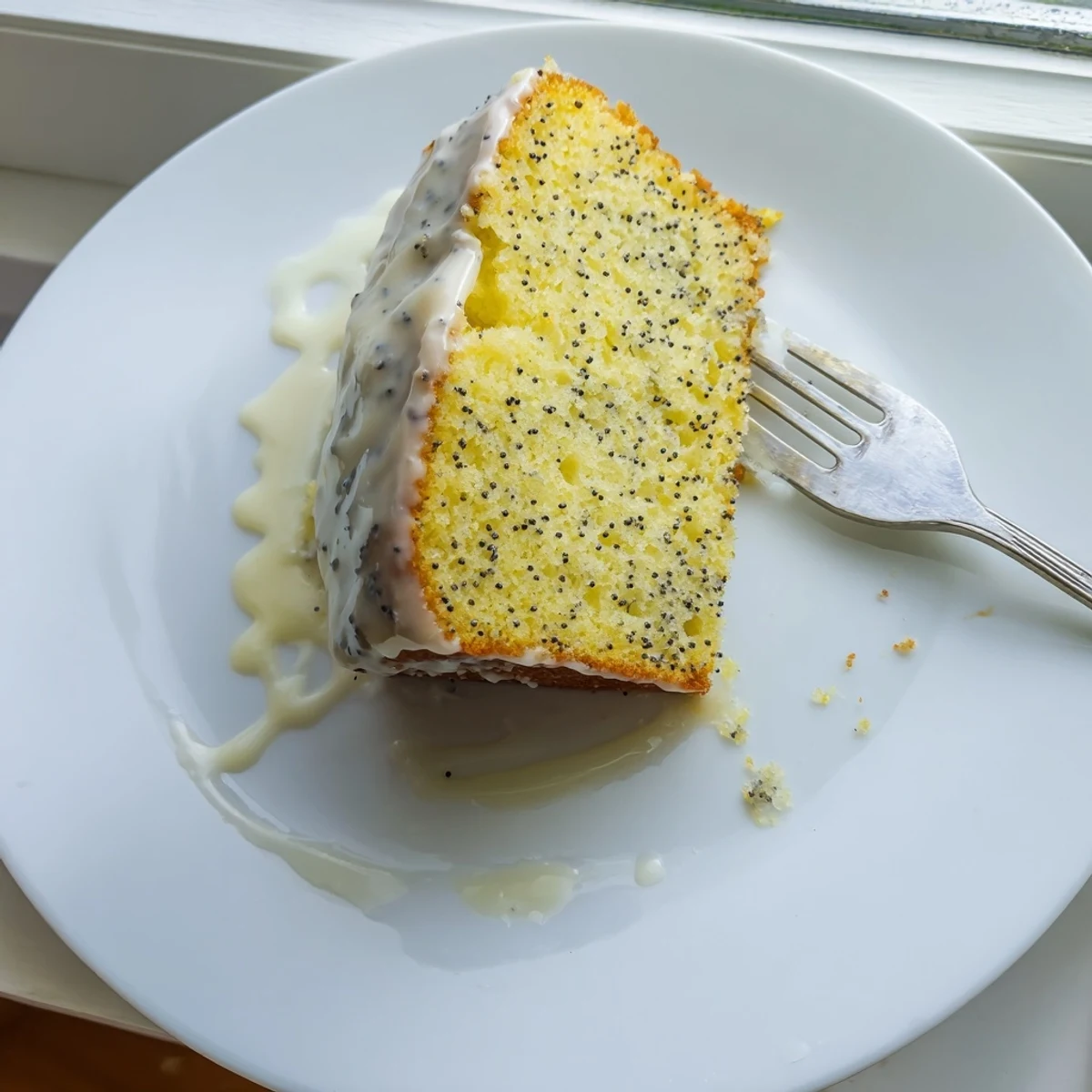
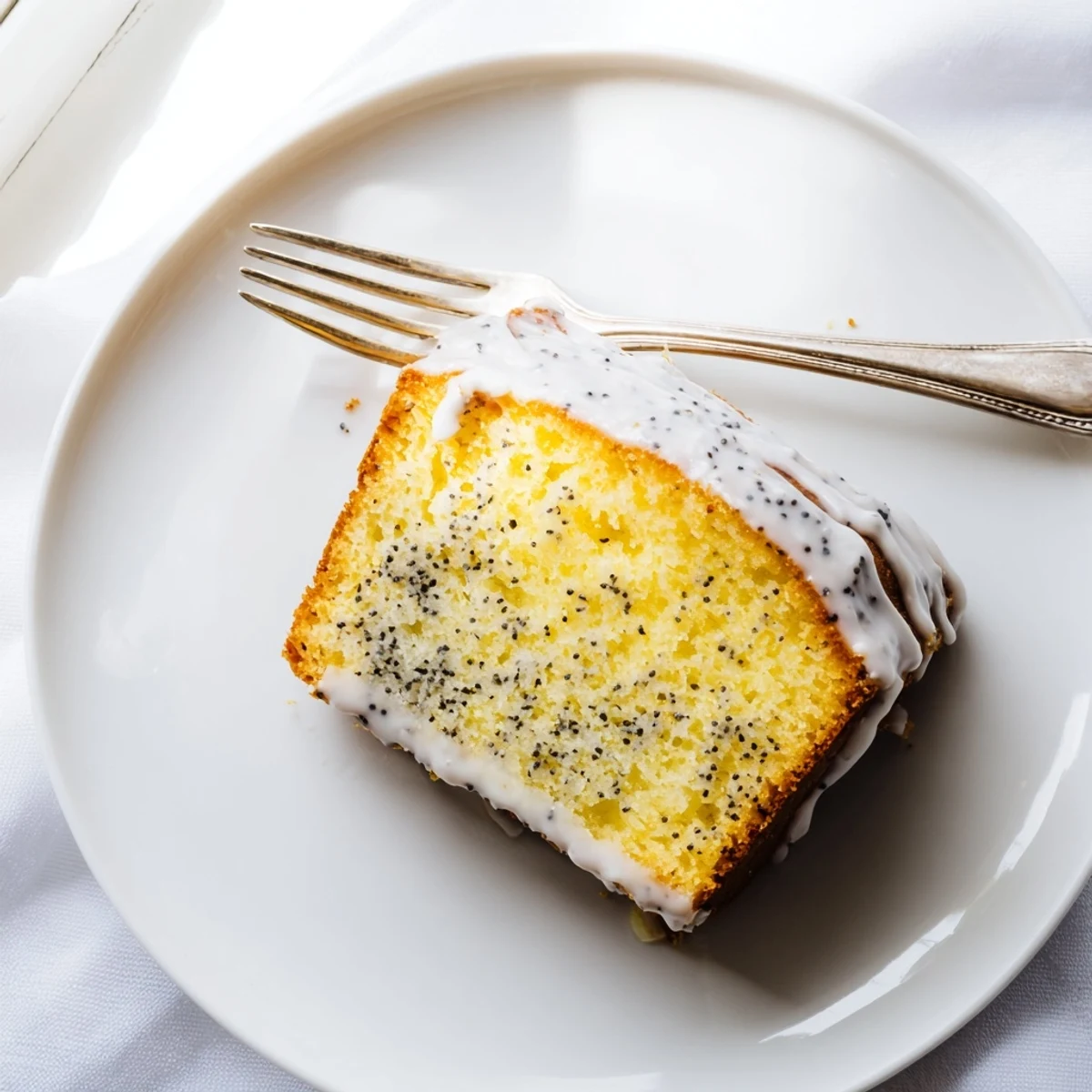
 This zesty lemon poppy seed cake delivers a perfect balance of bright citrus notes and subtle crunch. The moist crumb comes from creamed butter and sugar, while fresh lemon juice and zest provide that signature tangy flavor. Poppy seeds add delightful texture throughout. A simple powdered sugar glaze enhances the sweetness without overpowering the lemon. Ready in just over an hour, this loaf cake is ideal for brunch, dessert, or afternoon tea.
My kitchen window was open the first time I baked this lemon poppy seed loaf, and the smell that drifted out apparently traveled three houses down because my neighbor Linda showed up at the door within the hour asking what on earth I was making. That loaf disappeared in a single afternoon between the two of us, and I have been baking it every spring since without fail.
I brought this to a potluck once expecting it to get lost among the brownies and pies, but someone actually tracked me down at the party to ask for the recipe. That moment of quiet pride, watching people sneak second slices when they thought nobody was looking, is exactly why this cake stays in my rotation.
Ingredients
- Unsalted butter (3/4 cup, softened): Room temperature butter creams properly with sugar, creating the tiny air pockets that give this loaf its tender crumb.
- Granulated sugar (1 cup): Standard white sugar works best here because it dissolves cleanly into the butter during creaming.
- Large eggs (2): Adding them one at a time prevents the batter from breaking and keeps everything silky smooth.
- Whole milk (1/2 cup): The fat in whole milk adds richness, though sour cream swapped in equal measure creates an even more moist crumb if you have some handy.
- Fresh lemon juice (1/4 cup, plus 2 tbsp for glaze): Bottled juice tastes flat and metallic beside fresh squeezed, so please use real lemons here.
- Lemon zest (1 tbsp): This is where most of the lemon flavor actually lives, so zest directly into the bowl and do not skip this step.
- All purpose flour (1 1/2 cups): Spoon it into the measuring cup and level with a knife rather than scooping directly, which packs it down and yields a dense loaf.
- Baking powder (1 1/2 tsp): Check the expiration date because old baking powder loses its lift and will leave you with a flat, heavy cake.
- Salt (1/4 tsp): Just enough to sharpen the sweetness and make the lemon flavor pop.
- Poppy seeds (2 tbsp): Toasting them briefly in a dry pan before adding releases a nutty depth most people never think to try.
- Powdered sugar (3/4 cup, for glaze): Sift it first to avoid lumps in that beautiful white drizzle.
Instructions
- Set the stage:
- Preheat your oven to 350 degrees F and grease your loaf pan generously or line it with parchment paper, letting the paper hang over the sides like handles for easy removal later.
- Cream butter and sugar:
- Beat the softened butter and sugar together for a full three minutes until the mixture turns pale and noticeably fluffy, because this aeration is the foundation of your cakes tender texture.
- Welcome the eggs:
- Add eggs one at a time, mixing until each one disappears completely before the next goes in.
- Build the wet base:
- Pour in the milk, lemon juice, and zest, stirring until combined even if the batter looks slightly curdled, which is completely normal when citrus meets dairy.
- Whisk the dry team:
- In a separate bowl, whisk together the flour, baking powder, salt, and poppy seeds so everything is evenly distributed before it meets the wet ingredients.
- Bring it together:
- Gently fold the dry mixture into the wet in three additions, stopping as soon as you no longer see streaks of flour because overmixing builds gluten and toughens the crumb.
- Pour and smooth:
- Transfer the batter to your prepared pan and smooth the top with a spatula, giving the pan one gentle tap on the counter to release any large trapped air bubbles.
- Bake with patience:
- Bake for 35 to 40 minutes, checking at the 35 minute mark by inserting a toothpick into the center that should come out clean or with just a few moist crumbs.
- Cool properly:
- Let the cake rest in the pan for exactly 10 minutes before turning it out onto a wire rack, because moving it too soon can cause it to break apart.
- Glaze and finish:
- Whisk powdered sugar with lemon juice until smooth and drizzle it over the completely cooled cake, letting it drip down the sides for that classic bakery look.
 Pin It
 One rainy April afternoon my daughter helped me make this and she zest three entire lemons instead of one, and that accidentally doubled loaf was the best version we ever produced.
When to Serve This Loaf
This cake shines brightest at brunch tables alongside fresh fruit and coffee, but it also makes a wonderful afternoon snack with tea on days when you need a small bright moment.
Making It Your Own
Sour cream swapped for the milk creates a richer, more pound cake like texture that I actually prefer for summer gatherings. A drop of lemon extract in the batter adds another layer of citrus intensity that surprises people in the best way.
Storing and Sharing
This loaf keeps beautifully wrapped tightly at room temperature for up to three days, though it rarely lasts that long in my house. You can also freeze it unglazed for up to a month, then thaw and add the glaze fresh before serving.
- Wait until the cake is completely cool before glazing or the heat will melt it right off into a transparent puddle.
- Wrap leftover slices individually in plastic wrap so they stay moist and are easy to grab on the go.
- Always check ingredient labels if you are serving anyone with wheat, egg, or dairy allergies.
 Pin It
 Every time I pull this golden loaf from the oven I think of Linda standing in my doorway with that curious grin, and I smile knowing something this simple can build a bridge between neighbors.
Recipe Q&A
- → Can I make this cake ahead of time?
-
Yes, this cake actually tastes better the next day as the flavors develop. Store it wrapped at room temperature for up to 3 days, or freeze for up to 3 months. Add the glaze just before serving for the freshest appearance.
- → How do I know when the cake is done?
-
Insert a toothpick into the center of the cake. If it comes out clean or with just a few moist crumbs, it's ready. The top should be golden brown and the edges should start pulling away from the pan slightly.
- → Can I use bottled lemon juice?
-
Fresh lemon juice is highly recommended for the best flavor. Bottled juice can taste artificial and lacks the bright, complex notes of fresh citrus. The same goes for zest—only fresh lemons provide those aromatic oils.
- → Why did my batter curdle when I added the lemon juice?
-
This is completely normal and expected. The acid in lemon juice can cause the dairy to curdle slightly, but it won't affect the final texture. Continue mixing as directed, and the batter will smooth out during baking.
- → Can I make this into muffins instead?
-
Absolutely. Portion the batter into a standard 12-cup muffin tin and bake at 350°F for 18-22 minutes. You'll get about 12-15 muffins depending on size. The glaze works beautifully on muffins too.
- → What can I substitute for poppy seeds?
-
If you don't have poppy seeds or have allergies, try chia seeds for similar crunch. For a completely different twist, chopped nuts like walnuts or pecans work well, though the flavor profile will change slightly.