
 Pin It
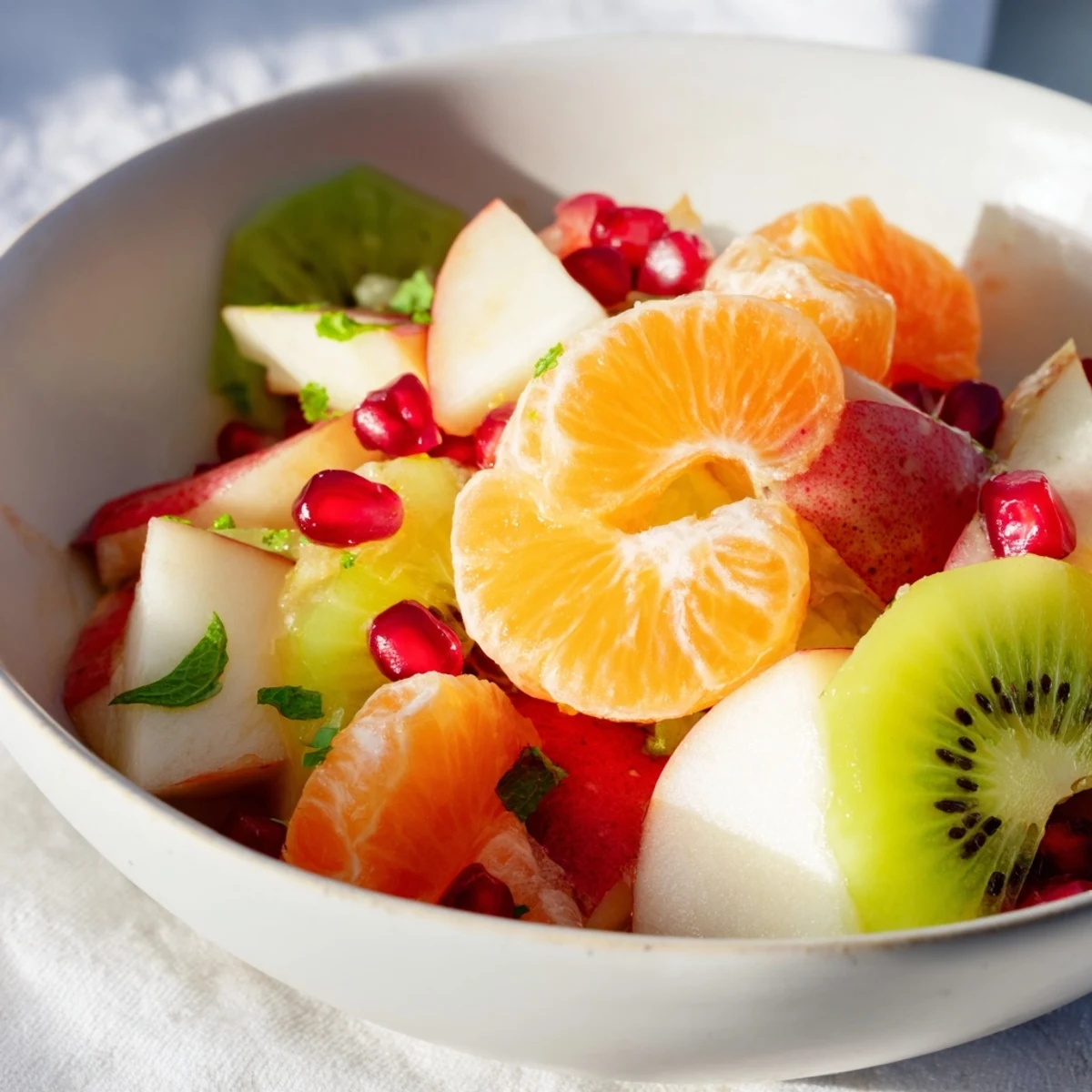
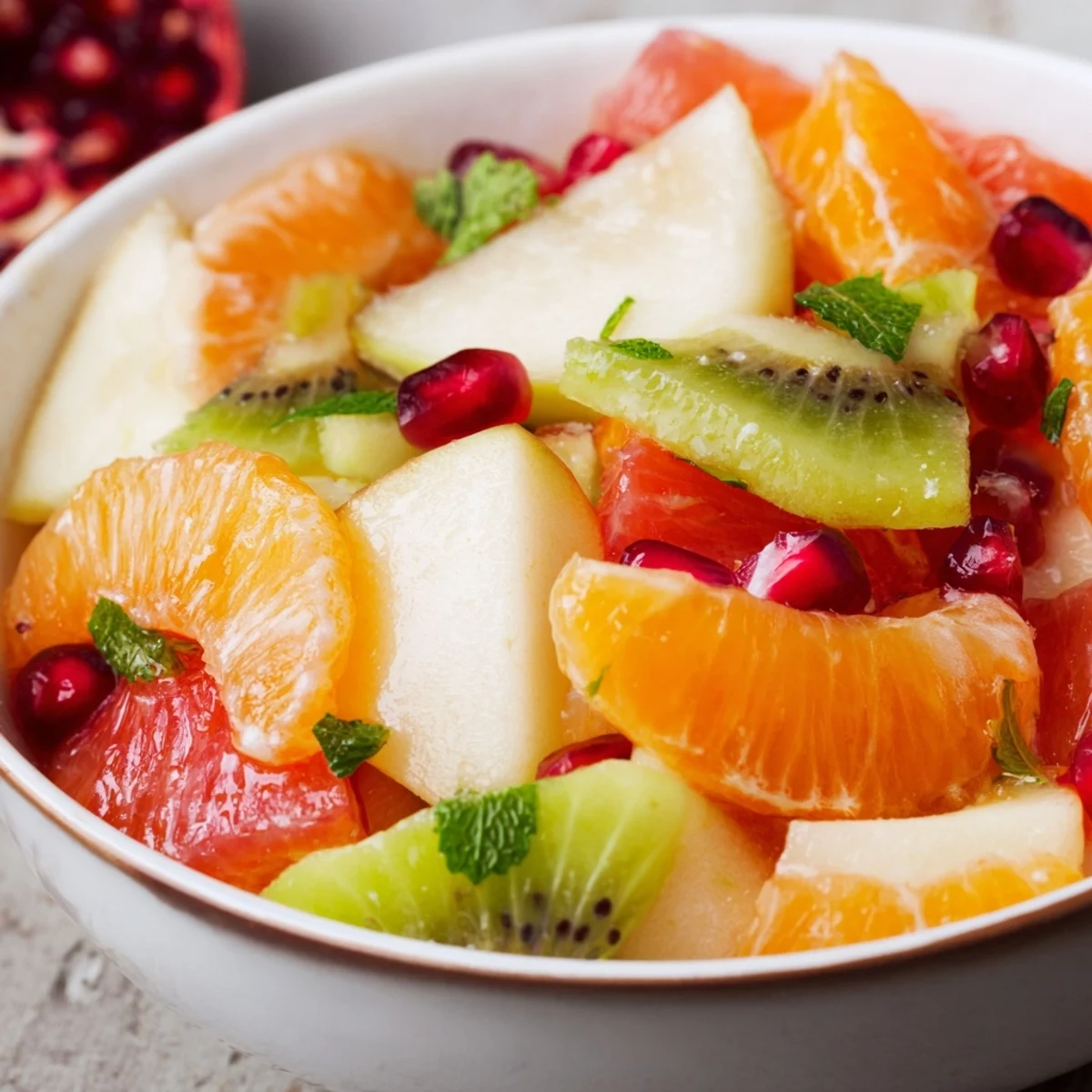
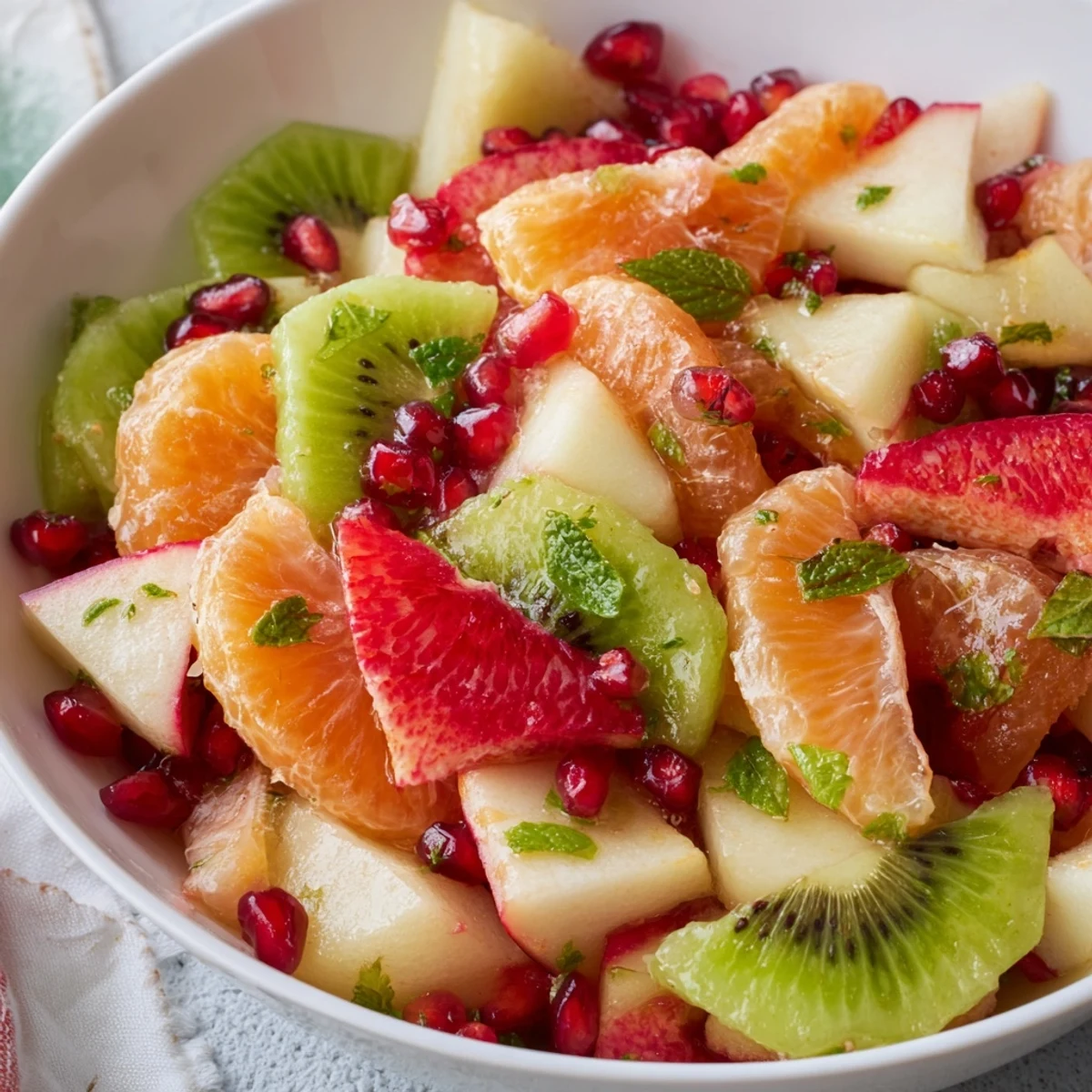
 This vibrant winter fruit dish combines juicy oranges, grapefruit, pear, apple, pomegranate, and kiwi, all tossed with a lively dressing of fresh lime juice, honey or maple syrup, and chopped mint leaves. Served chilled or fresh, it offers a naturally bright and refreshing flavor, perfect as a light dish or snack. Optional garnishes like lime zest and extra mint add more aromatic hints, while nuts or spices can introduce delightful crunch and warmth.
I made this salad on a grey January afternoon when the farmer's market had finally stocked pomegranates again. There's something about winter citrus that stops me cold—those deep reds and bright pinks against the white flesh of grapefruit. My kitchen filled with juice and the smell of lime, and suddenly the whole day felt lighter. This salad became my answer to that particular winter craving for something alive and bright.
I brought a bowl of this to my neighbor's house after her surgery, not sure if she'd want anything rich or heavy. She ate half of it straight from the fridge that evening, and later told me it was the first thing that actually tasted good to her in days. That's when I realized this wasn't just a salad—it was a small act of care disguised as fruit.
Ingredients
- Oranges: Their natural sweetness balances the tartness of the grapefruit and lime, and peeling them fresh releases oils that make your whole kitchen smell like winter.
- Grapefruit: Choose one that feels heavy for its size—that means more juice and deeper flavor. The bitterness is what makes this salad interesting.
- Pear: Pick one that yields slightly to pressure but isn't mushy; it needs to hold its shape alongside the firmer apples.
- Apple: A crisp variety like Granny Smith or Honeycrisp keeps the salad from feeling soft and one-note.
- Pomegranate: The arils add color, texture, and a slight tartness that echoes the lime. Wear an apron when you crack one open.
- Kiwi: Slice it last and add it just before serving so it doesn't weep into the other fruits and turn everything brown.
- Lime juice: Fresh is non-negotiable here; bottled juice tastes flat and medicinal by comparison.
- Honey or maple syrup: Both work beautifully; maple syrup feels more autumn to me, but honey is what I reach for in winter.
- Fresh mint: Chop it with a gentle hand just before you need it, or it bruises and darkens.
Instructions
- Prep like you mean it:
- Peel and segment your citrus fruits over a bowl to catch any juice—that liquid gold goes into your dressing. Dice the pear and apple into pieces about the same size as your orange segments so everything feels intentional together. Put all your prepared fruit into a large mixing bowl, letting the pomegranate arils tumble in last so they don't crush under the weight of everything else.
- Build the dressing:
- Whisk lime juice with honey and chopped mint in a small bowl until the honey dissolves completely. Taste it and adjust—if it feels too sharp, add a touch more honey; if it's too sweet, squeeze in another half-lime. This is your moment to get the balance exactly right.
- Bring it all together:
- Pour the dressing over your fruit and use a gentle hand to toss everything until each piece is lightly coated. Some of the citrus juice from prep will already be in the bowl, and it mingles with your dressing to create something better than either one alone.
- Finish and serve:
- Transfer everything to a serving bowl, scatter extra mint leaves across the top, and zest a little lime over it if you want the dish to look as good as it tastes. You can serve it right away while it's cold and crisp, or cover it and chill for up to two hours—the flavors actually deepen as they sit together.
 Pin It
 My daughter once asked why this salad made her tongue feel happy, and I didn't have a better answer than the combination of sweet and tart and fresh all at once. That's when I understood that some dishes are more than nutrition—they're small moments of brightness you can share.
Why Winter Fruit Matters
Winter fruit gets overlooked because we're taught to crave berries and stone fruit in summer. But citrus in January tastes different than citrus in June—more concentrated, more necessary. Grapefruit especially has a complexity that comes from the cooler months, and pomegranate feels like a celebration all on its own. Building a salad around these fruits instead of fighting the season makes everything feel simpler and more real.
The Mint and Lime Difference
I used to think mint was just garnish, something fancy that didn't change much. Then I made a dressing where mint was actually chopped and whisked with the lime, and suddenly I understood—the essential oils in fresh mint dissolve slightly with the acid and sweetness, creating something that tastes nothing like a garnish. It's the difference between decoration and seasoning. Lime juice alone on fruit is bright but one-dimensional; add mint and it becomes alive.
Simple Additions That Transform It
This salad is beautiful on its own, but sometimes the season or a craving pulls you toward variation. A handful of toasted walnuts adds an unexpected earthiness and crunch that makes you pause between bites. Ground ginger or cardamom wakes everything up in a different direction, turning it from simple fruit into something almost dessert-like. Even swapping one fruit out—a persimmon in early winter, a mango if you can find one that's any good—keeps it from feeling like you're serving the exact same thing every time.
- Toasted nuts add texture without weighing the dish down if you toast them yourself and use them sparingly.
- Warm spices like ginger work better when sprinkled just before serving, so they don't dissolve into the fruit.
- Fresh fruit swaps work best when you maintain the mix of sweet, tart, and firm—don't load it with all soft fruit or it becomes mushy.
 Pin It
 This salad lives in that rare space where healthy and indulgent feel like the same thing. Keep it simple, let the fruit speak, and watch people come back for seconds.
Recipe Q&A
- → What fruits are used in this winter dish?
-
It includes oranges, grapefruit, pear, apple, pomegranate seeds, and kiwi slices for a colorful and fresh combination.
- → How is the dressing prepared?
-
The dressing combines lime juice, honey or maple syrup, and finely chopped fresh mint leaves, whisked together to coat the fruit evenly.
- → Can I add nuts or spices to enhance the dish?
-
Yes, a handful of toasted walnuts or pistachios adds crunch, and a sprinkle of ground ginger or cardamom lends warm, aromatic notes.
- → Is this fruit salad served chilled or at room temperature?
-
It can be served immediately or chilled for up to two hours for a cooler, more refreshing taste.
- → Are there any dietary considerations?
-
This combination is vegan, gluten-free, and dairy-free; however, if honey is used, it is not suitable for strict vegans.