
 Pin It
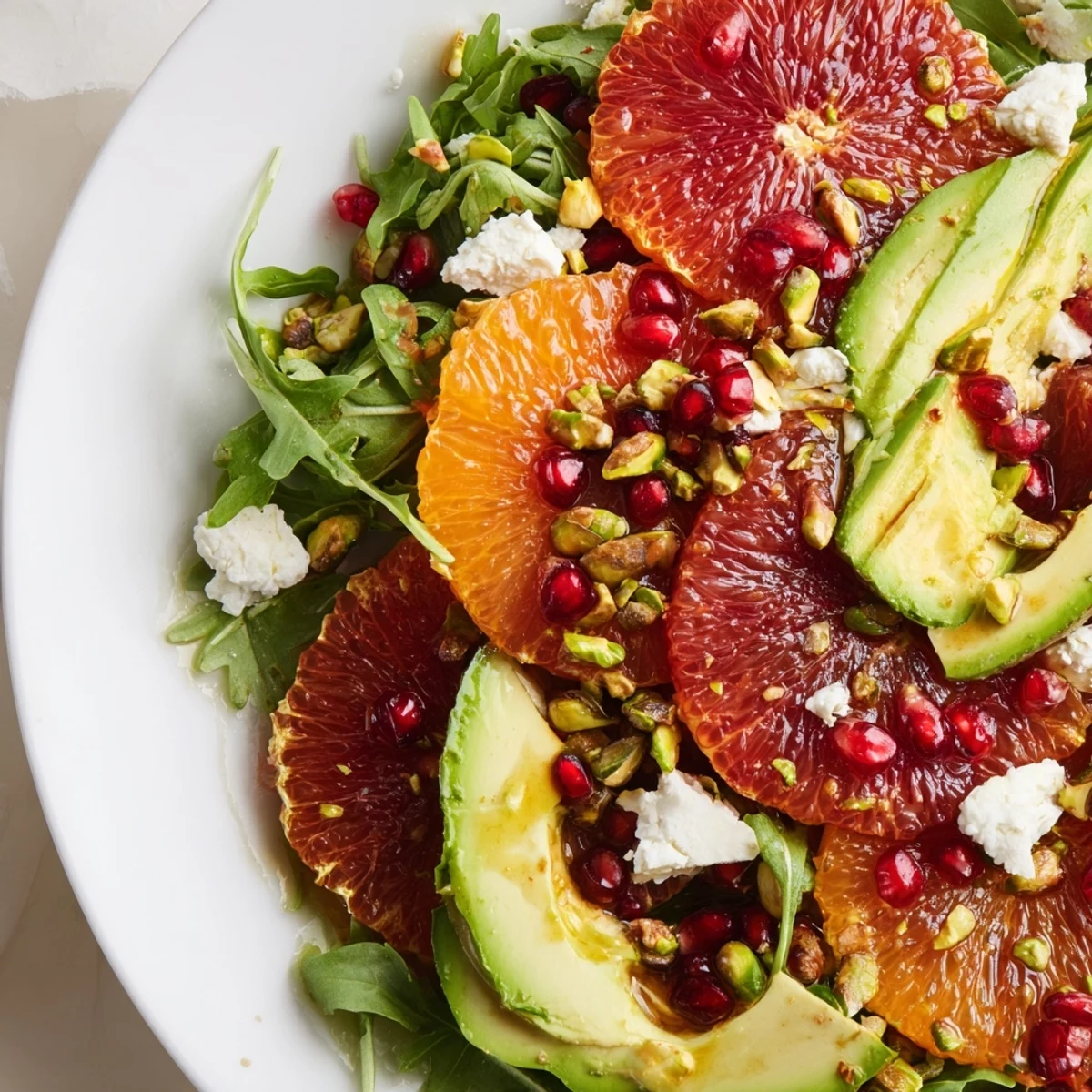
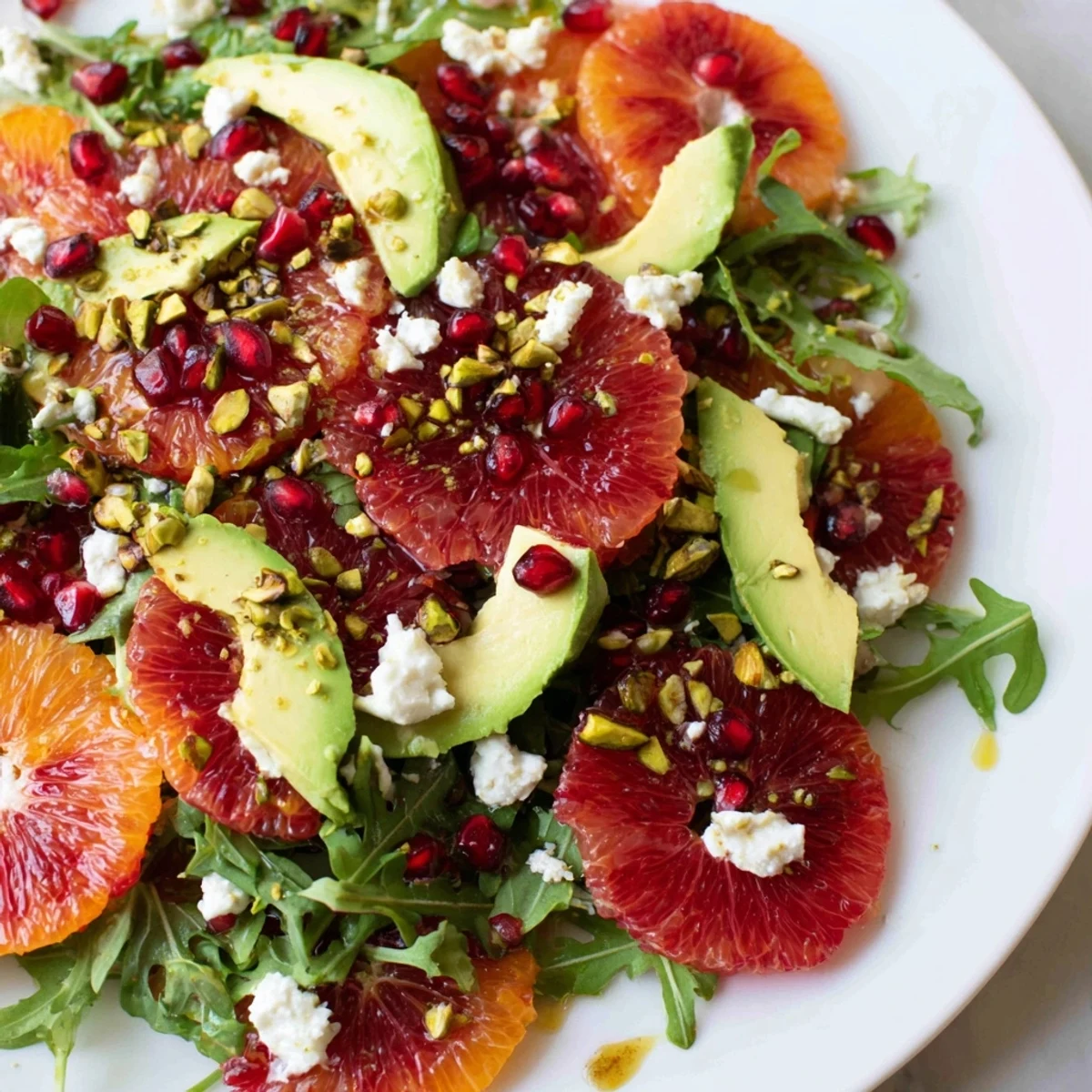
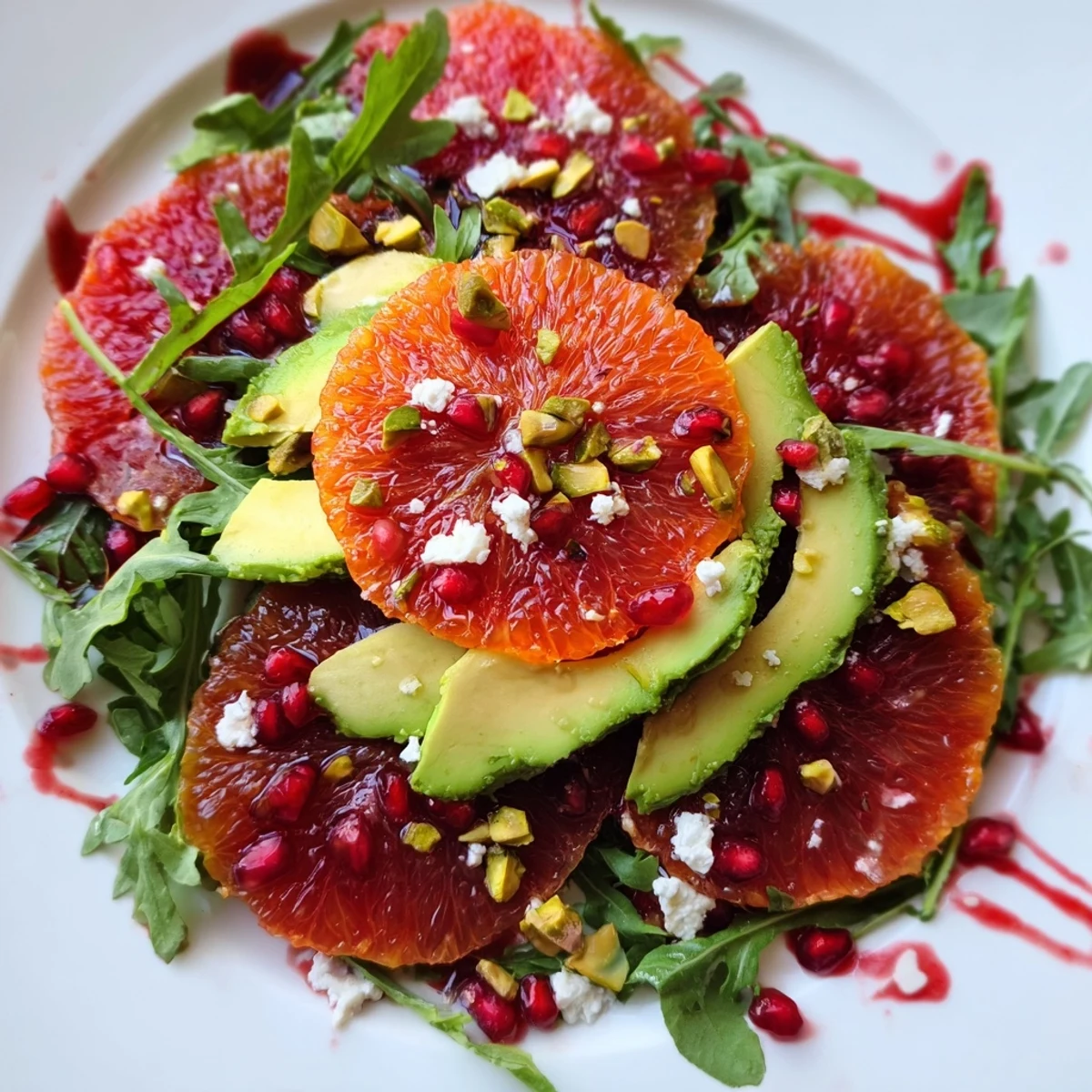
 This vibrant winter salad blends juicy navel oranges, ruby grapefruit, and blood oranges with peppery arugula and creamy avocado. Topped with crunchy pistachios, pomegranate seeds, and optional feta, it’s finished with a tangy pomegranate vinaigrette that brightens every bite. Perfect for cold days, the salad offers a refreshing balance of sweet, tart, and savory flavors with easy preparation in just 20 minutes. Nut and dairy alternatives make it adaptable to different diets.
I started making this salad on gray January afternoons when the farmers market still had something bright to offer. The jewel-toned citrus and ruby pomegranate seeds felt like edible sunlight on the plate. It became my answer to winter fatigue without turning on the oven.
I brought this to a potluck once and watched three people go back for seconds before the main course was served. One friend asked if I'd catered it. I just laughed and told her it was fruit on leaves with a really good dressing.
Ingredients
- Navel oranges: Sweet and seedless, they slice cleanly into rounds that hold their shape on the platter.
- Ruby grapefruit: The pink flesh adds tartness and a gorgeous blush color that contrasts with the oranges.
- Blood oranges: Their deep crimson juice and berry-like sweetness make the salad look almost too pretty to eat.
- Arugula or mixed baby greens: Arugula brings a peppery bite that balances the sweet citrus, but any tender green works.
- Avocado: Adds creamy richness and helps mellow the acidity of the citrus and vinaigrette.
- Pomegranate seeds: They burst with tart juice and add little pops of texture throughout the salad.
- Toasted pistachios: Toasting them in a dry skillet for a few minutes wakes up their flavor and gives you that essential crunch.
- Feta cheese: Salty and tangy, it ties everything together, but the salad is just as good without it.
- Pomegranate juice: The base of the vinaigrette, it mirrors the seeds and adds a fruity depth.
- Red wine vinegar: Sharpens the dressing with acidity and keeps it from tasting flat.
- Dijon mustard: Acts as an emulsifier and gives the vinaigrette a subtle savory backbone.
- Honey or maple syrup: A little sweetness rounds out the tartness and makes the dressing cling to the greens.
- Extra-virgin olive oil: Use a fruity one if you have it, it makes the vinaigrette taste silky and rich.
- Sea salt and black pepper: They wake up every other flavor and make the citrus taste even brighter.
Instructions
- Make the vinaigrette:
- Whisk the pomegranate juice, red wine vinegar, Dijon mustard, honey, olive oil, salt, and black pepper in a small bowl until it looks glossy and thick. Taste it and adjust the sweetness or salt if needed.
- Arrange the greens:
- Spread the arugula or mixed greens across a large platter or divide them among individual plates. Leave a little breathing room so the citrus can shine.
- Layer the citrus:
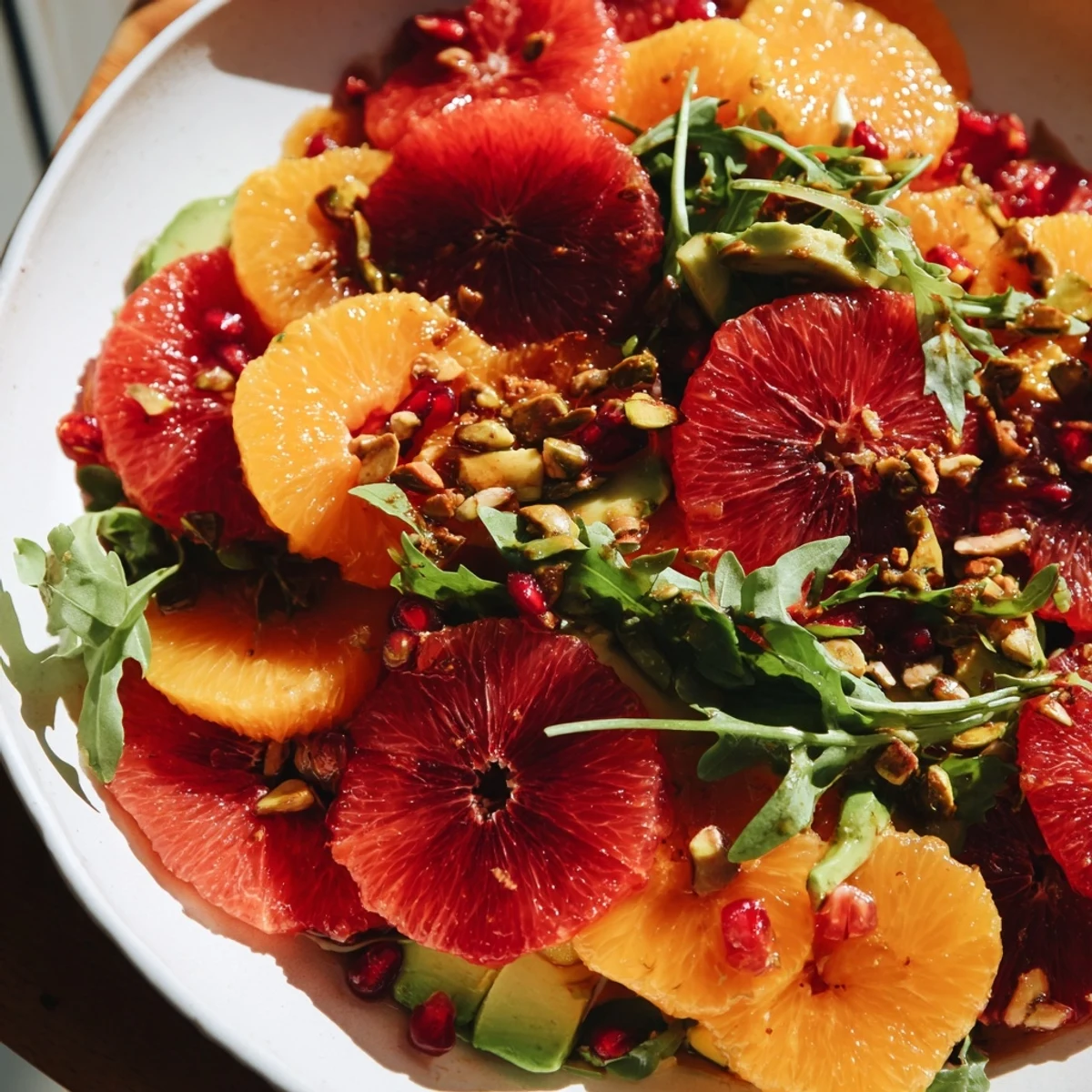
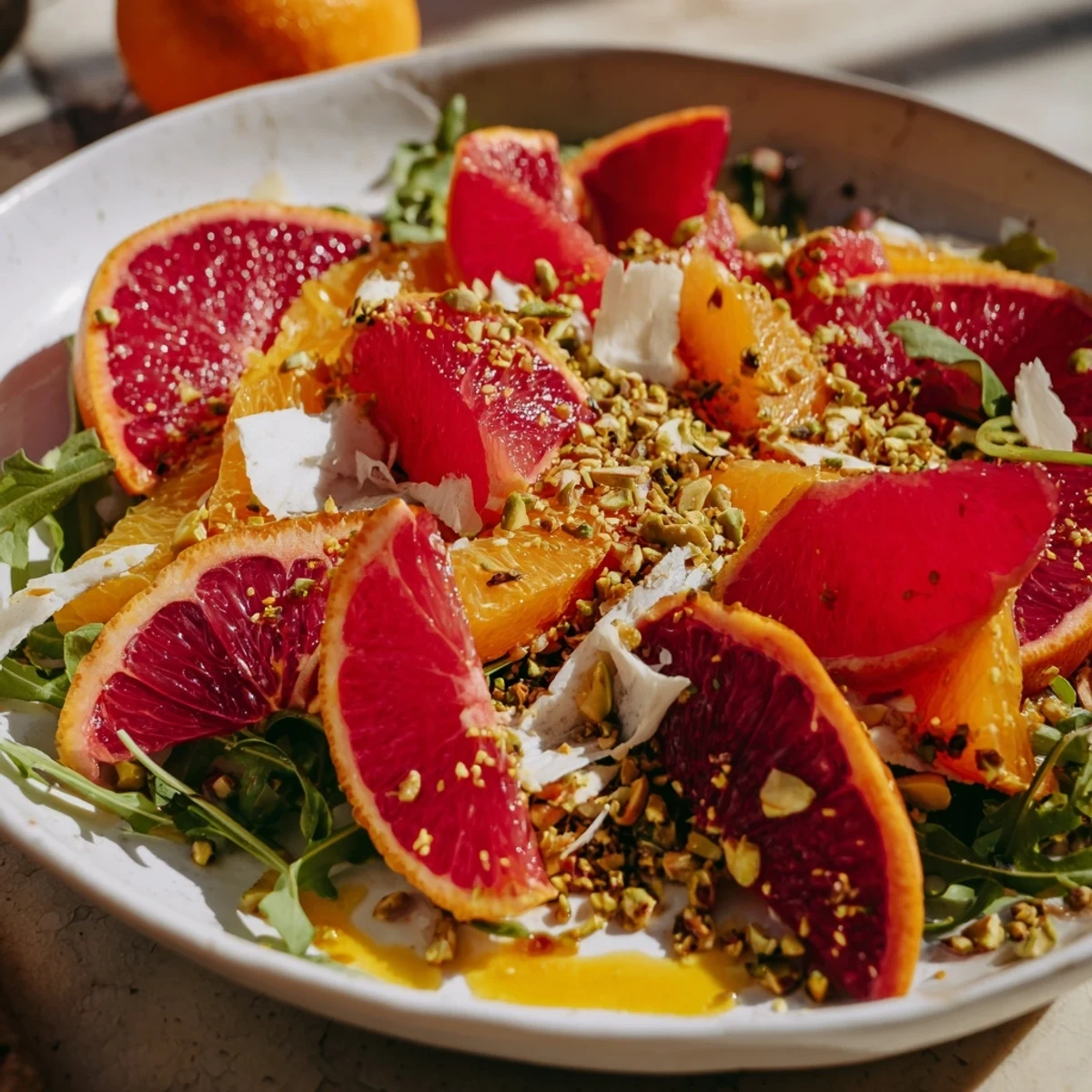
- Lay the orange, grapefruit, and blood orange rounds over the greens, alternating colors for a stained-glass effect. Overlap them slightly so every bite has a mix.
- Add the avocado:
- Tuck the avocado slices in between the citrus rounds. They should look casual, not too perfect.
- Sprinkle the toppings:
- Scatter the pomegranate seeds, toasted pistachios, and feta cheese evenly over the salad. Don't be shy with the seeds, they add little bursts of flavor.
- Dress and serve:
- Drizzle the pomegranate vinaigrette over everything just before serving so the greens stay crisp. Serve immediately while the textures are still distinct.
 Pin It
  Pin It
 The first time I served this, my dad said it tasted like California in winter. He grew up picking oranges from backyard trees and I think the smell of fresh citrus brought him back there for a minute.
Ingredient Swaps and Variations
You can swap the pistachios for toasted walnuts or almonds if that's what you have. If you can't find blood oranges, use all navels or add a few clementines. Goat cheese crumbles beautifully in place of feta, and grilled chicken or shrimp turns this into a full meal.
Storage and Make-Ahead Tips
You can prep the vinaigrette up to three days ahead and keep it in a jar in the fridge. The citrus can be peeled and sliced a few hours early, just cover it tightly so it doesn't dry out. Assemble everything right before serving so the greens stay crisp and the avocado stays green.
Serving Suggestions
This salad works as a starter before roasted chicken or grilled fish, or as a light lunch on its own. I've served it alongside crusty bread and a bowl of soup on cold weeknights. It pairs beautifully with a crisp Sauvignon Blanc or a light Pinot Noir.
- Serve it on a white platter so the colors really pop.
- Add a few thin slices of red onion if you like a sharper bite.
- Finish with a sprinkle of flaky sea salt for extra texture.
 Pin It
  Pin It
 This salad reminds me that not everything needs heat to feel satisfying. Sometimes the best meals are the ones you can throw together with a good knife and a little bit of color.
Recipe Q&A
- → What types of citrus work best for this salad?
-
Navel oranges, ruby grapefruit, and blood oranges provide a vibrant mix of sweet and tangy flavors and appealing colors.
- → Can I substitute the greens?
-
Yes, arugula or any mixed baby greens work well, offering a peppery, fresh base.
- → Are there alternative nuts recommended?
-
Pistachios add crunch, but toasted walnuts or almonds can be used for different texture and flavor.
- → How is the pomegranate vinaigrette prepared?
-
Whisk pomegranate juice with red wine vinegar, Dijon mustard, honey, olive oil, salt, and pepper until emulsified.
- → Is there a dairy-free option for the cheese?
-
Omit the feta or substitute with goat cheese for a different flavor; skipping cheese makes the dish dairy-free.
- → Can this salad be paired with protein?
-
Grilled chicken or other proteins can be added to enhance satiety and balance the meal.