
 Pin It
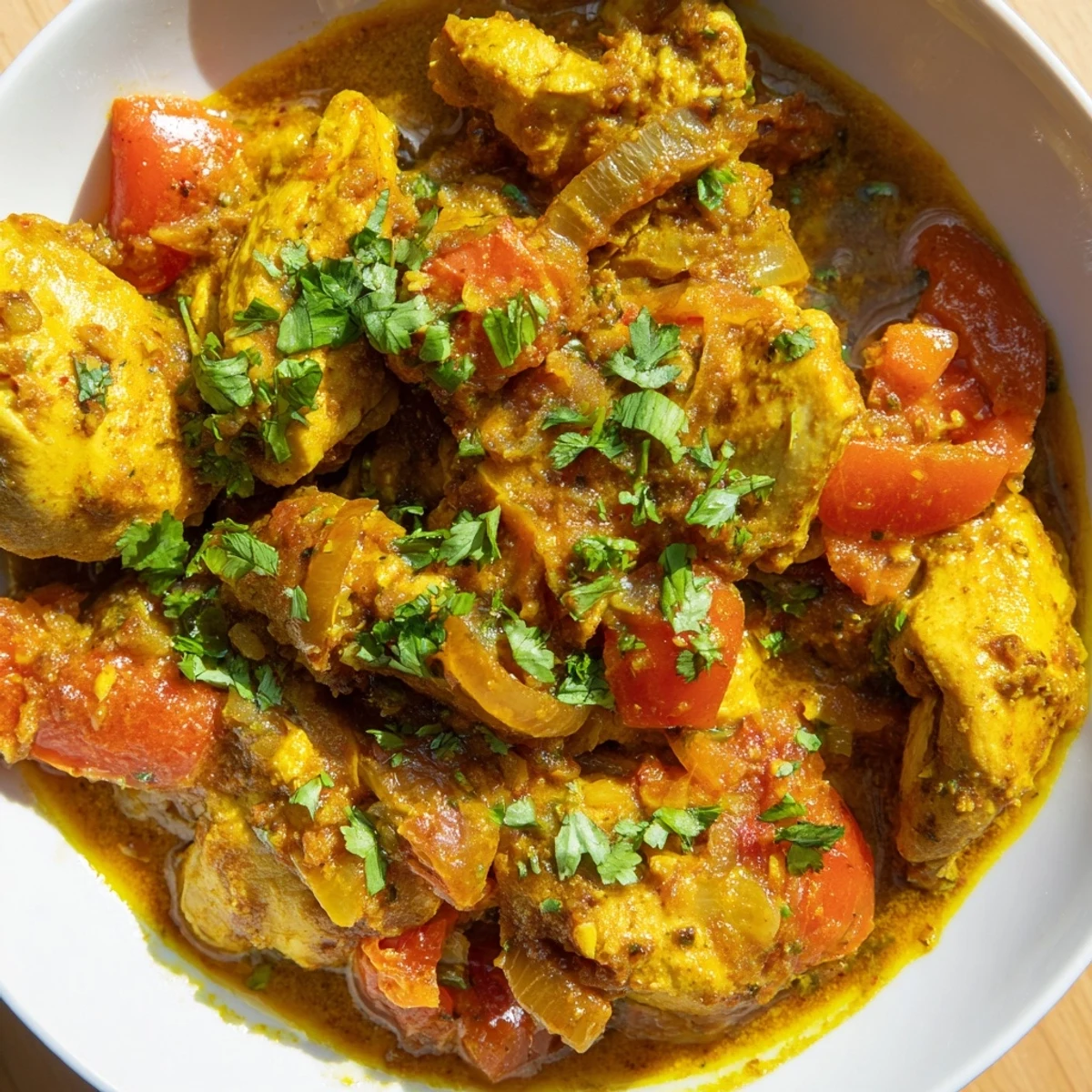
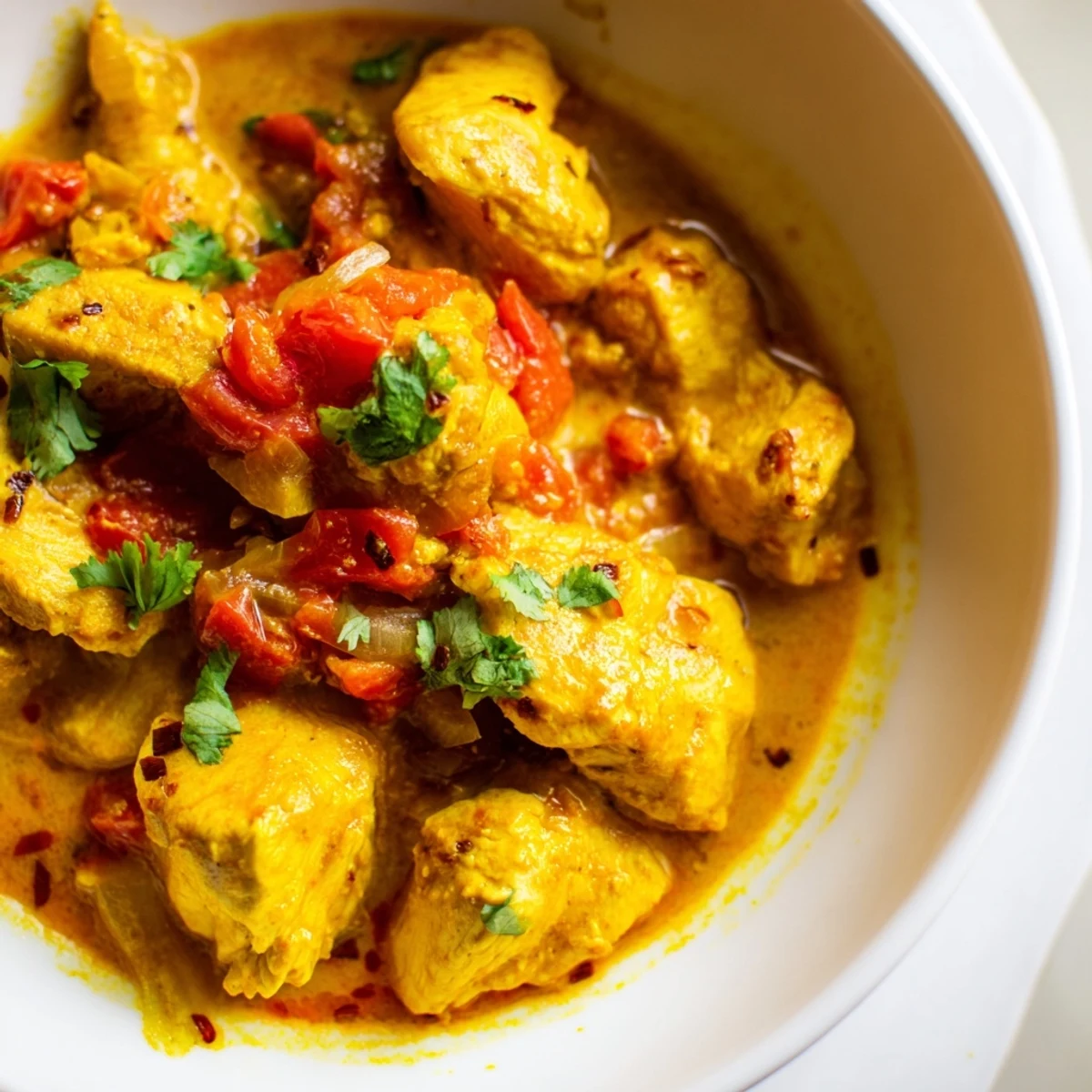
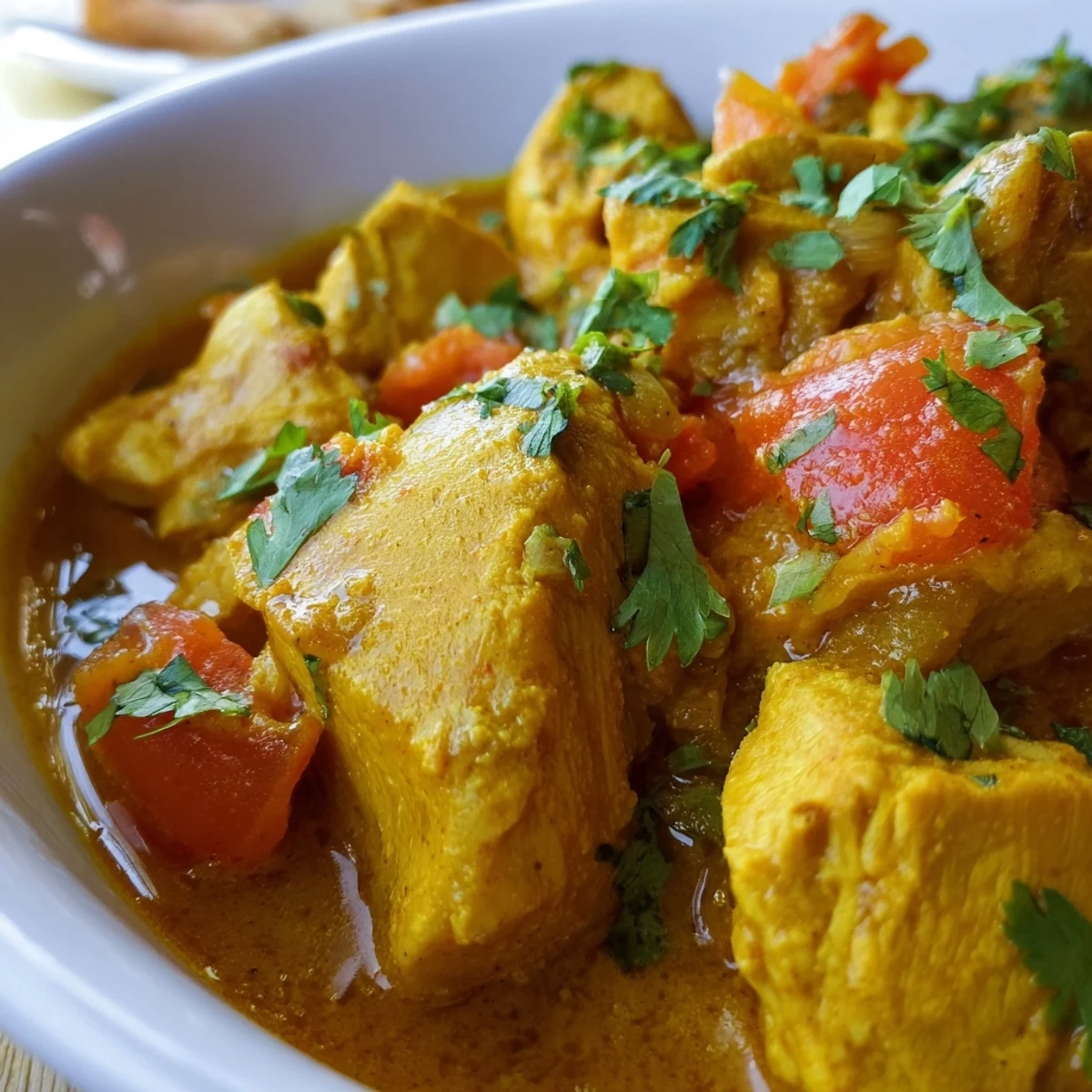
 This dish features tender chicken thighs simmered gently in a fragrant blend of curry powder, cumin, coriander, and garam masala. Sautéed onions, garlic, and ginger build depth, while coconut milk adds creamy richness. The sauce is perfectly balanced with tomato acidity and a hint of heat from chili powder and cayenne. Finished with fresh cilantro and optional lime juice, it’s an inviting, flavorful main suitable for a satisfying weeknight meal.
There's something about the moment you crack open a container of curry powder—that first whiff hits before you've even started cooking, and suddenly you're transported. I learned to make this curry on an ordinary Tuesday when my neighbor stopped by with a jar of spice blend her sister had sent from Delhi, and within minutes we were in my kitchen experimenting. The chicken thighs melted into the sauce like they belonged there, and by the time it hit the table, she was asking for the recipe before taking a single bite.
I made this for my parents the first time they visited my apartment, and watching my dad take that first spoonful while my mom snuck pieces of chicken when she thought no one was looking—that's when I knew the recipe worked. The kitchen filled with such a warm, welcoming smell that they stayed longer than planned, just sitting at the table, eating and talking.
Ingredients
- Chicken thighs: Cut into bite-sized pieces so they cook evenly and soak up all that sauce; thighs are forgiving because the fat keeps them moist even if you accidentally overcook them.
- Onion: Chopped fine and caramelized first—this becomes the sweet foundation that balances all the spice.
- Garlic and ginger: Minced fresh, never from a jar for this dish; they bloom in the hot oil and fill your kitchen with that familiar warm smell.
- Tomatoes: Chopped fresh or canned; they break down into the sauce and add natural acidity that brightens everything.
- Curry powder: The backbone of the dish; a good curry powder already blends several spices, so it saves time without sacrificing depth.
- Cumin, coriander, chili powder: These three create layers—earthy warmth, floral notes, and growing heat.
- Turmeric and cayenne: Turmeric gives color and earthy depth; cayenne is optional because not everyone wants their food fighting back.
- Garam masala: This goes in at the end as a finishing touch, bringing everything into focus like the final chord of a song.
- Coconut milk: The luxury ingredient that makes the sauce silky and rounds out the harsh edges of heat.
- Chicken stock or water: This thins the sauce to the right consistency without diluting flavor.
- Vegetable oil: Use something neutral that won't compete with the spices.
- Cilantro and lime: Fresh garnishes that wake up your palate right before you eat.
Instructions
- Start with the foundation:
- Heat oil in a large pan over medium heat and add chopped onions, stirring every minute or so until they turn golden brown and start to soften (about 5 minutes). This isn't rush time—you want them genuinely sweet before moving forward.
- Wake up the aromatics:
- Stir in minced garlic and ginger, cooking for about a minute until the raw edge softens and the smell becomes almost perfumy. You'll know it's ready when you can't ignore how good your kitchen smells.
- Toast the spices:
- Add curry powder, cumin, coriander, chili powder, turmeric, cayenne, and black pepper all at once, stirring constantly for 1–2 minutes. The dry heat brings out flavors that would stay dormant otherwise, and the spices will darken slightly and smell even more incredible.
- Bring in the tomatoes:
- Add chopped tomatoes and cook for about 4 minutes, stirring occasionally, until they collapse and soften into the spices. They'll release their juice and start creating the base of your sauce.
- Add the chicken:
- Place all the chicken pieces into the pan, sprinkle with salt, and cook for 5–6 minutes, stirring every couple of minutes. You want some browning on the edges, which adds flavor even though it's not the main event here.
- Build the sauce:
- Pour in coconut milk and chicken stock, scraping the bottom of the pan with your spoon to release all the stuck-on flavor (the French call this deglazing, and it's non-negotiable). Stir everything together until it looks cohesive, then adjust the heat to low and cover the pan.
- Let it simmer:
- Leave it on low heat covered for 20 minutes, stirring occasionally just to keep everything moving together. The chicken continues cooking gently, and the flavors start marrying into something greater than their parts.
- Finish and refine:
- Remove the lid, sprinkle in garam masala, and let it simmer uncovered for another 5 minutes so the sauce thickens slightly and the garam masala perfume rises through everything. Taste it now and add more salt, chili powder, or lime juice if you want.
- Serve with intention:
- Garnish with fresh cilantro and a squeeze of lime juice right before eating, serving alongside steamed basmati rice or warm naan that can soak up every bit of sauce.
 Pin It
 A friend once told me that the best meals are the ones where people forget to check their phones, and this curry does that. There's something about a dish that asks you to slow down and pay attention that makes an ordinary evening feel a little bit sacred.
Choosing Your Heat Level
This curry is naturally warming without being aggressive, but heat tolerance varies wildly, so you get to decide. If you like some spice but not a lot, start with just the chili powder and no cayenne; if you're someone who wants their food to challenge you, add fresh chopped chilies right in with the onions and don't skip the cayenne. I've made both versions and watched different people come back for different reasons, which feels like the whole point of cooking.
What to Serve It With
Basmati rice is the traditional pairing and works beautifully because its delicate flavor doesn't compete, but naan adds a fun element because you can use it to scoop and soak. Some people make a quick raita (yogurt with cucumber and mint) on the side, and honestly, that cool, creamy contrast against the warm spice is chef's kiss.
Making It Your Own
Once you understand how this curry works, you can play with it—add spinach or peas in the last few minutes, swap the chicken for cauliflower, throw in some cashews for richness. The structure is flexible enough to absorb your preferences without falling apart.
- Coconut milk can be halved and replaced with yogurt if you want something tangier and less rich.
- Frozen chicken works just fine, but thaw it first so it cooks evenly without the edges getting overdone.
- This freezes beautifully for up to three months and often tastes even better the next day when the flavors have settled into place.
 Pin It
 This curry taught me that good food doesn't need to be complicated or fussy—it just needs to be made with attention and served with generosity. Make it and watch what happens.
Recipe Q&A
- → What cut of chicken is best for this dish?
-
Boneless, skinless chicken thighs are ideal as they stay tender and juicy during simmering, enriching the overall flavor and texture.
- → Can the spice level be adjusted?
-
Yes, chili powder and cayenne pepper quantities can be reduced or increased based on your preferred heat level without compromising the aromatic profile.
- → Is coconut milk necessary in this preparation?
-
Coconut milk adds creaminess and a subtle sweetness that balances the spices. However, you may substitute with cream or a dairy-free alternative if preferred.
- → How long should the curry be simmered?
-
Simmer the chicken mixture for about 20 minutes covered to allow flavors to meld and the meat to tenderize, followed by 5 minutes uncovered to thicken the sauce.
- → What side dishes complement this dish well?
-
Steamed basmati rice or warm naan bread provide excellent accompaniments, helping to soak up the rich, spiced sauce.
- → Can chicken breast be used instead of thighs?
-
Yes, chicken breast can be used but may result in a leaner texture; thighs offer more moisture and richer flavor in this preparation.