
 Pin It
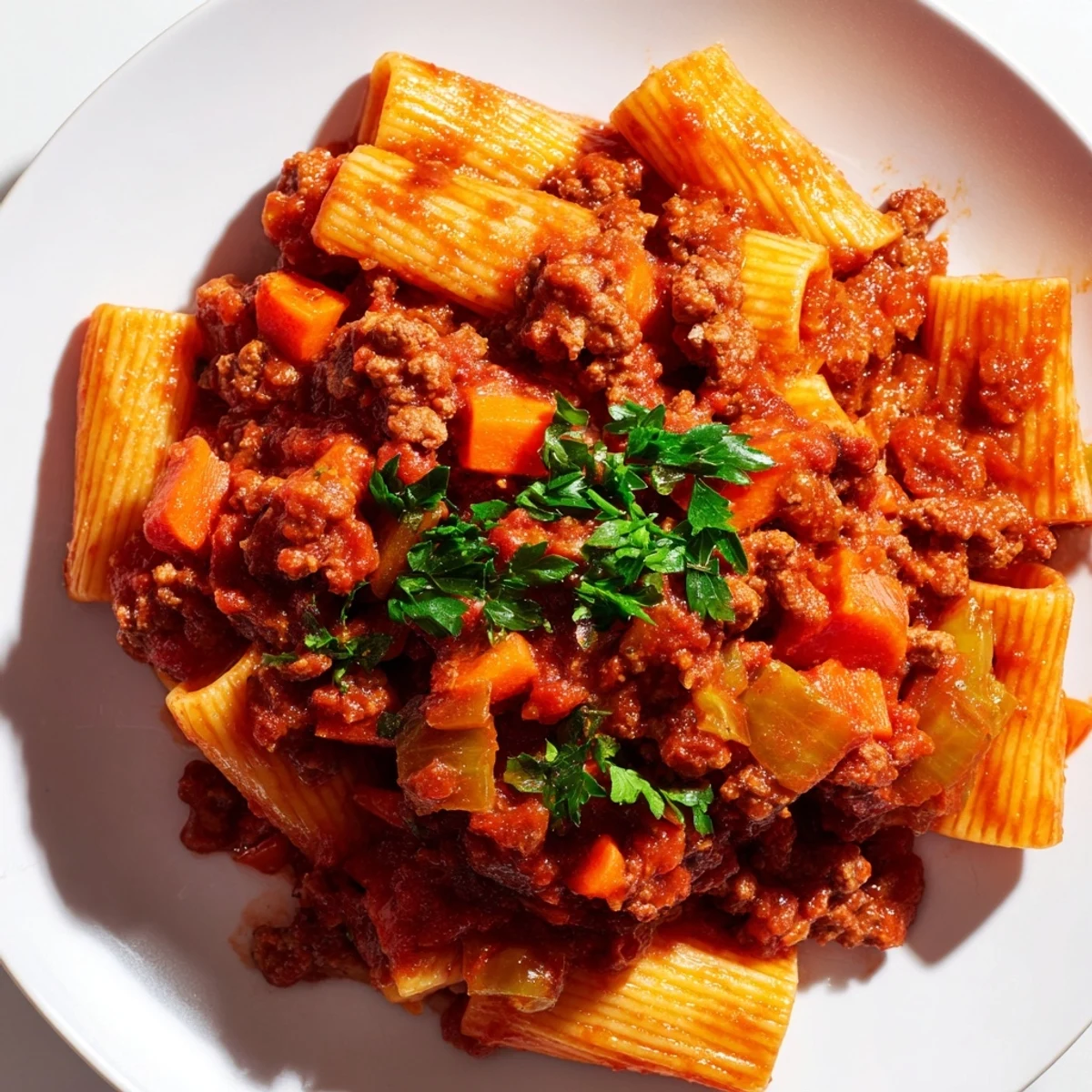
 This hearty Italian sauce combines ground beef, pancetta, garlic, and aromatic vegetables slowly cooked to develop intense, savory flavors. With crushed tomatoes, red wine, and herbs like oregano and basil, it simmers gently for hours, creating a robust sauce that pairs beautifully with pasta. Finish with fresh parsley or basil for a fragrant touch. Ideal for a comforting meal that requires minimal preparation and long, slow cooking.
There's something almost meditative about tending a slow cooker ragu—you brown the meat and aromatics in a skillet, then let the oven do the heavy lifting while you go about your day. The first time I made this, I wasn't expecting much beyond a basic weeknight sauce, but six hours later, the smell alone had convinced everyone in the house that dinner was going to be something special. It's the kind of dish that transforms simple ingredients into something so deeply flavored it tastes like it simmered for days.
I remember the first Sunday I served this over fresh pappardelle to a small group of friends—people I wanted to impress but not stress over. Nobody realized I'd spent maybe twenty minutes actually cooking; they just kept going back for seconds and asking what restaurant I'd gotten it from. That's when I understood the real magic of a slow cooker ragu: it lets you be generous and present with your guests instead of buried in the kitchen.
Ingredients
- Ground beef (500 g): Use a mix of beef and pork if you can—the pork adds a subtle sweetness and richness that pure beef misses.
- Pancetta or smoked bacon (100 g): Don't skip this; it renders down and becomes part of the sauce's backbone, not just a garnish.
- Onion, carrots, and celery: This holy trinity is where all the depth starts, so chop them finely and don't rush the sautéing.
- Garlic (4 cloves): Mince it fine so it distributes evenly and cooks into the sauce rather than sitting in chunks.
- Canned crushed tomatoes (800 g): Quality matters here—try to find ones without added sugar or weird additives.
- Tomato paste (3 tbsp): This concentrates the tomato flavor; stir it in with the meat so it caramelizes slightly.
- Red wine (125 ml): A dry wine you'd actually drink; the alcohol cooks off but the flavor stays.
- Beef or chicken broth (125 ml): This mellows the sauce and helps it cook down evenly.
- Dried oregano and basil (2 tsp and 1 tsp): These are your flavor anchors—don't use the dusty stuff from the back of the cabinet if you can help it.
- Bay leaf: Essential for depth, but remember to fish it out before serving.
- Red pepper flakes (½ tsp, optional): A whisper of heat that makes everything taste more alive.
- Olive oil (2 tbsp): Use it for the initial browning where you can actually taste it.
- Fresh parsley or basil for serving: This is your final note—bright and alive against the deep, dark sauce.
Instructions
- Build the base:
- Heat olive oil in a large skillet over medium heat and add the diced pancetta. Let it render for a couple of minutes until it starts to turn golden and release its fat, then add the onion, carrots, and celery. Sauté everything together for five to seven minutes, stirring occasionally, until the vegetables soften and the kitchen smells like an Italian kitchen should.
- Bloom the aromatics:
- Add the minced garlic and cook for just a minute until fragrant—you want to wake it up without burning it. You'll smell that sharp garlic aroma, and that's when you know to move forward.
- Brown the meat:
- Add your ground beef (and pork if using) and break it apart with a wooden spoon as it cooks, about five minutes total. You're looking for it to lose that raw pink color and start to caramelize slightly against the pan.
- Make the transfer:
- Scrape everything from the skillet into your slow cooker, making sure to get those flavorful browned bits stuck to the bottom of the pan. This is where the magic starts sticking around for the long haul.
- Build the sauce:
- Add the crushed tomatoes, tomato paste, red wine, broth, oregano, basil, bay leaf, red pepper flakes, salt, and pepper to the slow cooker. Stir everything together until the tomato paste is fully incorporated and you don't see any dry spots.
- Let time do the work:
- Cover the slow cooker and cook on low for six to eight hours, or on high for three to four hours if you're in a hurry. The sauce should thicken and darken, and when you stir it, it should coat the back of a spoon.
- Finish and taste:
- Remove the bay leaf, then taste and adjust with salt and pepper. This is when you decide if you want to add a splash of cream or a knob of butter for extra richness, though the sauce is delicious on its own.
- Serve with love:
- Ladle the sauce over hot pasta and top with fresh parsley or basil. The fresh herbs cut through the richness and remind you this is Italian, not heavy.
 Pin It
 There was an evening when my partner came home unexpectedly early and found the house filled with this incredible aroma, and for the first time I understood why people romanticize cooking for someone. The ragu had been simmering for hours, the flavors had married and deepened, and all I had to do was cook some pasta and set the table. It was one of those moments when food becomes a small act of care.
Why Slow Cooking Changes Everything
A quick meat sauce simmers on the stove for thirty minutes and tastes fine, but this one sits quietly in a slow cooker for hours and tastes like it's been building flavor since yesterday. The low, steady heat breaks down the meat fibers and allows the tomatoes, wine, and herbs to meld into something that feels almost velvety. There's no rushing this—the time is part of the recipe, not something you can cut short without losing something essential.
Serving and Pairing
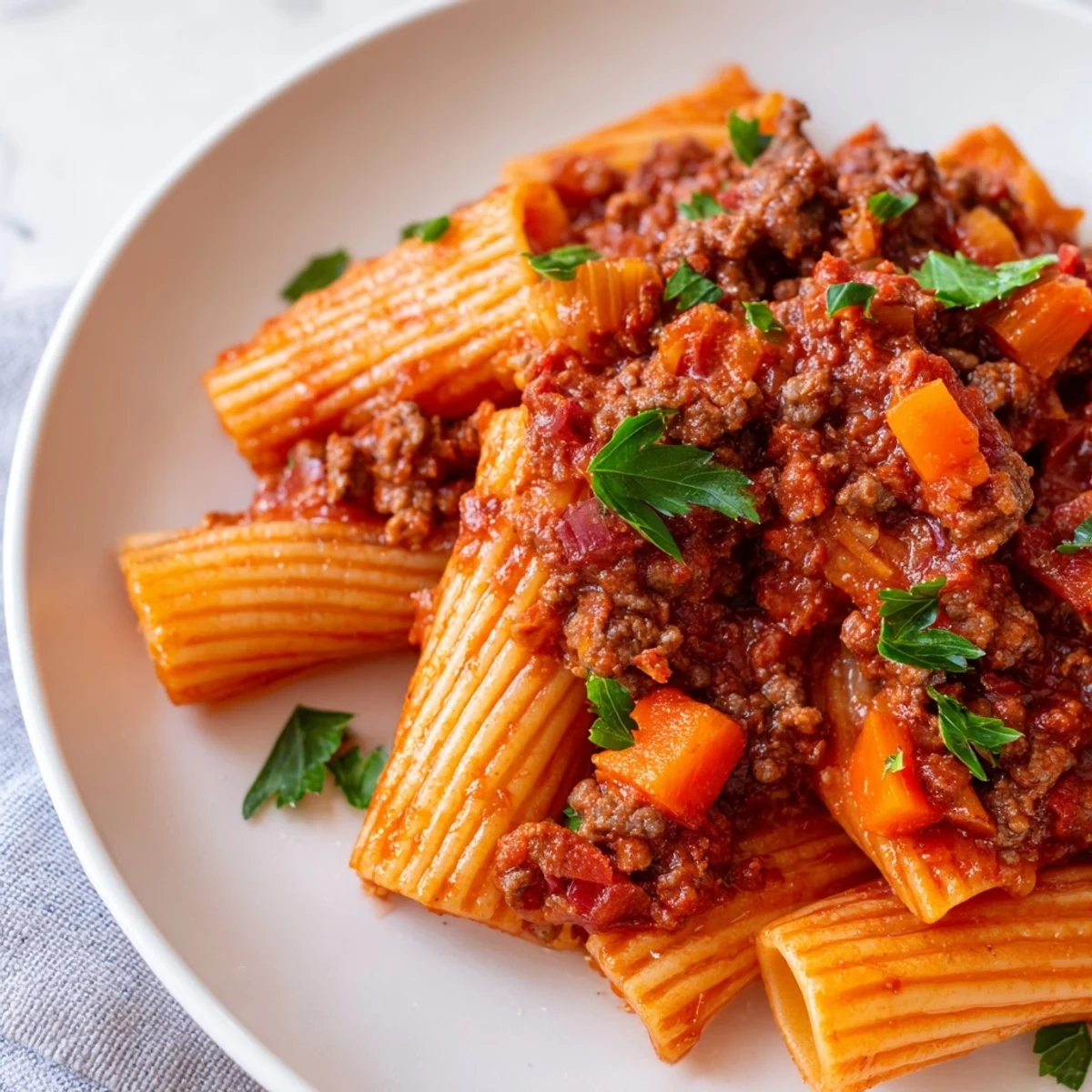
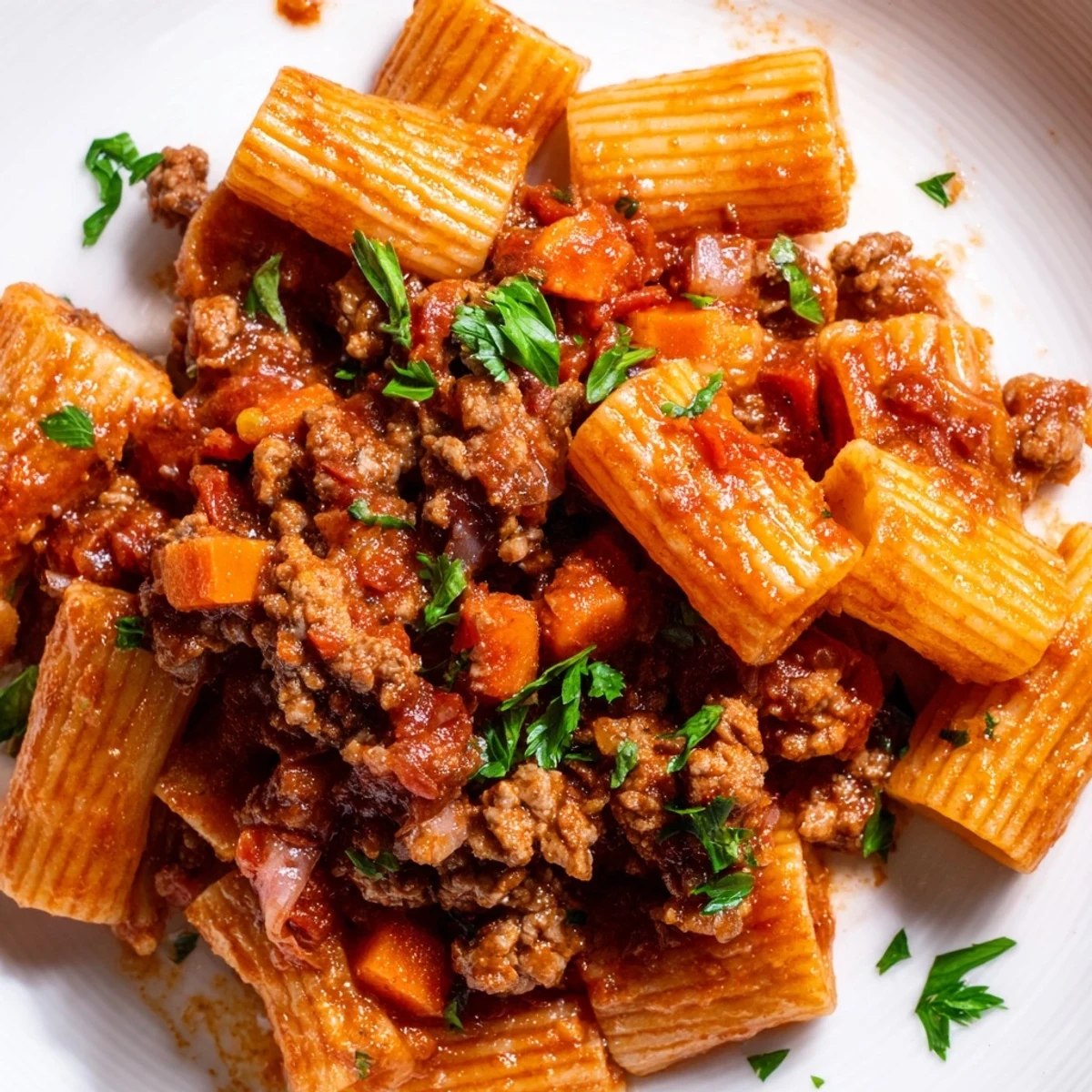
Pappardelle is traditional for a reason—those wide ribbons catch and hold the sauce in a way thin spaghetti never will. Rigatoni works beautifully too, especially if you want the sauce to nestle inside the tubes. A bold red wine alongside dinner, something with enough character to stand up to the depth of the sauce, makes the meal feel intentional and complete.
Making It Your Own
This ragu is forgiving and adaptable, which is part of why it became my go-to when I wanted to cook without overthinking. Some people add a pinch of nutmeg or a teaspoon of sugar to balance the acidity; others stir in chopped mushrooms or a splash of heavy cream at the end. The base is solid enough to support whatever adjustments feel right to you.
- A small splash of cream or a knob of butter stirred in at the end rounds out the sauce beautifully.
- Freeze it in portions so you always have the option of a homemade dinner waiting in your freezer.
- Leftovers taste even better the next day, so don't hesitate to make extra.
 Pin It
 This is the kind of recipe that rewards you for showing up in the kitchen, even if only for twenty minutes. Hours later, dinner is ready, your home smells like comfort, and you've made something worth savoring.
Recipe Q&A
- → What meats are used in this sauce?
-
Ground beef and pancetta or smoked bacon provide a rich, savory base for deep flavor.
- → Can I prepare this sauce without a slow cooker?
-
Yes, you can simmer it gently on the stovetop for several hours to develop similar depth.
- → Which herbs enhance the sauce’s flavor?
-
Dried oregano, basil, and a bay leaf infuse aromatic, traditional Italian notes.
- → Is red wine necessary for the sauce?
-
Red wine adds acidity and richness, but you can substitute broth if preferred.
- → What pasta fits best with this sauce?
-
Wide noodles like pappardelle or rigatoni hold the thick sauce well and complement its bold taste.