 Pin It
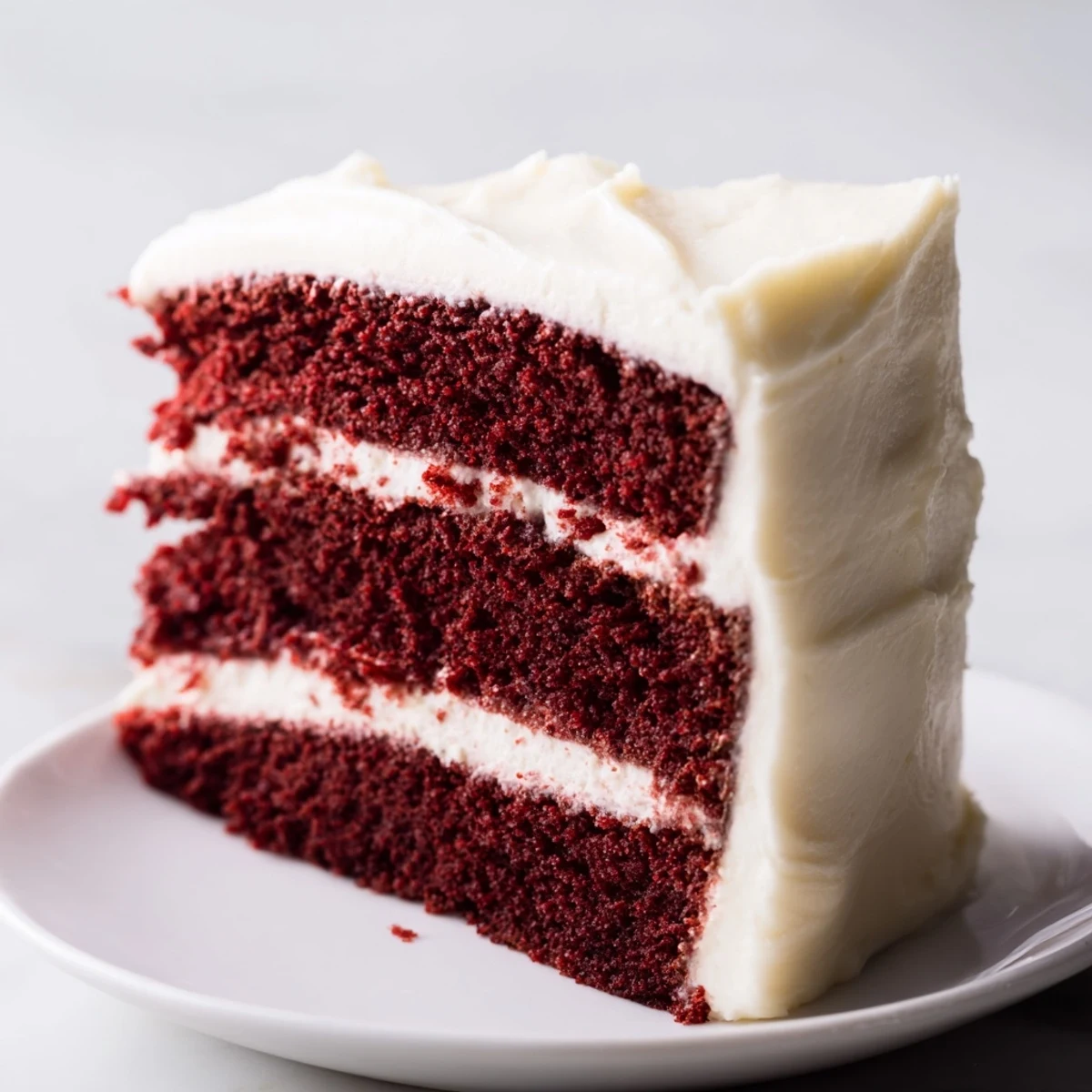
 This red velvet cake balances a moist, tender crumb with a subtle hint of cocoa. Layers are generously frosted with rich, tangy cream cheese frosting that complements the cake's sweetness. The batter blends buttermilk and vanilla to achieve softness and flavor depth. Baking in two pans creates even layers, finished by chilling for clean, precise slices. Ideal for dessert lovers seeking a classic American sweet treat with vibrant color and smooth texture.
There's something about red velvet cake that stops a room mid-conversation. I learned this the hard way when I brought one to a small dinner party years ago, expecting it to be just another dessert. The moment I set it on the table, people leaned in—not out of politeness, but genuine curiosity about that impossible red against the cream cheese frosting. That's when I realized this cake wasn't just about flavor; it was about creating a moment.
I made this cake for my best friend's birthday during a particularly gray November, and watching her face light up when she saw it felt like I'd brought color into the kitchen myself. The cake stayed moist for days, which meant we had an excuse to keep tasting it, critiquing it, perfecting our technique. Baking became less about the timer and more about the time we spent together.
Ingredients
- All-purpose flour (2½ cups): This is your structure—whisk it with the dry ingredients to avoid lumpy batter that bakes unevenly.
- Granulated sugar (1½ cups): Creaming isn't needed here, but room-temperature eggs and buttermilk make a difference in how the batter comes together.
- Baking soda and fine salt (1 tsp each): The baking soda reacts with the vinegar to create lift; don't skip the salt because it balances the sweetness.
- Unsweetened cocoa powder (1 tbsp): This tiny amount creates depth without making the cake taste like chocolate—it's the secret that makes red velvet actually taste like something.
- Vegetable oil (1½ cups): Oil keeps the cake tender and moist longer than butter would; this is why it stays soft for days.
- Buttermilk, room temperature (1 cup): Cold buttermilk won't mix properly and can create streaks; let it sit on the counter for twenty minutes if you forget.
- Eggs, room temperature (2 large): Cold eggs seize up the batter and create an uneven crumb; this one detail changed everything for me.
- Red food coloring (2 tbsp): Use gel coloring if you want a deeper, more sophisticated red that doesn't require extra liquid.
- Vanilla extract (1 tsp): Vanilla brightens the cocoa notes and adds familiar comfort.
- White distilled vinegar (1 tsp): This creates a subtle tang that lives underneath everything else.
- Cream cheese, softened (16 oz): Softened is non-negotiable; cold cream cheese makes lumpy frosting that no amount of beating fixes.
- Unsalted butter, softened (½ cup): Soft butter blends smoothly with cream cheese for that cloud-like texture.
- Confectioners sugar, sifted (4 cups): Sifting sounds fussy but prevents graininess that makes frosting gritty.
- Vanilla extract (2 tsp): Extra vanilla in the frosting echoes the cake's flavor and adds sweetness beyond sugar.
- Pinch of salt: A tiny bit of salt makes the frosting taste less sweet and more refined.
Instructions
- Prepare your pans with care:
- Grease and flour two 9-inch round cake pans, then line the bottoms with parchment paper. This triple insurance means your cake slides out without sticking, and the parchment keeps the bottom from browning too much.
- Combine the dry ingredients:
- In a large bowl, whisk together flour, sugar, baking soda, salt, and cocoa powder. Whisking aerates the flour and distributes the leavening evenly, which prevents dense spots in your cake.
- Mix the wet mixture:
- In another bowl, combine oil, buttermilk, eggs, food coloring, vanilla, and vinegar. Mix until smooth and the color is even throughout; streaky red batter bakes into streaky cake.
- Bring them together gently:
- Gradually add the wet ingredients to the dry, mixing with a spatula until just combined with no lumps. Overmixing develops gluten and makes the cake tough—stop as soon as you don't see flour anymore.
- Fill the pans evenly:
- Divide the batter between the prepared pans so both cakes bake at the same rate. Even pans mean even layers, which means your finished cake sits level.
- Bake until done:
- Bake for 28–32 minutes at 350°F, or until a toothpick inserted in the center comes out clean. Every oven runs differently, so trust the toothpick more than the timer.
- Cool with patience:
- Let the cakes cool in their pans for 10 minutes—this sets the structure so they don't fall apart when you turn them out. Then turn them onto a wire rack and cool completely before frosting, which takes about an hour.
- Make the frosting:
- In a large bowl, beat cream cheese and butter together until smooth and creamy, about two minutes. Gradually add confectioners sugar, vanilla, and salt, beating until light and fluffy, which takes another three to four minutes.
- Assemble your cake:
- Place one cake layer on a serving platter, spread with about one-third of the frosting, then top with the second layer. Frost the top and sides with the remaining frosting, working quickly so the frosting doesn't get warm and slippery.
- Chill before serving:
- Refrigerate the finished cake for 30 minutes before slicing so the frosting sets and you get clean edges instead of frosting smears.
 Pin It
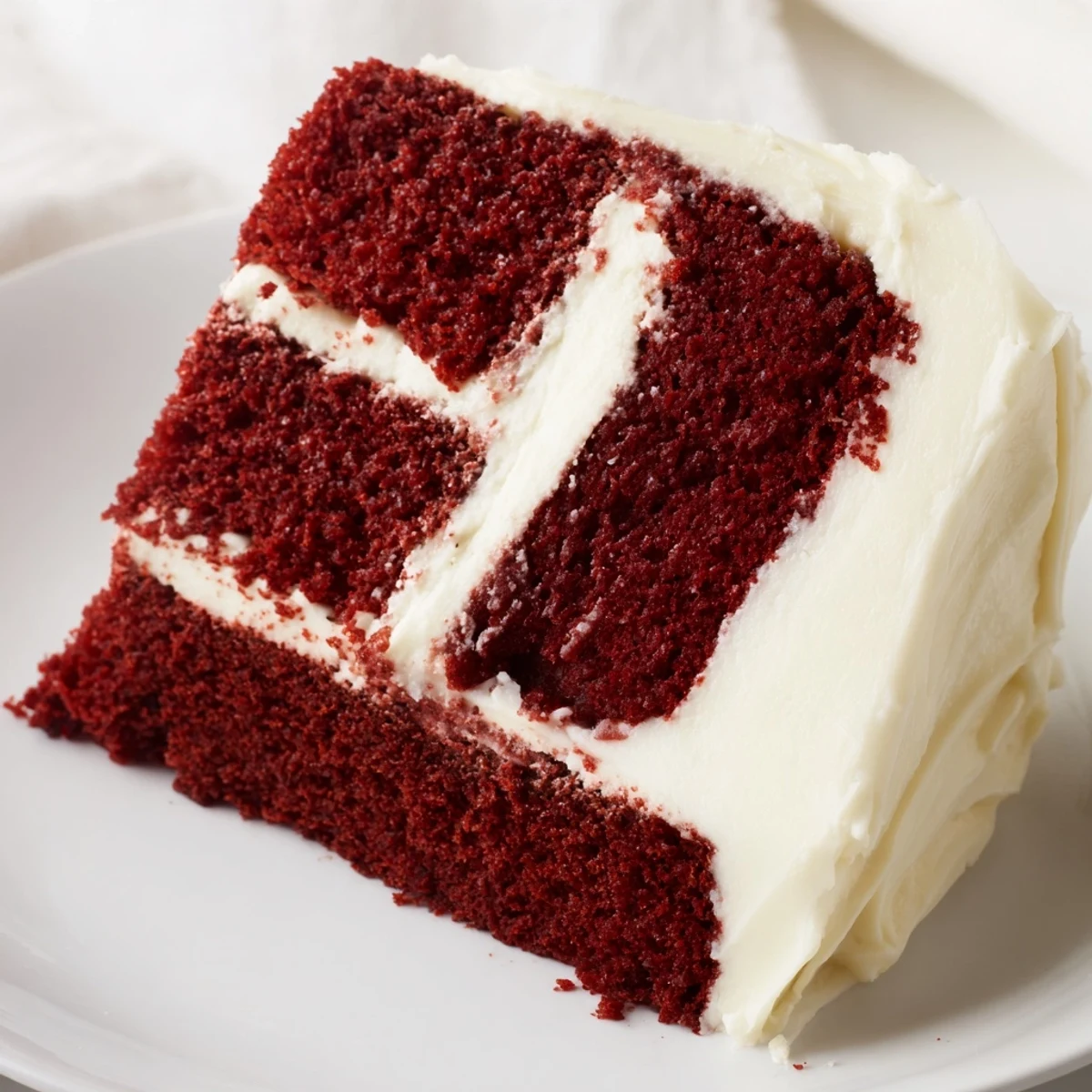
 The first time someone told me the cake reminded them of a specific memory from their own kitchen, I understood why this recipe mattered. Food isn't just about taste—it's about the feeling it creates in a room and the permission it gives people to slow down for a moment.
Why Red Velvet Feels Different
Red velvet exists in this odd, beautiful place between chocolate cake and something else entirely. The cocoa is so subtle you almost miss it, which is exactly the point. It's just enough to add earthiness and depth without announcing itself. The vinegar creates a gentle tang that your mouth feels before your brain registers it, and that complexity is what keeps people coming back. This cake whispers rather than shouts, which is why it works at weddings and winter holidays and ordinary Tuesdays alike.
Cream Cheese Frosting is Everything
I spent years making buttercream frostings before I understood that cream cheese frosting was the correct partner for this cake. Buttercream is sweet and rich, but cream cheese frosting is tangy and bright. It cuts through the cake's softness and makes each bite taste balanced instead of cloying. The butter you add to the cream cheese keeps it from being too sharp, but not so much that you lose that distinctive tang. This frosting is proof that sometimes the perfect pairing isn't the most obvious choice.
Storage and Timing
This cake actually improves after a day or two because the flavors settle and the cake becomes even more moist. Keep it covered in the refrigerator for up to four days, or wrap it tightly and freeze for up to three months. Take it out an hour before serving so it's not cold and dense. If you're making it ahead for a celebration, bake the layers a day early and store them wrapped at room temperature, then frost the morning of your event so the frosting is fresh and fluffy.
- Gel food coloring creates a deeper, richer red than liquid coloring and requires no extra liquid added to the batter.
- For cupcakes, fill muffin cups and reduce baking time to 18–20 minutes, checking at 16 for your specific oven.
- Leftover frosting keeps refrigerated for five days and can frost cookies or brownies, so don't waste a drop.
 Pin It
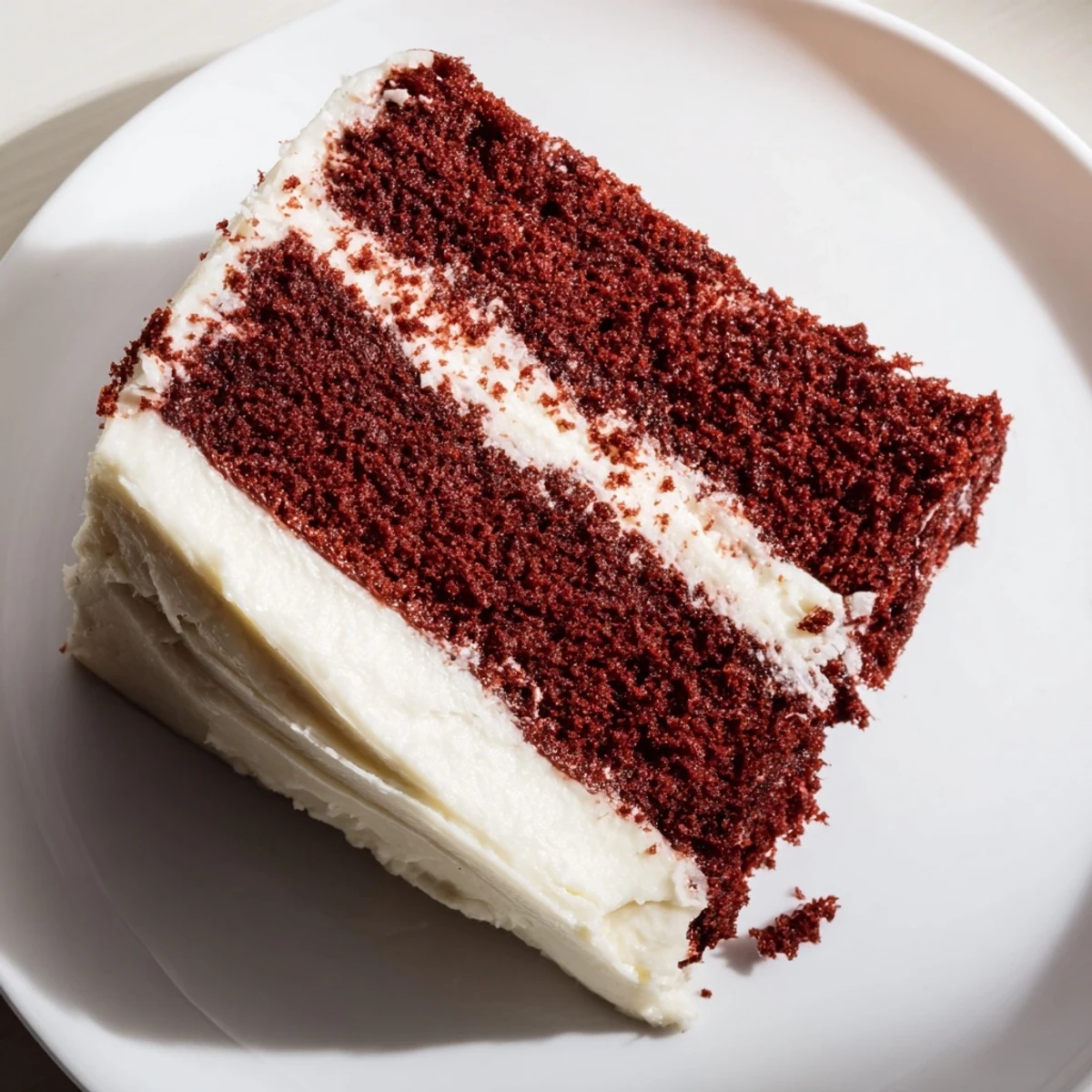
 Red velvet cake is worth making because it brings something unexpected to the table and reminds people that baking is an act of care. Serve it with coffee, share it with people who matter, and don't apologize for taking the time to make it right.
Recipe Q&A
- → What gives red velvet cake its distinct color?
-
Red food coloring is added to the batter to achieve the signature vibrant red hue.
- → How does buttermilk affect the cake’s texture?
-
Buttermilk contributes moisture and tenderness, resulting in a soft crumb.
- → Can I use gel food coloring instead of liquid?
-
Yes, gel food coloring intensifies the red hue without altering batter consistency.
- → What is the purpose of vinegar in the batter?
-
White distilled vinegar reacts with baking soda to help the cake rise and maintain a light texture.
- → How should the cream cheese frosting be prepared?
-
Beat softened cream cheese and butter until creamy, then gradually add sifted confectioners sugar, vanilla, and a pinch of salt until fluffy.
- → How to ensure even layers when baking?
-
Divide the batter evenly into two prepared pans and bake until a toothpick comes out clean for uniform layers.