 Pin It
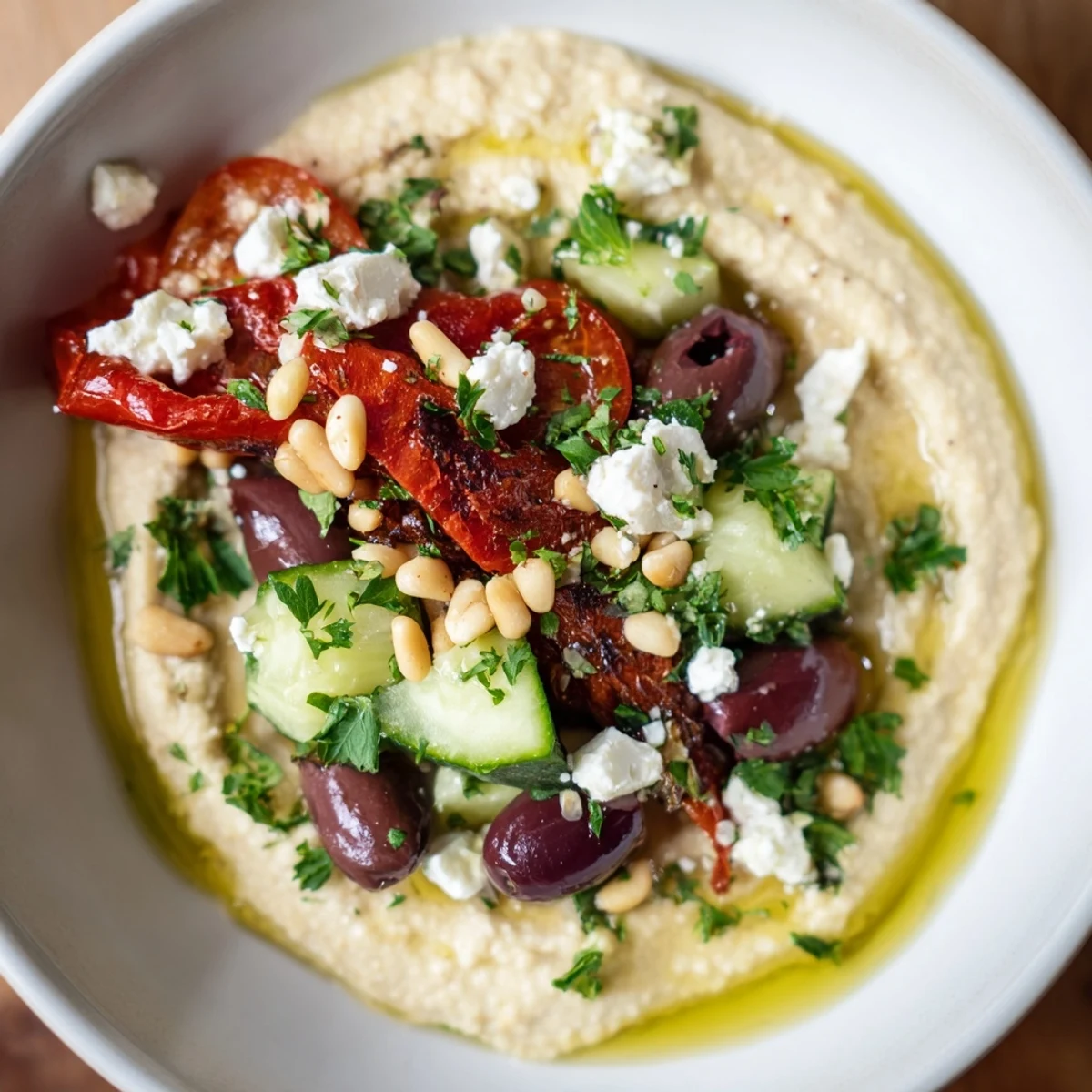
 This Mediterranean bowl combines creamy hummus with a fresh mix of cherry tomatoes, cucumbers, red onion, and greens. Layers of Kalamata olives, feta, roasted red peppers, and pine nuts add a tangy, crunchy contrast. A simple dressing of olive oil, lemon juice, garlic, salt, and pepper enhances the flavors. Served chilled and versatile with grains or as is, it suits vegetarian and gluten-free diets and can be adapted for vegan preferences.
I discovered this bowl on a lazy afternoon when my fridge was bursting with vegetables I'd bought with good intentions but hadn't touched. Instead of letting them wilt, I grabbed my favorite hummus and started arranging them like a painter with a blank canvas. It felt less like cooking and more like playing, and somehow it became the meal I found myself craving every week after that.
My sister brought this to a potluck last summer, and I watched people come back for thirds—even the ones who claimed they didn't eat "rabbit food." The secret wasn't some complicated technique; it was just that every element tasted like itself, and together they made something bigger than the parts.
Ingredients
- Hummus: The quiet foundation that holds everything together—use the best quality you can find or make your own if you're in the mood.
- Brown rice or quinoa: These make the bowl heartier if you want it for dinner rather than a light lunch.
- Cherry tomatoes: Halve them so they don't roll around, and choose ones that are actually ripe and sweet.
- Cucumber: Diced small so each bite has a refreshing crunch.
- Red onion: Thinly sliced so it stays sharp and bright rather than overpowering.
- Baby spinach or mixed greens: These wilt slightly under the warm dressing, which is exactly what should happen.
- Kalamata olives: Briny little flavor bombs—pit them yourself if you can, as they taste fresher.
- Feta cheese: Crumbled generously because the salty tang is half the magic.
- Roasted red peppers: Jarred ones work beautifully and save you a step.
- Toasted pine nuts: Toast them yourself for two minutes in a dry pan if you have time—the difference is noticeable.
- Fresh parsley: Chopped just before serving so it stays vibrant and full of life.
- Extra virgin olive oil: The good kind, the one you wouldn't cook with because it deserves better.
- Lemon juice: Fresh squeezed if your hands aren't tired of squeezing.
- Garlic: One clove minced fine enough that it disappears but announces itself.
Instructions
- Make your dressing first:
- Whisk together the olive oil, lemon juice, minced garlic, salt, and pepper in a small bowl. This stays fresher than you'd think and lets the flavors marry while you prep everything else.
- Build your base:
- Divide the hummus evenly among four bowls, creating a shallow well in the center with the back of a spoon. If you're using rice or quinoa, layer it under the hummus for extra substance.
- Arrange your vegetables:
- Place cherry tomatoes, cucumber, red onion, and greens around the hummus like you're decorating rather than assembling. There's no wrong way to do this—let it be colorful and a little bit messy.
- Top with all the good things:
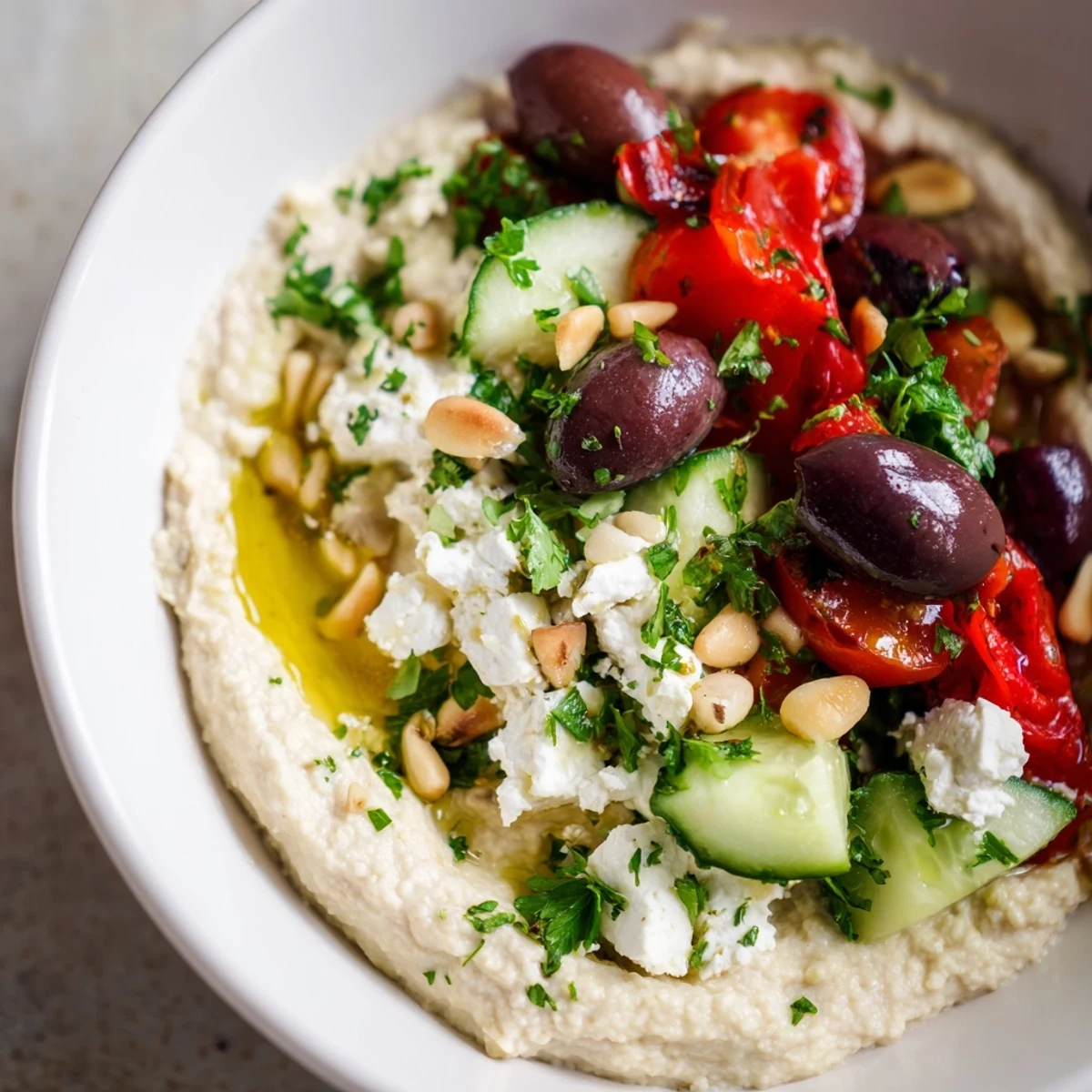
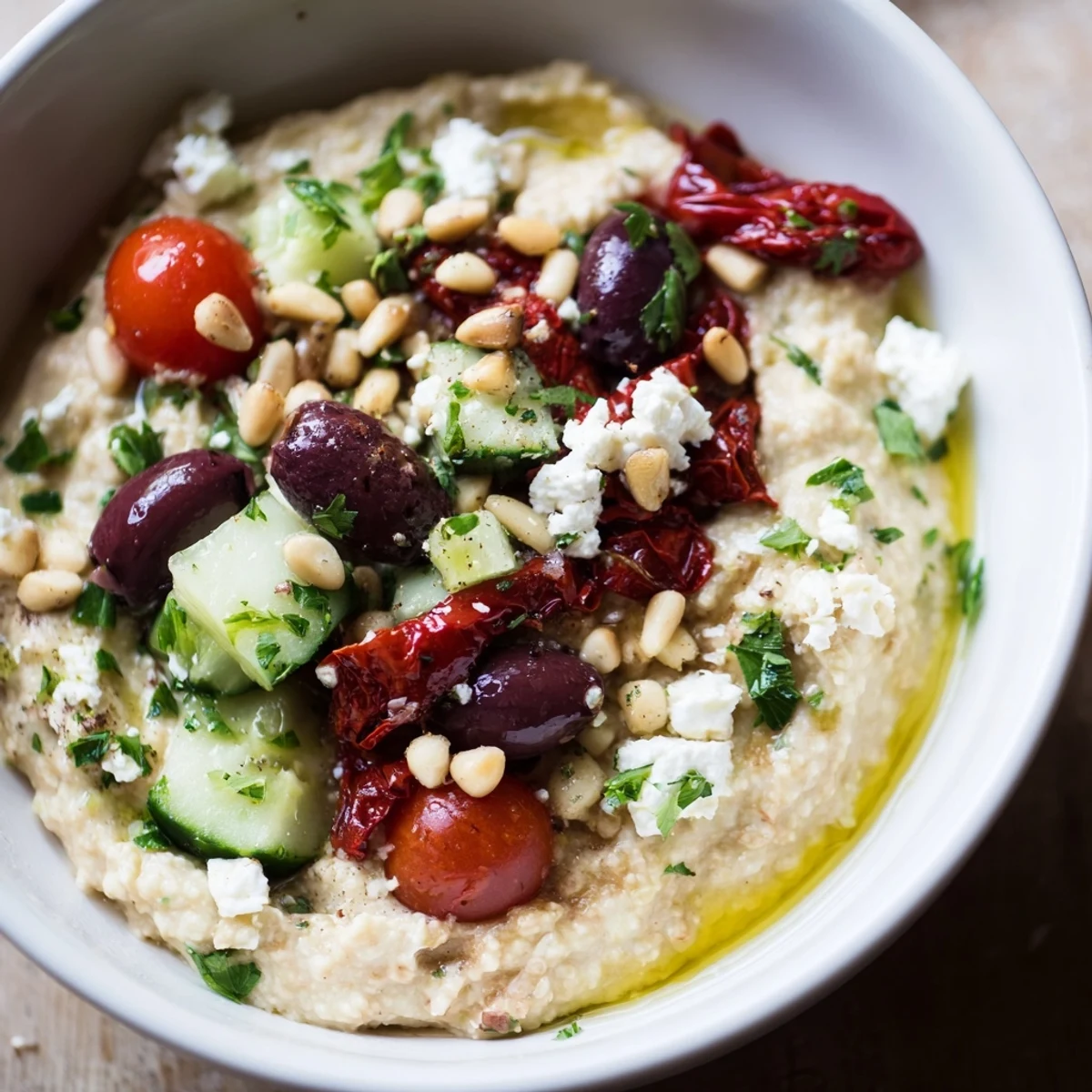
- Scatter olives, feta, roasted red peppers, pine nuts, and fresh parsley across the top. This is where the bowl goes from good to something you'll remember.
- Dress it all:
- Drizzle the dressing generously over everything, letting it pool slightly in the hummus. Serve right away while the greens are still perky and the textures haven't all melted into one another.
 Pin It
 This bowl somehow became the thing I make when someone I love is going through something hard. It says "I see you" without being fussy about it—nourishing without needing to explain why.
Making It Your Own
The beauty of this bowl is that it's a canvas rather than a rule. Swap in whatever vegetables are calling to you—roasted carrots, sliced radishes, shaved zucchini—and the dish stays true to itself. I've made it with chickpeas stirred into the hummus for extra protein when I knew I'd need the energy, and I've made it with grilled chicken when I was feeding someone hungrier than me.
A Word on Seasonality
Spring asks for fresh peas and soft herbs, summer demands tomatoes and basil, fall welcomes roasted squash and seeds, and winter doesn't mind if you use what's been waiting in your pantry. This bowl adapts to what's real and available right now, which is why I keep making it.
Serving and Sharing
Serve this with warm pita bread on the side if you want to scoop and share, or just offer a spoon and let people eat it however feels right to them. I've found that people take better care with food they've assembled themselves.
- A crisp Sauvignon Blanc or sparkling water with lemon pairs beautifully and doesn't compete with the fresh flavors.
- Make extra dressing if you're serving others—everyone will want more than you'd expect.
- Prep your vegetables ahead of time, but dress the bowl only when you're ready to eat.
 Pin It
 This bowl reminds me why I cook at all: not because it's complicated, but because taking time to arrange something beautiful and feed yourself well is its own kind of love. Make it as often as you need to.
Recipe Q&A
- → Can I use other grains instead of brown rice or quinoa?
-
Yes, you can substitute with couscous, bulgur, or even cauliflower rice for a lower-carb option.
- → How can I make this bowl vegan?
-
Omit the feta or replace it with vegan cheese alternatives to keep the bowl plant-based.
- → What is the best way to store leftovers?
-
Store components separately in airtight containers and combine just before serving to maintain freshness.
- → Can I add protein to this bowl?
-
Grilled chicken, falafel, or chickpeas make great additions to boost protein content.
- → What dressing is used for the bowl?
-
A simple mixture of extra virgin olive oil, lemon juice, minced garlic, sea salt, and black pepper creates a fresh and tangy dressing.