
 Pin It
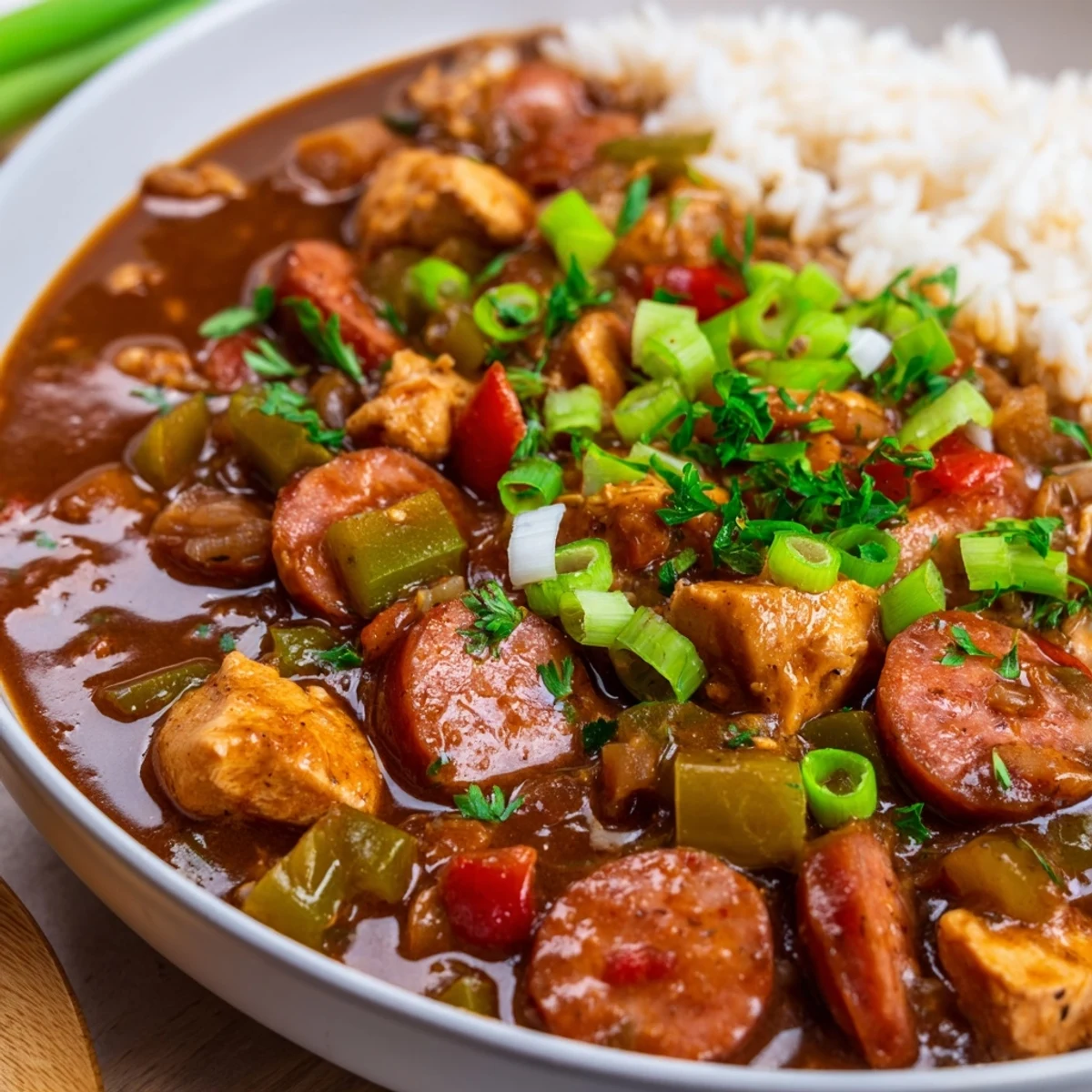
 This Mardi Gras-inspired gumbo offers a festive taste of New Orleans. Begin by creating a deep, rich chestnut roux, the foundation of this savory dish. Sauté the aromatic 'holy trinity' of onion, bell pepper, and celery until softened, then add minced garlic.
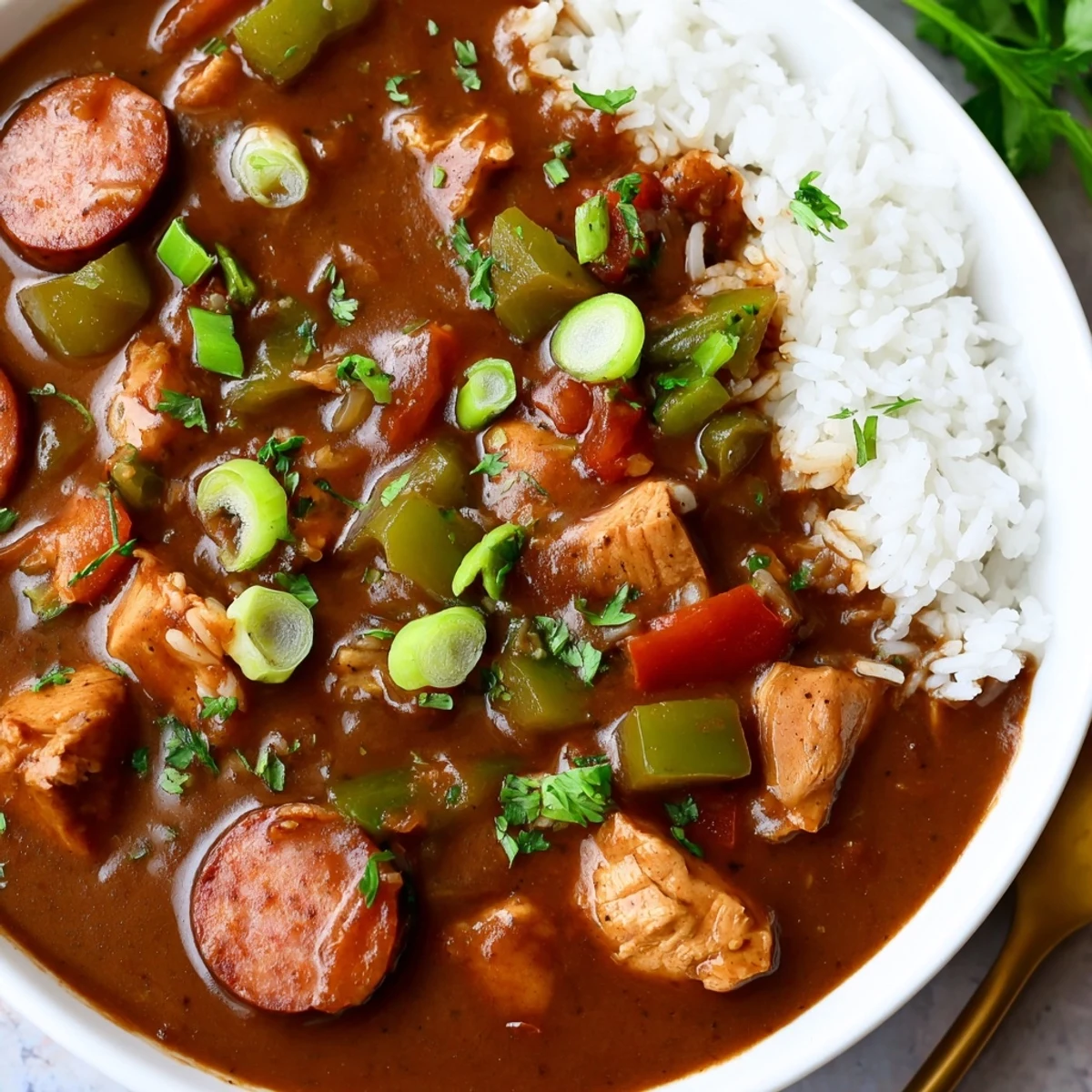
Incorporate tender chicken pieces and smoky halal sausage, allowing them to meld with the roux and vegetables. Gradually whisk in chicken stock, along with bay leaves, thyme, paprika, and a hint of cayenne for warmth. Simmer for an hour, letting the flavors deepen into a richly savory broth. Serve this hearty gumbo over hot rice, garnished with fresh parsley and spring onions for a truly celebratory meal.
I remember the crisp air of late winter, the kind that makes you crave something deeply warming and vibrant. A friend, who’d lived in Louisiana for years, once described the feeling of Mardi Gras through its food, and that's when this gumbo recipe started calling my name. It was an instant connection, a culinary hug I didn't know I needed until that first aromatic simmer filled my kitchen. The way those rich, smoky flavors unfolded felt like a little celebration right in my own home.
I cooked this for a small gathering once, on a particularly dreary February evening that needed a burst of color and joy. The moment the first spoonful hit the table, the quiet chatter turned into delighted hums of appreciation. Watching everyone warm up to its rich flavors, sharing stories and laughter, solidified this gumbo's place in my favorite recipes. It wasn't just dinner; it was an experience.
Ingredients
- Boneless, skinless chicken thighs: These are my go-to for gumbo because they stay incredibly tender and soak up all the delicious broth without drying out.
- Halal beef or turkey sausage: The smoky richness this adds is non-negotiable; it's what gives the gumbo that authentic depth, and using halal options means everyone can enjoy.
- Large onion, green bell pepper, celery: This "holy trinity" isn't just a suggestion; it's the aromatic heart of any good Creole dish, building an incredible flavor foundation.
- Garlic cloves: Don't skimp on the garlic; it brings a pungent warmth that ties all the other flavors together beautifully.
- Medium tomatoes: They add a subtle acidity and a touch of sweetness that brightens the entire dish, cutting through the richness perfectly.
- All-purpose flour: This is half of your roux, providing the essential thickening and nutty flavor that defines a true gumbo.
- Vegetable oil: The other half of your roux; its neutral flavor lets the flour and aromatics shine without interference.
- Chicken stock (halal-certified): A good quality stock forms the backbone of your gumbo, so choose one with rich flavor to build upon.
- Bay leaves: These humble leaves infuse a subtle, almost woodsy aroma that rounds out the savory profile.
- Dried thyme: Earthy and slightly minty, thyme is a classic Southern herb that complements the chicken and sausage wonderfully.
- Smoked paprika: It intensifies the smoky notes from the sausage and adds a beautiful deep color to the gumbo.
- Cayenne pepper: This is where you control the heat; I like a gentle warmth, but feel free to turn it up if you dare!
- Kosher salt: Essential for seasoning, remember to taste as you go, as different stocks and sausages have varying salt levels.
- Freshly ground black pepper: Always use freshly ground for the best flavor; it adds a sharp, clean finish.
- Ground white pepper: An optional but lovely addition that provides a unique, subtle heat without the visible specks of black pepper.
- Fresh parsley: A bright, fresh garnish that adds a pop of color and herbaceousness right before serving.
- Spring onions: Their mild oniony bite offers a pleasant contrast and crunch as a garnish.
- Hot cooked rice: The perfect base for soaking up every last drop of that glorious gumbo broth.
- Filé powder: This traditional ingredient, ground sassafras leaves, offers an earthy flavor and a slight thickening effect, a true nod to authenticity.
Instructions
- Crafting the Deep Roux:
- In a sturdy pot or Dutch oven, warm your vegetable oil over medium heat, then whisk in the flour. Keep stirring, friend, patiently coaxing it into a beautiful, deep chestnut brown, which might take 10-15 minutes — don't rush this vital step.
- Building the Flavor Base:
- Once your roux is ready, toss in the diced onion, bell pepper, and celery, stirring frequently until they've softened into aromatic submission, about five minutes.
- Aromatic Awakening:
- Now, stir in the minced garlic and let it cook for just one minute until its fragrant perfume fills your kitchen, but be careful not to let it burn.
- Adding the Stars:
- Next, fold in your diced tomatoes, the chicken pieces, and the sliced sausage, ensuring everything gets a good coating in that wonderful roux and softened veggies.
- The Simmering Embrace:
- Slowly pour in the chicken stock, stirring constantly to prevent any lumps, then add the bay leaves, thyme, paprika, cayenne, salt, and both black and white peppers.
- Patient Perfection:
- Bring it to a gentle boil, then reduce the heat to a low simmer, letting it cook uncovered for a full hour, stirring occasionally to keep things from sticking.
- Final Touches:
- Give it a taste and adjust any seasonings — perhaps a pinch more salt or a dash more cayenne — then remove the bay leaves before serving.
- Serving Celebration:
- Ladle the steaming gumbo over fluffy hot rice, then garnish generously with fresh parsley and thinly sliced spring onions, and sprinkle with filé powder if you're feeling extra authentic.
 Pin It
 There’s something truly special about a dish that becomes synonymous with comfort. For us, this gumbo has evolved from a festive meal to a quiet Sunday evening staple, particularly when the weather turns cold. It's the kind of meal that wraps you in a warm hug, perfect for sharing whispered secrets or simply enjoying the quiet company of loved ones. It has truly become more than just food; it's a shared warmth.
Navigating Spice Levels
The beauty of a good gumbo lies in its adaptability, especially when it comes to heat. I've learned that starting with half a teaspoon of cayenne and tasting before adding more is always the wisest path. You can always add more, but you can't take it away! I once added a whole teaspoon without thinking and had everyone reaching for glasses of milk — a memorable, if spicy, evening. It’s all about finding that perfect balance that warms your palate without overpowering the delicate layers of flavor you’ve worked so hard to build.
Choosing Your Protein Wisely
When it comes to the chicken and sausage, quality truly makes a difference. I've found that using good quality halal beef or turkey sausage with a noticeable smoky flavor elevates the whole dish. Chicken thighs are my preference over breasts because they remain succulent and tender throughout the long simmer, really soaking up the rich broth. Don't be afraid to try different brands of sausage to find your favorite, as their spice blends can vary quite a bit and contribute uniquely to the final taste.
The Art of the Simmer
Resist the urge to rush the simmering process; that hour of gentle bubbling allows all the flavors to meld beautifully and deepen into that rich, complex gumbo you're aiming for. It’s during this time that the roux works its magic, thickening the broth and creating that luxurious mouthfeel.
- Stirring occasionally is important to prevent sticking, but don't overdo it.
- Skimming any excess fat ensures a cleaner, more refined finish.
- Remember, a low and slow approach is your best friend here.
 Pin It
 This Mardi Gras Chicken and Sausage Gumbo isn't just a recipe; it's an invitation to savor, to share, and to bring a little bit of New Orleans magic into your own kitchen. I hope you find as much joy in making and eating it as I do.
Recipe Q&A
- → What gives this gumbo its rich flavor and texture?
-
The deep, chestnut-colored roux is essential. It's made from flour and oil cooked patiently until it develops a nutty flavor and provides the foundation for the gumbo's characteristic thickness and savory depth.
- → Can I adjust the spice level of this dish?
-
Absolutely. The cayenne pepper provides the heat. You can increase or decrease the amount to suit your preference. A little extra white pepper can also add a subtle warmth without intense spice.
- → What are the key vegetables in this gumbo?
-
The foundation vegetables, often called the 'holy trinity' in Creole cuisine, are diced onion, green bell pepper, and celery. These aromatics are sautéed with garlic to build a crucial layer of flavor before adding other ingredients.
- → Is it possible to substitute the chicken or sausage?
-
Yes, while chicken and halal sausage are featured, you could explore other options. For a seafood variation, shrimp can be added during the last 10 minutes of simmering. For extra depth, smoked turkey sausage is also a good choice.
- → How can I prevent my gumbo from becoming lumpy when adding liquid?
-
The key is to add the chicken stock gradually to the roux, stirring constantly. Whisking continuously as you pour helps to smoothly incorporate the liquid and prevent any flour lumps from forming, ensuring a silky consistency.
- → What is filé powder and when should it be added?
-
Filé powder, made from ground sassafras leaves, is a traditional seasoning that adds a unique earthy flavor and helps to slightly thicken the gumbo. If using, sprinkle it over individual servings at the very end, as cooking it can make the gumbo stringy.