
 Pin It
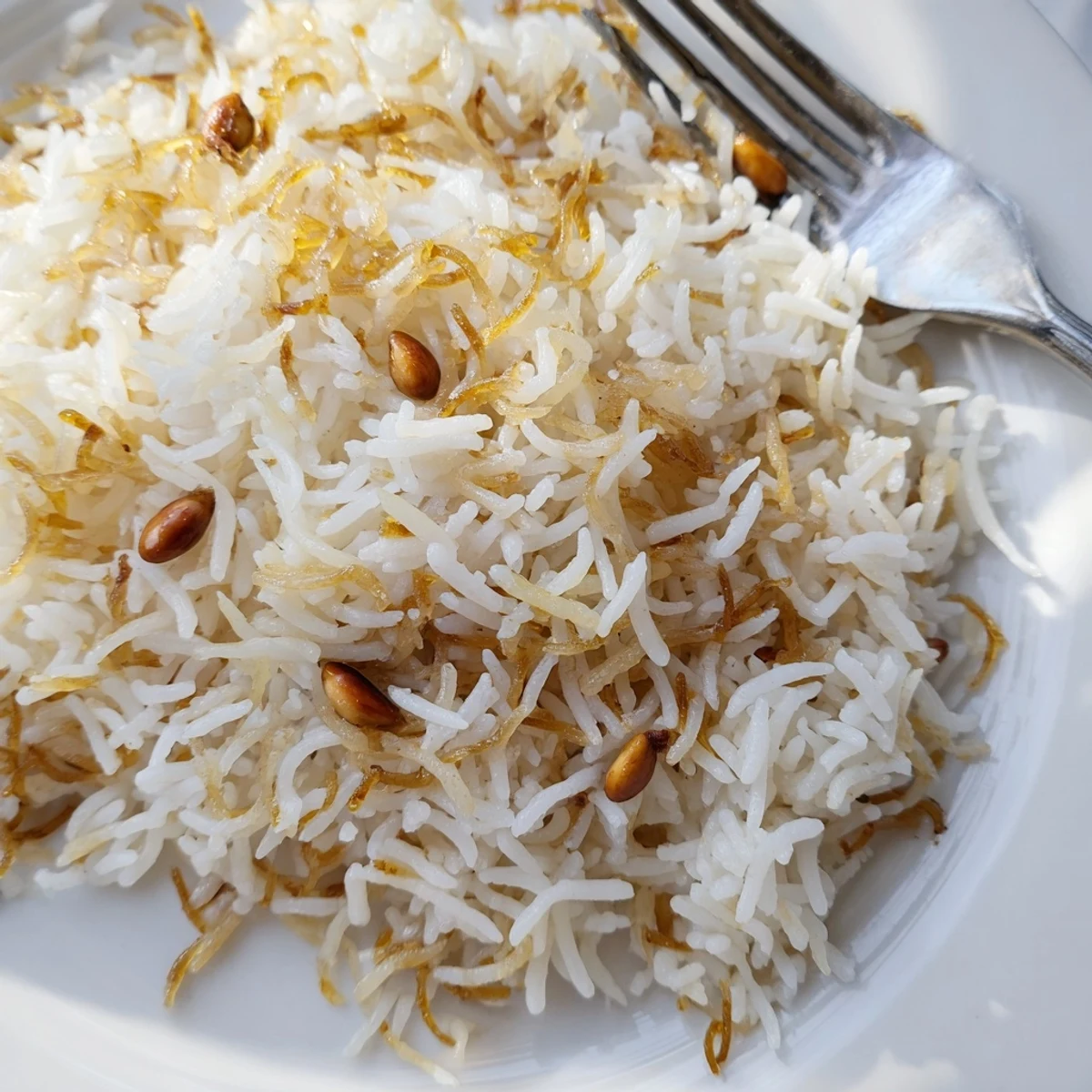
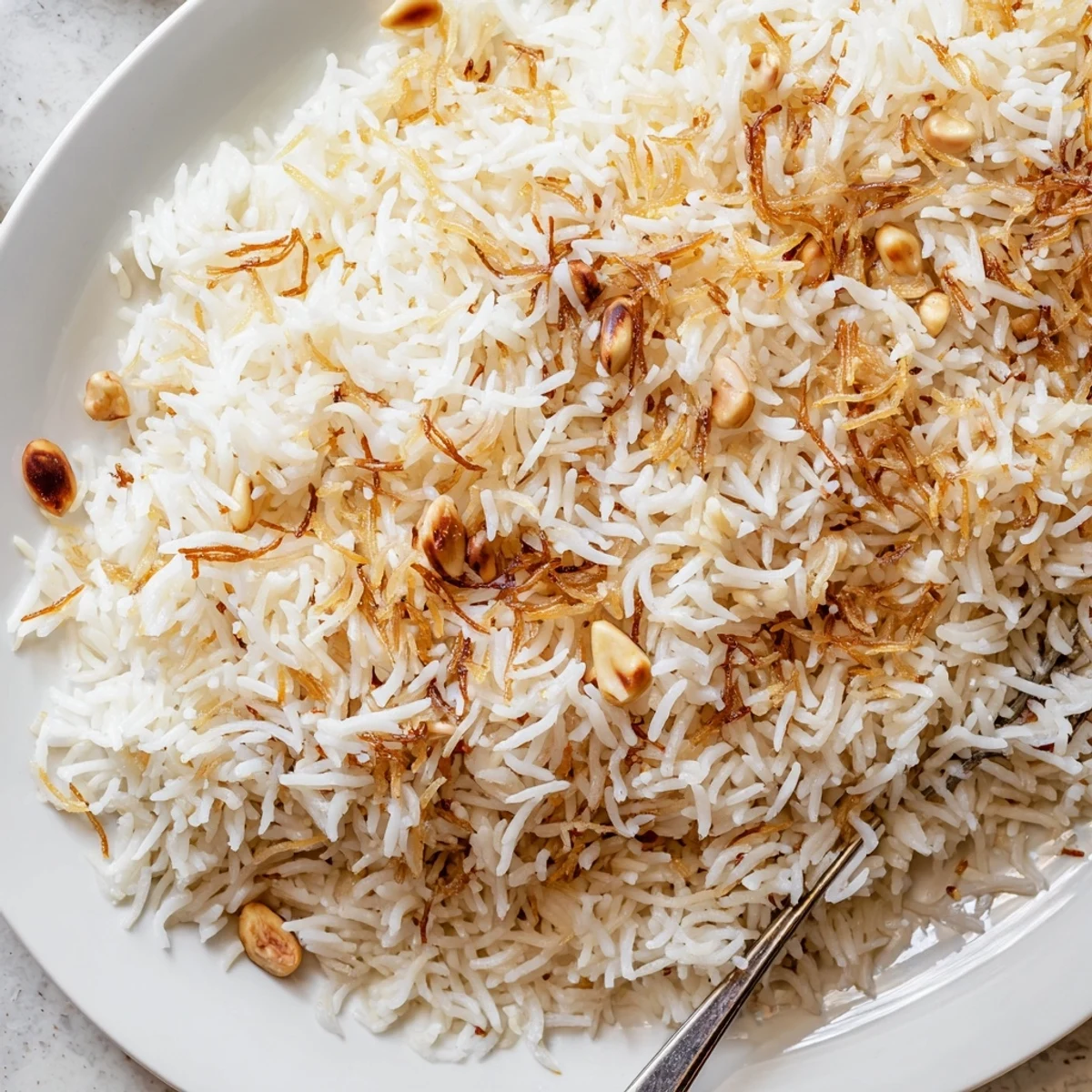
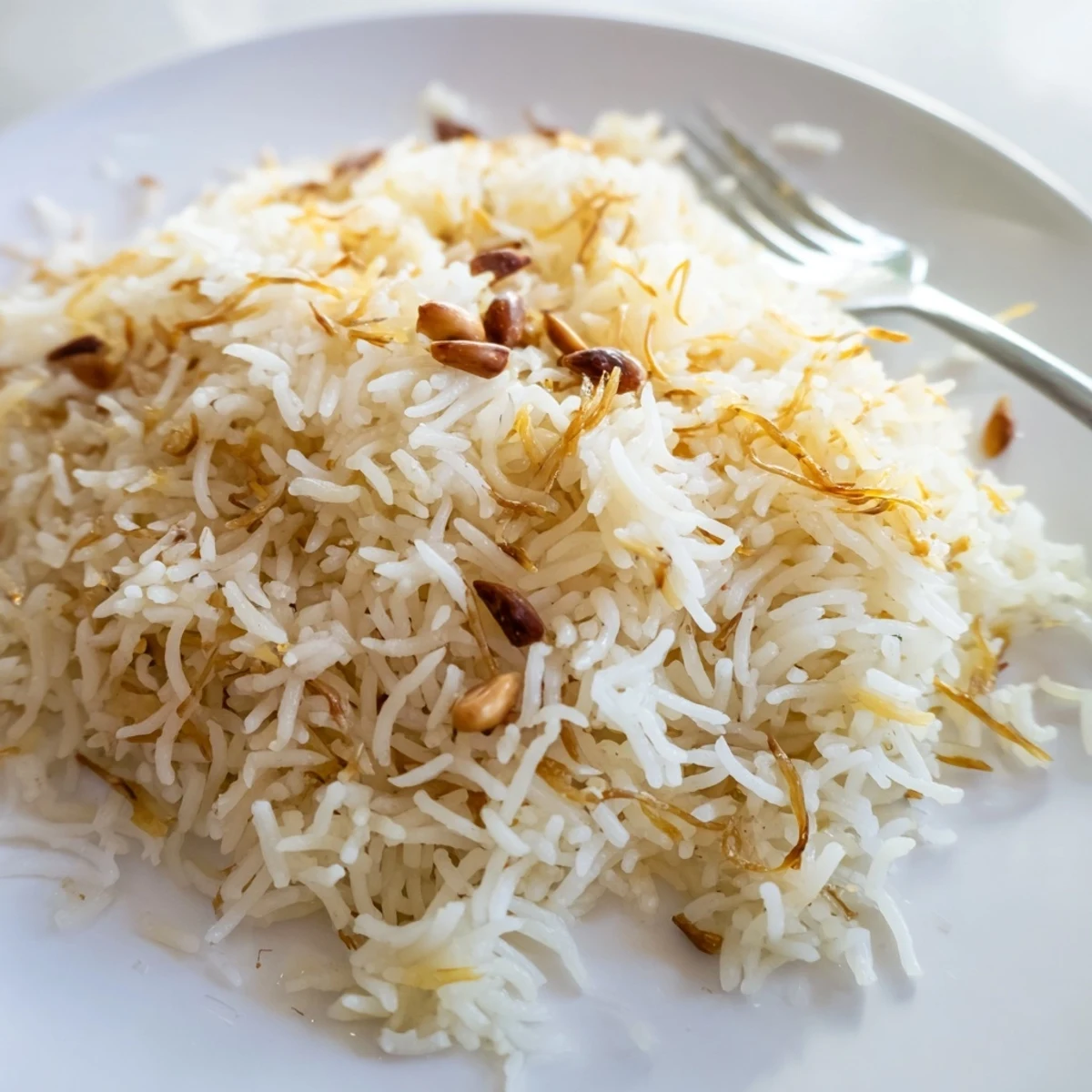
 Lebanese rice is a beloved Middle Eastern side dish built on three simple elements: fluffy long-grain rice, golden toasted vermicelli noodles, and rich buttery flavor.
The vermicelli is sautéed in butter and olive oil until deeply golden, infusing every grain with a nutty aroma. After a gentle simmer and a brief rest, the rice is fluffed into light, separate grains.
Serve it alongside grilled kebabs, hearty stews, or roasted vegetables for an authentic Lebanese table. Top with toasted pine nuts for a traditional finish.
The hiss of vermicelli hitting melted butter is one of those sounds that instantly pulls me back to my friend Hana's kitchen, where her teta stood at the stove barely glancing down as the thin golden strands turned the color of amber beneath her wooden spoon.
I messed this up embarrassingly the first time by walking away while the vermicelli browned and coming back to a pan full of charred strands that set off every smoke alarm in my apartment.
Ingredients
- 1 cup long-grain white rice (Basmati preferred): Basmati gives you those distinct separated grains that stay fluffy rather than clumping together.
- 1/2 cup vermicelli noodles or broken angel hair pasta: These little golden strands are the soul of this dish, toasting them in butter is what sets Lebanese rice apart from everything else.
- 2 tablespoons unsalted butter: Butter carries the toasting flavor through every grain, and unsalted lets you control the seasoning.
- 1 tablespoon olive oil: The oil raises the smoke point of the butter so you can get a proper golden brown without burning.
- 1 3/4 cups water or vegetable broth: Broth adds a subtle depth but water works beautifully when serving alongside saucy stews.
- 1/2 teaspoon salt: Just enough to wake up the grains without overpowering the buttery fragrance.
Instructions
- Wash the grains clean:
- Rinse the rice under cold running water, swishing it with your fingers, until the water turns from cloudy to nearly clear, then drain thoroughly so you do not add extra moisture to the pot.
- Toast the vermicelli to gold:
- Melt the butter and olive oil together in a medium saucepan over medium heat, then add the vermicelli and stir constantly with a wooden spoon as the strands shift from pale to a warm golden brown, which happens quickly so stay right there.
- Coat the rice:
- Stir the drained rice into the toasted vermicelli and fat, tossing gently for about a minute until every grain glistens and smells faintly nutty.
- Bring it to a bubble:
- Pour in the water or broth and add the salt, stir just once to settle everything evenly, then let it come to a gentle boil uncovered.
- Steam undisturbed:
- Drop the heat to its lowest setting, clamp on a tight lid, and walk away for 15 to 18 minutes while the steam does all the work of tenderizing each grain.
- Rest and fluff:
- Take the pot off the heat but keep the lid on for 5 full minutes so the grains firm up, then fluff gently with a fork so you never crush or mash them.
 Pin It
 The night I finally got this right, Hana texted me a photo of her teta giving a thumbs up, and I sat on my kitchen floor eating straight from the pot with a fork.
Serving Ideas Worth Trying
Pile this rice beside lamb kofta or tuck it under a ladle of fasolia and let the sauce soak down through every buttery grain.
Making It Your Own
Toss a cinnamon stick or a couple of bruised cardamom pods into the pot before steaming for a fragrance that fills the whole room and makes everyone ask what smells so incredible.
Vegan and Allergy Friendly Swaps
You can skip the butter entirely and use all olive oil for a fully vegan version that still tastes wonderful alongside bold flavored main dishes.
- Gluten-free pasta or simply omitting the vermicelli works if wheat is a concern.
- Toasted pine nuts scattered on top at the end add crunch and tradition in every bite.
- Always double check pasta labels since hidden allergens pop up in unexpected brands.
 Pin It
 Once you master this simple pot of rice, every meal beside it feels a little more like a gathering worth remembering.
Recipe Q&A
- → What type of rice works best for Lebanese rice?
-
Long-grain white rice such as Basmati is ideal. It produces light, fluffy, separate grains that don't clump together. Medium or short-grain varieties tend to become sticky and won't give you the traditional texture.
- → Why do you toast the vermicelli before cooking?
-
Toasting the vermicelli in butter and olive oil until golden brown develops a deep, nutty flavor that infuses the entire dish. This step is essential to achieving the signature taste of authentic Lebanese rice.
- → Can I make Lebanese rice vegan?
-
Yes, simply replace the butter with additional olive oil or a plant-based butter alternative. The rice will still have wonderful flavor from the toasted vermicelli and olive oil.
- → Why should I rinse the rice before cooking?
-
Rinsing removes excess surface starch that causes grains to stick together. Run cold water over the rice until it runs clear, then drain thoroughly. This ensures each grain cooks up fluffy and separate.
- → What can I add for extra flavor?
-
Add a cinnamon stick or a few cardamom pods to the pot while cooking for warm, fragrant notes. Sprinkle toasted pine nuts or slivered almonds over the finished dish for a traditional crunch and presentation.
- → How do I store and reheat leftovers?
-
Store cooled rice in an airtight container in the refrigerator for up to 3 days. To reheat, sprinkle a few drops of water over the rice and warm it in the microwave or on the stovetop covered, fluffing gently with a fork before serving.