
 Pin It
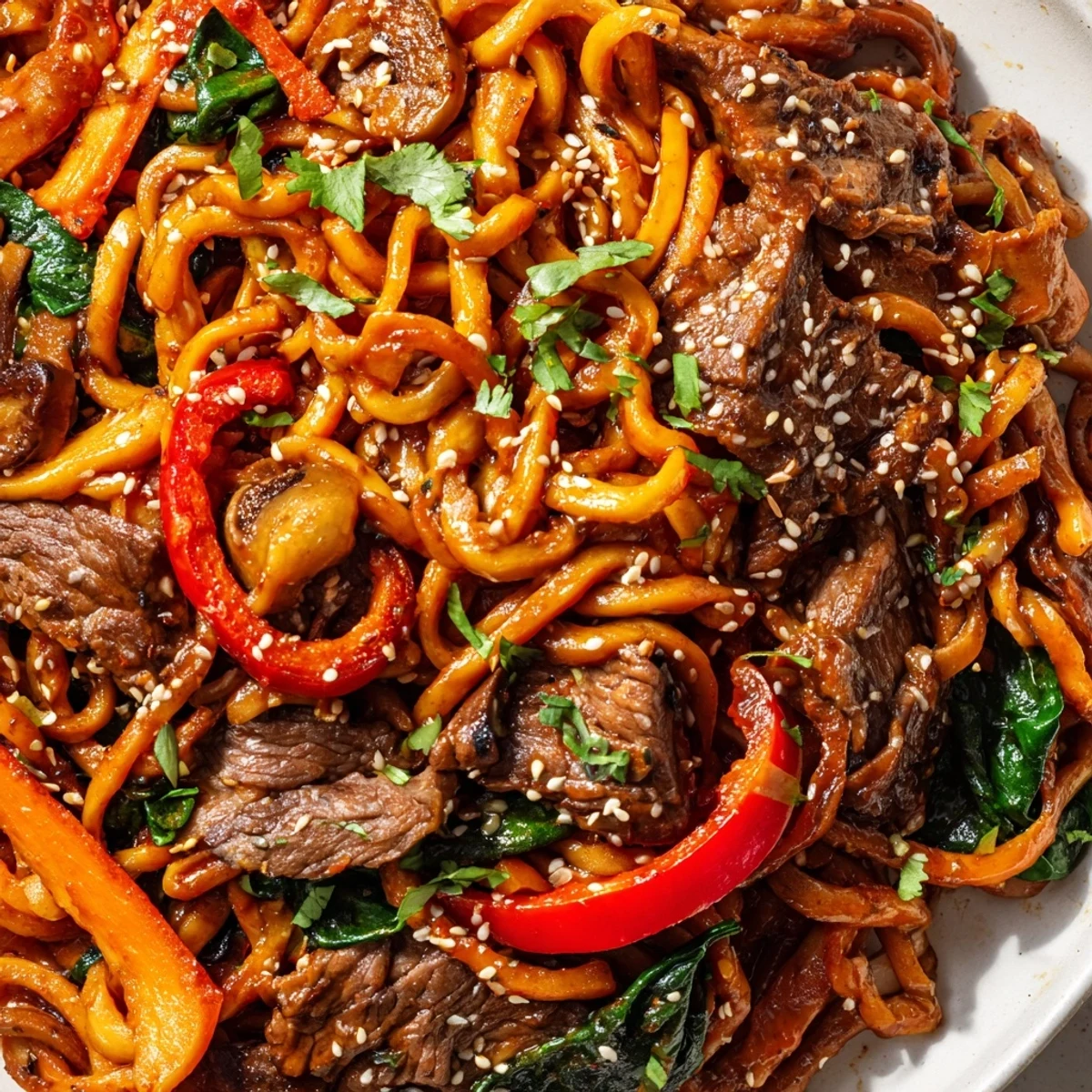
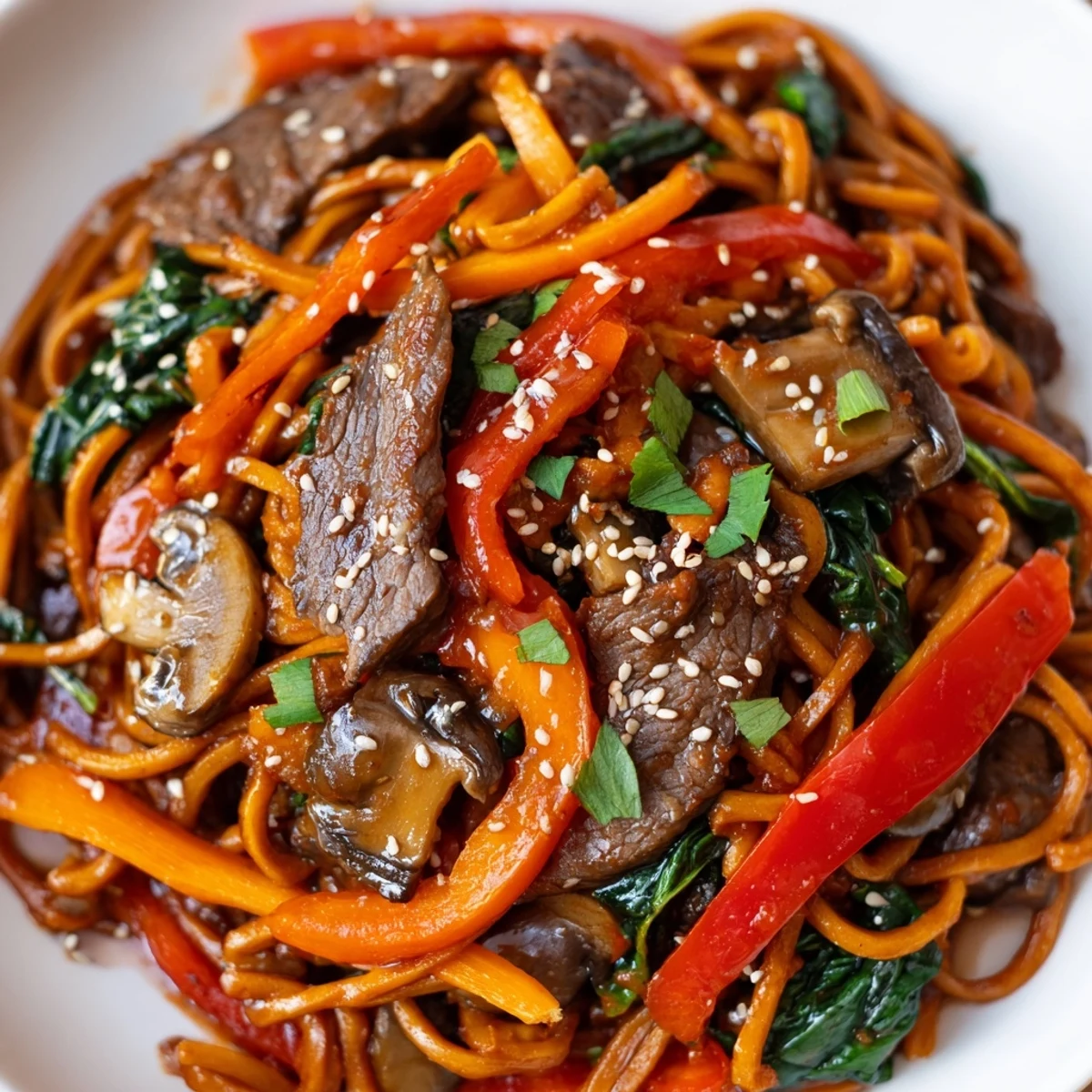
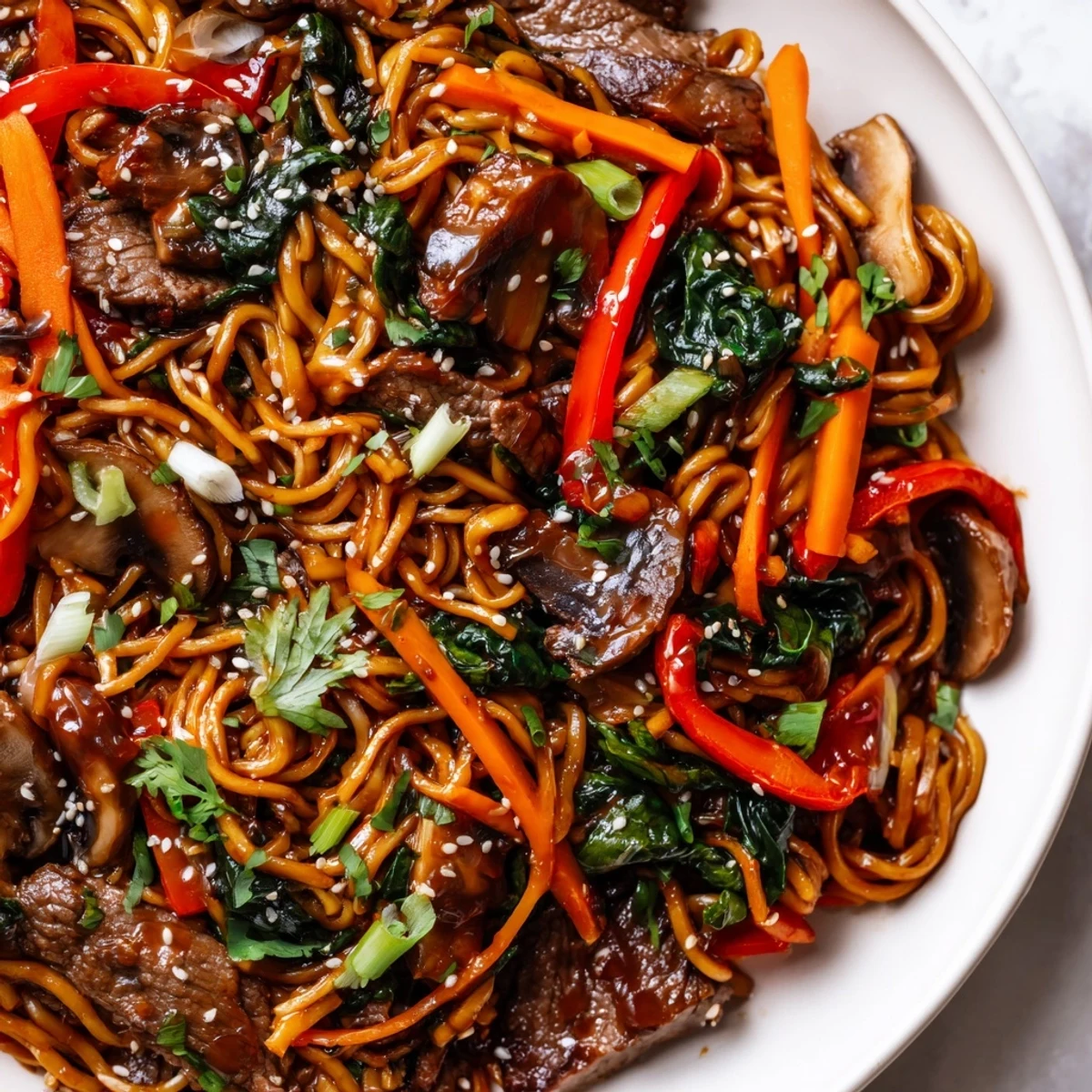
 These Korean beef noodles feature tender marinated beef, crisp vegetables like carrots and bell peppers, and chewy sweet potato noodles coated in a rich sauce made with gochujang, soy sauce, and aromatic seasonings. The dish comes together in just 40 minutes, making it perfect for weeknight dinners. The balance of savory, sweet, and slightly spicy flavors creates a satisfying meal that serves four.
The first time I made Korean beef noodles, my tiny apartment smelled like sesame and caramelized soy for days. My roommate kept poking her head into the kitchen, asking if it was ready yet. We ended up eating standing up at the counter because we were too impatient to set the table. That's the thing about this dish, it pulls everyone in before you've even finished plating.
Last winter, I made this for a friend who swore she hated spicy food. She watched me measure the gochujang with suspicion, but after one bite, she went back for seconds. Now she asks for it every time she visits, and I've learned to double the recipe.
Ingredients
- Beef sirloin or ribeye: Thin slices are crucial here, they cook quickly and stay tender while soaking up all that marinade flavor
- Sweet potato noodles: These chewy glass noodles are what make the dish authentic, but udon works in a pinch
- Gochujang: This Korean chili paste is the backbone of the sauce, bringing depth and a gentle warmth that builds
- Sesame oil: Use the toasted kind, it makes all the difference in the final aroma
Instructions
- Let the beef soak up flavor:
- Combine the sliced beef with soy sauce, sesame oil, sugar, and garlic in a bowl. Let it sit while you prep everything else, the meat will be more tender and flavorful.
- Get your noodles ready:
- Boil the noodles until just tender, then rinse under cold water to stop the cooking and keep them from getting sticky.
- Mix up the magic sauce:
- Whisk together soy sauce, brown sugar, gochujang, vinegar, sesame oil, water, and ginger until the sugar dissolves completely.
- Wake up the vegetables:
- Heat your wok until it's nice and hot, then stir-fry the carrots, peppers, and mushrooms until they start to soften.
- Wilt the greens:
- Toss in the spinach and spring onions, cooking just until they collapse, then remove everything to a plate.
- Sear the beef:
- Cook the marinated meat in the hot wok until it's browned and smells incredible.
- Bring it all together:
- Return the vegetables and noodles to the wok, pour in the sauce, and toss everything until it's glossy and coated.
 Pin It
 This recipe became my go-to for nights when I want comfort food but don't want to spend hours in the kitchen. Something about the chew of the noodles and the way the sauce clings to everything just works.
Getting the Perfect Sear
I learned the hard way that overcrowding the wok turns stir-fry into a steamed mess. Work in batches if you need to, and let the beef actually touch the hot surface. That brown, caramelized crust is where all the flavor lives.
Making It Your Own
Sometimes I throw in whatever vegetables are languishing in my crisper drawer, broccoli or snap peas work beautifully. The sauce is flexible enough to handle whatever you've got on hand.
Serving Suggestions
A cold beer cuts through the richness perfectly, and a simple cucumber salad on the side adds freshness. Leftovers reheat surprisingly well, just add a splash of water to loosen the sauce.
- Top with a fried egg if you want to turn it into a complete meal
- Extra gochujang on the side lets heat lovers adjust to their liking
- The noodles absorb sauce as they sit, so taste before adding salt
 Pin It
 I hope this becomes one of those recipes you make without measuring, just by feel and memory. That's when you know it's really yours.
Recipe Q&A
- → What type of noodles work best for this dish?
-
Korean sweet potato noodles (dangmyeon) are traditional and provide a perfect chewy texture. Dried udon noodles make an excellent substitute if dangmyeon aren't available at your local market.
- → Can I make this dish vegetarian?
-
Yes, replace the beef with firm tofu or seitan. Use tamari instead of soy sauce and ensure your gochujang is vegetarian. The preparation method remains the same.
- → How spicy is this dish?
-
Gochujang provides mild to moderate heat depending on the brand. Adjust the amount to your preference or substitute with chili flakes for a different spice profile.
- → Can I prepare this ahead of time?
-
You can marinate the beef and prepare the sauce up to a day in advance. Cook vegetables and noodles fresh for the best texture, though leftovers reheat well for lunch the next day.
- → What other vegetables can I add?
-
Zucchini, broccoli, snap peas, or bok choy work beautifully. Add heartier vegetables like broccoli earlier in the cooking process to ensure they become tender.
- → Is this dish gluten-free?
-
Traditionally it contains gluten from soy sauce and noodles. Make it gluten-free by using tamari instead of soy sauce and choosing gluten-free noodles. Always check your gochujang label.