
 Pin It
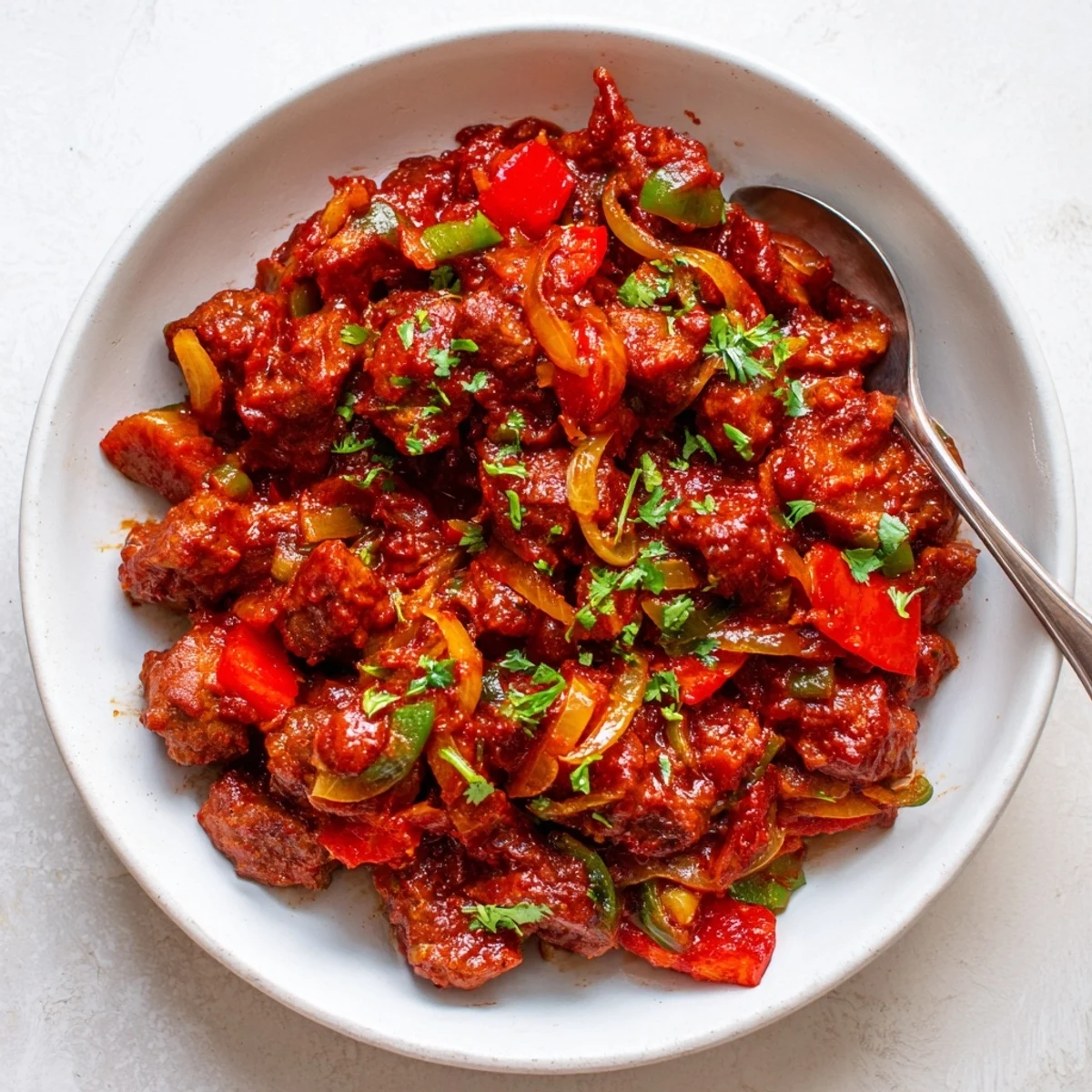
 Kenyan goat wet fry delivers tender, flavorful meat through a two-step cooking process. First, the goat simmers with aromatics until tender, then stir-fries with tomatoes, onions, and spices until glossy. The result balances rich, savory depth with gentle heat from optional green chilies.
This gluten-free main dish yields four hearty servings and pairs beautifully with ugali, rice, or chapati. The wet fry technique creates a thickened sauce that clings to each bite-sized piece, ensuring every mouthful carries the full spectrum of spices including paprika, ground coriander, black pepper, and turmeric.
The first time I encountered goat wet fry was at a small family-run restaurant in Nairobi, where the aroma alone stopped me in my tracks. The owner, Mama Njeri, insisted I try her specialty, and that first bite of tender, spice-coated meat changed everything I thought I knew about Kenyan cooking. What struck me most was how the sauce clung to every piece of goat, glossy and rich without being heavy. Now, whenever I make this dish, my kitchen fills with those same intoxicating spices that transport me right back to that bustling street corner.
Last winter, during a particularly brutal snowstorm, I decided to attempt this recipe for friends who had never tried goat meat before. I spent hours at the stove, adjusting spices and tasting until the sauce coated the back of my spoon just right. When they finally took their first bites, the silence around the table said everything. One friend actually put down his fork and asked, "What IS this magic?" We spent the rest of the night picking at the serving dish, scooping up every last drop of sauce with chapati.
Ingredients
- 1 kg goat meat, cut into bite-sized pieces: The bone-in pieces add incredible depth to your sauce, though boneless works if that is what you can find
- 2 large onions, finely sliced: One onion goes into the initial boil, the other creates that caramelized base that makes the sauce sing
- 3 medium tomatoes, diced: Really ripe ones break down beautifully and help create that signature glossy finish
- 2 cloves garlic, minced: Fresh garlic is non-negotiable here, the jarred stuff lacks the punch this dish needs
- 1 thumb-sized piece ginger, minced: Peel it completely and mince it as fine as your patience allows
- 2–3 green chilies, sliced: Adjust these based on your heat tolerance, but do not leave them out entirely
- ½ bunch fresh coriander, chopped: Stir this in at the very end for that burst of fresh brightness
- 3 tbsp vegetable oil: A neutral oil lets the spices take center stage without competing flavors
- 1 tsp salt, or to taste: Go light during the boil and adjust at the end
- 1 tsp black pepper: Freshly cracked makes a noticeable difference
- 1 tsp paprika: This adds that beautiful red hue and subtle sweetness
- 1 tsp ground coriander: Earthy and citrusy all at once
- ½ tsp turmeric powder: Optional, but it gives the sauce this gorgeous golden undertone
- 200 ml water: Just enough to tenderize the meat without drowning the flavors
Instructions
- Start with the goat:
- Rinse your meat and place it in a large saucepan with half the onions, garlic, ginger, and half the salt. Add just enough water to cover everything, then bring it to a rolling boil before dropping to a simmer.
- Let it get tender:
- Cover the pan and let it simmer gently for 25 to 30 minutes. You want the meat fork-tender and most of that liquid absorbed into the meat.
- Build your flavor base:
- While the meat simmers, heat oil in a heavy-bottomed pan over medium-high heat. Toss in the remaining onions and cook them until they are golden brown and fragrant.
- Add tomatoes and heat:
- Throw in your diced tomatoes and sliced green chilies. Let them cook down until the tomatoes are soft and the mixture has thickened nicely.
- Bring it all together:
- Add your cooked goat meat along with any juices left in the pan. Sprinkle in the paprika, ground coriander, black pepper, turmeric if using, and the remaining salt.
- Create the sauce:
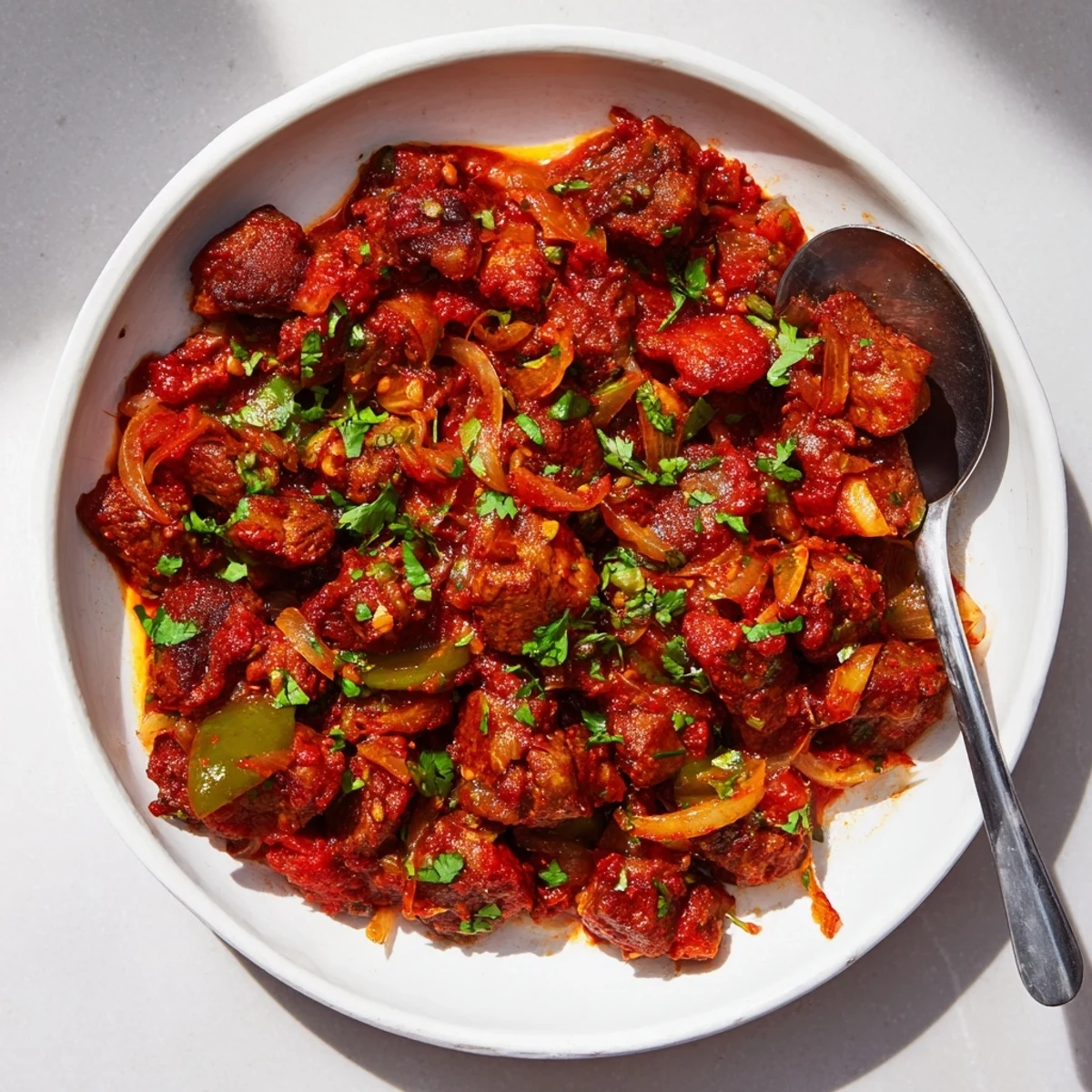
- Cook uncovered, stirring frequently, for 10 to 15 minutes. You want the sauce to thicken until it coats the meat in this glossy layer, not soupy but definitely not dry.
- Finish with freshness:
- Taste and adjust your seasoning, then stir in the fresh coriander and cook for just another minute or two. Serve it piping hot with your choice of sides.
 Pin It
 My cousin from Mombasa visited last summer and taught me that the real secret is patience. She sat at my kitchen table, chopping onions and telling stories about her grandmother cooking this over an open fire, and suddenly the dish made so much more sense. Now whenever I make it, I leave myself plenty of time, no rushing allowed.
Getting the Sauce Right
The difference between a good wet fry and a great one comes down to that final reduction stage. You want to cook it until the oil starts to separate slightly from the tomatoes, that is your signal that the sauce has reached perfect consistency. If it is too thick, splash in a tablespoon of water. Too thin, keep cooking.
Meat Matters
Young goat meat is more tender and milder, while older goat has more flavor but needs longer cooking time. Ask your butcher what they recommend, and do not be afraid to request cuts from the shoulder or leg for the best balance of tenderness and taste. Bone-in pieces add incredible depth to your sauce.
Serving Suggestions
Ugali is the traditional choice, its subtle creaminess balances the spices perfectly. Rice works wonderfully too, especially if you fluff it with a fork and let it steam in its own pot. For something different, warm chapati on the side makes for a memorable meal.
- Serve with a simple side of sukuma wiki for a complete Kenyan feast
- Pair with a cold Tusker beer if you can find it
- Squeeze fresh lime over the top just before eating
 Pin It
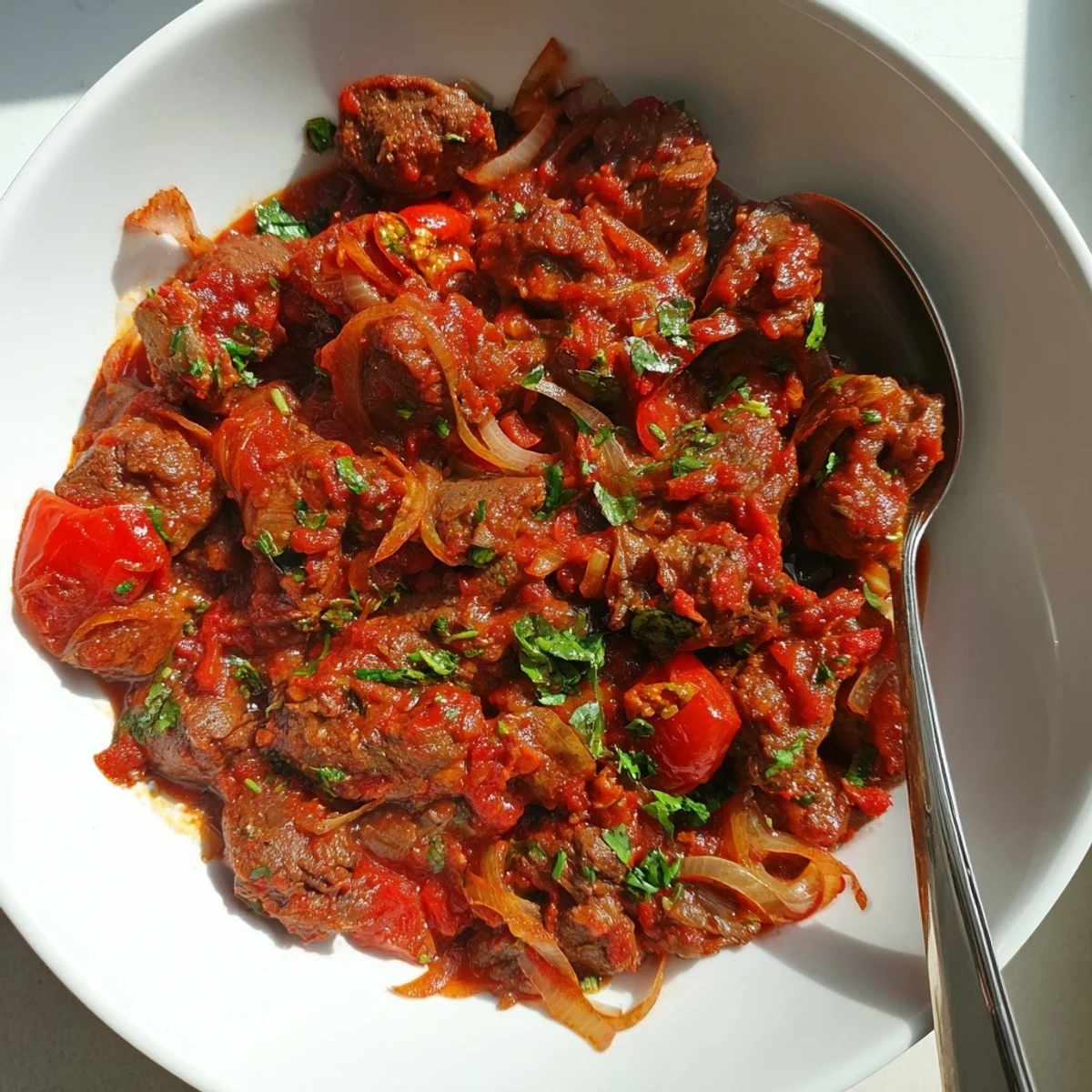
 There is something deeply satisfying about this dish, the way it fills your home with spice and warmth. Hope it becomes a favorite in your kitchen too.
Recipe Q&A
- → What cut of goat meat works best?
-
Choose shoulder or leg meat with moderate marbling. These cuts become tender during simmering while maintaining enough structure for the stir-fry stage. Ask your butcher for pieces suitable for stewing.
- → Can I make this dish less spicy?
-
Absolutely. Simply omit the green chilies or reduce the quantity. The warmth comes primarily from black pepper and paprika, which provide gentle flavor without intense heat. Adjust to your preference.
- → What's the best way to serve Kenyan goat wet fry?
-
Traditional accompaniments include ugali (maize porridge), steamed rice, or warm chapati flatbread. The thickened sauce coats these starches beautifully. For a complete meal, add a simple side of sautéed greens like collards or spinach.
- → How do I know when the sauce reaches the right consistency?
-
The ideal wet fry texture is neither soupy nor dry. You'll know it's ready when the sauce thickens enough to coat the meat generously while still leaving a glossy sheen. This usually takes 10-15 minutes during the final cooking stage.
- → Can I prepare this dish in advance?
-
Yes, goat wet fry actually benefits from resting. The flavors deepen after a few hours or overnight in the refrigerator. Reheat gently over low heat, adding a splash of water if the sauce has thickened too much. Fresh coriander is best added just before serving.
- → What proteins can substitute for goat meat?
-
Beef chuck or lamb shoulder work beautifully as alternatives, offering similar richness and texture. Chicken thighs or drumsticks create a lighter version with faster cooking time. Adjust simmering time accordingly—poultry needs roughly 15-20 minutes less.