
 Pin It
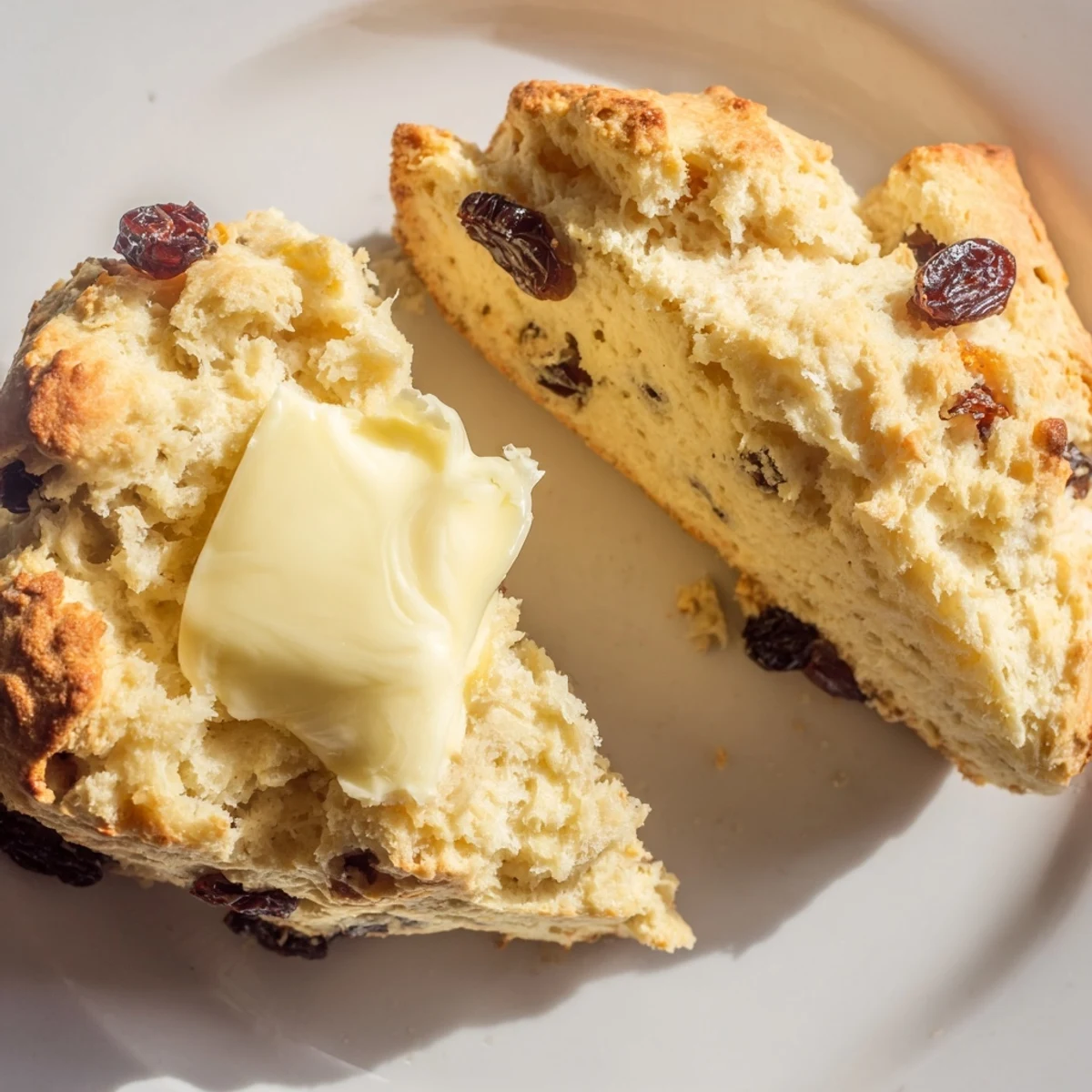
 These tender scones take inspiration from traditional Irish soda bread, combining all-purpose and whole wheat flours with baking soda and baking powder for a textured crumb. Currants add subtle sweetness, while cold buttermilk and melted butter bring moistness and richness. The dough is gently mixed and cut into rounds before baking to a golden crust. Served warm and topped with softened butter, these scones offer a comforting breakfast or snack option with simple, wholesome ingredients.
The morning mist was still clinging to our kitchen windows when I first attempted these scones, having stumbled upon the technique while experimenting with traditional Irish soda bread dough. My grandmother would have laughed at my impatience, shaping individual portions instead of the classic round loaf, but the golden results spoke for themselves. Now they've become our weekend ritual, the smell of buttermilk and baking soda signaling something cozy is about to emerge from the oven.
Last St. Patrick's Day, I made three batches back to back because friends kept dropping by unexpectedly. Each tray disappeared faster than the last, with people standing around the counter, splitting warm scones and slathering them with butter. There's something universally comforting about breaking bread together, especially when it's this effortless to share.
Ingredients
- All-purpose flour: Creates the tender foundation while whole wheat adds earthy depth
- Whole wheat flour: Just enough to give these scones character without making them heavy
- Baking soda and powder: The dual leavening agents ensure reliable rise every time
- Cold buttermilk: Essential for activating the soda and creating those tender crumbs
- Unsalted butter: Melted into the dough and softened for serving, because butter twice is always better
Instructions
- Prep your station:
- Heat that oven to 400°F and line your baking sheet with parchment paper so nothing sticks
- Whisk the dry foundation:
- Combine both flours, sugar, baking soda, baking powder, and salt in a large bowl until everything is evenly distributed
- Add the fruit:
- Toss in currants or raisins if you're using them, making sure they're coated in flour to prevent sinking
- Combine wet ingredients:
- Whisk together cold buttermilk, egg, and melted butter until blended
- Bring it together:
- Pour wet into dry and stir with a fork until just combined, some floury bits are perfectly fine
- Shape the scones:
- Turn dough onto a floured surface, pat into a 1 inch thick circle, and cut with your cutter
- Bake until golden:
- Slide into the oven for 18 to 20 minutes until deeply golden and a toothpick comes out clean
- Serve immediately:
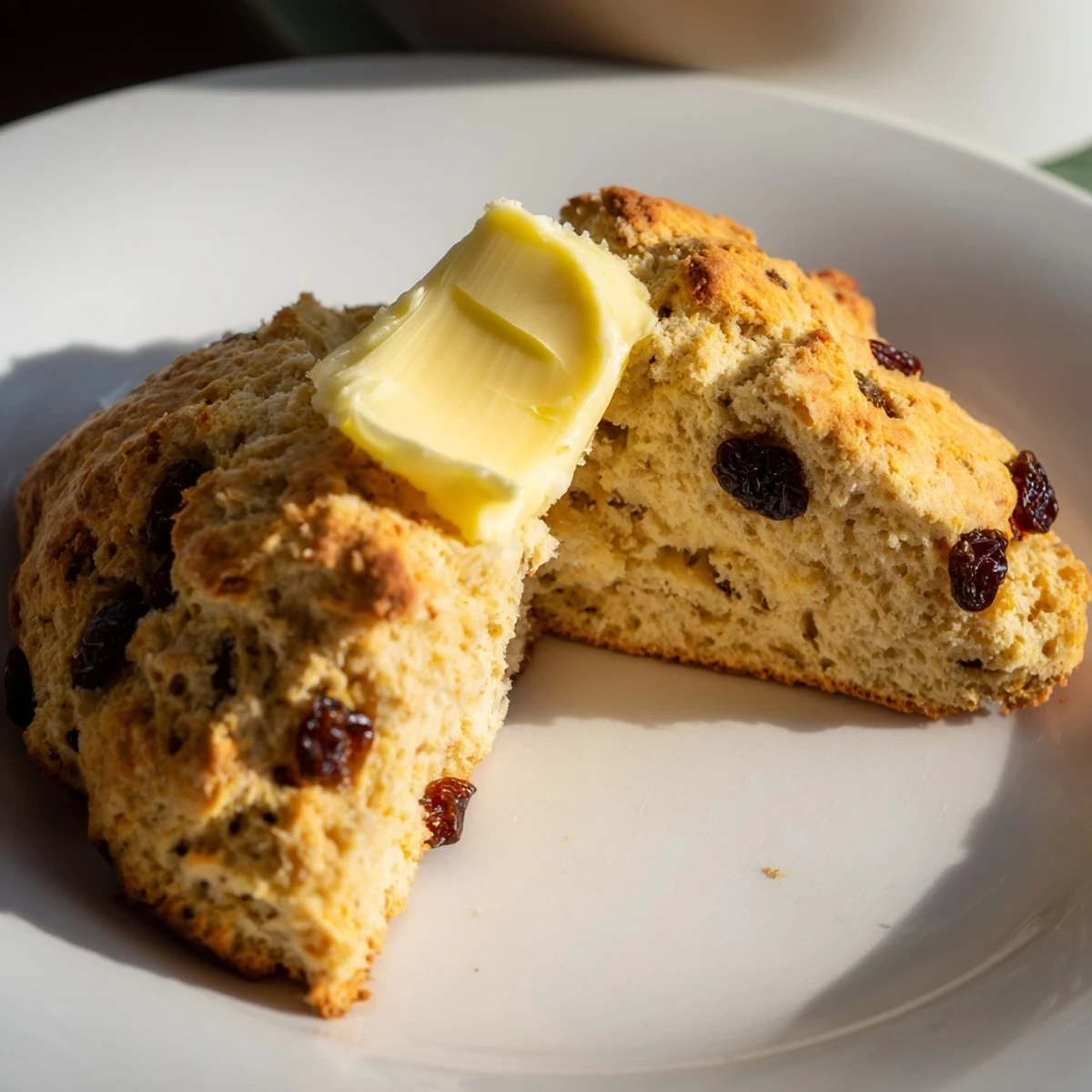
- Let them cool briefly on a wire rack, then split and slather with softened butter
 Pin It
 My youngest now requests these for breakfast more than pancakes, watching through the oven door as they rise and turn golden. There's profound satisfaction in something so simple bringing such consistent joy to the table, warm butter melting into every crevice.
Making Them Your Own
Dried cranberries add a tart brightness that cuts through the richness, especially when paired with a bit of orange zest. Chopped dried apricots bring natural sweetness that pairs beautifully with salted butter.
Storage Secrets
These are undoubtedly best fresh from the oven, but freezing unbaked scones lets you have hot breakfast on demand. Wrap individually and bake straight from frozen, adding just a few extra minutes.
Serving Suggestions
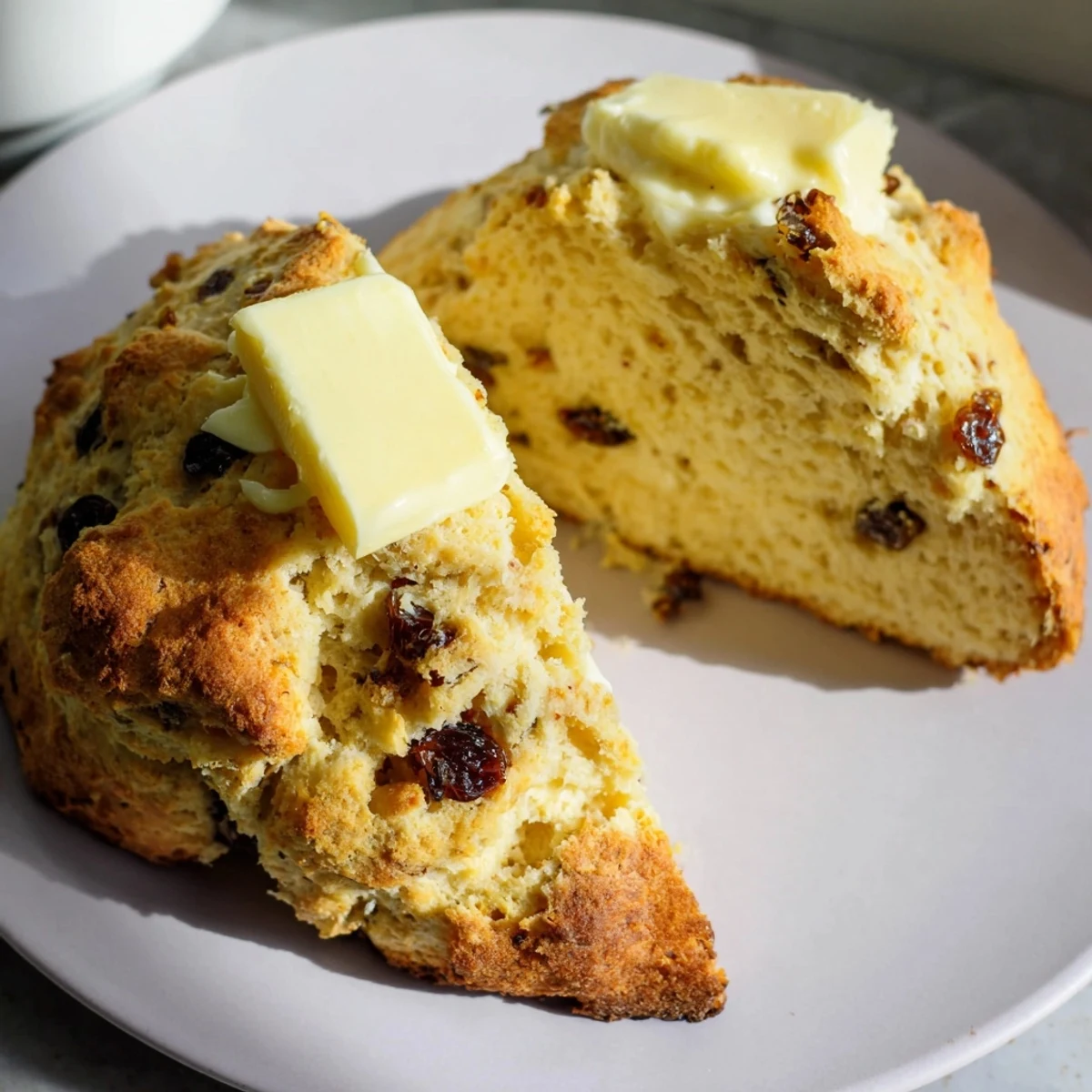
A brush of buttermilk before baking creates an extra golden, slightly crisp crust. Split while still warm and serve with salted butter, lemon curd, or clotted cream if you're feeling fancy.
- Serve alongside a hearty Irish breakfast
- Crumble into bread pudding for a next level dessert
- Enjoy with afternoon tea and good company
 Pin It
 May your kitchen always smell like warm bread and happy mornings.
Recipe Q&A
- → What makes these scones similar to Irish soda bread?
-
The combination of all-purpose and whole wheat flours with baking soda creates a texture and flavor reminiscent of traditional Irish soda bread.
- → Can I substitute currants with other dried fruits?
-
Yes, dried cranberries or chopped dried apricots work well as alternatives to currants.
- → Why should the wet ingredients be cold?
-
Using cold buttermilk helps keep the butter cold in the dough, contributing to a tender and flaky texture.
- → How do I know when the scones are done baking?
-
They are done when the crust is golden brown and a toothpick inserted into the center comes out clean.
- → What is the best way to serve these scones?
-
Serve them warm, split open, and topped with softened butter for the best flavor and texture.