
 Pin It
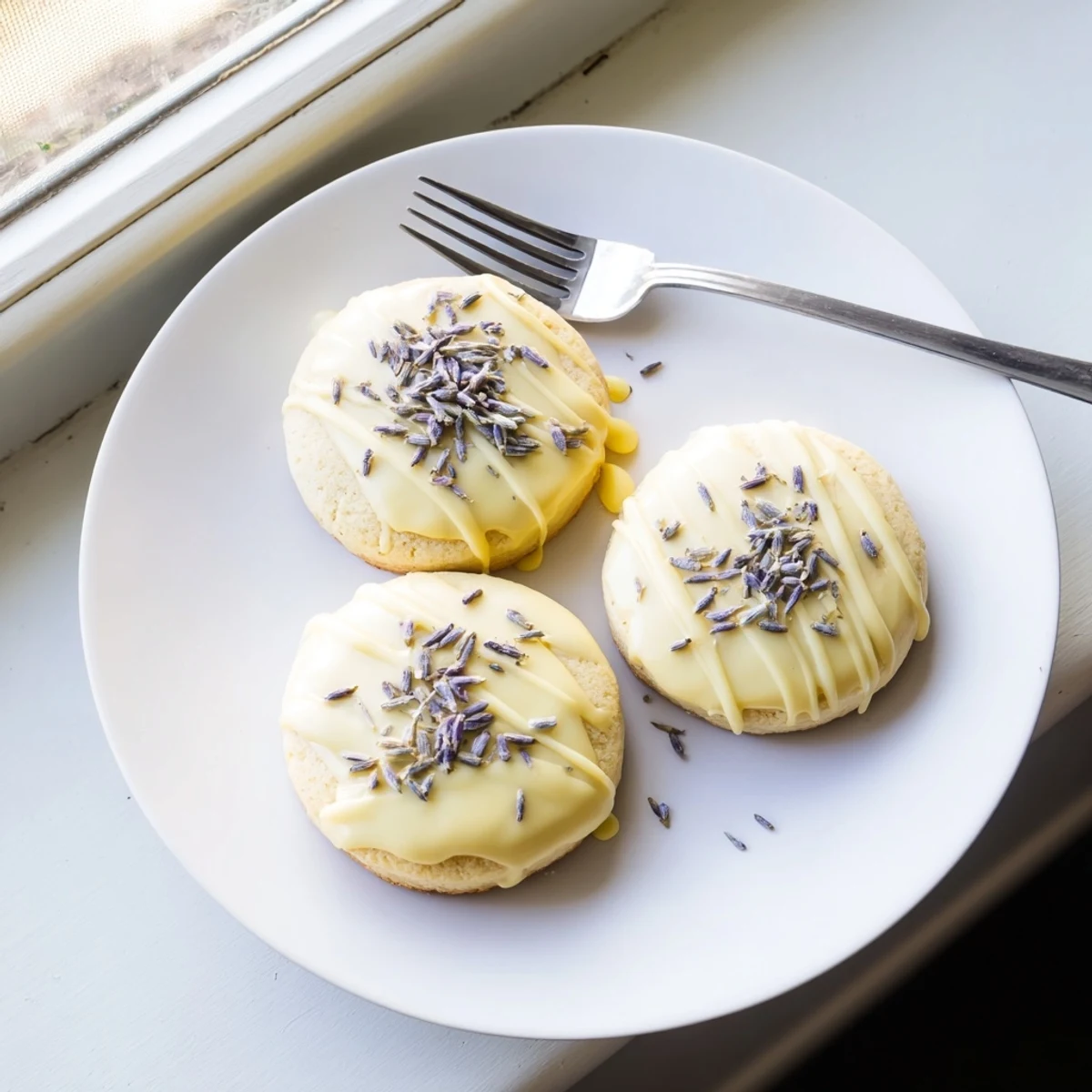
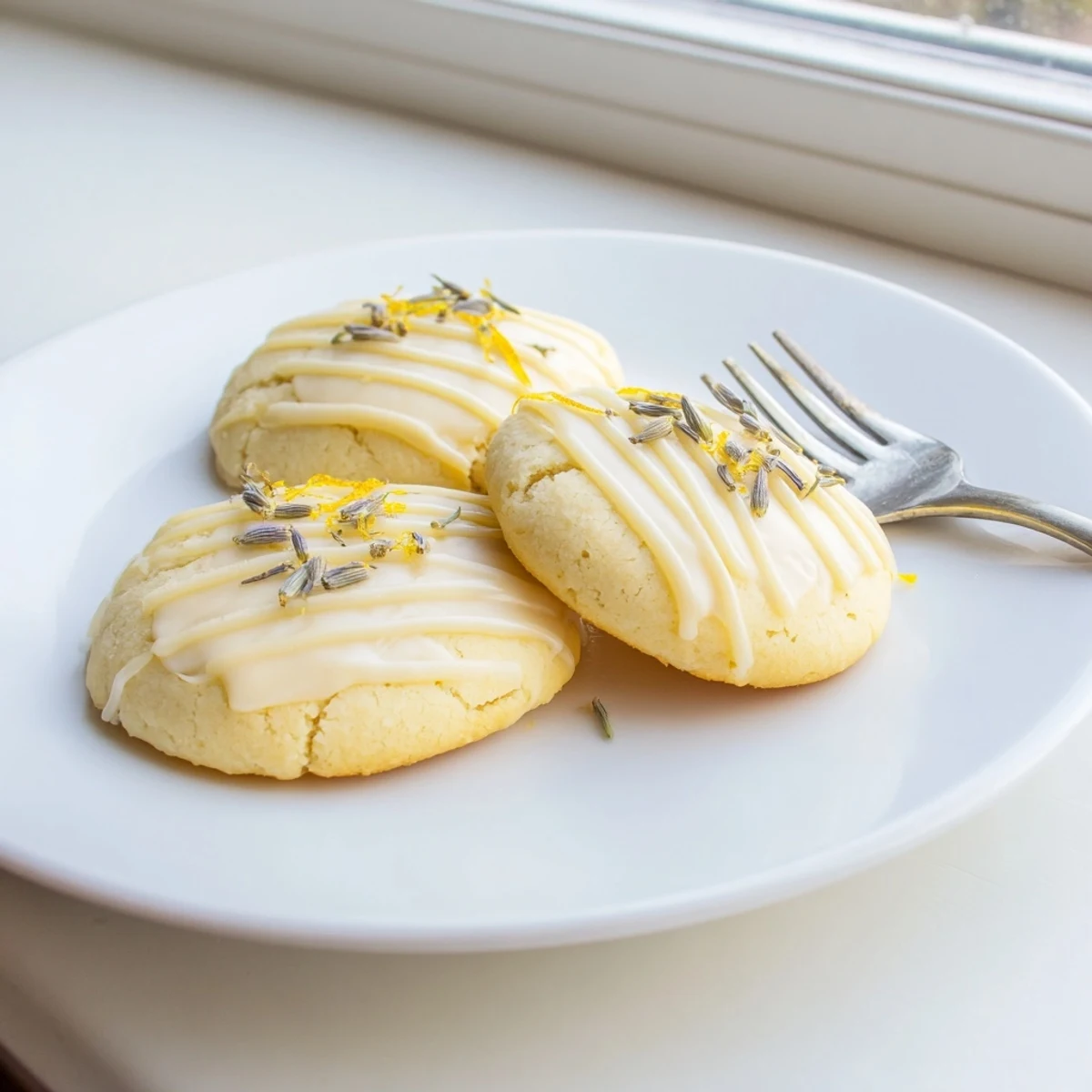
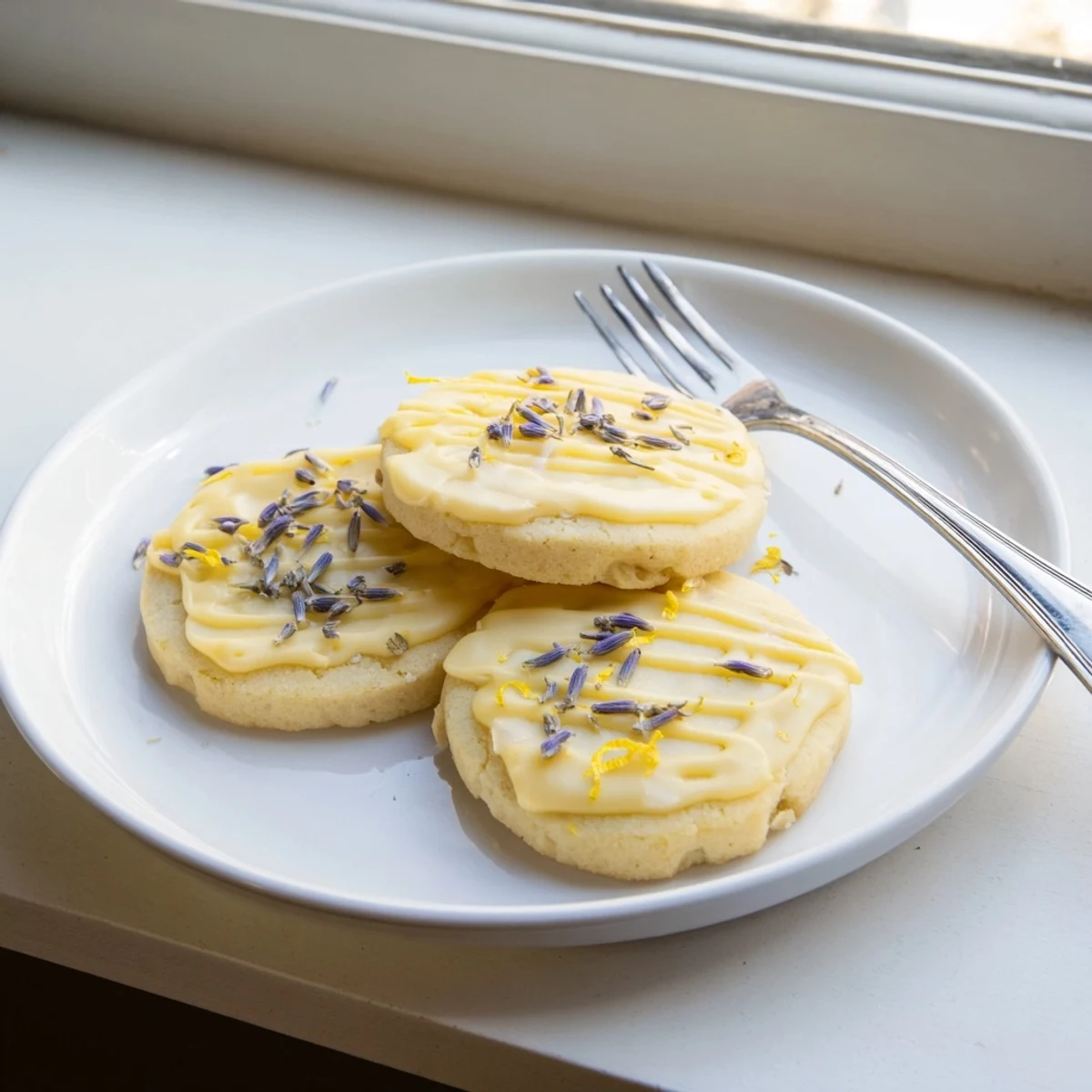
 These delicate shortbread cookies combine rich butter with the fragrant floral notes of lavender and bright citrus from fresh lemon zest. After chilling and slicing, the dough bakes into tender, melt-in-your-mouth rounds. A tangy lemon glaze adds sweetness and a beautiful finish, while optional lavender buds create an elegant presentation. Perfect with Earl Grey tea, these cookies offer a sophisticated balance of floral and citrus flavors.
Summer afternoons growing up meant my grandmother's kitchen always smelled like something wonderful was happening. One particularly sweltering July day, she surprised me with these delicate cookies that tasted like a garden in full bloom. I've been making them ever since, tweaking the balance until the lavender sings instead of shouts.
Last spring, I made three batches for my sister's bridal shower and watched them disappear in twenty minutes flat. Her mother-in-law actually asked for the recipe before she even finished her first cookie. Now they're my go-to whenever I need to bring something that feels special without requiring hours of fuss.
Ingredients
- Unsalted butter (225 g): Room temperature butter is non-negotiable here—cold butter creates tough cookies and nobody wants that disappointment
- Powdered sugar (80 g for dough, 120 g for icing): The fine texture gives you that signature shortbread melt-in-your-mouth magic
- Lemon zest (2 tablespoons plus 1 teaspoon): Use a microplane and really press into the skin—that's where all those fragrant oils live
- Dried culinary lavender (1 teaspoon plus ½ teaspoon for garnish): Please buy culinary-grade lavender from a spice shop, not the stuff in your yard that's been exposed to who knows what
- Salt (¼ teaspoon): Just enough to make all those sweet flavors pop without tasting salty
- All-purpose flour (250 g): Spoon and level it instead of scooping directly—packed flour makes dense shortbread that disappoints everyone
- Fresh lemon juice (2-3 tablespoons): Room temperature juice blends smoother into the icing than cold straight from the fridge
Instructions
- Whip up the butter base:
- Beat that softened butter and powdered sugar until they're pale and fluffy—this creates the tender crumb that makes shortbread so addictive
- Fold in the flavor:
- Gently mix in your lemon zest, chopped lavender, and salt until everything's evenly distributed and the kitchen starts smelling amazing
- Bring the dough together:
- Add the flour gradually and mix just until you no longer see dry streaks—overworking here means tough cookies and nobody wants that
- Shape and chill:
- Divide dough in half, form two tight logs about 2 inches across, wrap securely, and refrigerate at least 30 minutes so they slice cleanly instead of smooshing
- Get ready to bake:
- Heat your oven to 350°F (175°C) and line two baking sheets with parchment paper—this saves you from scrubbing baked-on sugar later
- Slice and arrange:
- Cut those chilled logs into ¼-inch rounds and set them on the prepared sheets with a little breathing room between each cookie
- Bake to perfection:
- Slide them in for 14–16 minutes until you see just the barest hint of golden at the edges—underbaked beats dry and crumbly every time
- Make the magic icing:
- Whisk together your sifted powdered sugar, lemon juice, and zest until glossy and smooth, adding more juice drop by drop if it's too thick to drizzle
- Finish with flair:
- Drizzle that beautiful icing over cooled cookies and sprinkle with lavender buds if you're feeling fancy—let it set before stacking
 Pin It
 My neighbor asked what bakery I'd visited when I brought over a small tin last week. There's something profoundly satisfying about watching someone's face light up when they bite into something so simple yet so perfectly balanced.
The Art of Shortbread Texture
Perfect shortbread walks this incredible line between cookie and candy. I learned after dozens of batches that rushing the butter-softening step creates a completely different crumb—gives it more structure but loses that signature melt. Some days I plan ahead and set butter out in the morning, other times I've been known to cut it into tiny pieces and let it soften in a warm oven for literally 90 seconds.
Balancing Floral Flavors
Working with lavender taught me everything I know about restraint in baking. That first experimental batch where I got enthusiastic and doubled the amount tasted like a soap factory accident. Now I grind it with a mortar and pestle right before adding it—the oils stay fresh and I can actually control how intense the flavor becomes.
Making These Your Own
Once you've mastered the classic version, these cookies become a canvas for creativity. The basic shortbread formula is remarkably forgiving as long as you respect the ratios.
- Swap lime for lemon and add a pinch of cardamom for something completely different
- Dip half the baked cookies in dark chocolate for an afternoon treat that feels indulgent
- Press the dough into a round pan, score it into wedges before baking, and serve with fresh berries
 Pin It
 These little cookies have a way of turning ordinary moments into something worth savoring. Hope they bring as much joy to your kitchen as they've brought to mine.
Recipe Q&A
- → What type of lavender should I use?
-
Use culinary-grade dried lavender buds intended for cooking. Regular lavender from craft stores may contain pesticides or have an overly soapy taste. Grind the buds finely to distribute the flavor evenly throughout the dough.
- → Can I make the dough ahead of time?
-
Absolutely. The dough logs can be wrapped tightly and refrigerated for up to 3 days or frozen for up to 3 months. Thaw frozen dough overnight in the refrigerator before slicing and baking.
- → Why is chilling time important?
-
Chilling firms the butter-rich dough, making it easier to slice into clean rounds without crumbling. This step also helps the cookies hold their shape during baking and enhances the flavor development.
- → How do I know when the cookies are done?
-
The cookies are ready when the edges turn lightly golden, about 14–16 minutes. They should still appear pale on top. Over-baking will make them dry rather than tender and melt-in-your-mouth.
- → Can I make these gluten-free?
-
Yes, substitute the all-purpose flour with a 1-to-1 gluten-free baking blend. The texture may be slightly more crumbly but still delicious. Ensure your other ingredients, including lavender, are certified gluten-free.
- → What's the best way to store these cookies?
-
Store in an airtight container at room temperature for up to 5 days. Place parchment paper between layers to prevent sticking. The icing may soften slightly over time but remains flavorful.