
 Pin It
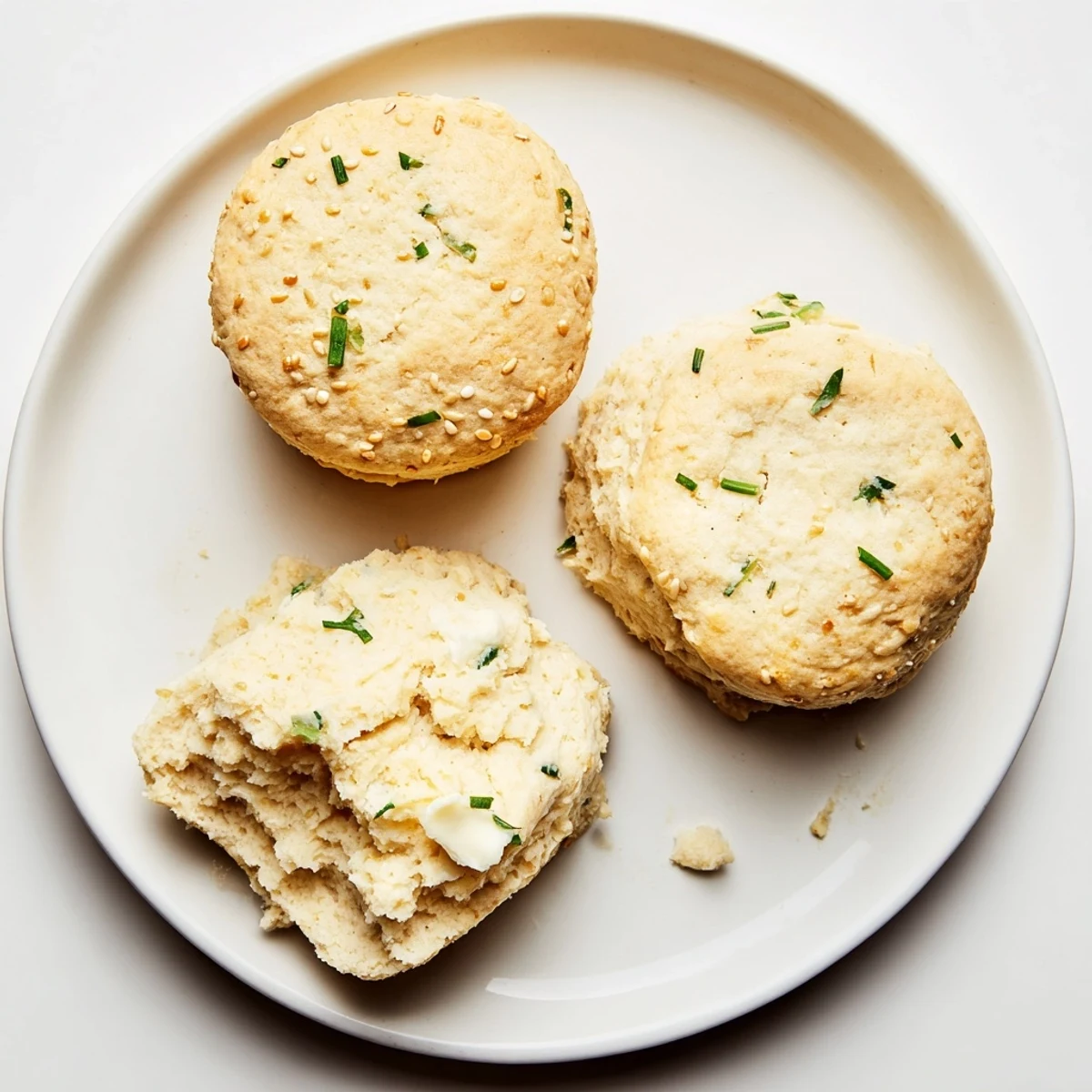
 These Humous scones blend creamy hummus with flour, cold butter, milk and egg to create a tender, savory bake. Combine dry ingredients, cut in butter until coarse crumbs form, stir in a hummus-plus-milk mixture without overworking, pat to 2.5 cm thickness, cut and bake at 200°C (400°F) for 18–20 minutes until golden. Fold in herbs, feta or sesame before baking and serve warm with extra hummus or tangy yogurt.
The rain was hammering against the kitchen window and I had exactly forty minutes before guests arrived, a half empty tub of hummus staring me down from the fridge, and zero desire to brave the shops. Something about the creamy texture made me wonder if it could replace half the fat in a basic scone dough. I winged it, fully expecting doorstops, and pulled out eight golden, impossibly tender little triangles that disappeared before the kettle even boiled. Now they are the thing everyone requests when they come over.
I made a double batch for a picnic last summer and watched a friend who claims she does not like scones eat four of them while pretending to share with her toddler.
Ingredients
- All-purpose flour (250 g): Regular plain flour gives the right structure here, nothing fancy needed.
- Baking powder and baking soda: The combo gives a good lift, especially since the hummus adds a bit of density.
- Salt: Do not skip it, the salt balances the earthy hummus flavor beautifully.
- Cold unsalted butter (60 g): Keep it fridge cold and cubed so you get those flaky little pockets as it bakes.
- Hummus (100 g): Store-bought works perfectly, but use one you actually enjoy eating on its own since the flavor shines through.
- Milk (80 ml): Dairy or plant-based both work, just keep it cold.
- One large egg: Binds everything together and adds tenderness.
- Optional parsley, feta, and sesame seeds: These take the scones from simple snack to something people will ask you about for weeks.
Instructions
- Get the oven hot:
- Preheat to 200 degrees C (400 F) and line a baking tray with parchment paper so nothing sticks.
- Whisk the dry team:
- In a large bowl, whisk the flour, baking powder, baking soda, and salt together until evenly mixed.
- Rub in the butter:
- Drop in the cold cubed butter and use your fingertips to rub it through until the mixture looks like coarse sand with a few pea-sized bits remaining.
- Combine the wet ingredients:
- In a separate bowl, whisk the hummus, milk, and egg until smooth and slightly frothy.
- Bring it all together:
- Pour the wet mixture into the dry and stir gently with a spatula just until the dough clumps, resisting the urge to keep mixing.
- Fold in extras:
- If using herbs, feta, or sesame seeds, fold them in now with two or three gentle turns.
- Shape and cut:
- Turn the dough onto a lightly floured surface, pat it into a round about 2.5 cm thick, and cut out scones with a 6 cm cutter, rerolling scraps once.
- Finish and bake:
- Arrange on the tray, brush tops with a splash of milk if you like, sprinkle with extra sesame or herbs, and bake 18 to 20 minutes until risen and golden.
- Cool just enough:
- Let them sit on the tray for five minutes so the crumb sets, then serve warm for the best texture.
 Pin It
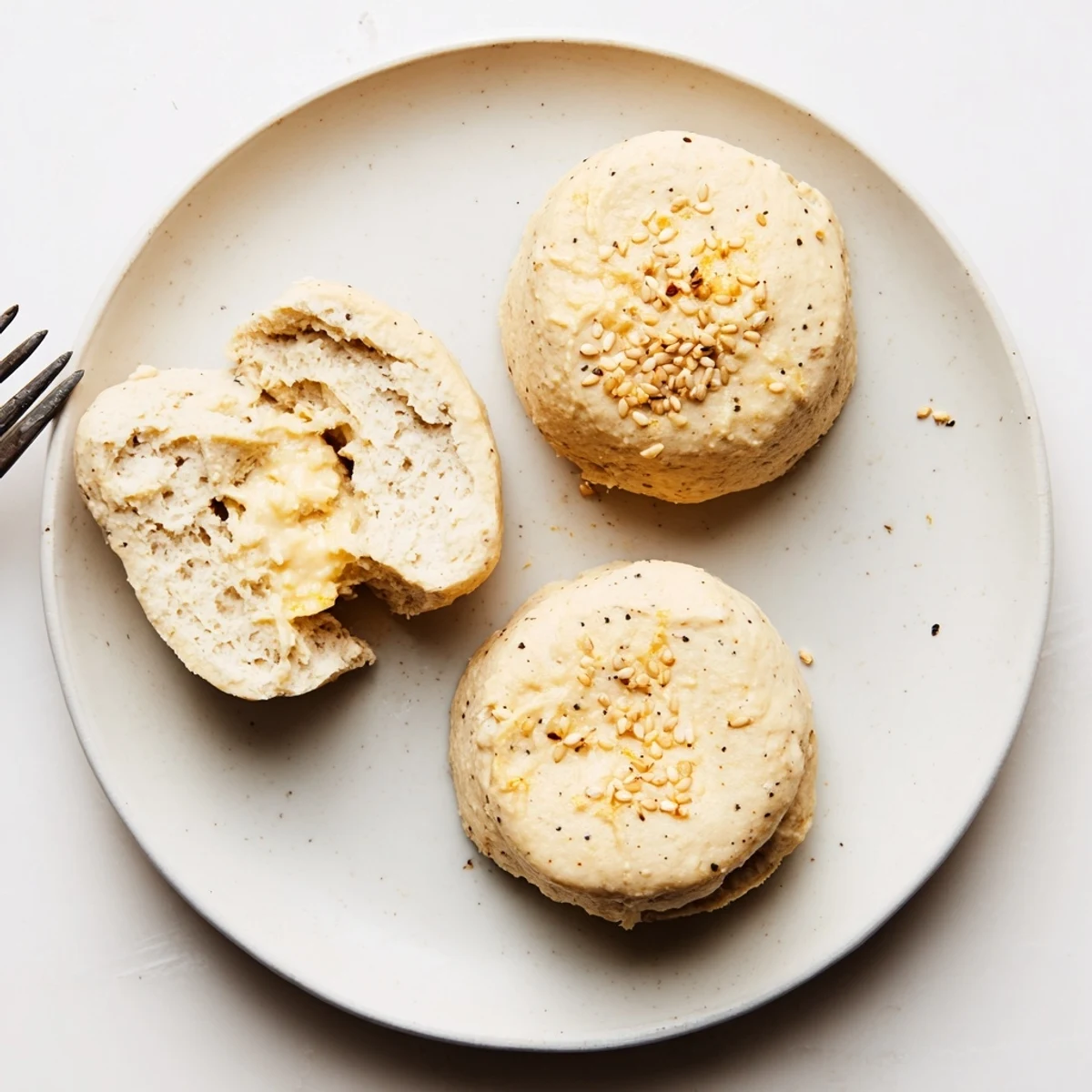
 There is something quietly magical about handing someone a warm scone they cannot quite place, watching them chew thoughtfully, and seeing their eyes widen when they realize what the secret ingredient is.
Serving Suggestions
These scones are at their absolute best split open and served with an extra smear of hummus or a dollop of tangy Greek yogurt. I once piled them high with whipped feta and a drizzle of olive oil for a brunch and people treated it like a restaurant dish. A simple side salad with lemon dressing turns them into a light lunch without any fuss.
Making Them Your Own
Swapping the plain hummus for a roasted red pepper or caramelized onion version gives you an entirely different scone with zero extra work. You could fold in olives, sun-dried tomatoes, or a pinch of za'atar if you want to lean into the Middle Eastern angle. The dough is forgiving enough to handle most additions as long as you keep them relatively dry.
Storage and Reheating
Leftover scones keep well in an airtight container at room temperature for up to two days, though they rarely last that long in my house. For longer storage, freeze them baked and wrapped tightly, then reheat directly from frozen in a 180 degree C oven for about ten minutes. A quick warm-up restores that fresh-baked tenderness beautifully.
- Always cool completely before storing so condensation does not make them soggy.
- A light sprinkle of water before reheating helps soften the crust just enough.
- Do not microwave unless you enjoy chewing on a damp sponge.
 Pin It
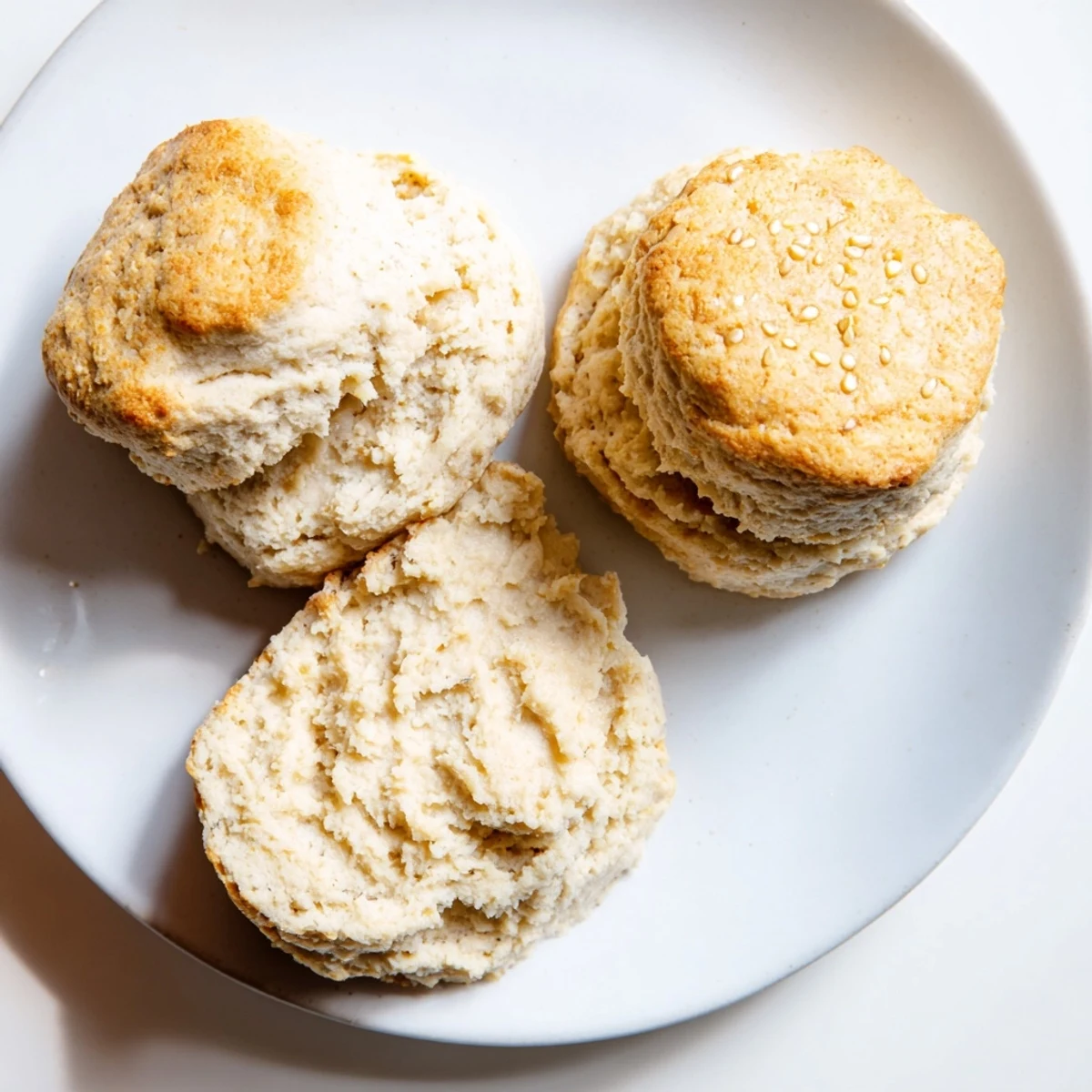
 Keep this recipe close because once you make them once, someone will ask you to bring them to every gathering from here on out.
Recipe Q&A
- → What type of hummus works best?
-
A smooth, moderately flavored hummus is ideal—classic or roasted garlic. Very thick or chunky varieties may need extra milk to reach the right dough consistency.
- → How can I make these scones vegan?
-
Use plant-based milk and replace the egg with a flaxseed egg (1 tbsp ground flax + 3 tbsp water, chilled). Ensure hummus and any add-ins are dairy-free.
- → How do I avoid dense scones?
-
Handle the dough gently and avoid overmixing. Keep the butter cold and cut it into the flour until coarse crumbs form to ensure a light, flaky texture.
- → Can I freeze the scones?
-
Yes. Freeze unbaked cut scones on a tray, then transfer to a freezer bag. Bake from frozen with an extra 3–5 minutes, or thaw and bake as directed.
- → What add-ins pair well with hummus in the dough?
-
Chopped parsley or chives, crumbled feta, and toasted sesame seeds complement the hummus notes. Fold them in gently to avoid overworking the dough.
- → How should I reheat leftovers?
-
Warm scones in a 160°C (325°F) oven for 5–8 minutes or briefly in a toaster oven to refresh the crust without drying the interior.