
 Pin It
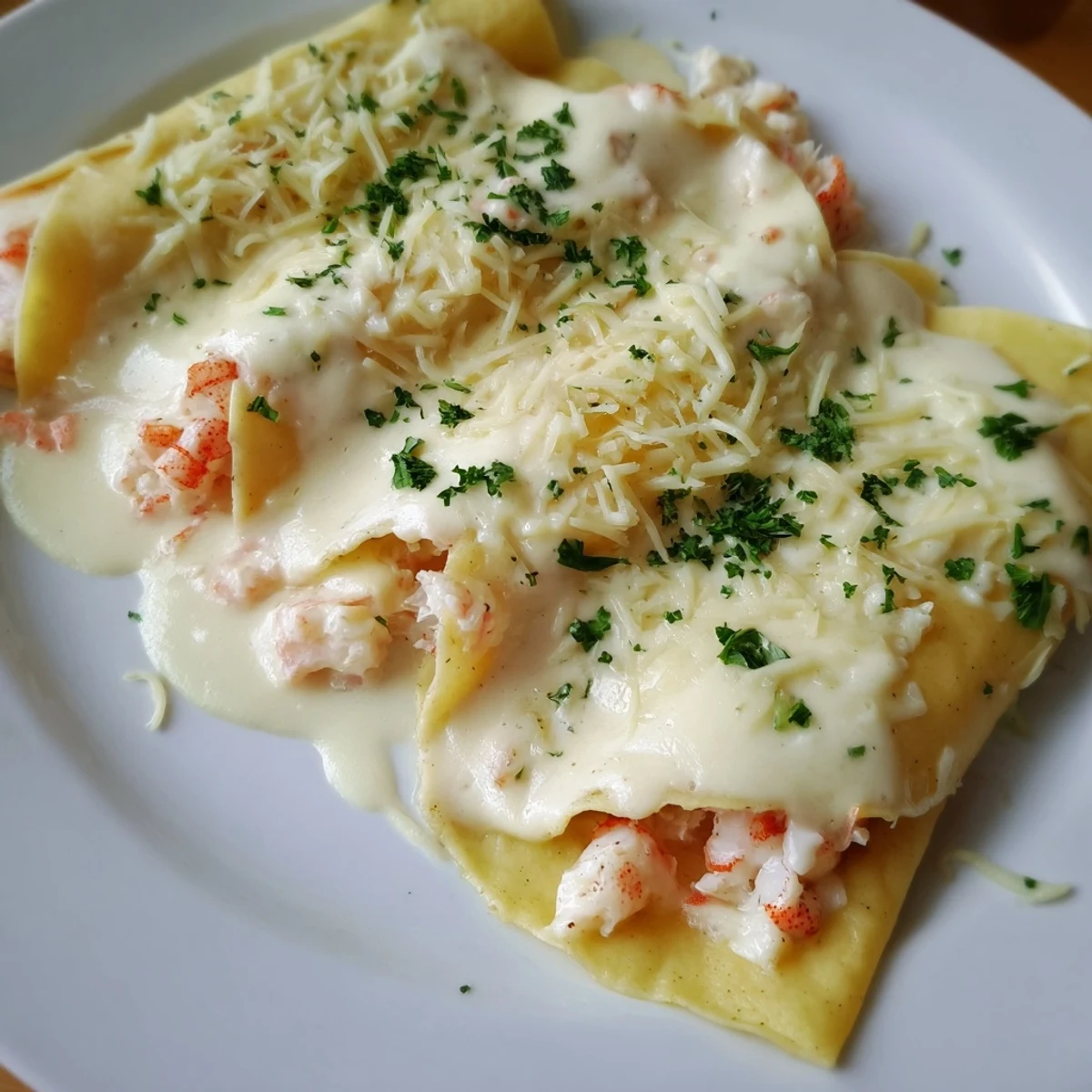
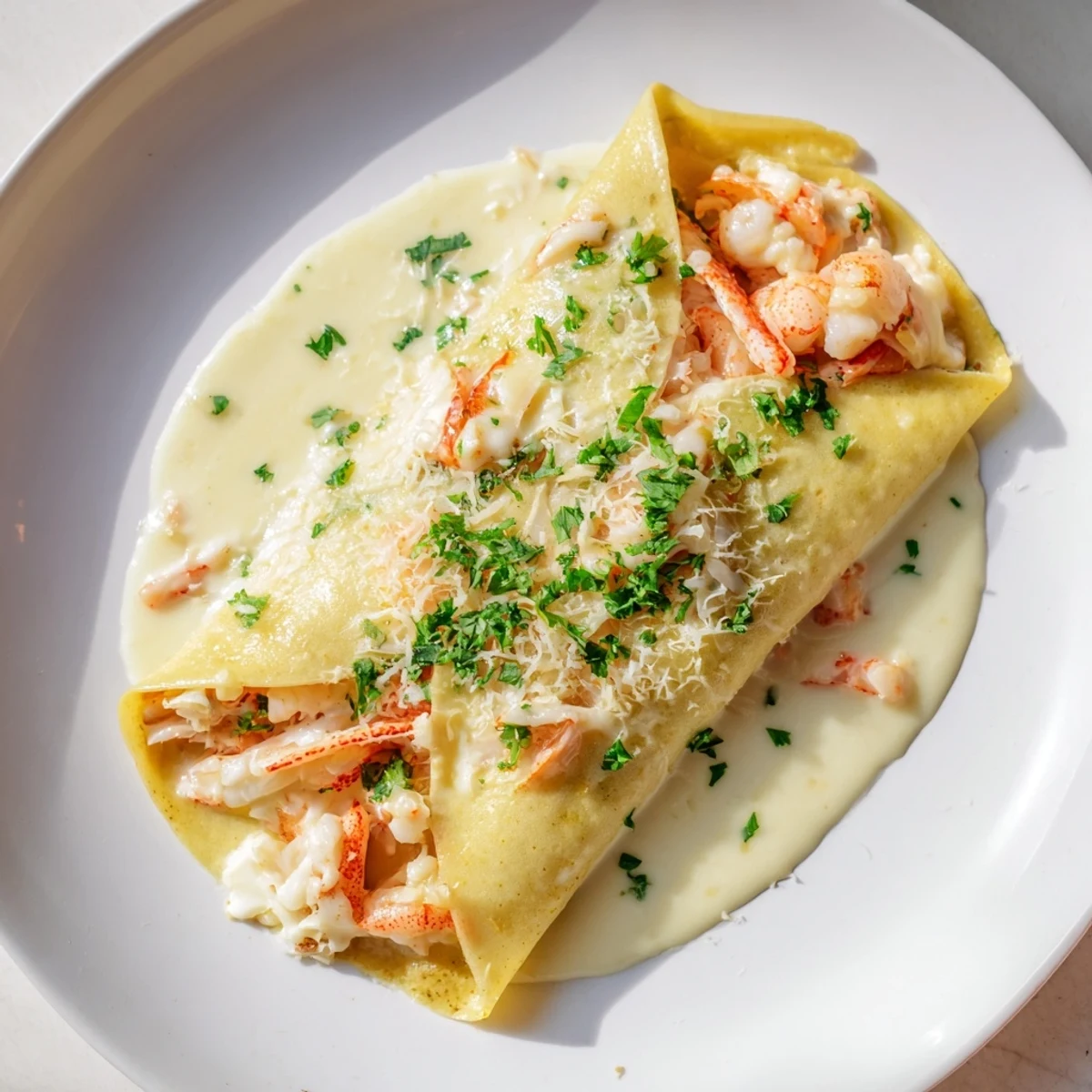
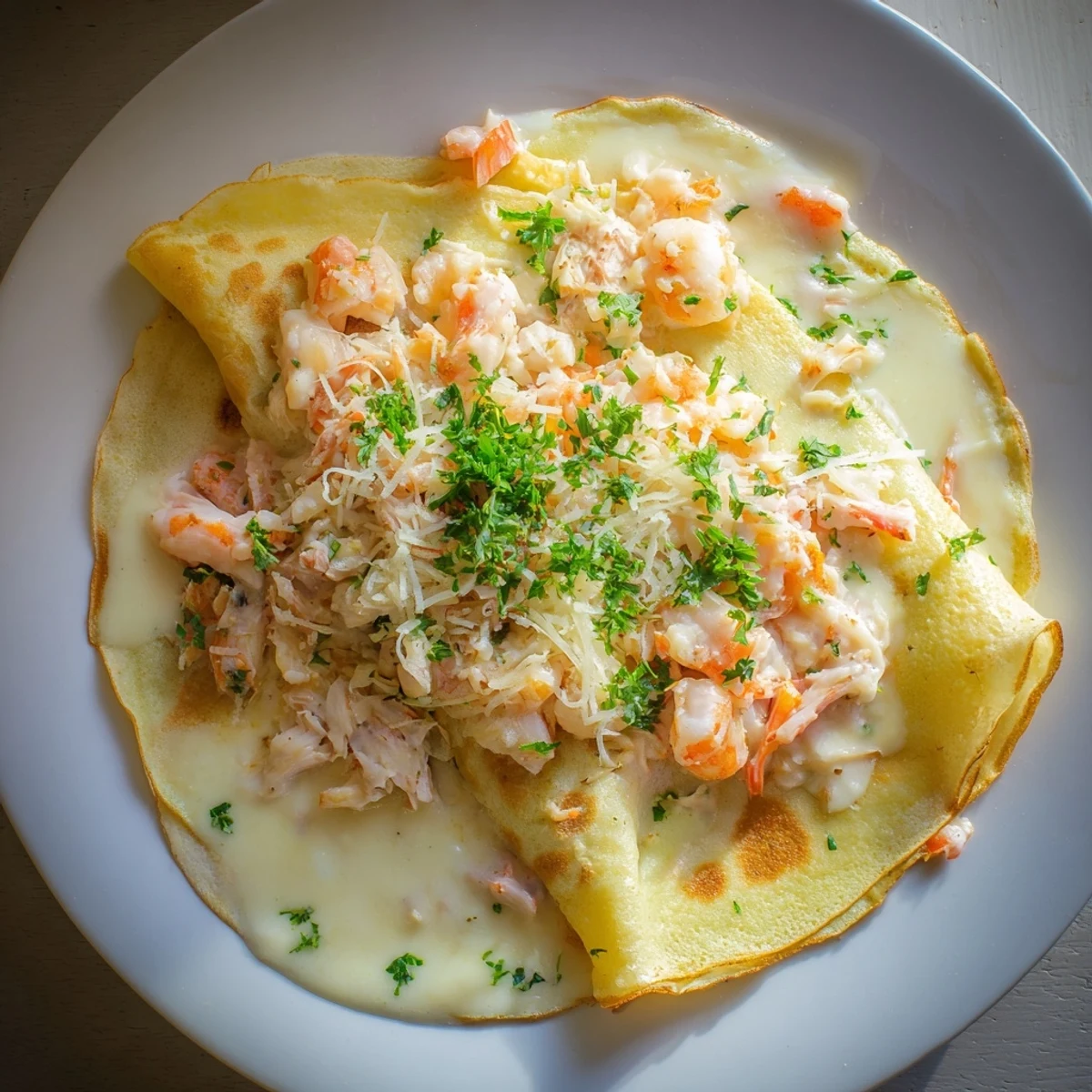
 This dish features thin, tender crêpes filled with a savory blend of cooked shrimp and crab, infused with garlic, shallots, and a splash of white wine. A smooth béchamel sauce, enriched with nutmeg and butter, coats each crêpe before baking until bubbling and golden. Finished with melted Gruyère and fresh herbs, it offers a refined balance of flavors ideal for brunch or special dinners.
The kitchen was quiet except for the gentle sizzle of butter in my skillet, that sound that always makes me feel like everything is going to be alright. I'd been attempting to perfect these seafood crêpes since a memorable dinner in Lyon where the waiter apologized that the kitchen had run out, but promised me the recipe instead. Three years later, standing in my tiny apartment kitchen with shrimp and crab from the local market, I finally understood what made that dish so unforgettable.
My sister came over unexpectedly the first time I made these for a dinner party, and I ended up pressing her into service as a crêpe flipper. We laughed through three torn attempts before she found the rhythm, and by the time our guests arrived, we were both covered in flour but grinning like we'd pulled off a heist. Now every time I make crêpes, I think of her standing there in her nice clothes, absolutely fearless about ruining dinner.
Ingredients
- 1 cup (125 g) all-purpose flour: The foundation of tender crêpes that roll without cracking
- 2 large eggs: Room temperature eggs incorporate better for a silky batter
- 1 1/4 cups (300 ml) whole milk: Full fat milk creates the richest, most pliable crêpes
- 2 tbsp unsalted butter, melted: Adds flavor and prevents sticking without being greasy
- 1/4 tsp salt: Just enough to enhance the flavors without being salty
- 1/2 lb (225 g) cooked shrimp, chopped: Sweet, firm shrimp hold up beautifully in the filling
- 1/2 lb (225 g) cooked crab meat: Lump or backfin crab meat gives the best texture and flavor
- 1/2 cup (120 ml) dry white wine: Sauvignon Blanc or Pinot Grigio adds acidity and depth
- 1 small shallot, minced: Shallots provide a subtle sweetness that onions lack
- 2 tbsp unsalted butter: For sautéing the aromatics and building the sauce base
- 1 clove garlic, minced: Fresh garlic wakes up the seafood flavors
- 1/4 cup (60 ml) heavy cream: Creates that luxurious, restaurant-quality mouthfeel
- 2 tbsp fresh parsley, chopped: Bright herb notes cut through the richness
- Zest of 1/2 lemon: Essential brightness that makes seafood sing
- Salt and pepper, to taste: White pepper keeps the sauce pristine looking
- 2 tbsp unsalted butter: The foundation of a smooth, creamy béchamel
- 2 tbsp all-purpose flour: Just enough to thicken without becoming pasty
- 1 1/4 cups (300 ml) whole milk, warmed: Warm milk prevents lumps from forming
- Pinch of freshly grated nutmeg: The secret ingredient that makes béchamel taste authentic
- Salt and white pepper, to taste: Gentle seasoning that enhances without overwhelming
- 1/2 cup (50 g) grated Gruyère cheese: Melts into a golden, nutty topping
- Chopped fresh chives or parsley: A final touch of color and freshness
Instructions
- Make the Crêpe Batter:
- Whisk flour and salt in a bowl, then beat in eggs until smooth before gradually adding milk. Stir in melted butter and let the batter rest for 20 minutes so the flour hydrates completely.
- Prepare the Béchamel Sauce:
- Melt butter over medium heat, whisk in flour and cook for 1 minute until it smells nutty. Gradually whisk in warm milk and simmer gently, stirring constantly, until thickened like heavy cream.
- Cook the Crêpes:
- Heat a nonstick skillet over medium heat, brush lightly with butter, and pour in 1/4 cup batter while swirling the pan to coat the bottom. Cook until edges curl up and the bottom is golden, then flip and cook 30 seconds more.
- Make the Seafood Filling:
- Sauté shallot and garlic in butter until translucent, add wine and reduce until almost gone. Fold in shrimp, crab, and cream, heating gently before stirring in parsley and lemon zest.
- Assemble the Crêpes:
- Spoon filling down the center of each crêpe and roll it up snugly. Place seam-side down in a buttered baking dish, arranging them so they fit snugly without overlapping.
- Top and Bake:
- Pour the warm béchamel evenly over all the crêpes and sprinkle with Gruyère. Bake at 375°F until the sauce bubbles and the cheese turns golden brown.
- Serve:
- Let rest for 5 minutes so the filling sets slightly, then garnish with fresh herbs and serve while still hot and bubbling.
 Pin It
 Last New Year's Eve, I made these for six people who had never tried French cuisine before. Watching them fall silent at that first bite, then immediately reach for seconds, reminded me why I fell in love with cooking in the first place. Food has this way of making strangers feel like family.
Making Restaurant Quality Crêpes at Home
The difference between home and restaurant crêpes comes down to pan temperature and patience. Too hot and they brown before cooking through, too cool and they stick stubbornly. I keep a small bowl of butter nearby and brush the pan between every third crêpe, finding that this rhythm gives consistent results without making them greasy.
The Art of Perfect Béchamel
My first attempt at béchamel turned into a grainy disaster because I added the milk all at once. Now I whisk in just a splash at a time, letting each addition fully incorporate before adding more. The sauce should coat the back of a spoon like heavy cream, and if it seems too thick, a splash more warm milk saves it every time.
Make Ahead Magic
You can prepare the entire dish up to a day in advance, stopping right before the final bake. Cover the assembled crêpes tightly and refrigerate, then add 5-10 minutes to the baking time when you're ready to serve them. This makes them perfect for entertaining since you can enjoy your guests instead of being stuck at the stove.
- The crêpes actually taste better after resting as the flavors meld together
- Freeze unfilled crêpes between parchment paper for up to a month
- Leftovers reheat beautifully in a 350°F oven for 15 minutes
 Pin It
 There's something deeply satisfying about making a dish that looks impressive but comes together with such simple techniques. These crêpes have become my go-to for celebrating life's small victories.
Recipe Q&A
- → How do I ensure the crêpes are tender and not rubbery?
-
Allow the batter to rest for at least 20 minutes before cooking to relax the gluten. Cook over medium heat and avoid overcooking each crêpe to maintain softness.
- → Can I substitute seafood in the filling?
-
Yes, scallops or lobster can replace shrimp or crab for a luxurious variation while maintaining the dish’s delicate flavor profile.
- → What is the best way to thicken the béchamel sauce?
-
Cook the butter and flour roux for about a minute before gradually whisking in warm milk, stirring constantly until it thickens to a creamy consistency.
- → How can I add a little heat without overpowering the flavors?
-
A small pinch of cayenne pepper added to the béchamel sauce can provide gentle heat without masking the seafood’s delicate taste.
- → What wine pairs well with this dish?
-
A crisp white wine such as Sancerre or Chablis complements the seafood and creamy sauce perfectly for an elegant dining experience.