 Pin It
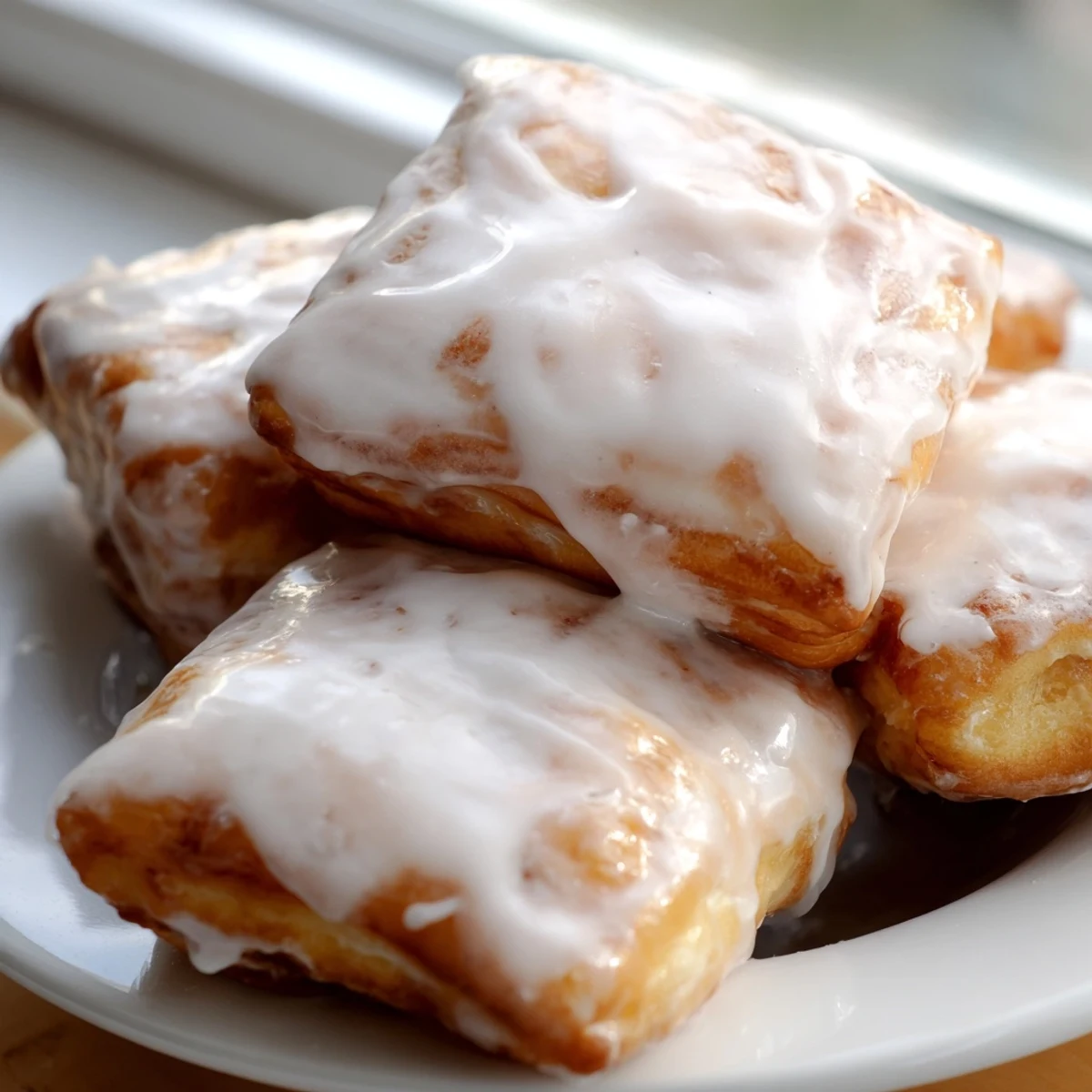
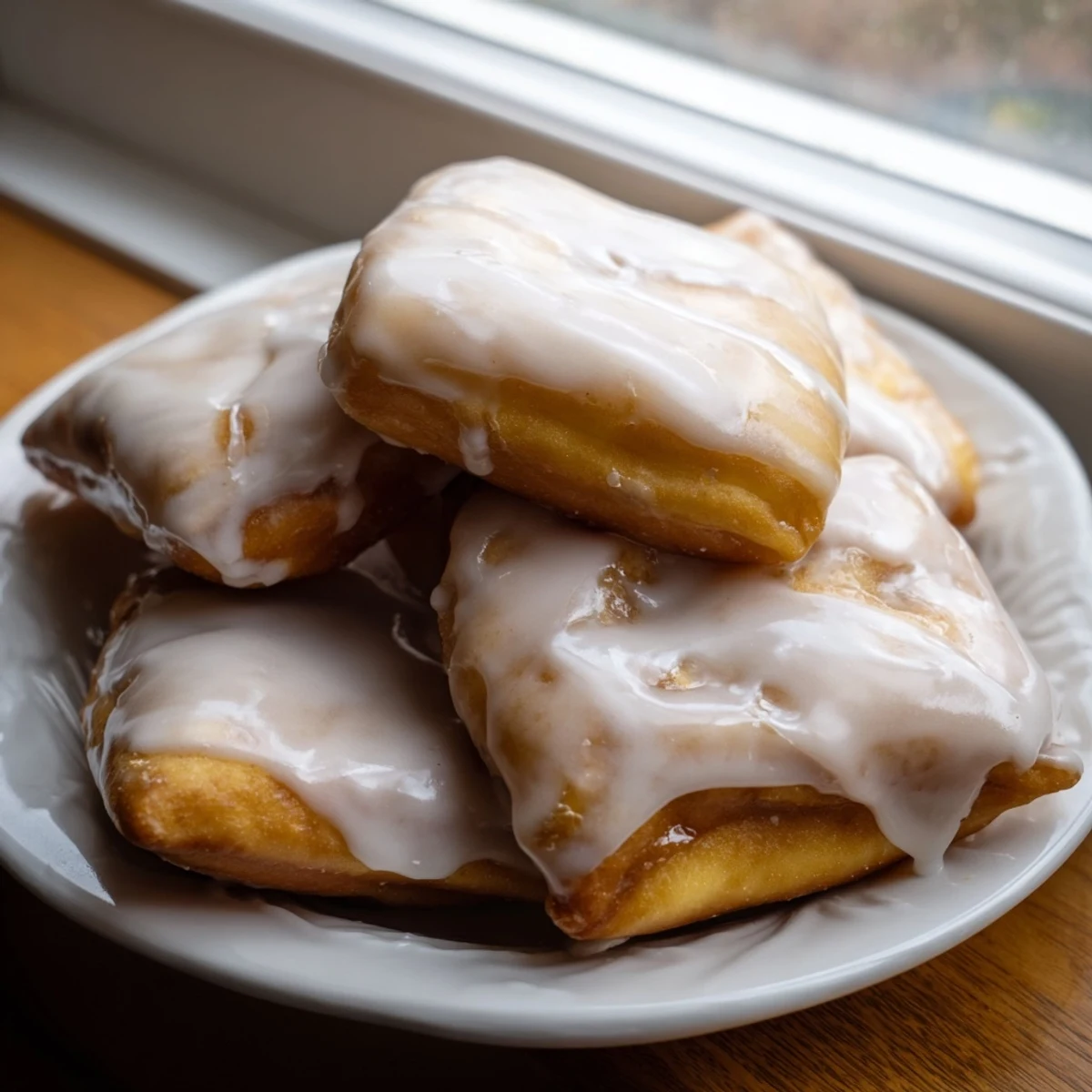
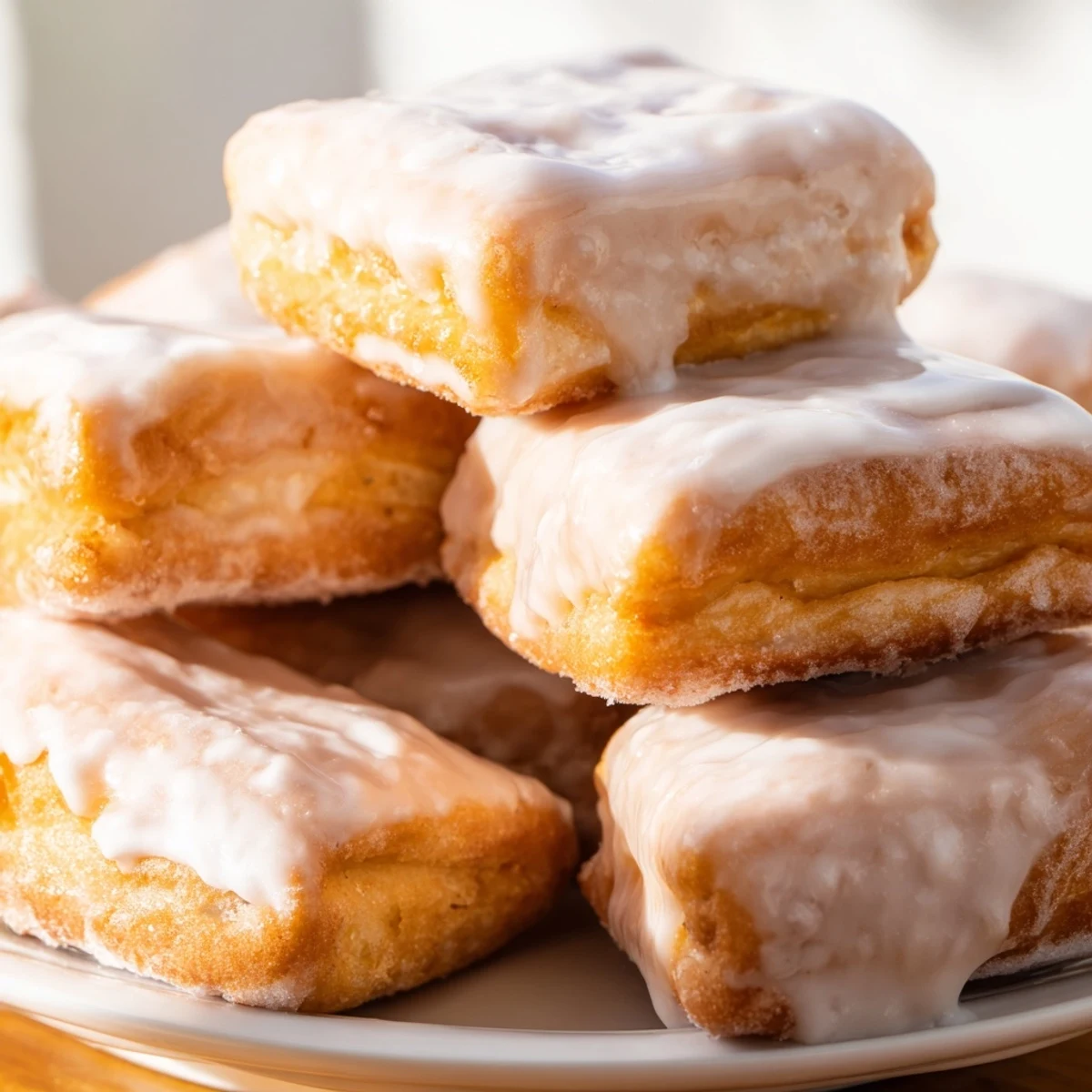
 These buttermilk beignet squares deliver the perfect balance of tangy and sweet, with a tender interior and crisp exterior. The dough relies on buttermilk for richness and subtle tang, while the vanilla glaze adds classic sweetness. Best enjoyed warm and freshly dipped, these squares capture the essence of New Orleans-style pastry in an easy-to-make format.
The kitchen still smells like powdered sugar and memories. My first attempt at beignets ended in a disaster of burned dough and smoke, but something about those golden, pillowy squares kept calling me back. Now, after years of Sunday mornings spent perfecting the craft, these buttermilk beignets have become the kind of breakfast that makes people linger at the table long after the coffee's gone cold.
Last winter, during a snowed-in weekend with my sister, we made triple batches of these. She kept stealing them straight from the cooling rack, leaving fingerprints in the glaze. By the time we actually sat down to eat, half the batch had mysteriously vanished, and we both blamed each other with powdered sugar smiles.
Ingredients
- All-purpose flour: The structure that holds everything together
- Active dry yeast: Patiently works its magic to create those airy pockets
- Granulated sugar: Feeds the yeast and adds subtle sweetness
- Kosher salt: Balances the sweetness and enhances flavor
- Buttermilk: The secret ingredient that makes these tender and tangy
- Whole milk: Adds richness and helps create a soft crumb
- Large eggs: Provide structure and help the dough rise beautifully
- Unsalted butter: melted and cooled adds flavor without overwhelming
- Vegetable oil: For deep frying to golden perfection
- Powdered sugar: Creates that iconic sweet coating
- Whole milk: Thins the glaze to perfect dipping consistency
- Pure vanilla extract: Adds warmth and depth to the finish
Instructions
- Mixing the foundation:
- Whisk flour, yeast, sugar, and salt in a large bowl until everything's evenly distributed and the yeast has disappeared into the flour.
- Bringing together wet and dry:
- Combine buttermilk, milk, eggs, and melted butter in a separate bowl, then pour into the well you've made in the dry ingredients, stirring until shaggy dough forms.
- Building strength:
- Knead on a floured surface for 6 to 8 minutes until smooth and elastic, or let your stand mixer do the work for 5 minutes with the dough hook.
- The waiting game:
- Place dough in a lightly oiled bowl, cover, and let rise in a warm spot for 60 to 75 minutes until it's doubled in size.
- Shaping perfection:
- Punch down the dough, roll to half-inch thickness, and cut into 2-inch squares using a sharp knife or pastry cutter.
- Second rise:
- Arrange squares on parchment paper, cover loosely, and let rest for 20 minutes while your oil heats up.
- Golden transformation:
- Fry in 350°F oil for 1 to 2 minutes per side until puffed and golden brown, then drain on paper towels.
- The sweet finish:
- Whisk powdered sugar, milk, and vanilla until smooth, then dip warm beignets allowing excess glaze to drip off before setting on a rack.
 Pin It
 These became a tradition after my neighbor mentioned missing her grandmother's Louisiana mornings. Now every few months, we gather around counters dusted with flour and sugar, making memories one square at a time.
Getting The Rise Right
Warm liquid activates yeast instantly, but too hot and you'll kill it. Aim for bathwater temperature when combining your milks and butter. Find the warmest spot in your kitchen, maybe near a sunny window or on top of a preheating oven.
Frying Wisdom
A thermometer makes all the difference between raw centers and burned outsides. If you don't have one, drop a small piece of dough in the oil, it should sizzle immediately and steadily bubble without turning dark too fast.
Glaze Secrets
Sift your powdered sugar first to avoid lumps in the glaze. The consistency should coat a spoon but still drip off slowly.
- Thicken with more sugar if too thin
- Thin with additional milk if too thick
- Add glaze while beignets are still warm
 Pin It
 These are best shared, fresh from the fryer, with hands dusted in sugar and hearts full of warmth.
Recipe Q&A
- → What makes buttermilk beignets different from traditional beignets?
-
Buttermilk adds tang and tenderness to the dough, creating a more complex flavor profile and softer crumb compared to classic milk-based versions.
- → Can I make the dough ahead of time?
-
Yes, prepare the dough and refrigerate after the first rise. Let it come to room temperature before rolling and frying.
- → Why did my beignets not puff up?
-
Oil temperature that's too low or dough that hasn't risen properly can prevent puffing. Ensure oil reaches 350°F and dough doubles in size.
- → How do I store leftover glazed beignets?
-
Store at room temperature in an airtight container for up to 1 day. Reheat briefly in a 350°F oven to restore crispness.
- → Can I bake these instead of frying?
-
Baking won't achieve the same crisp exterior. For a lighter version, try air frying at 375°F for 8-10 minutes, though texture will differ.
- → What's the best way to reheat beignets?
-
Reheat in a 350°F oven for 5-7 minutes. Avoid microwaving, which makes them soggy. Refresh with fresh glaze if desired.