
 Pin It
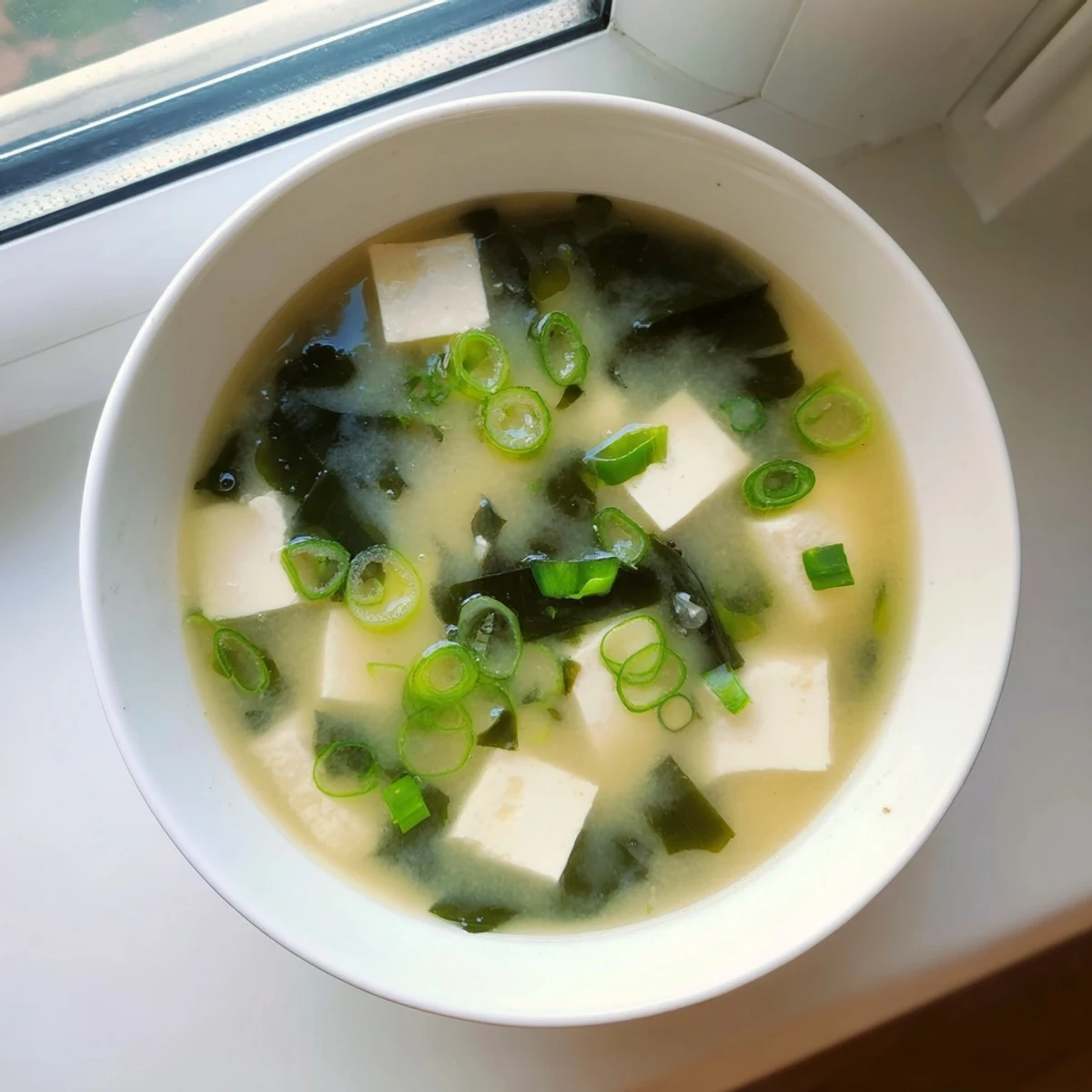
 Create this classic Japanese soup in just 15 minutes with simple ingredients. Start by simmering dashi stock, then whisk in smooth miso paste for that signature umami flavor. Add silken tofu cubes and dried wakame seaweed, simmering briefly until the seaweed rehydrates. The key is keeping the heat gentle—never boil the miso to preserve its delicate flavor and beneficial nutrients. Customize with your favorite vegetables or try mixing white and red miso for deeper complexity.
The first time I had authentic miso soup was at a tiny Tokyo counter at 6 AM, jet-lagged and desperate for something warm. The elderly owner watched me hesitate and said 'just drink' in English, nodding as I took that first sip. It was nothing like the cloudy, oversalted versions I'd had back home. Now I make it whenever I need that same quiet comfort.
Last winter my roommate came home sick with the worst cold, shivering under three blankets. I made a double batch of this soup and brought it to her room in the biggest mug we owned. She took one sip and looked up with tears in her eyes. Something about the umami and warmth just hits different when you need healing most.
Ingredients
- 4 cups dashi stock: This is the foundation that makes miso soup sing. Instant dashi granules work beautifully, but if you have time to make kombu dashi, the difference is remarkable. For vegetarians, kombu dashi is essential to get that oceanic depth without bonito flakes.
- 3 tablespoons white miso paste: White miso is fermented for a shorter time, giving it a milder, slightly sweet flavor that lets the other ingredients shine. Look for shiro miso in the refrigerated section of Asian markets or well-stocked grocery stores.
- 100 g silken tofu: The texture here is crucial. Silken tofu becomes tender and almost custard-like in the hot broth, absorbing the miso flavor while holding its shape. Cut it just before adding so the cubes dont break apart.
- 2 tablespoons dried wakame seaweed: A little goes a long way. Wakame expands dramatically as it rehydrates, so dont be tempted to add more. It brings that authentic seaside flavor and beautiful dark green color.
- 2 green onions: These add a fresh, sharp contrast to the rich, savory broth. Slice them thinly so they distribute evenly and you get a bit of brightness in every spoonful.
Instructions
- Warm the dashi stock:
- Pour your dashi into a medium saucepan and bring it to a gentle simmer over medium heat. You want small bubbles forming around the edges, not a rolling boil. This gentle heat preserves the delicate flavor compounds in the miso you'll add next.
- Dissolve the miso:
- Scoop the miso paste into a small bowl and add about half a cup of the hot dashi. Whisk until completely smooth, pressing out any lumps against the side of the bowl. This technique prevents clumpy miso and ensures even distribution throughout the soup.
- Combine and add the tofu:
- Pour the dissolved miso mixture back into the saucepan and stir gently. Add your tofu cubes and dried wakame. Let everything simmer for just 2 to 3 minutes until the seaweed has plumped up and the tofu is heated through.
- Serve immediately:
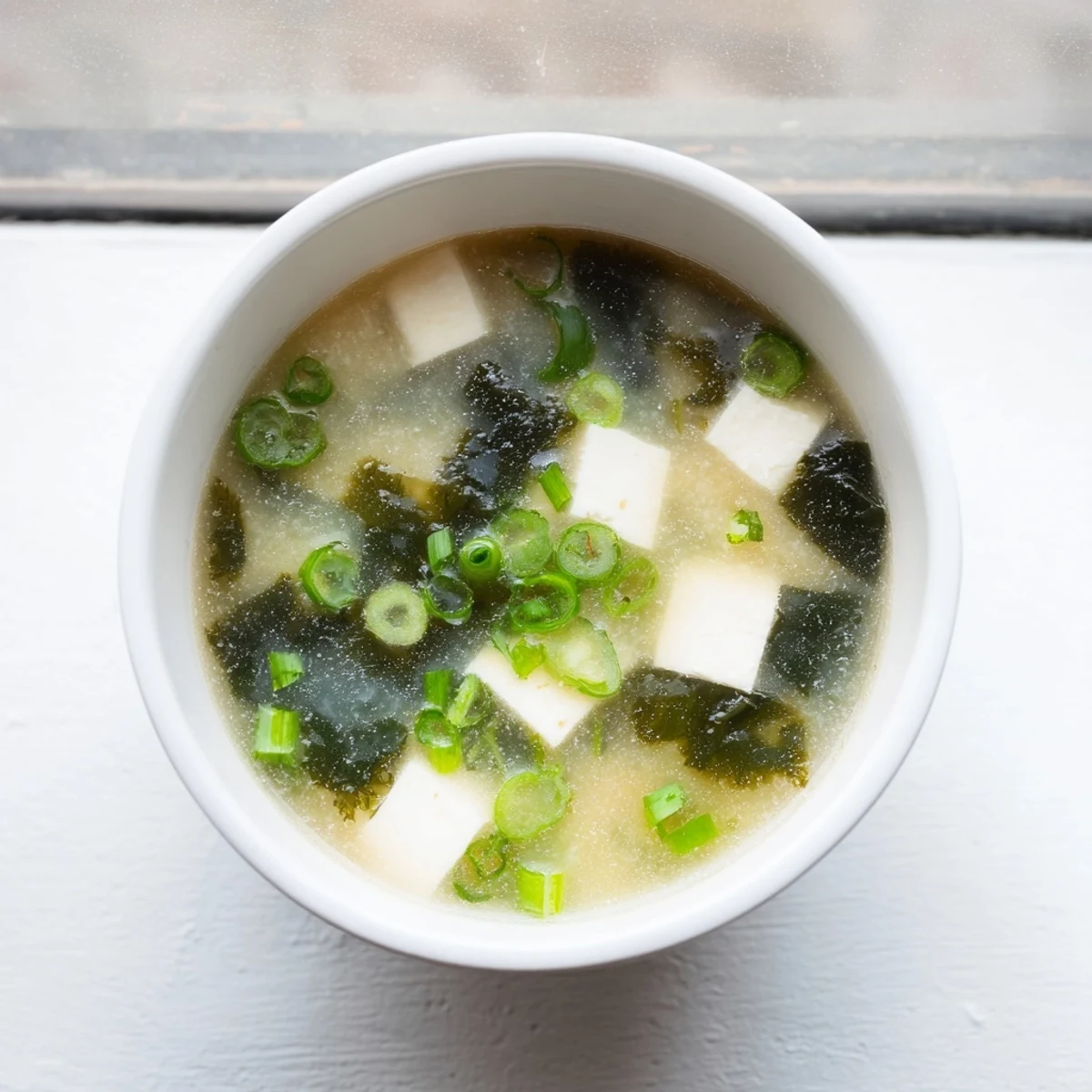
- Remove from heat and ladle into bowls. Scatter the sliced green onions over the top while the soup is still steaming hot. The residual heat will slightly wilt the onions, releasing their aromatic oils into the broth.
 Pin It
 My grandmother started making this weekly after her doctor recommended more fermented foods. She'd sit at the kitchen table with her notebook, jotting down little adjustments to her ratio of white to red miso until she'd perfected it. That yellowed notebook is one of my most treasured possessions now.
Building Better Broth
Instant dashi is perfectly acceptable, but making your own kombu dashi transforms this soup into something extraordinary. Simply soak a piece of dried kelp in cold water overnight, then slowly heat it to just before boiling. The difference is subtle but undeniable, like the difference between good and great sushi rice.
Miso Paste Varieties
White miso is my go-to for everyday soup, but dont be afraid to experiment. Red miso has been fermented longer and packs a more intense, savory punch that stands up beautifully to heartier add-ins like mushrooms or cubed sweet potato. A mix of both creates a complex flavor profile.
Creative Add-ins
Once you've mastered the classic version, the possibilities become endless. Thinly sliced shiitake mushrooms add meaty depth. Baby spinach wilts beautifully in the hot broth. Cubed daikon radish absorbs the miso flavor while maintaining a satisfying crunch.
- Slice vegetables as thinly as possible for quick, even cooking
- Add heartier vegetables a few minutes before delicate greens
- Keep the total volume of add-ins proportional to the broth
 Pin It
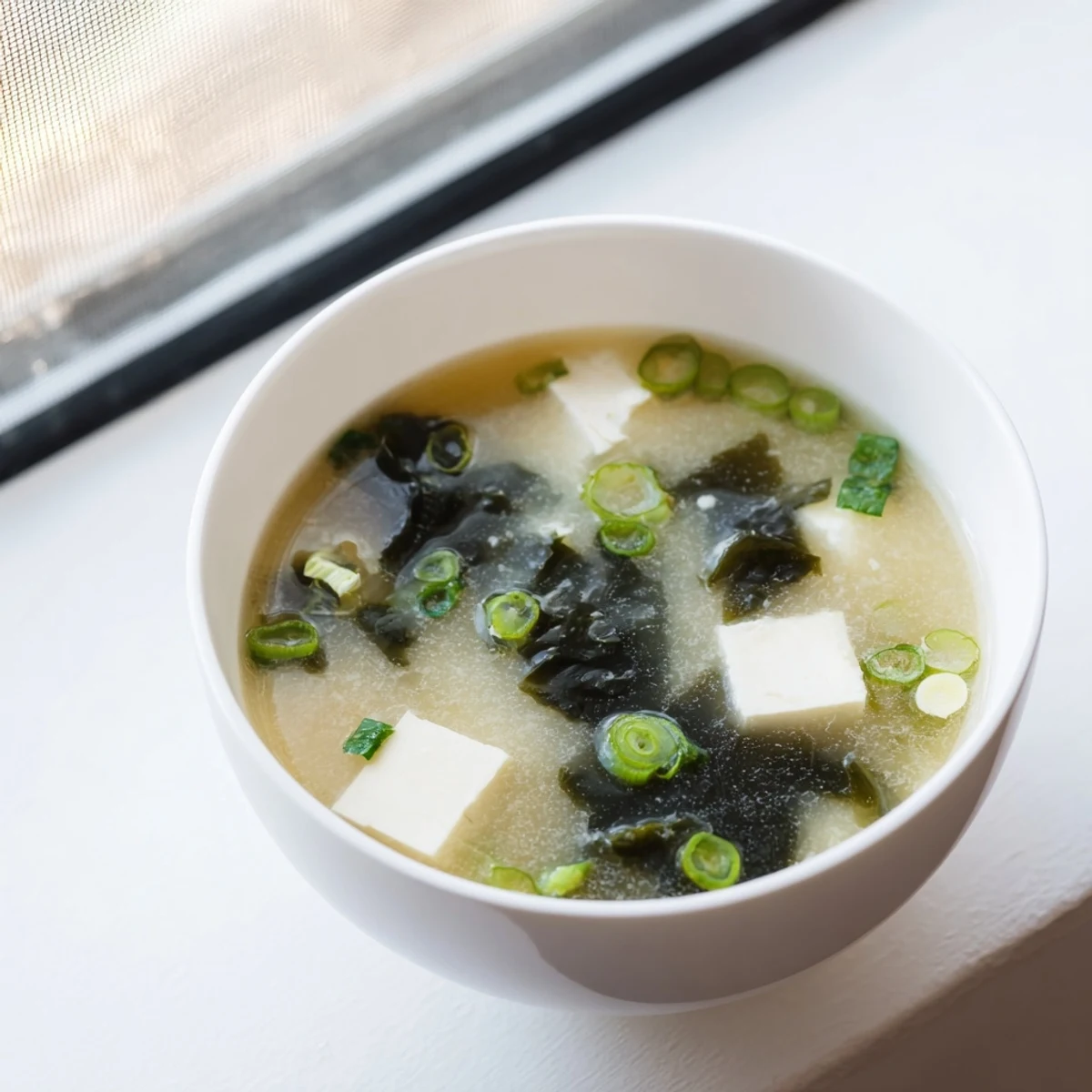
 There's something meditative about making miso soup, the way the paste dissolves into cloud-like swirls. It reminds me that the simplest foods, made with care, are often the ones that nourish us most completely.
Recipe Q&A
- → What type of miso paste works best?
-
White miso paste (shiro miso) is ideal for its mild, slightly sweet flavor that's perfect for beginners. You can also mix white and red miso for a more complex, robust taste.
- → Can I make this vegetarian or vegan?
-
Yes! Use kombu dashi (kelp-based) instead of traditional dashi containing bonito flakes. Most miso paste is naturally vegan, but always check labels to be certain.
- → Why shouldn't I boil the miso?
-
Boiling miso destroys its beneficial enzymes and probiotics while creating an unpleasant texture. Always dissolve miso in warm liquid and keep the soup below a simmer.
- → How long does this keep in the refrigerator?
-
Store cooled soup in an airtight container for 2-3 days. Reheat gently over low heat without boiling, as high heat can affect the miso's flavor and texture.
- → What vegetables can I add to customize?
-
Try sliced mushrooms, fresh spinach, thinly sliced carrots, or daikon radish. Add heartier vegetables earlier so they cook through, but delicate greens like spinach in the last minute.