
 Pin It
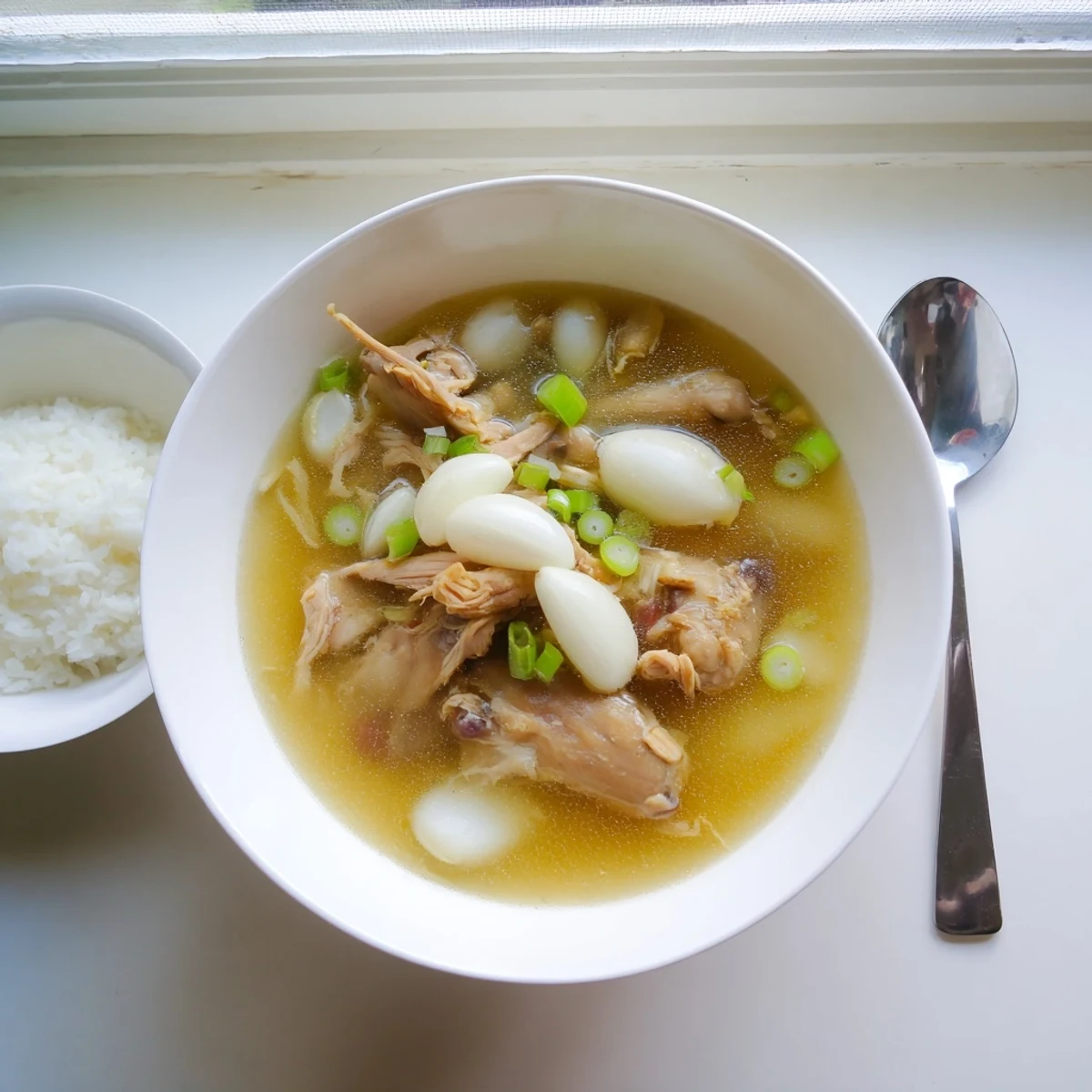
 Dakgomtang is a beloved Korean comfort dish that transforms a whole chicken into a clear, restorative broth. The process begins by simmering chicken with aromatic vegetables like onion, garlic, ginger, and daikon radish for about an hour, creating a deeply flavorful base. After straining, the tender meat is shredded and returned to the seasoned broth for a final gentle simmer. The result is a clean, nourishing soup perfect for cold days or when you need something soothing.
What truly elevates this dish is the accompanying dipping sauce—a bright blend of soy sauce, rice vinegar, sesame oil, and fresh scallions that adds depth to each bite. Serve with steamed rice and thinly sliced green onions for an authentic Korean dining experience.
The first time I made dakgomtang was on a gray Sunday when my toddler had been fighting a cold for days. Something about the gentle broth felt like the right kind of medicine, the sort that works on comfort before anything else. My kitchen filled with that unmistakable smell of chicken and ginger, and suddenly I understood why Korean grandmothers swear by this soup.
My friend Sarah came over that same Sunday, skeptical about plain chicken soup. She took one sip, eyes closed, and asked for the recipe before even finishing her bowl. That is when I knew this was not just soup anymore, it was the kind of recipe you pass down without realizing it.
Ingredients
- 1 whole chicken: A 3 to 3.5 pound bird gives you the perfect ratio of meat to broth flavor
- 1 medium onion: Leave it halved so it is easy to fish out later
- 10 cloves garlic: Peel them all, the broth can handle this much garlic
- 6 green onions: Two go into the pot, four get saved for fresh garnish
- 1-inch piece of ginger: Slice it thin so the flavor infuses without being overwhelming
- 2 tsp sea salt: Start with less, you can always add more at the end
- 1/2 tsp black pepper: Freshly ground makes a noticeable difference
- 2 tbsp soy sauce: This forms the base of the dipping sauce
- 1 tbsp rice vinegar: Adds just enough brightness to cut through the rich broth
- 1 tsp sesame oil: The finishing touch that makes everything taste complete
Instructions
- Get your chicken ready:
- Rinse the whole chicken under cold water, then place it in your largest stockpot and cover with 12 cups of cold water.
- Add the aromatics:
- Toss in the halved onion, all those peeled garlic cloves, sliced ginger, two whole green onions, and the daikon if you are using it.
- Bring to a gentle boil:
- Crank the heat to medium high, wait for bubbles to appear, and skim off any foam that rises to the top.
- Simmer low and slow:
- Turn the heat down to low, partially cover the pot, and let it simmer for an hour while your kitchen starts to smell amazing.
- Strain and shred:
- Fish out the chicken carefully, strain the broth through a fine mesh sieve, then return the clear liquid to the pot.
- Return the meat:
- Shred the chicken into bite sized pieces, discard the skin and bones, and add the meat back into the broth.
- Season to taste:
- Stir in a teaspoon or two of salt and the black pepper, then let it simmer gently for 10 more minutes.
- Make the magic sauce:
- Whisk together soy sauce, rice vinegar, sesame oil, toasted sesame seeds, sliced green onion, and a pinch of chili flakes.
- Serve it up:
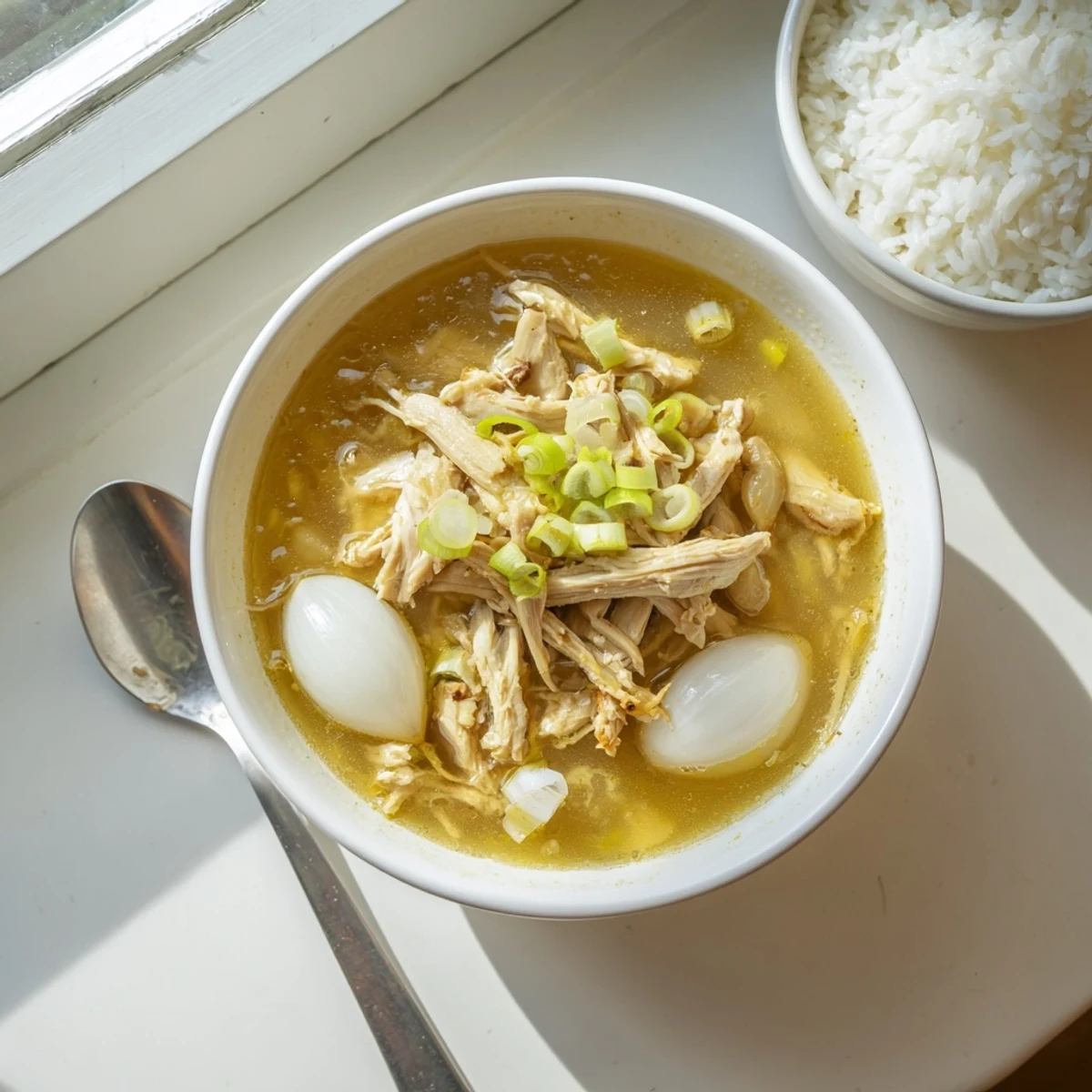
- Ladle hot soup into bowls, scatter with fresh green onions, and pass that dipping sauce around like it is liquid gold.
 Pin It
 Now whenever anyone in my house is feeling under the weather, I automatically reach for a whole chicken and ginger root. The soup has become its own love language in our kitchen.
Making It Your Own
Sometimes I toss in glass noodles during the last five minutes of simmering if I want something more substantial. Mushrooms work beautifully too, especially shiitakes which add an earthy depth that plays well with the ginger.
Broth Secrets
Simmering longer than an hour only makes the broth richer, so do not stress about exact timing. The real trick is patience during the straining step, taking your time to keep every bit of foam or scum out of your final soup.
Serving Suggestions
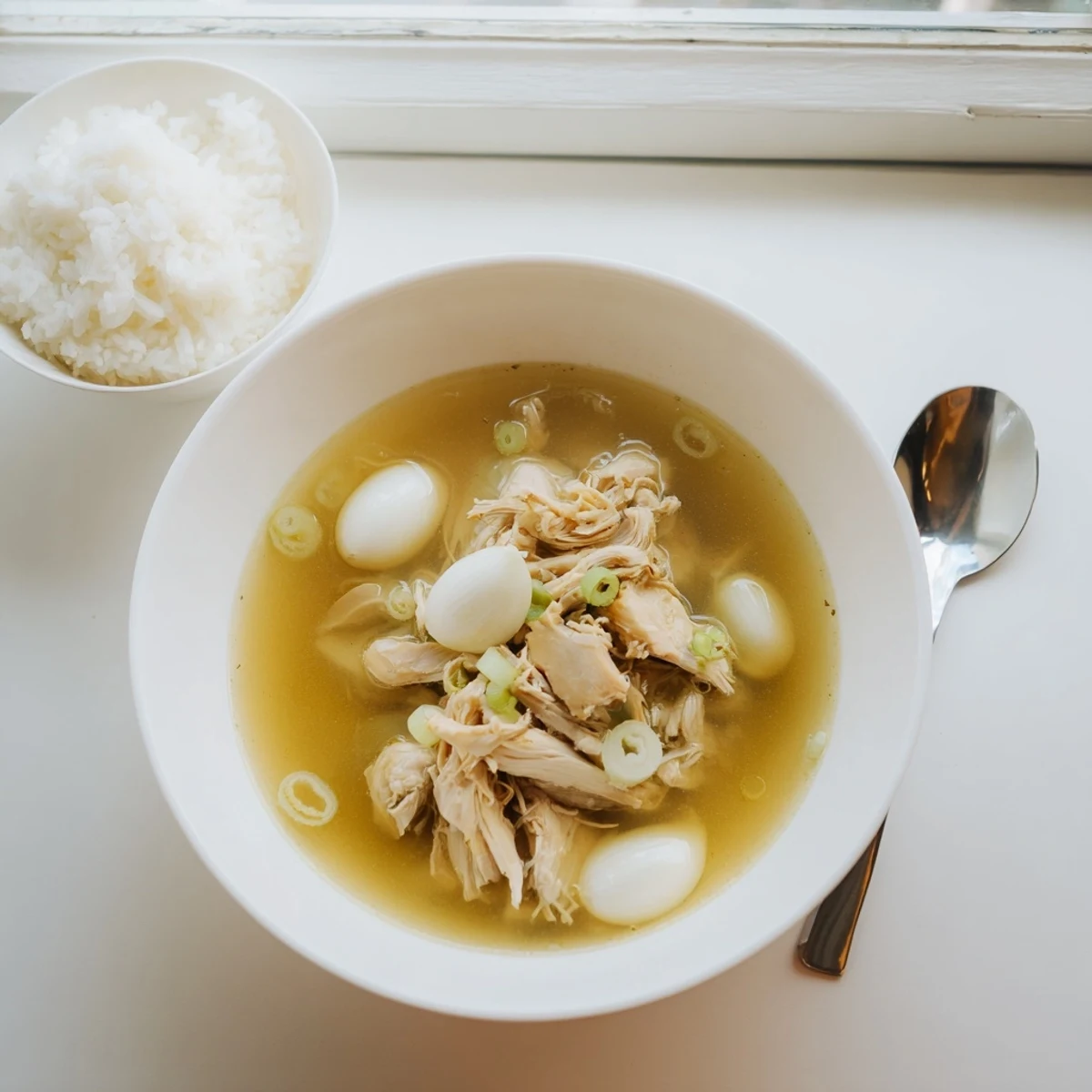
A bowl of steamed white rice alongside turns this from soup to a full meal. Some days I crack an egg into each bowl at the table, letting the hot soup cook it gently while everyone watches.
- Kimchi on the side adds the perfect tangy contrast
- Leftover broth keeps in the fridge for three days and freezes beautifully
- The flavor actually improves overnight, so do not worry about making too much
 Pin It
 There is something profoundly grounding about making soup from scratch, especially one this simple and restorative. I hope it brings as much comfort to your table as it has to mine.
Recipe Q&A
- → What makes dakgomtang different from other chicken soups?
-
Unlike cream-based or heavily spiced chicken soups, dakgomtang features a crystal-clear broth achieved through skimming foam during boiling and straining the cooked vegetables. The focus remains on the pure flavors of chicken, garlic, and ginger, resulting in a clean, restorative soup that's gentle on the stomach yet deeply satisfying.
- → Can I use chicken parts instead of a whole chicken?
-
While traditional dakgomtang uses a whole chicken for the richest broth, you can substitute with bone-in chicken pieces like thighs, breasts, or a mix. Bones are essential for creating depth, so avoid boneless cuts. Adjust cooking time to 45-60 minutes for pieces, ensuring the meat is tender and easily shredded.
- → Is daikon radish necessary for this soup?
-
Daikon radish is optional but highly recommended as it adds subtle sweetness and helps balance the broth's richness. If unavailable, you can substitute with regular radish, turnip, or simply omit it. The soup will still be delicious without it, though the flavor profile will be slightly different.
- → How long does dakgomtang keep in the refrigerator?
-
Properly stored in an airtight container, dakgomtang keeps well for 3-4 days in the refrigerator. The flavors often deepen overnight, making it an excellent make-ahead dish. Reheat gently on the stovetop, adding a splash of water if the broth has thickened. The dipping sauce should be stored separately and used within a week.
- → Can I freeze dakgomtang for later?
-
Yes, dakgomtang freezes beautifully for up to 3 months. Cool the soup completely before transferring to freezer-safe containers, leaving some room for expansion. Thaw overnight in the refrigerator and reheat slowly on the stove. For best results, freeze without the garnish and add fresh green onions when serving.
- → What sides pair well with dakgomtang?
-
Steamed white rice is the classic accompaniment, soaking up the savory broth. Korean banchan like kimchi, pickled vegetables, or seasoned spinach complement the mild soup perfectly. For a heartier meal, add glass noodles or rice cakes directly to the broth during the final simmer.