 Pin It
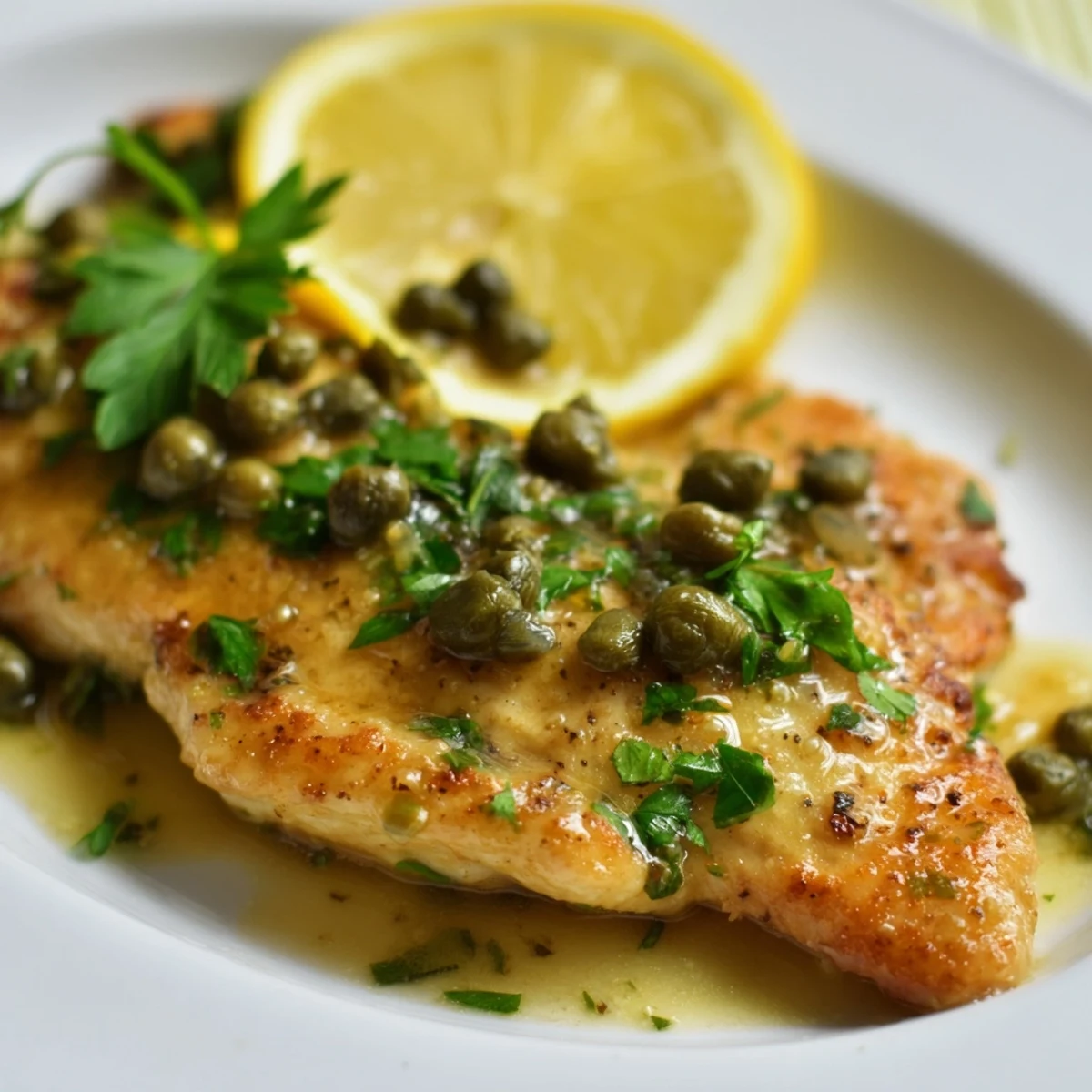
 Chicken piccata is a classic Italian-American preparation featuring pounded chicken cutlets dredged in flour and pan-seared until golden. The magic happens in the sauce: a vibrant combination of dry white wine, chicken broth, fresh lemon juice, and briny capers creates a bright, tangy reduction that perfectly complements the delicate chicken. Fresh parsley and a final knob of butter add richness and herbaceous notes. Ready in just 30 minutes, this dish pairs beautifully with angel hair pasta, mashed potatoes, or steamed vegetables for an impressive yet approachable meal.
The first time I made chicken piccata, I was rushing to impress my future in-laws with something that sounded fancy but wouldn't leave me panicking in the kitchen. The sizzle of that first cutlet hitting the hot pan and the burst of lemon and wine aromas that filled my tiny apartment kitchen instantly calmed my nerves. Something about that bright, tangy sauce spooned over golden chicken made everyone at the table pause their conversation mid-sentence.
Last autumn, my friend Sarah was going through a tough time, so I invited her over without any grand plans for dinner. I remembered having chicken breasts in the fridge and a lemon that needed using. The kitchen filled with the comforting sounds of sizzling and deglazing as we talked, and by the time we sat down with glasses of the same wine I had used for cooking, her shoulders had finally relaxed. We still talk about that spontaneous piccata night whenever we need a reminder that sometimes the simplest meals create the most needed moments.
Ingredients
- Chicken breasts: Slicing them horizontally creates thin cutlets that cook quickly and absorb more of that gorgeous sauce.
- Dry white wine: It adds a subtle acidity that balances the richness of the butter, but I learned that chicken broth works beautifully if you prefer to cook without alcohol.
- Capers: These tiny flavor bombs bring a briny punch that makes this dish distinctive, just be sure to rinse them first to control the saltiness.
- Fresh lemon juice: Please use fresh lemons rather than bottled juice, as I once made the mistake of substituting and the sauce lacked that vibrant character that makes piccata special.
Instructions
- Prep the chicken:
- Place your chicken breasts between plastic wrap and gently pound them to an even thickness, about half an inch. You should hear a satisfying thwack as the meat tenderizes and spreads.
- Dredge with purpose:
- Season the chicken pieces well, then give them a light coat in flour, shaking off any excess. The flour should feel like a delicate dusting that will create that beautiful golden crust.
- Get that perfect sear:
- When your oil and butter start to shimmer in the pan, carefully lay the chicken pieces down and listen for the sizzle. Let them develop a golden crust before flipping, about 3-4 minutes per side.
- Create the liquid gold sauce:
- After removing the chicken, pour wine into the still-hot pan and use your spatula to scrape up all those flavorful browned bits. Those caramelized bits are pure flavor waiting to become part of your sauce.
- Build flavor layers:
- Add the broth, lemon juice, and capers, letting everything bubble away until slightly reduced and intensified. The aroma will tell you when it's developing that perfect balance.
- Return and finish:
- Nestle the chicken back into the sauce, spooning that liquid goodness over the top. Watch as the chicken absorbs some of the sauce while warming through.
- Final enrichment:
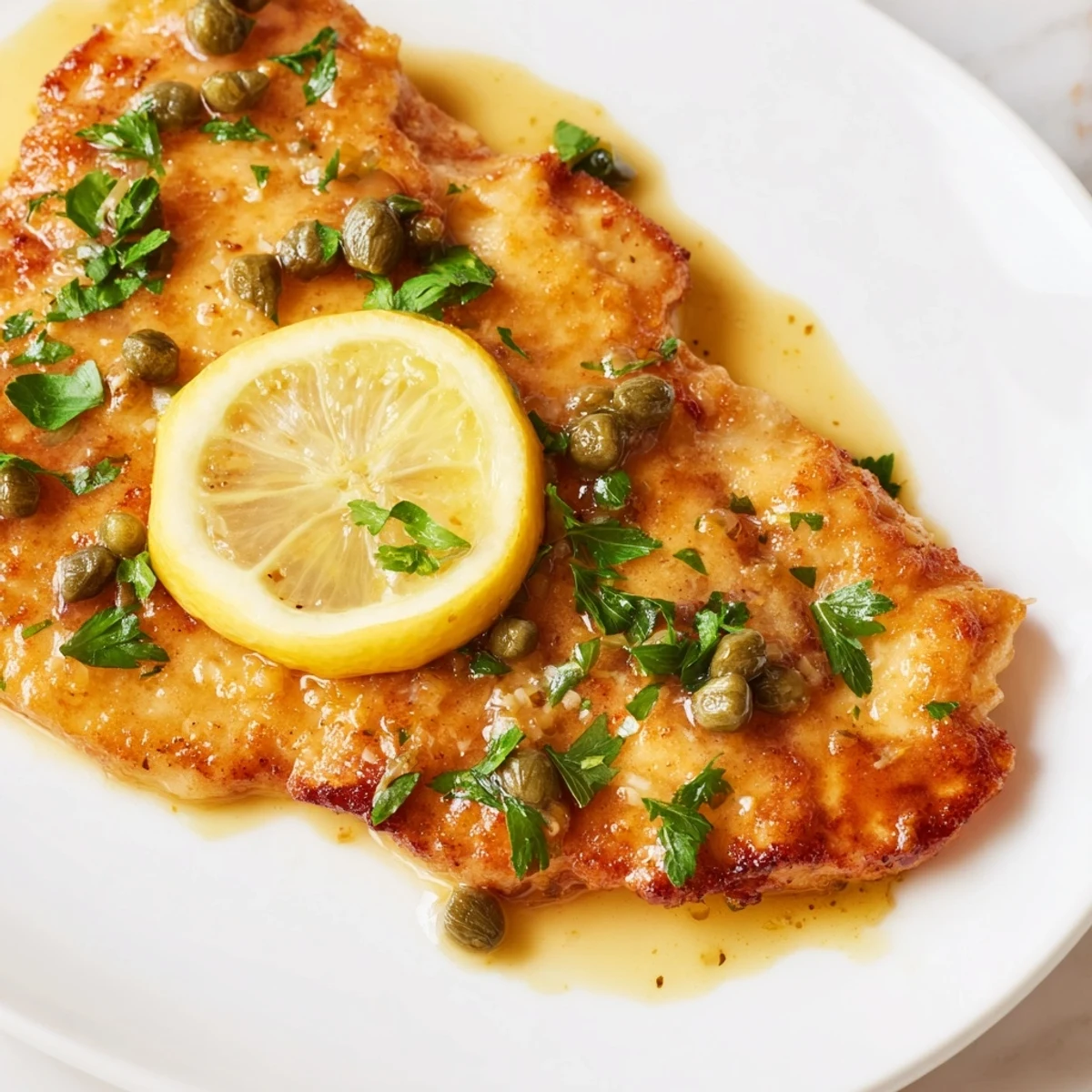
- Off heat, swirl in the remaining butter and sprinkle with fresh parsley. The butter will create a silky finish that coats the back of a spoon just right.
 Pin It
 My daughter had always been a picky eater until the night I served chicken piccata alongside her usual plain pasta. I watched from the corner of my eye as curiosity got the better of her, and she dipped the edge of her pasta into the sauce pooled on my plate. Her eyes widened with that first taste, and she whispered, Can I try the chicken too? That piccata sauce became our gateway to exploring new flavors together.
Serving Suggestions
Over the years, Ive found that chicken piccata pairs beautifully with so many sides, but my absolute favorite is a bed of angel hair pasta that catches all that sauce. For a lighter option, I sometimes serve it with roasted asparagus or a simple arugula salad dressed with lemon and olive oil, which echoes the flavors in the dish itself.
Make-Ahead Options
While chicken piccata is best served fresh from the pan, I sometimes prepare the components ahead when hosting dinner parties. The chicken can be pounded, seasoned, and stored covered in the refrigerator up to a day ahead, and the lemon can be juiced and capers measured out. This prep work makes the actual cooking feel like assembling a well-rehearsed dance rather than a frantic kitchen scramble.
Piccata Variations
The beauty of mastering chicken piccata is that the technique opens doors to delicious variations. Ive swapped the chicken for thin veal cutlets for special occasions, and during summer months when my garden is bursting with herbs, I add fresh thyme or oregano to the sauce for a seasonal twist.
- For a dairy-free version, use only olive oil and skip the butter enrichment at the end, adding a touch more olive oil instead.
- During citrus season, try mixing in some Meyer lemon or even a splash of orange juice for a subtle sweetness that plays against the capers.
- For extra depth, mince a shallot and cook it briefly before deglazing the pan with wine.
 Pin It
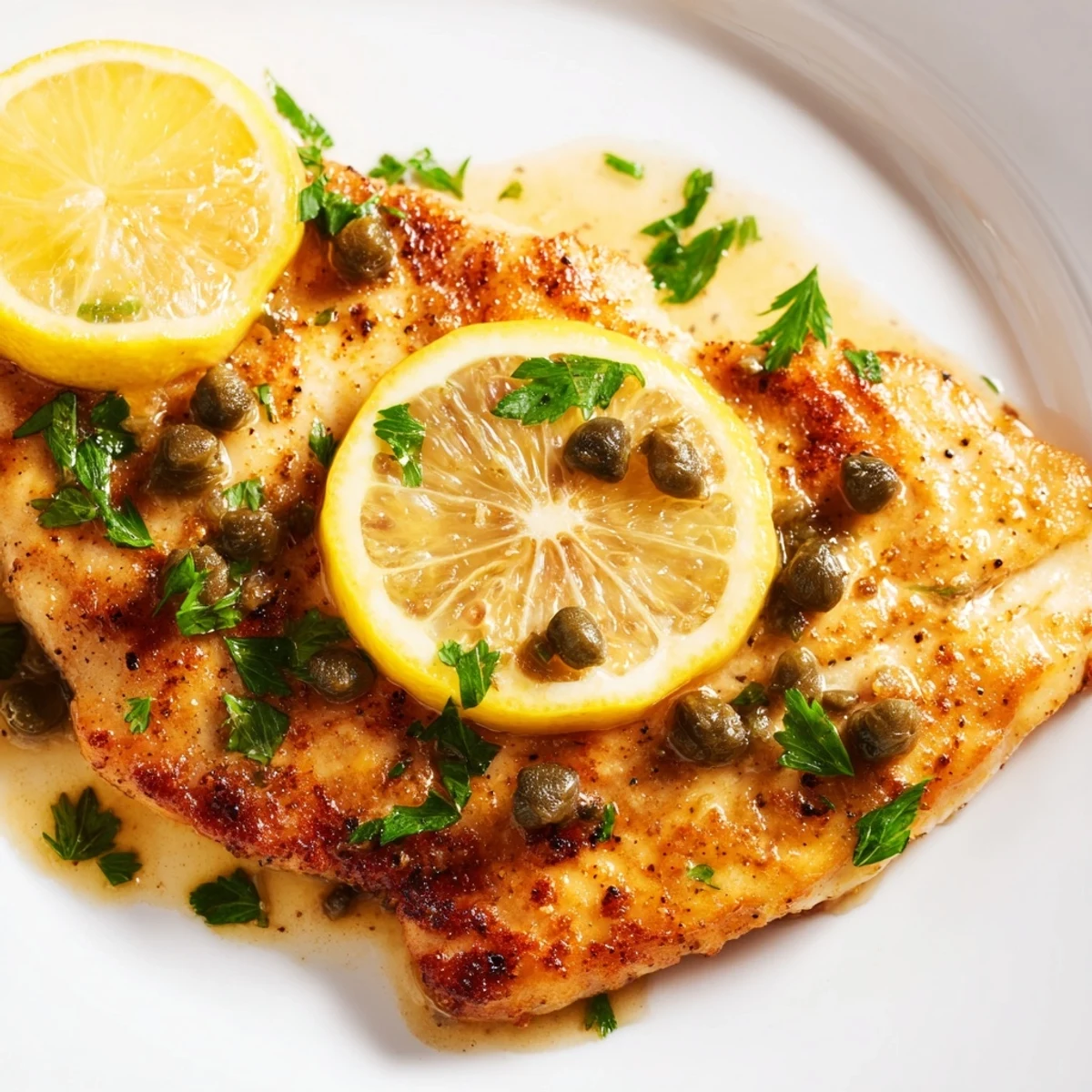
 Chicken piccata has saved countless weeknight dinners in my home, transforming ordinary evenings into something a little special. Its one of those recipes that reminds me that exceptional cooking often comes from simplicity rather than complexity.
Recipe Q&A
- → How do I pound chicken breasts evenly?
-
Place chicken between plastic wrap or parchment paper. Using a meat mallet's flat side, gently but firmly pound from the center outward until the thickness is consistent. This ensures even cooking throughout.
- → Can I use frozen chicken?
-
Thaw frozen chicken completely in the refrigerator before using. Frozen or partially thawed chicken will cook unevenly and won't brown properly in the skillet.
- → What can I substitute for white wine?
-
Use additional low-sodium chicken broth for a non-alcoholic version. Chicken broth maintains the savory depth without altering the dish's character significantly.
- → How do I make this gluten-free?
-
Simply substitute all-purpose flour with gluten-free flour blend for dredging. The coating will brown and crisp the same way. Verify that capers and broth are certified gluten-free if needed.
- → Can I make this ahead of time?
-
Cook the chicken and sauce fresh for best results, as the coating loses its crispness when stored. However, you can prep ingredients in advance and combine just before cooking.
- → What does the sauce taste like?
-
The sauce is bright and tangy with a balance of acidity from lemon juice and wine, umami from the broth, and a salty briny pop from capers. Butter adds silky richness to round out the flavors.