
 Pin It
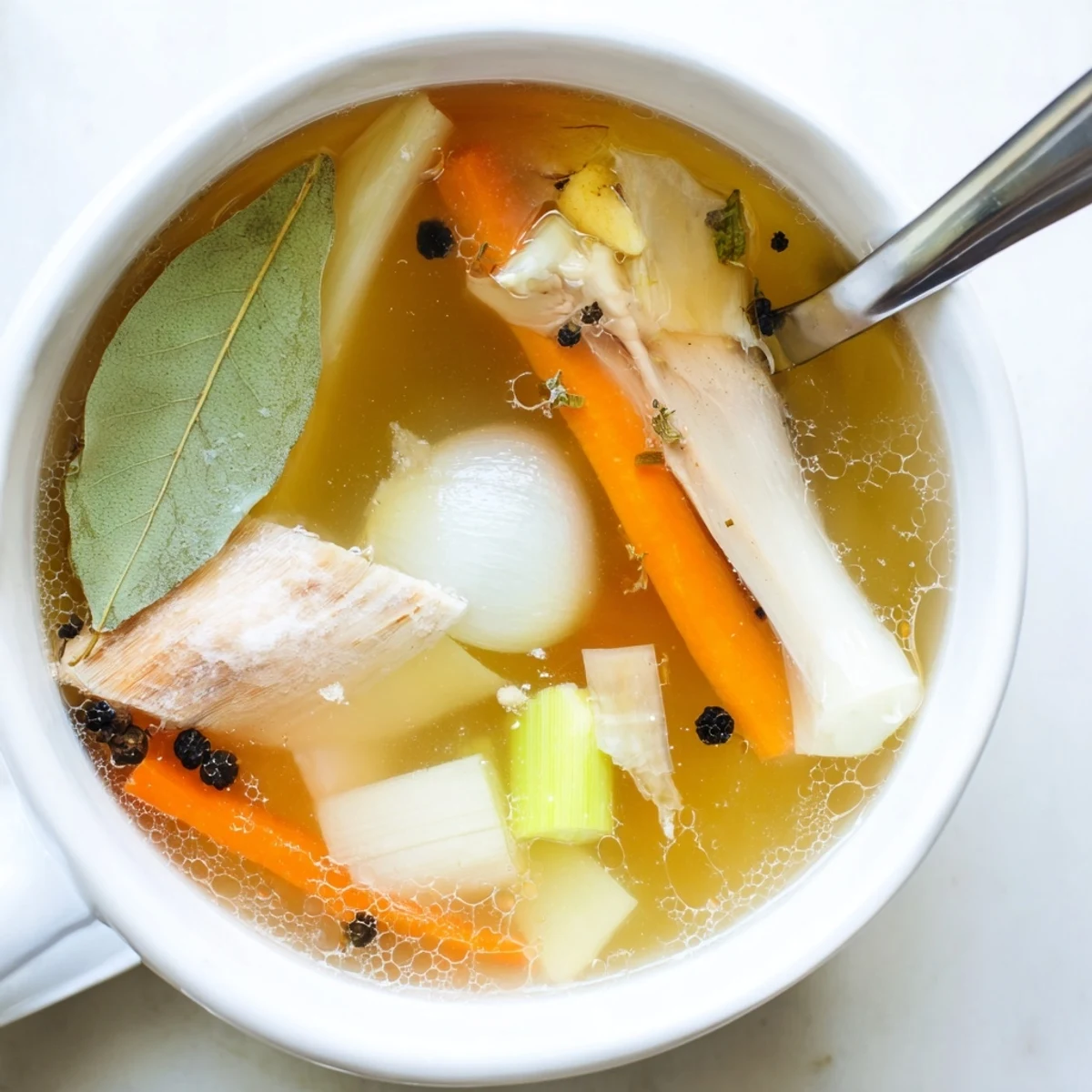
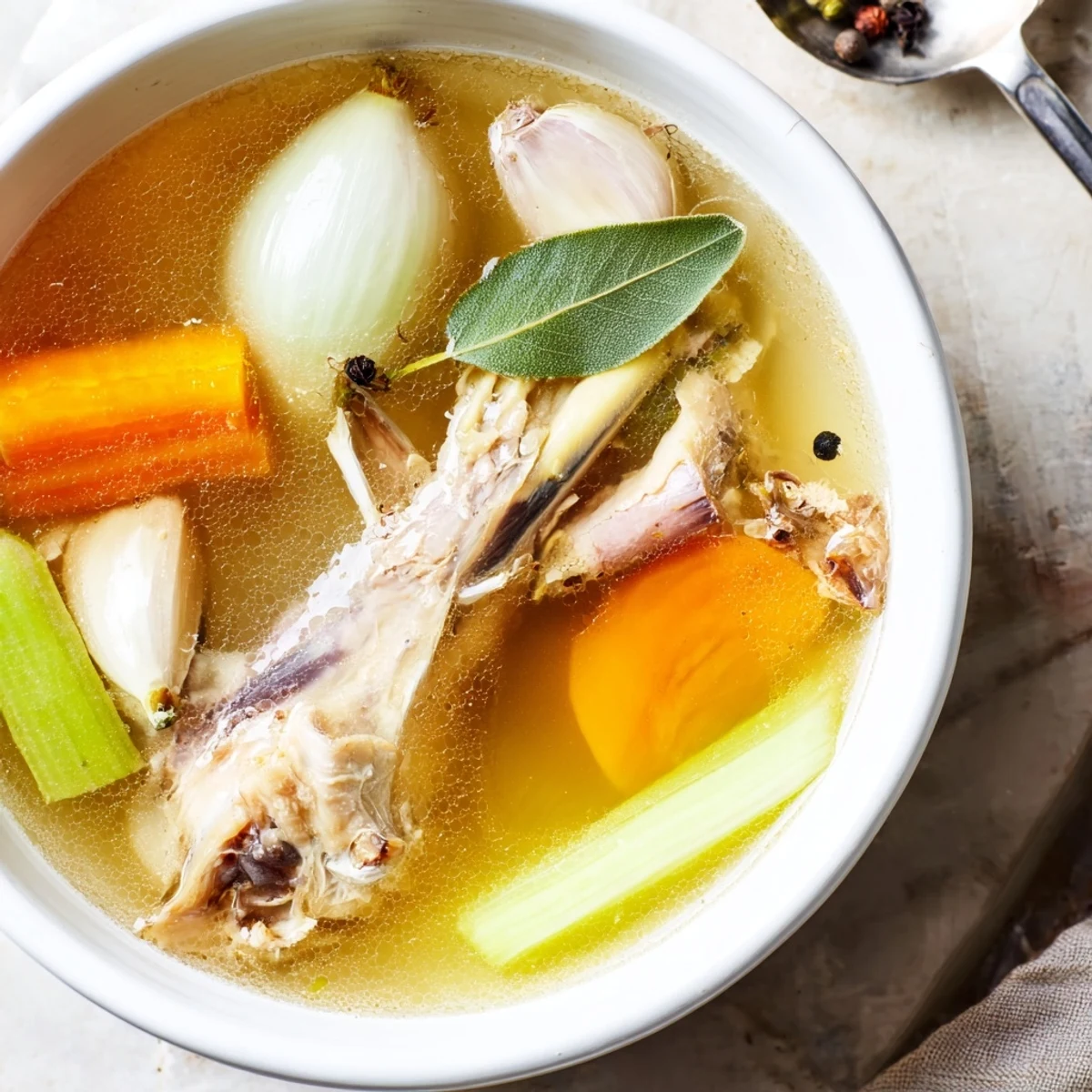
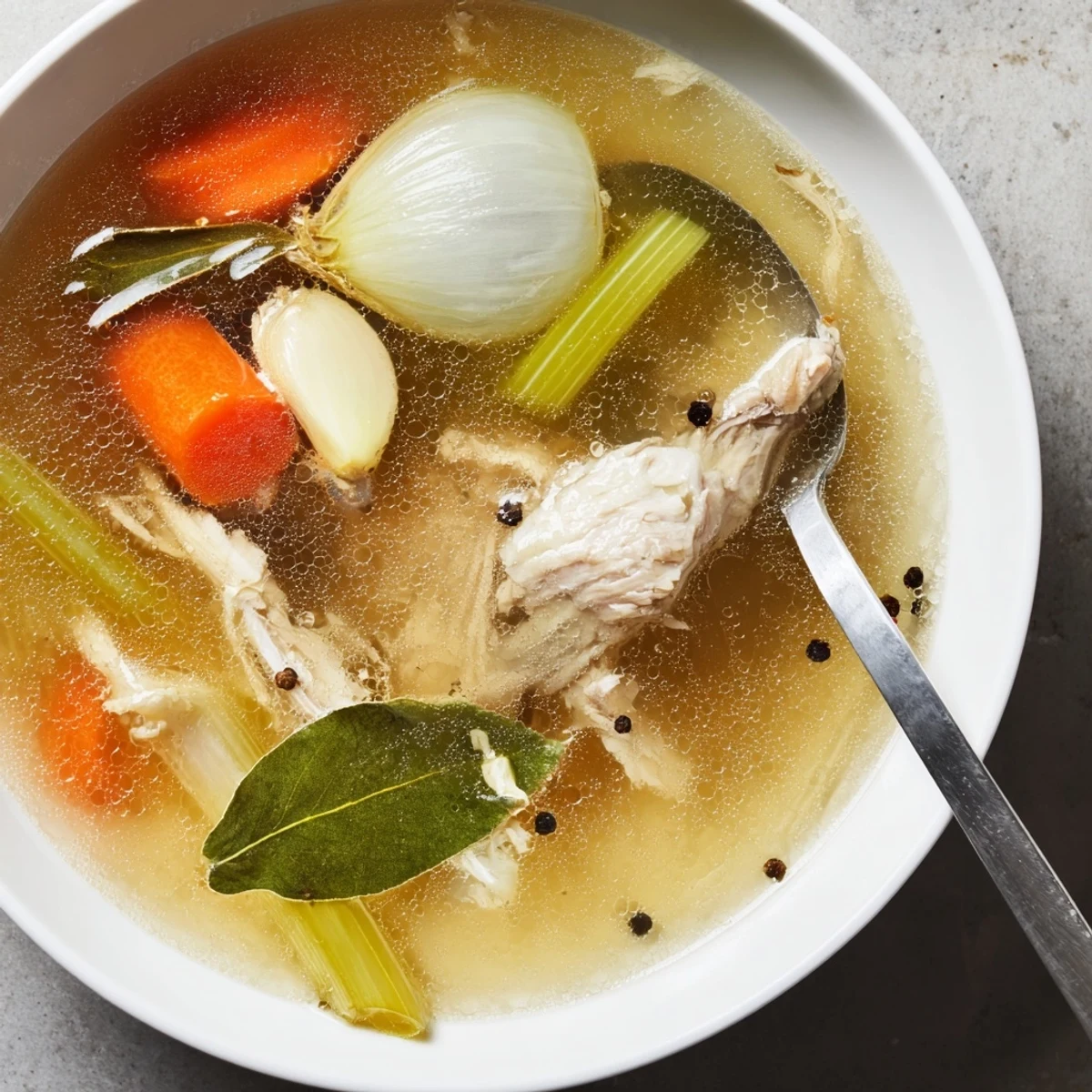
 This nourishing broth is gently simmered for hours using chicken bones, fresh ginger, and aromatic vegetables to unlock deep flavors. Enhanced with herbs and savory seasonings, it serves as a versatile base for soups, sauces, or a comforting warm drink. Slow-cooking extracts valuable nutrients while developing a rich and soothing profile. Optional roasting of bones intensifies flavor. Perfect for gluten-free and paleo preferences, it yields approximately 8 cups and can be stored safely for months.
There's something magical about watching a pot of chicken bones transform into liquid gold over hours of gentle simmering. I discovered bone broth not from a trendy wellness blog, but from my grandmother's kitchen, where she'd always have a pot going on the back of the stove, filling the house with an aroma I couldn't quite name—rich, earthy, alive. That first sip changed how I thought about cooking; it felt like drinking something made with intention and time rather than convenience. Now, whenever I make it, that same warmth fills my kitchen.
I remember making this for my partner when he was recovering from a cold, ladling it into a mug with fresh ginger steam rising up and fogging his glasses. He looked at me like I'd performed some kind of alchemy—just bones and water, yet somehow profound. He asked for it again the next morning, and the next, and that's when I realized bone broth isn't just food; it's a quiet act of care that tastes like someone believes in your healing.
Ingredients
- Chicken bones (1.5 kg): Use a mix of carcasses, wings, and necks; they each contribute different flavors and body to the broth, creating depth that single-type bones can't achieve.
- Onion, quartered (1 large): Keep the papery skin on—it adds a subtle color and extra minerals that boost the broth's golden hue.
- Carrots and celery (2 medium, 2 stalks): Roughly chopped is perfect; these vegetables release their sweetness slowly, balancing the mineral-forward notes from the bones.
- Garlic head, halved (1 whole): The cut-in-half approach lets the cloves stay intact while releasing their mild, sweet flavor into hours of simmering.
- Fresh ginger, sliced (75 g / 3-inch piece): This is where the warmth lives; slicing it rather than mincing lets it steep without becoming overwhelming or cloudy.
- Bay leaves (2): They anchor the broth with an herbaceous note that feels both grounding and elegant.
- Black peppercorns, whole (1 tsp): Whole peppercorns release their flavor slowly and won't turn your broth speckled or bitter.
- Sea salt (2 tsp): Add it early; the salt helps draw minerals from the bones while the broth reduces.
- Cold water (3 liters / 12 cups): Cold water matters—it allows the broth to extract flavors gradually and evenly as the temperature rises.
- Apple cider vinegar (1 tbsp, optional but encouraged): A small splash at the start gently acidifies the broth, helping it extract more collagen and minerals from the bones.
- Fresh herbs like thyme or parsley (optional): Add these in the last 30 minutes so their bright notes don't fade after hours of simmering.
Instructions
- Gather your bones and vegetables:
- Place the chicken bones directly into a large stockpot or Dutch oven—you want enough space for them to sit without crowding. Arrange the quartered onion, chopped carrots, celery, halved garlic head, and sliced ginger around and between the bones; this isn't about precision, just creating an aromatic bed that will release slowly into the water.
- Cover with cold water:
- Pour in the cold water until everything is submerged by about an inch. Cold water is essential—it draws out flavors gradually as the temperature rises, rather than shocking them away with heat.
- Add your seasonings and vinegar:
- Scatter in the bay leaves, peppercorns, sea salt, and that splash of apple cider vinegar if using it. The vinegar doesn't taste obvious in the final broth; it simply works quietly to help the bones release their minerals and collagen.
- Bring to a boil, then drop the heat:
- Turn the heat to medium-high and let the pot come to a gentle rolling boil—you'll see foam rising to the surface almost immediately. This foam is impurities and proteins precipitating out; once it starts, reduce the heat to low so the broth becomes a bare simmer, barely a ripple on the surface. Skim that foam off with a ladle or spoon during the first 30 minutes; it takes just a minute but makes the final broth clearer and more refined.
- Simmer low and long:
- Let the broth gently bubble away for 4 hours, uncovered. Check it occasionally—you're listening for that quiet, contented simmer, not a rolling boil that will cloud the broth. If the water level drops noticeably, add a bit more to keep the bones submerged. During this time, the house fills with an aroma that makes you want to stay home; that's the magic happening.
- Add fresh herbs toward the end:
- In the last 30 minutes, if you're using fresh thyme or parsley, add a small handful; this keeps their brightness from fading into the background of hours of simmering.
- Strain with care:
- Remove the pot from heat and let it cool for just 5 minutes so you're not wrestling with steam. Pour the broth through a fine-mesh sieve or cheesecloth into a large bowl, letting it drip slowly rather than forcing it; this is where patience pays off in clarity and flavor. Discard all the solids—the bones will be soft and have given everything they had.
- Cool, taste, and refine:
- Once it's cooled to room temperature, taste it; you may want to add a pinch more salt or a grind of pepper. This is also the moment to refrigerate it overnight if you want to lift off the solidified fat layer for a lighter broth, though that fat is deeply nourishing and many people leave it in.
 Pin It
 The moment I understood bone broth wasn't a fad was when my mother-in-law, skeptical at first, sat down with a cup and just closed her eyes while drinking it. No phone, no conversation—just presence and gratitude. That's when I knew this simple pot of bones and time had become something bigger than nutrition facts; it had become a ritual of care.
What Makes This Broth Different
Most quick broths are built on heat and panic; this one is built on time and patience. The difference isn't just flavor—it's body, that silky mouthfeel that coats your palate and tells you something real has happened in the pot. The ginger adds a subtle warmth that sits beneath everything else, never announcing itself but always present, like a steady hand guiding the flavor profile. Some recipes demand your constant attention; this one asks you to step away and trust the process.
Using Your Broth Beyond Sipping
This broth is endlessly versatile—it's the foundation I reach for when making risotto, cooking grains, or building a more complex soup. A cup of it adds depth to a simple stir-fry sauce that nobody can quite identify but everyone notices. I've used it to poach delicate fish, to cook rice in, even to make a quick sauce by reducing it with a knob of butter and a whisper of mustard. The collagen in it makes gravies and sauces silkier than you'd expect, and soups made with it have a satisfying body that feels almost indulgent.
Storage and Keeping
Once cooled, your broth keeps in the refrigerator for about 5 days, but freezing is where it truly shines—it holds beautifully for up to 3 months, maybe longer. I freeze it in ice cube trays first, then pop the cubes into labeled freezer bags so I can grab exactly what I need for a small sauce or a single serving. Glass containers work better than plastic for long-term storage; the broth doesn't pick up any off-flavors, and you can see exactly what you have without opening each one.
- For richer depth, roast your bones and vegetables at 220°C for 30 minutes before simmering—the caramelization adds a subtle savory complexity.
- A splash of soy sauce or a piece of kombu in the final minutes adds umami that makes the broth feel restaurant-quality.
- If you want clarity in the finished broth, resist the urge to stir; movement clouds the liquid, so let it be still.
 Pin It
 This broth is a conversation with time—slow, simple, and deeply rewarding. Once you've made it once, you'll understand why it's been a foundation of cooking across cultures for centuries.
Recipe Q&A
- → What types of chicken bones work best?
-
Use a mix of carcass, wings, necks, or other parts for a rich, balanced broth.
- → Can I add other aromatics besides ginger?
-
Yes, onion, garlic, carrots, celery, and fresh herbs enhance the depth and complexity.
- → How long should the broth simmer?
-
Simmer gently for about 4 hours to extract maximum flavor and nutrients.
- → Is roasting the bones before simmering necessary?
-
Roasting at 220°C for 30 minutes adds a deeper, richer flavor but is optional.
- → How should the broth be stored?
-
Cool and refrigerate. It can be frozen in portions for up to 3 months.
- → What is the role of apple cider vinegar in the broth?
-
It helps extract minerals from the bones during simmering, enhancing nutritional value.