
 Pin It
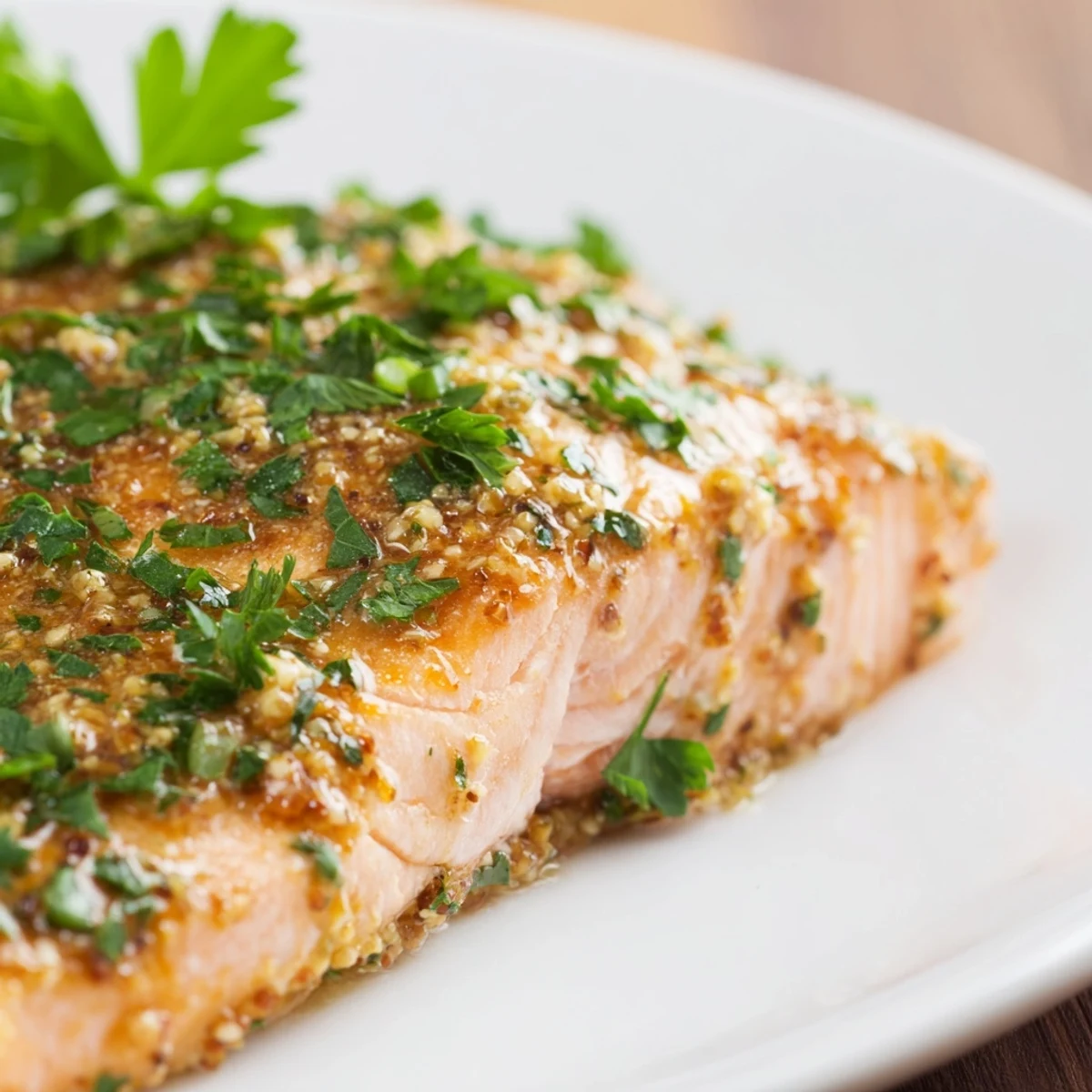
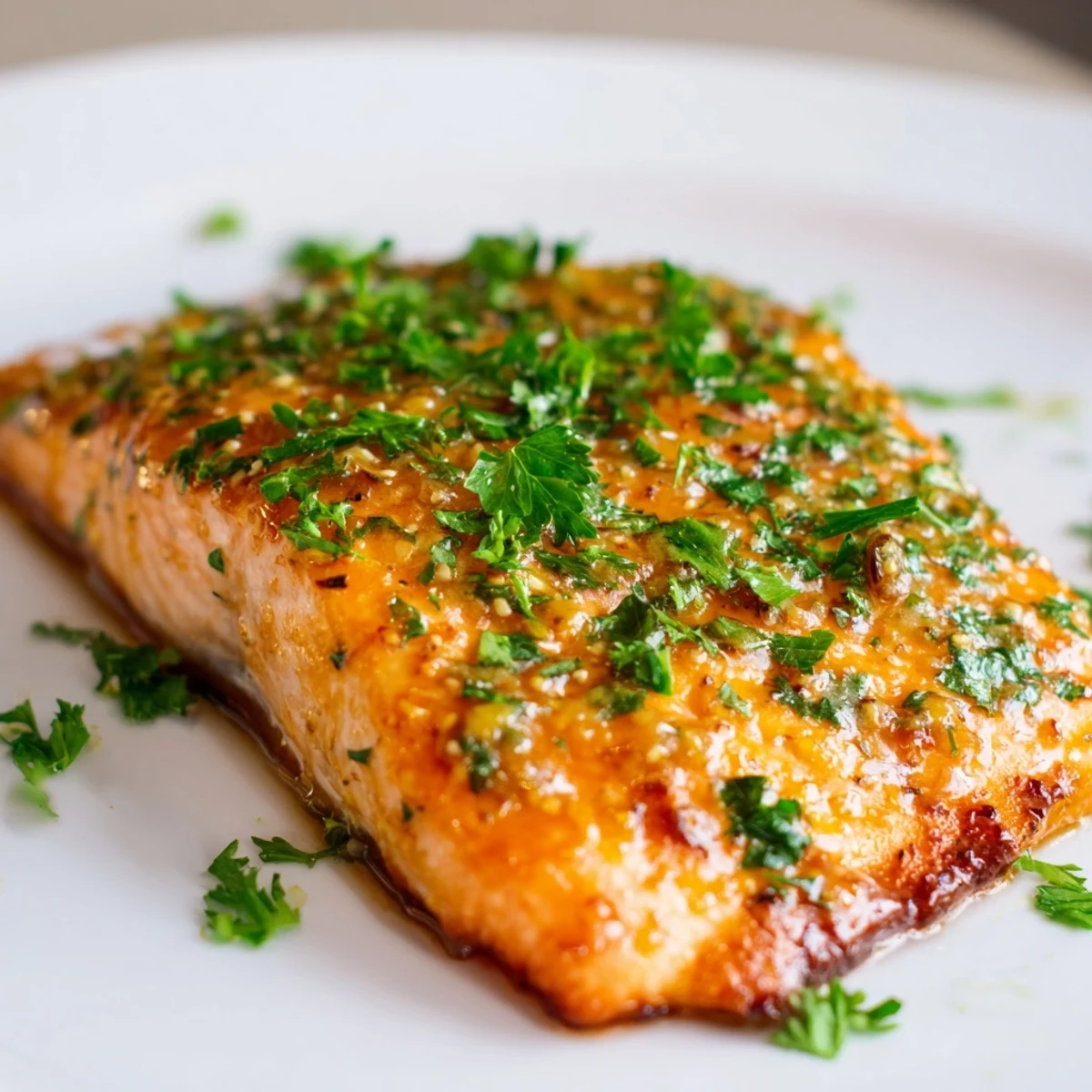
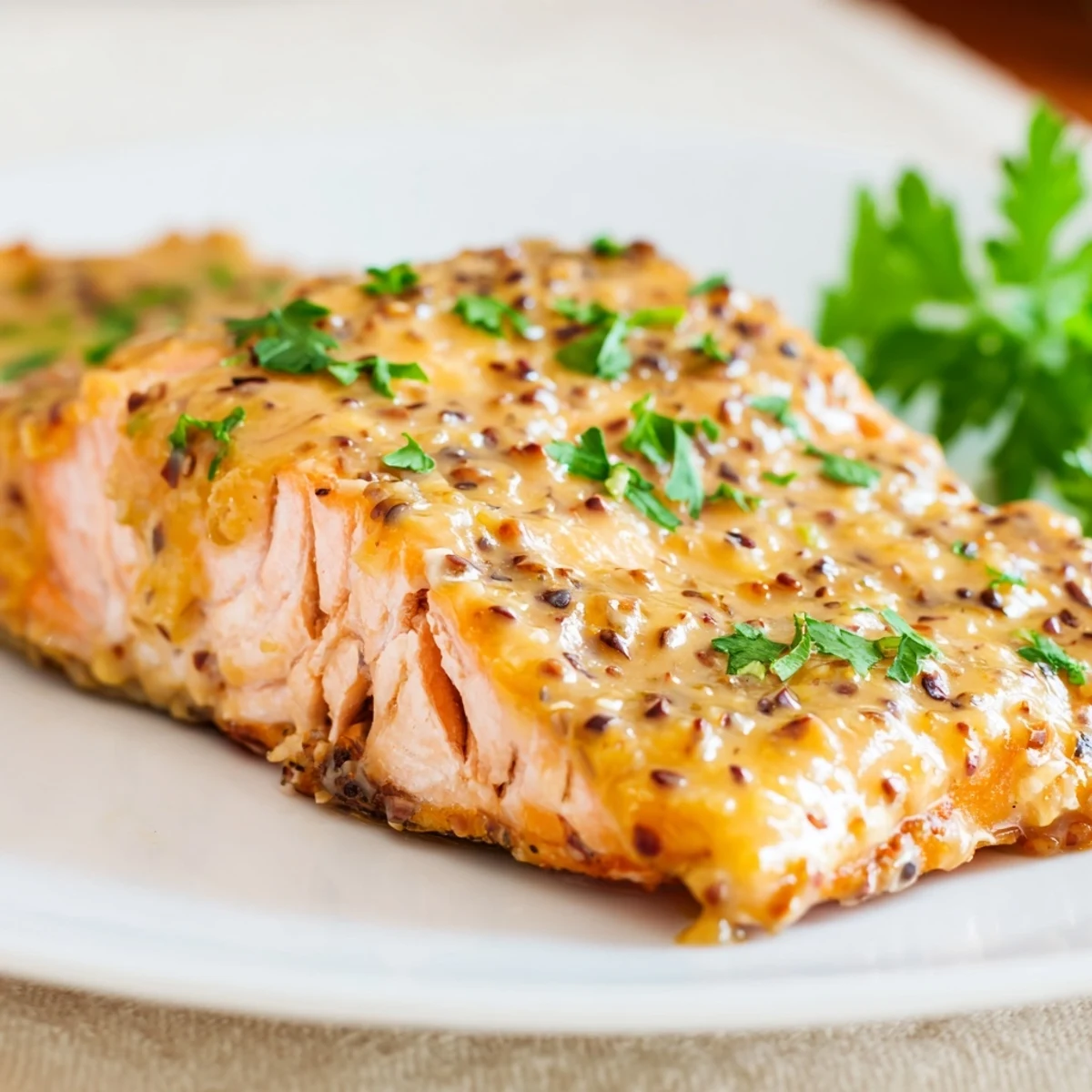
 This dish features tender salmon fillets coated in a smooth honey mustard glaze combining Dijon and whole-grain mustards, honey, olive oil, lemon juice, and garlic. The salmon is baked at a high temperature until just opaque and flaky, delivering a moist and flavorful result. Garnished with fresh parsley and lemon wedges, this simple preparation yields a balanced and elegant main course perfect for pescatarian and gluten-free diets. Marinating before baking enhances the depth of flavor, while optional maple syrup or cayenne pepper adjustments provide customization.
I used to think salmon needed complicated sauces to shine, until a weeknight panic led me to whisk together whatever I had in the fridge. Honey, mustard, a squeeze of lemon—it came together in under a minute and baked into this glossy, caramelized glaze that had everyone asking for seconds. Now it's my go-to when I want something that feels special without the fuss. Sometimes the best recipes are born from happy accidents.
The first time I made this for friends, I plated it with roasted asparagus and watched their faces light up at first bite. One of them said it reminded her of a dish she'd had at a coastal restaurant in Maine, and I just smiled, knowing it came from my regular old oven. That's the magic of good salmon: it carries memories of oceans and travels, even when you're cooking at home in your pajamas.
Ingredients
- Skinless salmon fillets: Look for bright, firm flesh without any fishy smell—fresh salmon should smell like the ocean, clean and mild. I prefer wild-caught when I can find it, but good quality farmed works beautifully too.
- Dijon mustard: This is the backbone of the glaze, bringing sharpness and depth that balances the honey's sweetness. Don't skip it or swap it for yellow mustard—the flavor just won't be the same.
- Honey: Use real honey, not the squeeze-bottle imitation stuff, because it caramelizes better and tastes like sunshine. Wildflower or clover honey both work perfectly here.
- Whole-grain mustard: Those little mustard seeds add pops of texture and a gentle bite that makes every forkful interesting. It's a small detail that makes a big difference.
- Olive oil: Helps the glaze spread smoothly and keeps the salmon moist as it bakes. Extra virgin adds a subtle fruity note I really love.
- Fresh lemon juice: Brightens everything and cuts through the richness—always use fresh, never bottled, because you can taste the difference.
- Garlic: One clove is all you need to add warmth without overpowering the delicate fish. Mince it finely so it melts into the glaze.
- Salt and black pepper: Simple seasonings that let the salmon and glaze shine. I like flaky sea salt on top right before serving for a little crunch.
- Fresh parsley: A handful of green makes the plate come alive and adds a fresh, herbal note that ties everything together.
Instructions
- Preheat and Prep:
- Get your oven to 400°F and line a baking sheet with parchment—it makes cleanup so much easier and prevents sticking. I like to let the oven fully heat while I make the glaze, so everything's ready to go at once.
- Arrange the Salmon:
- Lay the fillets on the sheet with a little space between each one, so the heat circulates evenly. If your fillets still have skin, place them skin-side down—it acts like a little protective shield.
- Make the Glaze:
- Whisk everything together in a small bowl until it's smooth and glossy, with the honey and mustard totally combined. Taste it—if you love a little more tang, add a splash more lemon.
- Coat the Salmon:
- Spoon the glaze generously over each fillet, spreading it to cover the tops completely. I use the back of the spoon to create an even layer that will caramelize beautifully.
- Bake Until Flaky:
- Slide the pan into the oven and bake for 12 to 15 minutes, depending on thickness—you want the salmon to flake easily with a fork and look just opaque in the center. The glaze will bubble and turn golden at the edges, which is exactly what you want.
- Garnish and Serve:
- Pull it out, scatter fresh parsley over the top, and serve with lemon wedges on the side for anyone who wants an extra squeeze. It's beautiful, bright, and ready to eat.
 Pin It
 I'll never forget the evening my mom tried this recipe and called to tell me she'd finally found a salmon dish my dad would eat without complaining. He'd always said fish was boring, but one bite of that sweet, tangy glaze changed his mind completely. Now she makes it every few weeks, and he requests it by name.
Pairing Suggestions
This salmon pairs beautifully with roasted Brussels sprouts, wild rice, or a simple arugula salad dressed with lemon and olive oil. I've also served it over creamy mashed potatoes when I wanted something cozy, and the glaze mingled with the potatoes in the most delicious way. For wine, a crisp Sauvignon Blanc or a light Pinot Grigio complements the honey and citrus perfectly without overwhelming the fish.
Storage and Leftovers
Leftover salmon keeps in an airtight container in the fridge for up to three days, and it's fantastic cold on top of a salad or tucked into a wrap with greens and avocado. If you want to reheat it, do so gently in a low oven (around 275°F) for just a few minutes to avoid drying it out. I've even flaked leftovers into scrambled eggs for breakfast, and it was unexpectedly wonderful.
Customization Ideas
You can easily make this your own by swapping honey for maple syrup if you want a deeper, earthier sweetness, or adding a pinch of cayenne to the glaze for a subtle kick of heat. I've also stirred in a teaspoon of fresh thyme or rosemary when I'm feeling herby, and it adds a lovely aromatic layer. If you're cooking for kids, you can dial back the whole-grain mustard and stick with just Dijon for a milder flavor.
- Try brushing extra glaze on halfway through baking for an even thicker, stickier coating.
- Serve it over a bed of sautéed spinach or kale for a one-pan meal that feels like a restaurant dish.
- For meal prep, bake a double batch and use the extras in grain bowls, pastas, or salads throughout the week.
 Pin It
 This recipe has become my answer to the question, what should I make for dinner when I want to feel proud of what I'm serving. It's simple, it's reliable, and it never fails to make the table feel a little more special.
Recipe Q&A
- → What is the best temperature to bake the salmon?
-
Baking at 400°F (200°C) ensures the salmon cooks evenly, becoming tender and flaky without drying out.
- → Can I prepare the glaze ahead of time?
-
Yes, whisking the honey mustard glaze beforehand allows the flavors to meld; it can also be used as a marinade for deeper taste.
- → What are good side dishes to pair with this salmon?
-
Roasted vegetables, rice, or crisp green salads complement the sweet and tangy glaze, balancing the dish beautifully.
- → Is it possible to replace honey in the glaze?
-
Maple syrup can substitute honey for a different touch of natural sweetness without affecting texture.
- → How can I add a spicier flavor to the glaze?
-
A pinch of cayenne pepper incorporated into the glaze provides a subtle heat that contrasts nicely with the sweetness.